
Whole-system duct and dryer vent check with before-and-after photos - you see exactly what came out of your vents
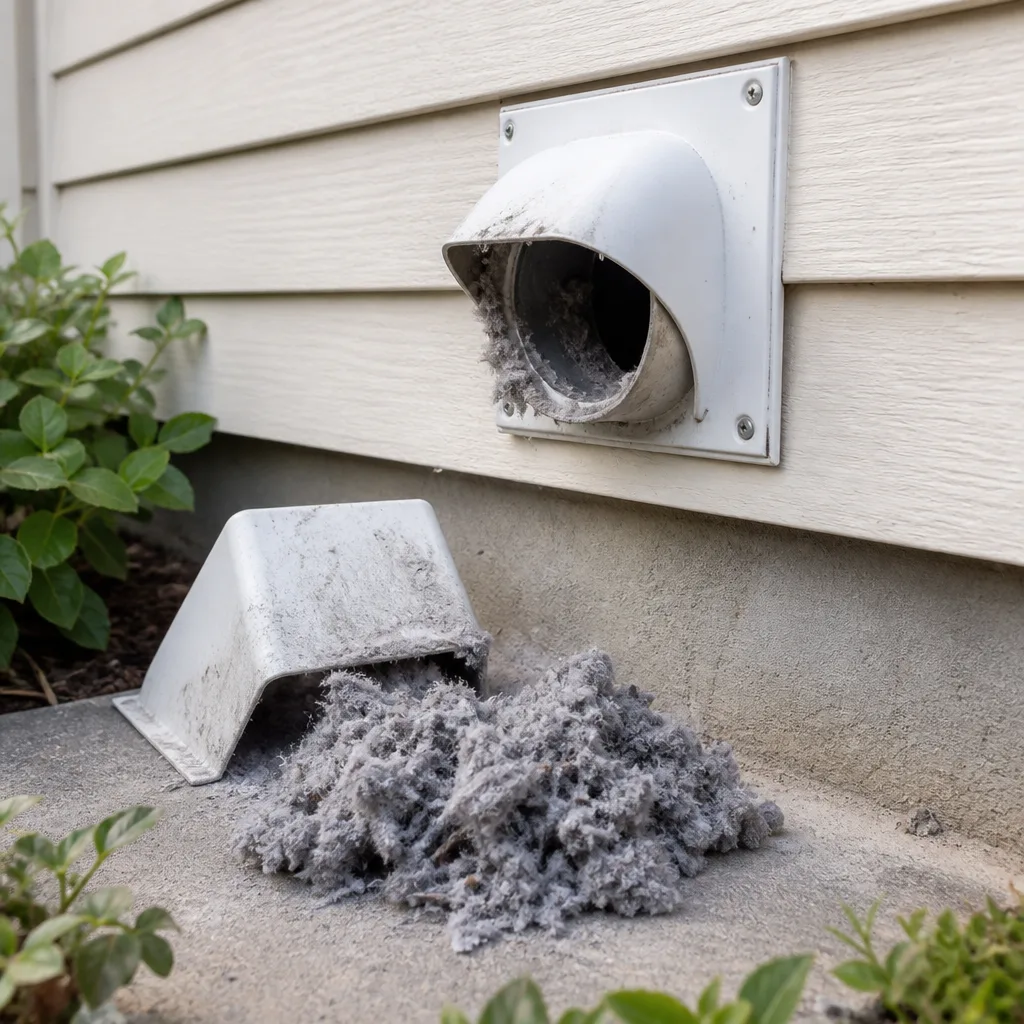
That "$99 whole-house special" is a bait ad - the real number appears once they are in your hallway, or the "clean" is a shop-vac at the register. We photograph the inside of your ducts before and after instead.
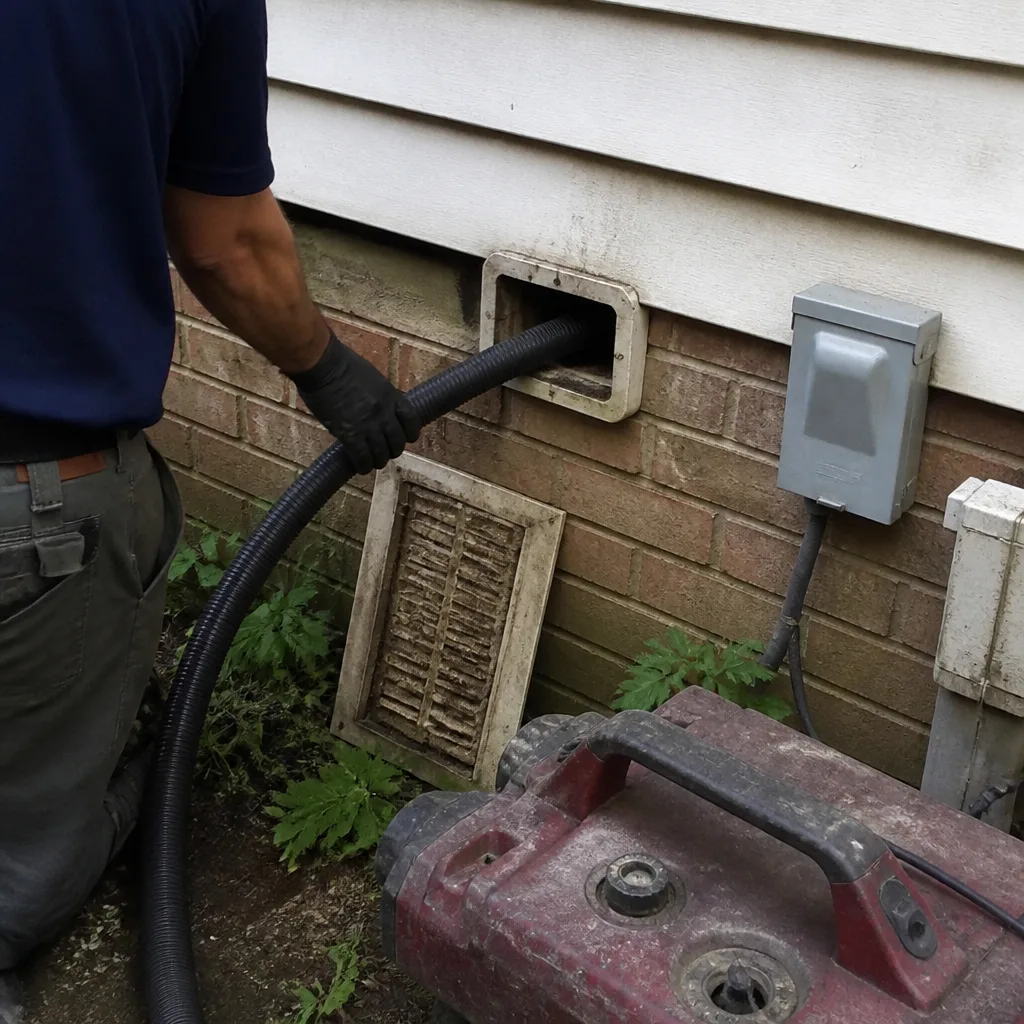 Before
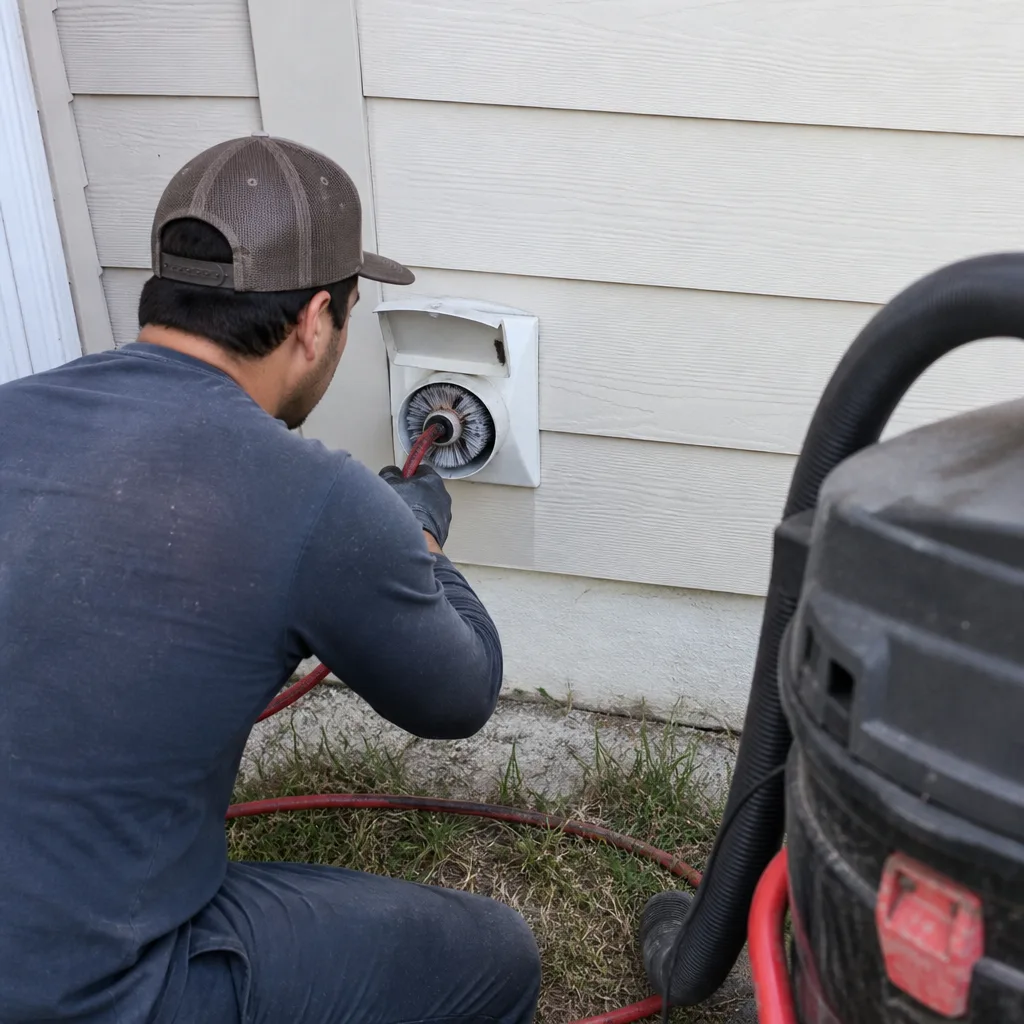 After
After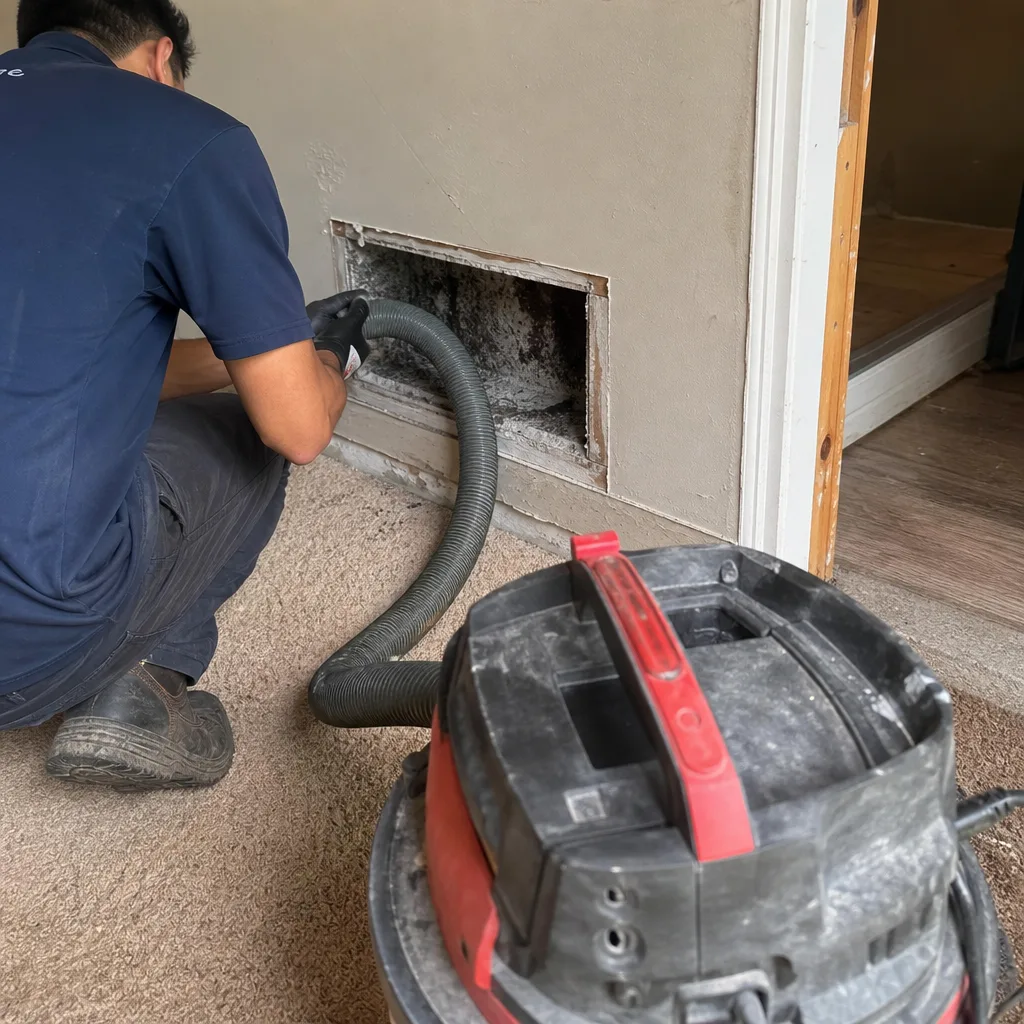 Before
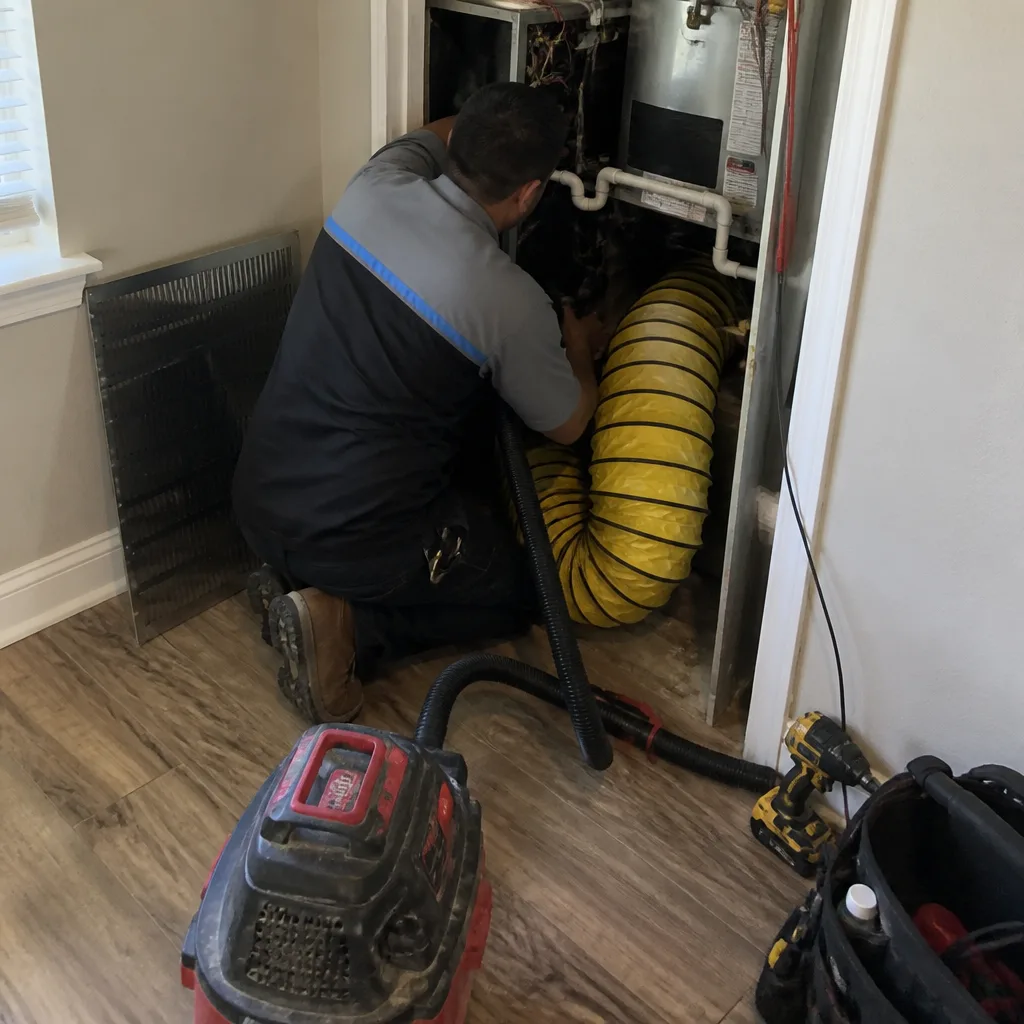 After
After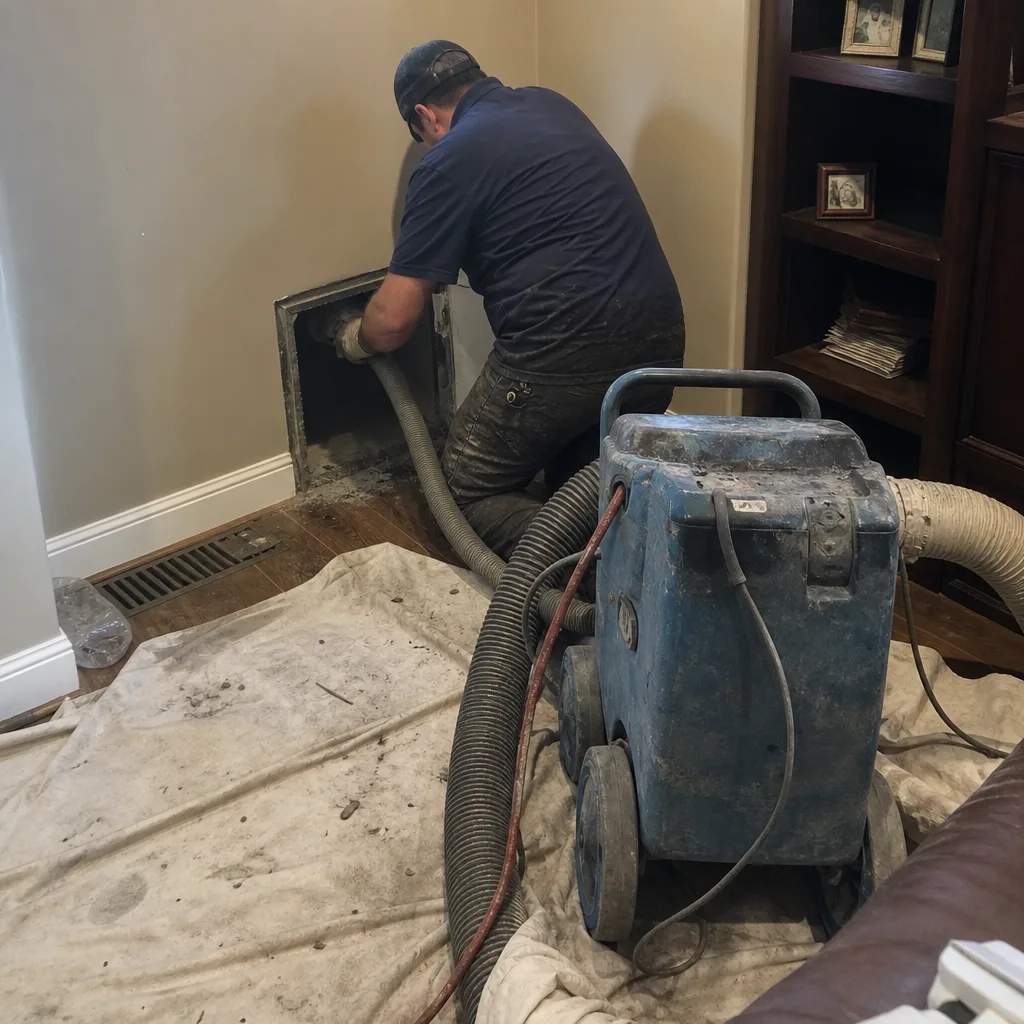 Before
 After
AfterHoneywell Air Duct Cleaning in Spring: What to Know First
We provide independent Honeywell air duct cleaning in Spring, TX, with most residential systems completed in a single scheduled visit and pricing delivered in writing before any panel comes off. A typical Honeywell whole-system cleaning in this market runs $380-$620 for a single HVAC system, depending on duct run count and whether the plenum (the main distribution box) requires separate access. Every job includes a Documented Photo Record of every duct run, before and after, delivered as part of your standard job record. If you own a Honeywell F100, F200, or F300 series media air cleaner, or a whole-home ventilation system tied to Honeywell zoning controls, this page covers what actually happens when we clean the ductwork behind it. Call (346) 423-3631 for a written estimate at no cost.
How Honeywell Products Fail - and How We Fix Them
- F100 Media Air Cleaner: collapsed filter frames in high-humidity months. The F100’s fiberglass media frame softens when Spring’s Gulf moisture pushes indoor humidity above 65% for weeks at a stretch. We’ve pulled frames that sag into the return air stream, bypassing filtration entirely and loading debris directly into the evaporator coil and downstream ductwork. Our fix: we photograph the frame condition during pre-cleaning inspection, replace with a rigid aluminum aftermarket frame if the OEM unit is compromised, and document the pressure-drop reading across the new media so you have a baseline.
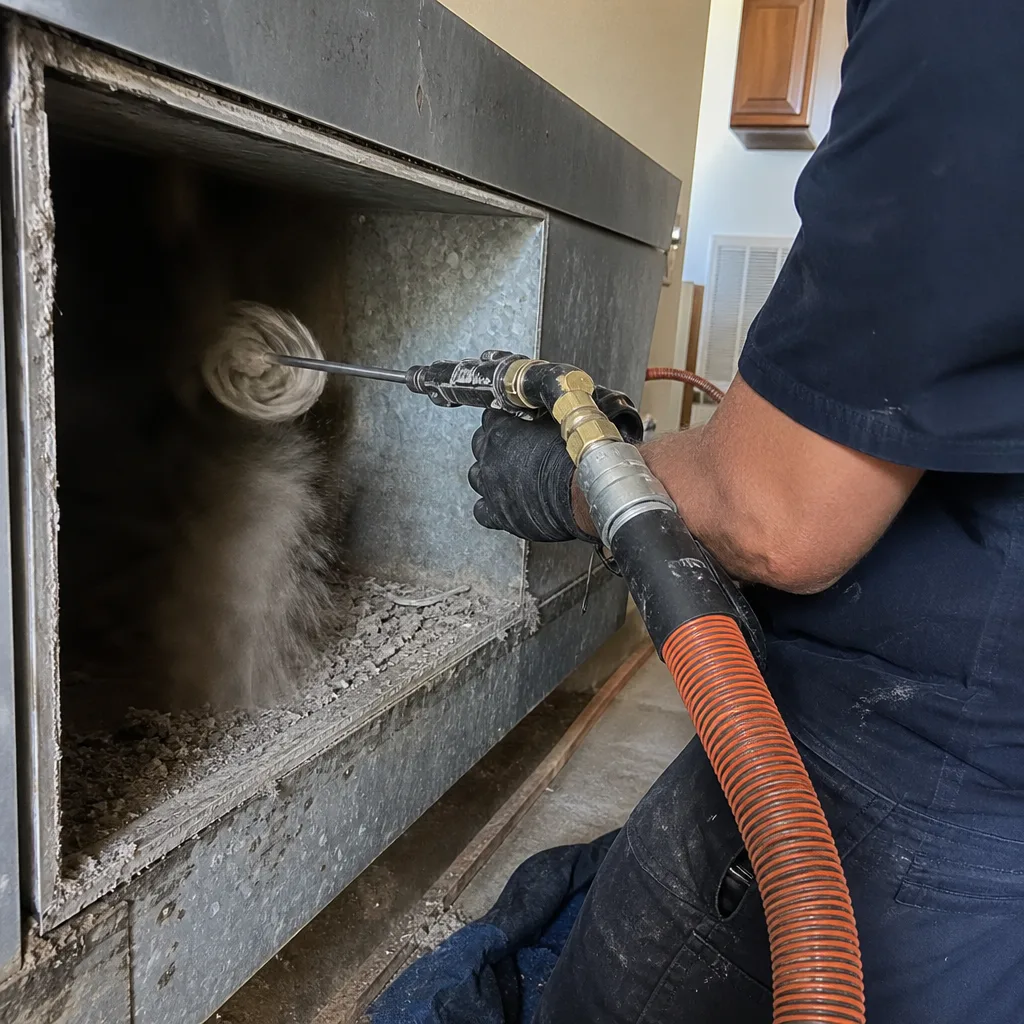
- F200 Electronic Air Cleaner: ionizing wire corrosion from clay-heavy soil off-gassing. Spring’s Gleannloch Farms and older Klein ISD neighborhoods sit on expansive clay that releases higher-than-average radon and soil gas traces. The F200’s ionizing wires corrode faster here than in sandy-soil markets, and when they fail, the resulting ozone byproduct bonds with duct debris to form a sticky residue standard brushing won’t touch. We use negative-pressure extraction (suction applied at the collection point, pulling debris out rather than pushing it deeper) combined with mechanical agitation from a Rotobrush system to break that bond.
- F300 TrueCLEAN: clogged cells from pet dander accumulation in supply ducts. The F300’s cells sit downstream of the filter, but in homes with multiple shedding pets, dander bypasses the pre-filter and plates onto cell surfaces. Once cells clog, airflow drops and the blower motor compensates by pulling harder, which draws more debris from leaky return ductwork. We clean the cells with manufacturer-approved solution, seal accessible return leaks with mastic (a thick, brush-applied sealant), and show you the before-and-after static pressure reading.
- Honeywell Zone Board systems: bypass damper debris jamming. Zone-controlled systems with Honeywell HZ432 or TrueZONE panels rely on a bypass damper to relieve pressure when zones close. That damper sits in a duct run that rarely sees full airflow, so debris settles and jams the blade. We’ve found dampers frozen at 30% open, forcing the system to over-condition active zones and under-filter return air. Our cleaning includes manual damper cycling and photography of blade travel range.
- Whole-home dehumidifiers (DR90/DR120): clogged condensate drains from duct biofilm. Honeywell’s DR series ties into ductwork and dumps condensate through a small-diameter drain. When duct biofilm (a bacterial film that forms on moist interior surfaces) breaks loose during seasonal transitions, it can clog that drain and back water into the return plenum. We scope the drain path with a borescope (a flexible camera), clean the affected duct section, and leave the drain clear with a documented flow test.
Our Honeywell Air Duct Cleaning Process
- 1
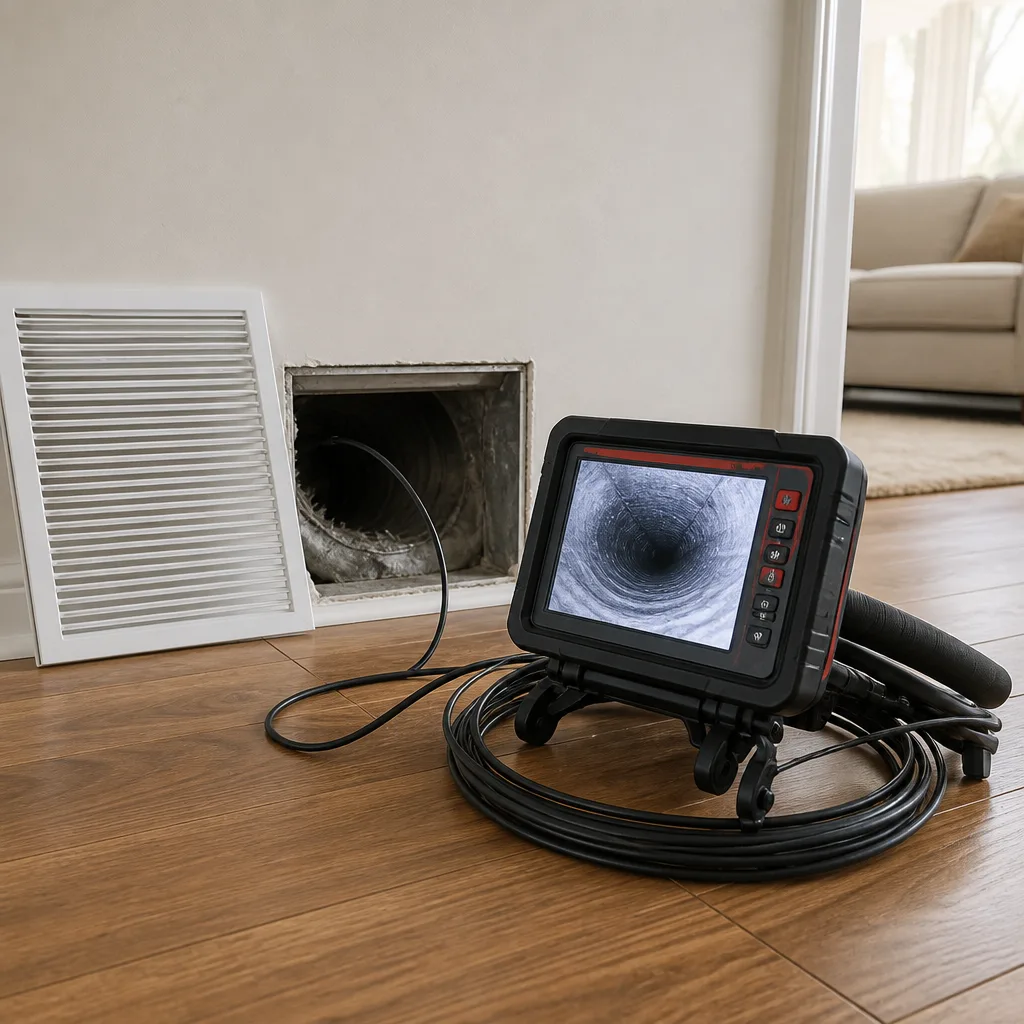
Video inspection before quote. Tomas Reyes or a senior technician runs a borescope through at least two access points per system. The camera doesn’t negotiate - we show you what we found before naming a price.
- 2
Written scope and price, Haven Standard Clause 1. You receive a single flat price per system, itemized by duct run count and any Honeywell component access required. No per-vent pricing, no add-ons after arrival.
- 3
Component-specific prep. We power down and protect Honeywell electronic air cleaners at the circuit, bag media filters to prevent contamination, and mark zone damper positions for post-cleaning verification.
- 4
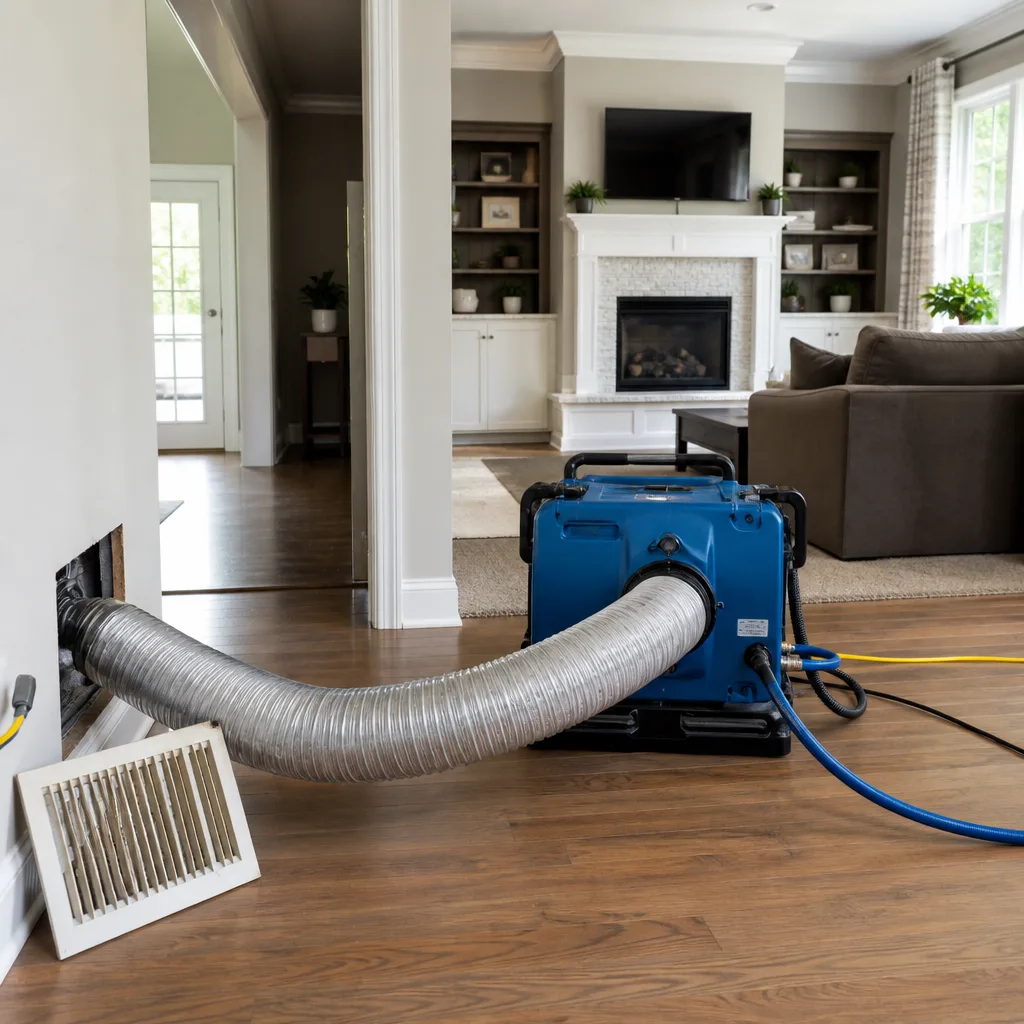
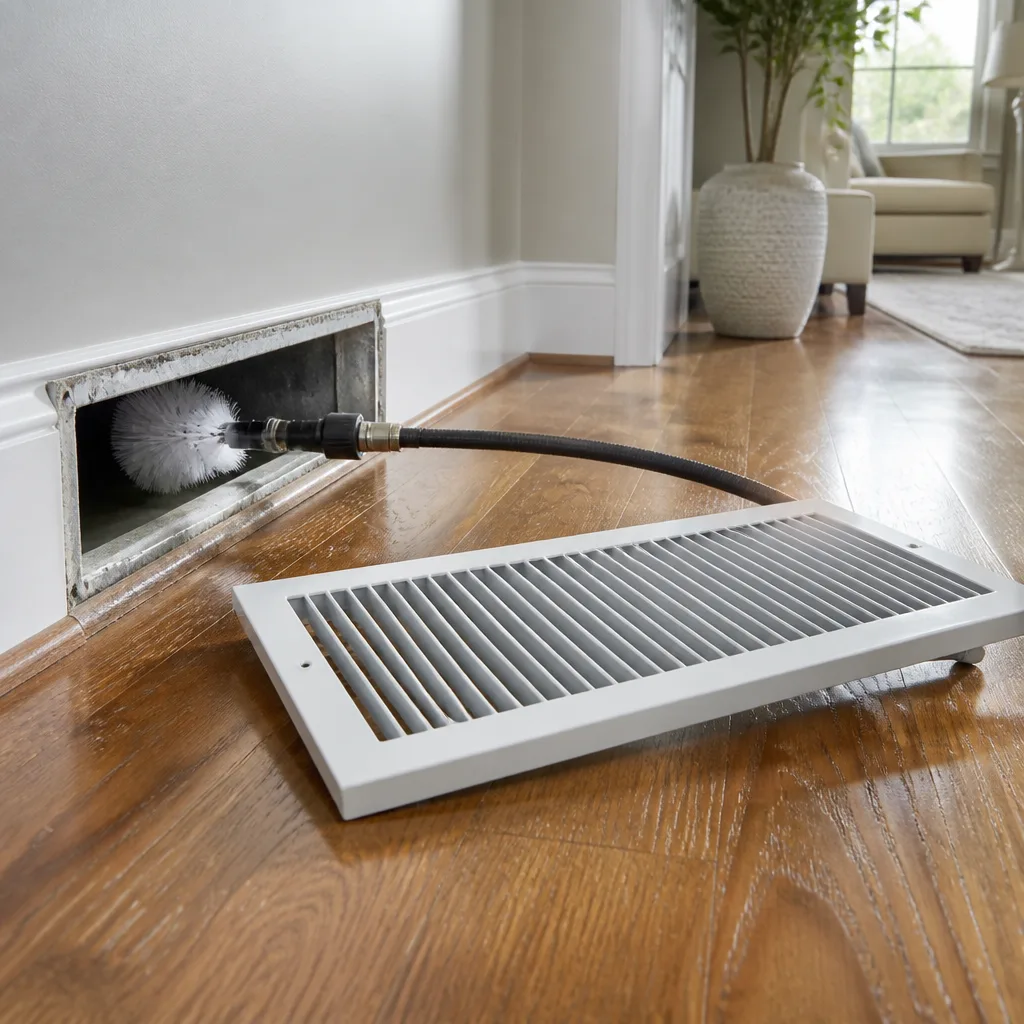
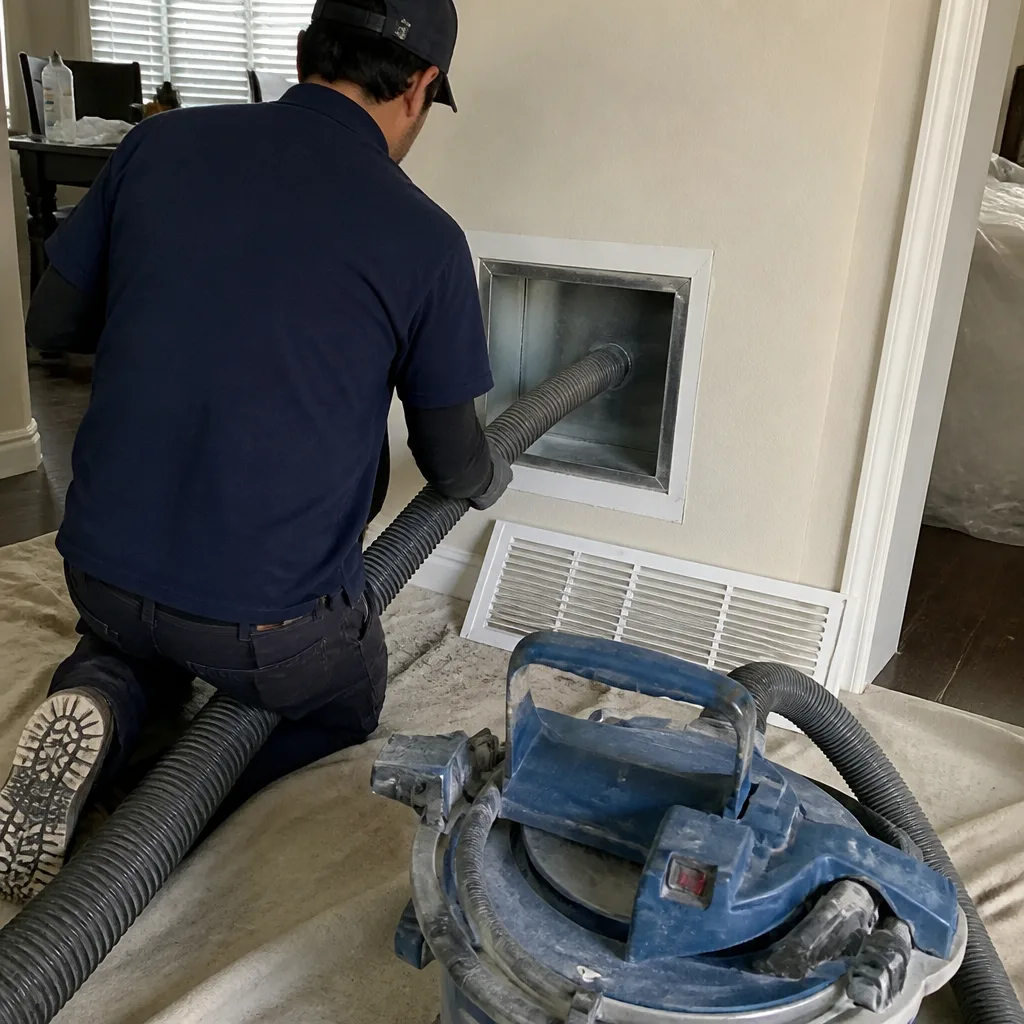
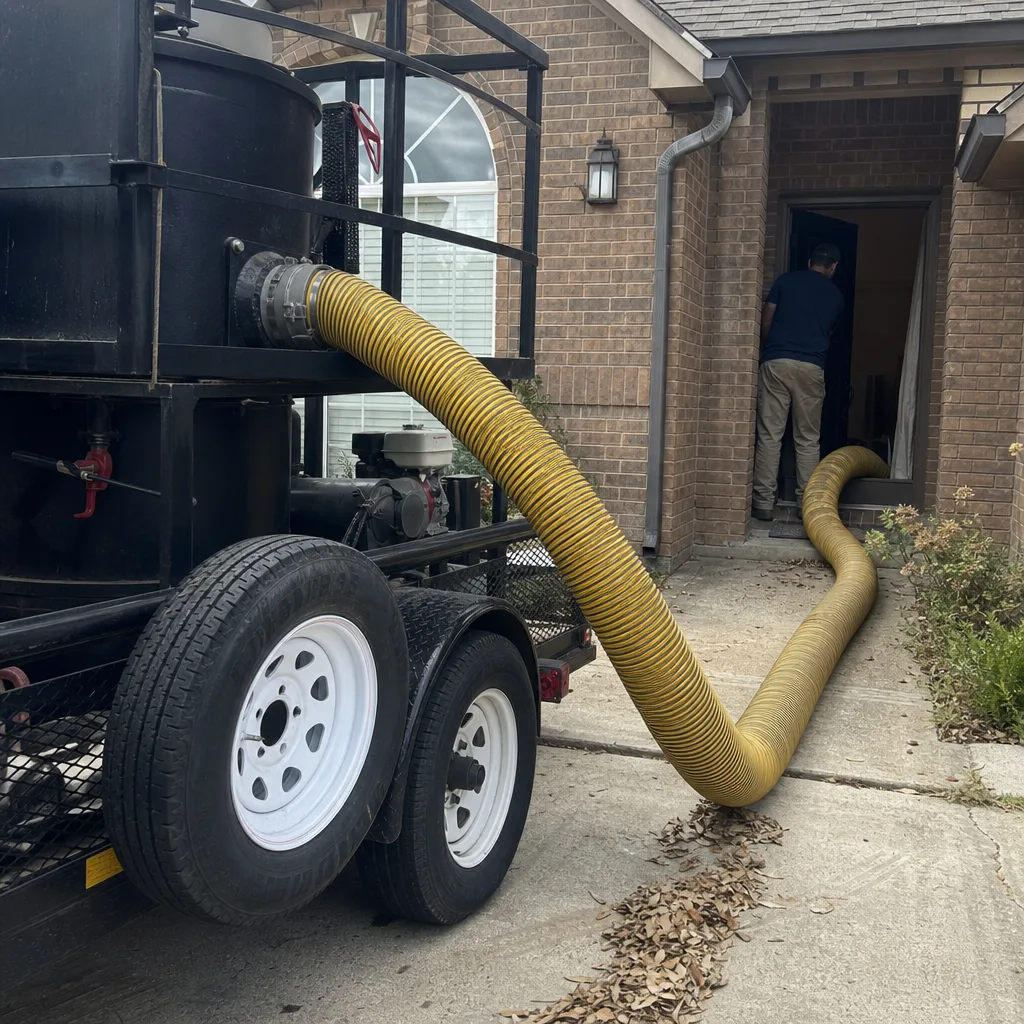
Negative-pressure extraction with mechanical agitation. Using Nikro or Abatement Technologies portable HEPA collectors, we apply suction at each register while agitating the duct interior with Rotobrush contact cleaning. For lined ductwork common in 2015-2020 Spring construction, we reduce brush speed to preserve liner integrity.
- 5
Honeywell component service and reassembly. Cells cleaned, media replaced if due, dampers cycled and photographed, static pressure measured and recorded.
- 6
Documented Photo Record delivery and 365-Day Done Right Promise activation. Every duct run, before and after, plus component condition shots, compiled in your job record. The Promise is in writing: if it’s not right, we make it right.
BeforeAfterWhat Honeywell Air Duct Cleaning Costs in Spring
These are the ranges we quote in writing for Honeywell systems in the Spring market, based on homes we’ve serviced from Birnamwood to Augusta Pines:
| Service | Typical Range |
|---|---|
| Whole-system duct cleaning, single HVAC (up to 12 duct runs) | $380-$620 |
| Whole-system duct cleaning with Honeywell EAC/TrueCLEAN cell service | $520-$780 |
| Return plenum cleaning only (common for F100 frame collapse recovery) | $240-$360 |
| Zone system cleaning with bypass damper access | $580-$840 |
| Video inspection and written second opinion (no cleaning performed) | No charge |
What moves the price: duct run count above 12, lined ductwork requiring reduced agitation speed, access panel cutting for sealed systems (patched and sealed afterward), and Honeywell component removal/reinstallation time. Every estimate includes the full scope in writing before work starts. Call (346) 423-3631 for your exact number.
Why Spring Homeowners Call CleanRun Duct Repair & Cleaning for Honeywell Work
We’ve been in Spring since 2013, and the crew knows the local housing stock: the 1990s builds with flex duct sagging in attics, the 2015-2020 homes with lined metal trunk lines, the Gleannloch Farms properties where clay soil and mature oak pollen load returns heavier than builders anticipated. Our technicians are background-checked, uniformed, and identified by name before arrival - Haven Standard Clause 3: Verified Crews. We also service Lennox, Trane, and Carrier systems, which matters when your Honeywell controls are integrated with mixed-manufacturer equipment and you need a technician who won’t blame the other brand. The 365-Day Done Right Promise is backed in writing on every job, not stated in marketing copy and forgotten. And the Documented Photo Record means you can verify the work yourself, or show your HVAC contractor exactly what was found.
FAQs
No. Routine duct cleaning does not void Honeywell’s product warranties, provided the work is performed by a qualified technician and electronic components are powered down during the process. We document our shutdown and restart procedure in your job record for warranty support if needed. For questions about your specific Honeywell model, call (346) 423-3631 and we’ll pull the warranty terms with your serial number.
OEM Honeywell media fits precisely and maintains rated MERV efficiency, but quality aftermarket frames from Guardsman and Aprilaire often outlast the OEM fiberglass in Spring’s humidity. We stock both, quote the price difference in writing, and let you decide. Haven Standard Clause 1 applies either way.
Your Documented Photo Record shows the interior of every duct run, before and after, with timestamps. We also provide static pressure readings and, for Honeywell EAC jobs, cell voltage verification. If a competitor’s “cleaning” left you skeptical, bring their estimate and we’ll perform a free video inspection - no charge, no obligation.
It could be either, or both. We start with a video inspection and static pressure test across zones. If the ducts are clear and pressures are balanced, we’ll tell you the zone board needs an HVAC electrician, not a duct cleaner. We don’t perform work that isn’t justified by what the camera shows.
For homes with Honeywell media or electronic filtration, every 3-5 years is typical if filters are changed on schedule. Homes with pets, recent renovation, or proximity to construction (common in the Grand Parkway corridor) may need cleaning every 2-3 years. We don’t sell maintenance contracts or push unnecessary intervals - the camera and pressure readings tell us when it’s time.
Written by Tomas Reyes, Owner, CleanRun Air Duct Cleaning Spring at CleanRun Air Duct Cleaning Spring, serving Spring and nearby areas.