
Whole-system duct and dryer vent check with before-and-after photos - you see exactly what came out of your vents
That "$99 whole-house special" is a bait ad - the real number appears once they are in your hallway, or the "clean" is a shop-vac at the register. We photograph the inside of your ducts before and after instead.
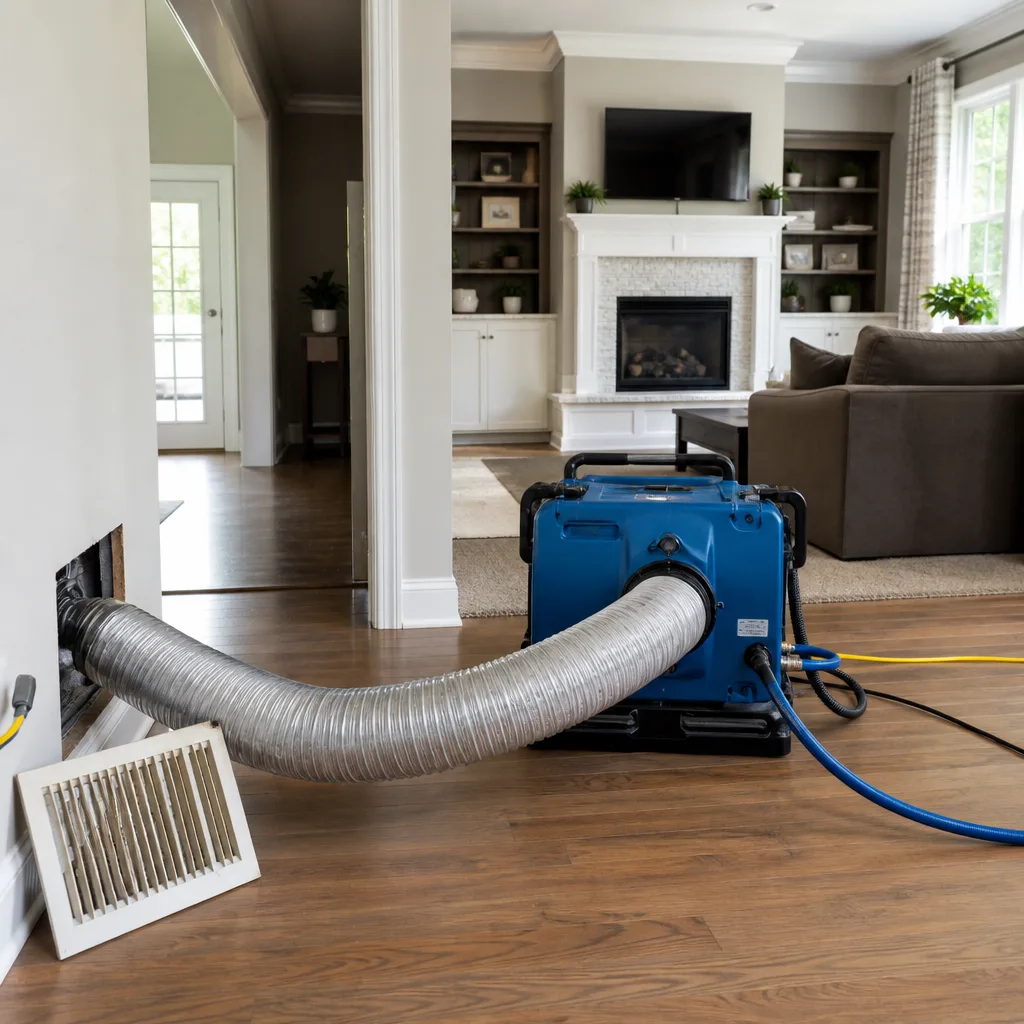
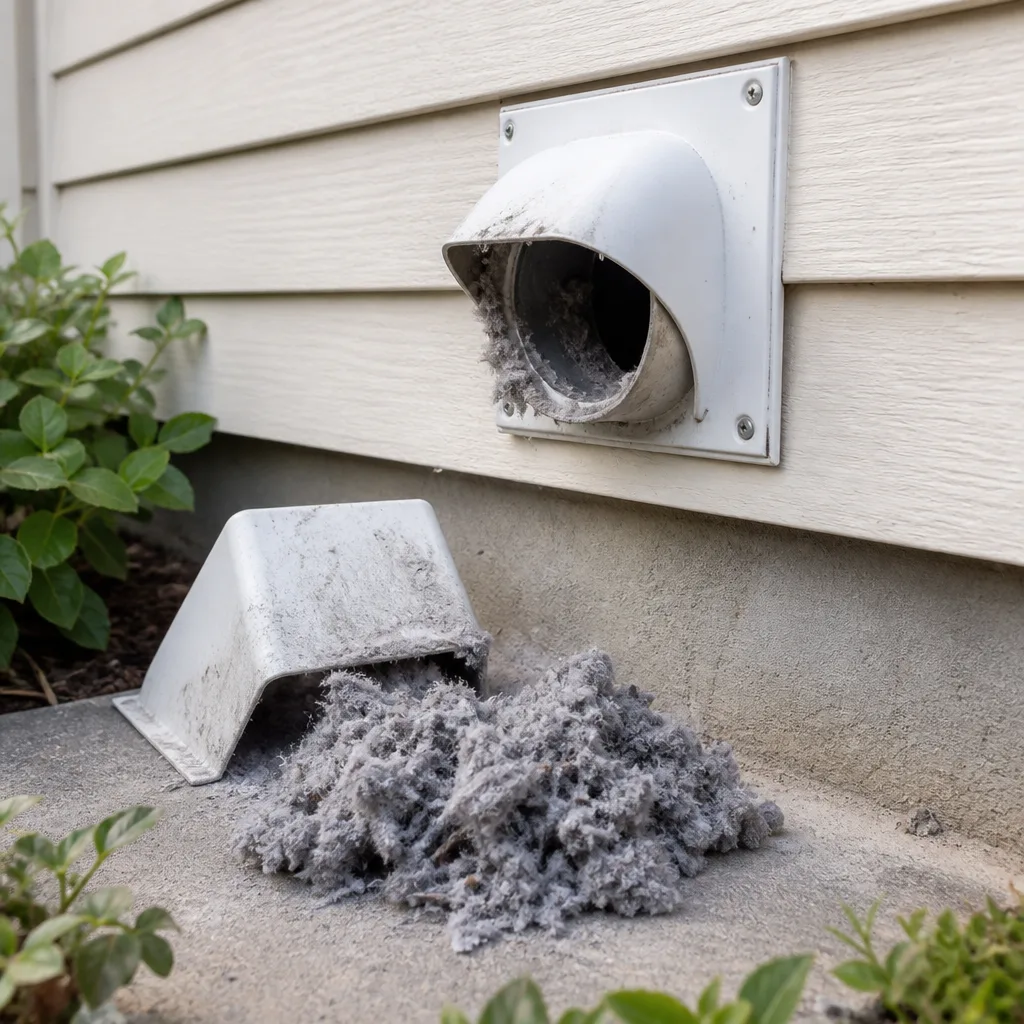
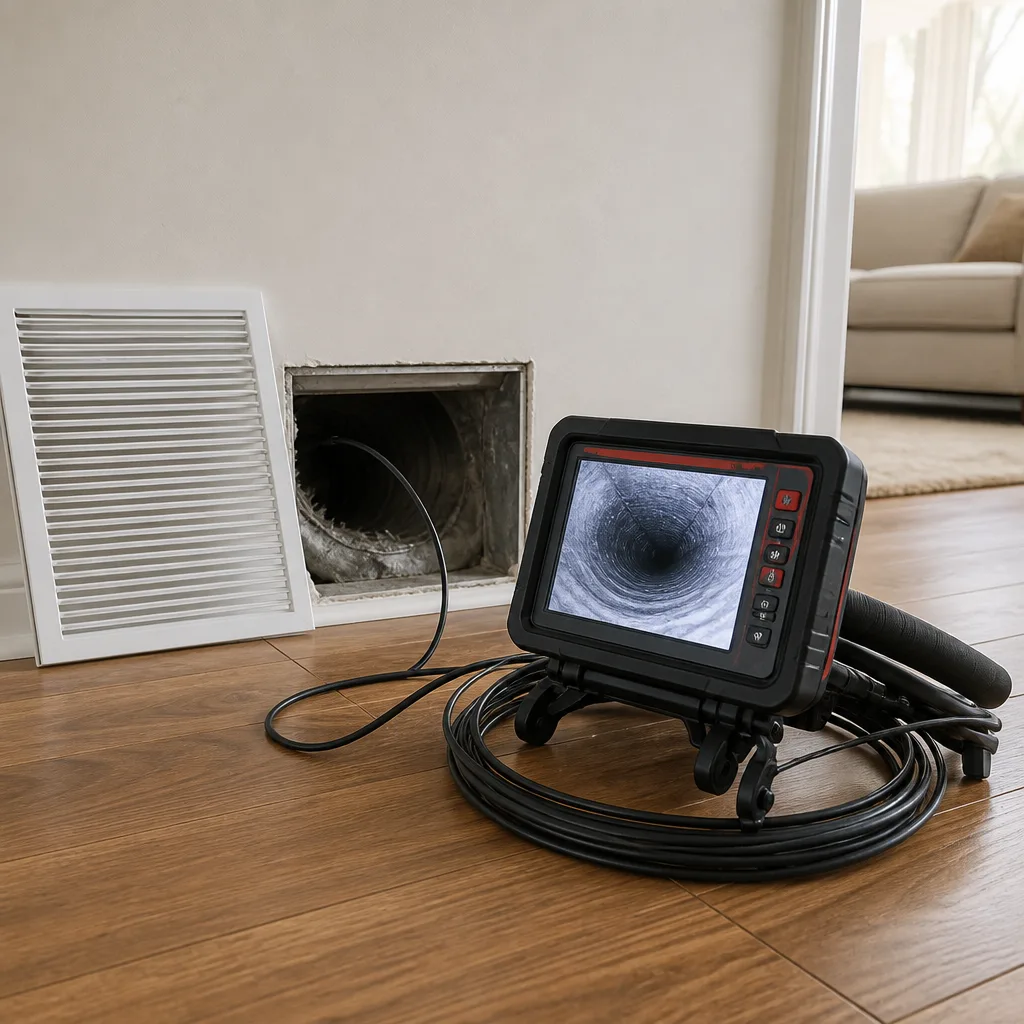
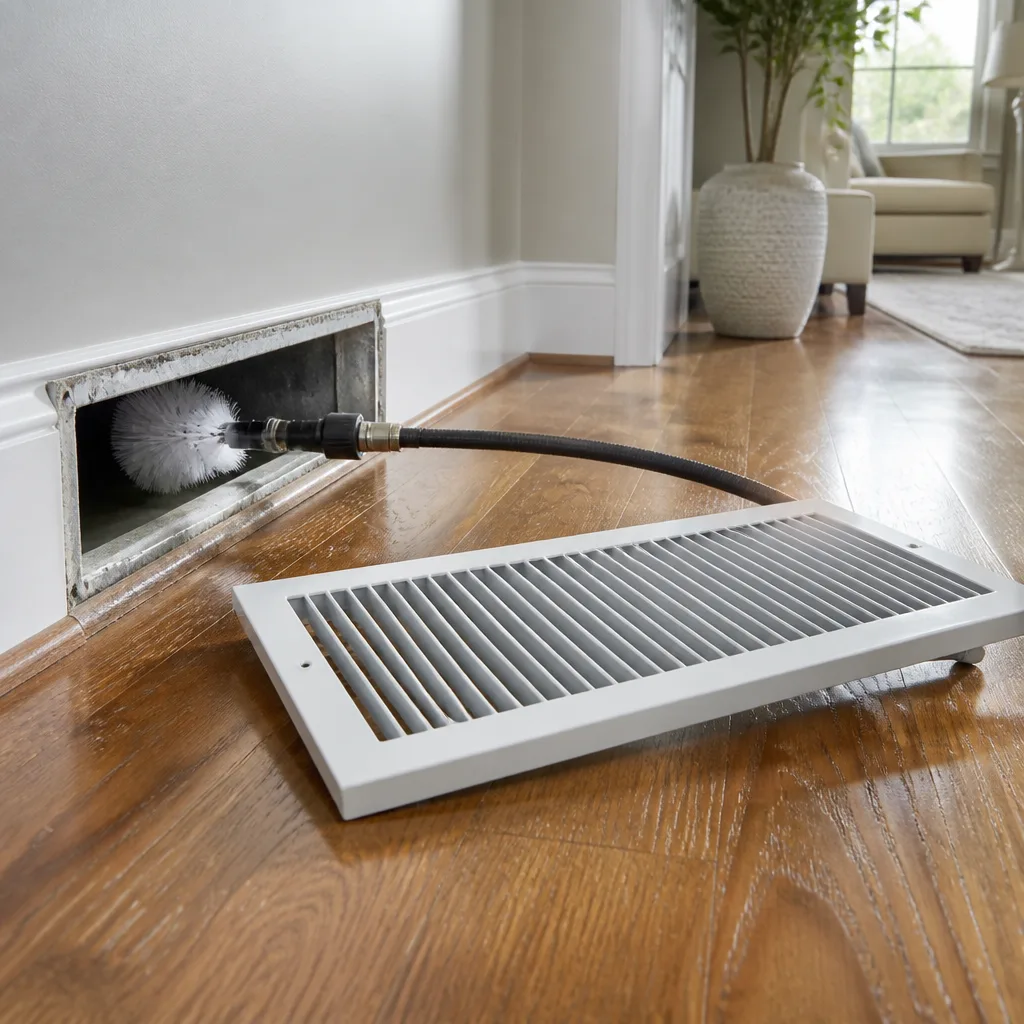
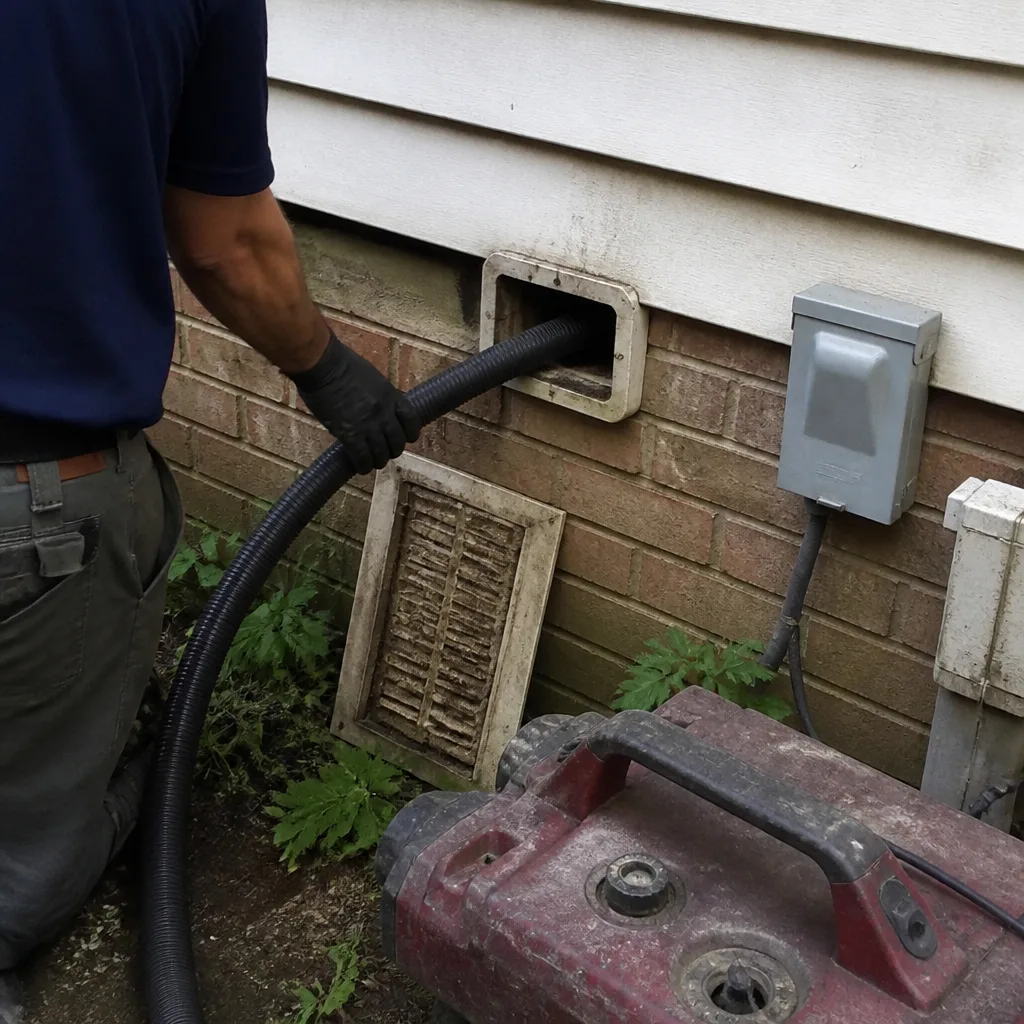 Before
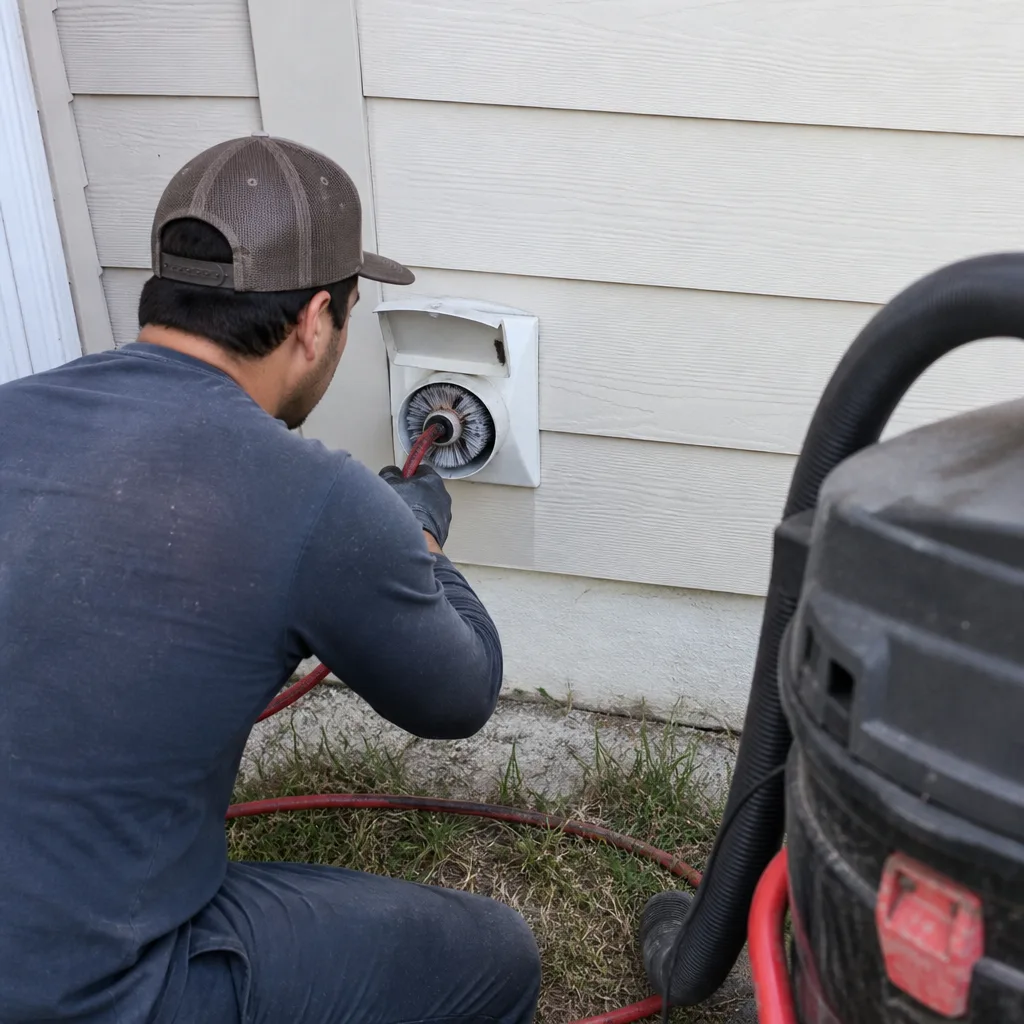 After
After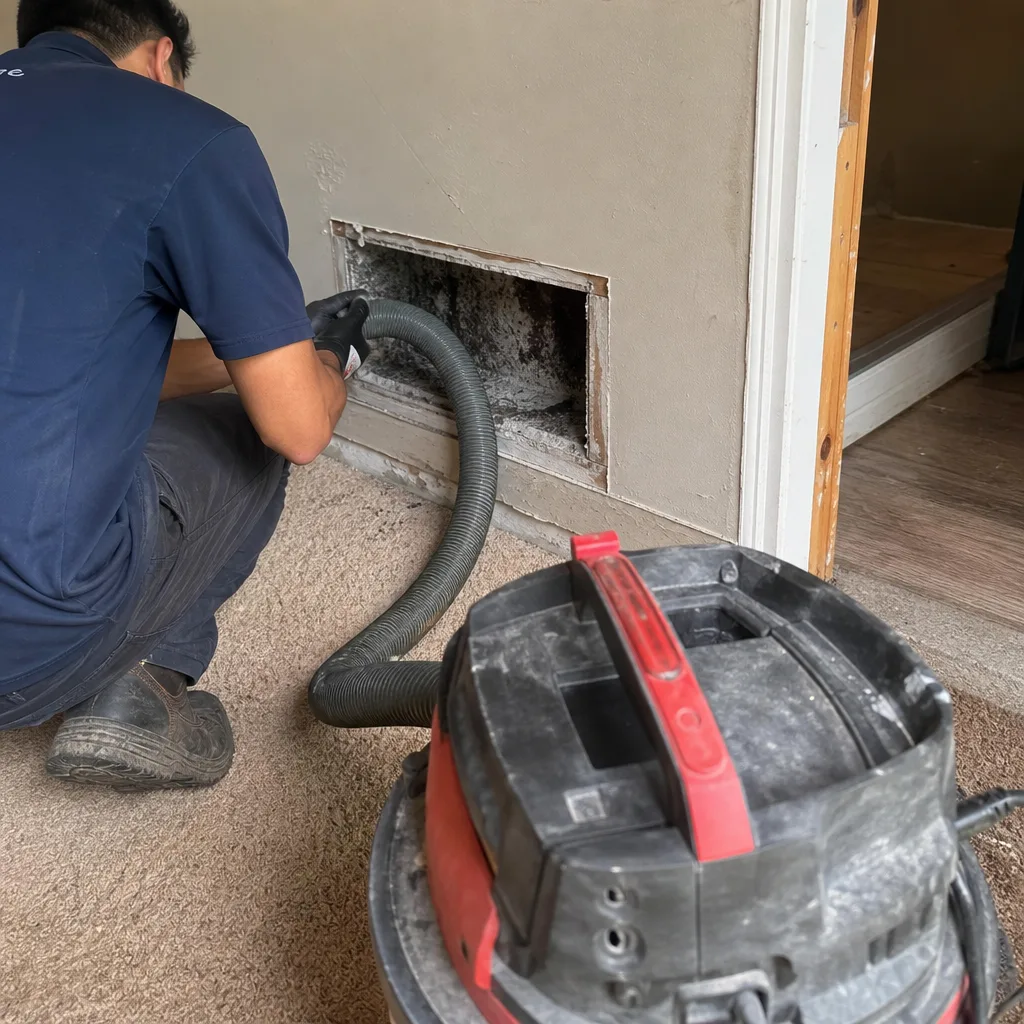 Before
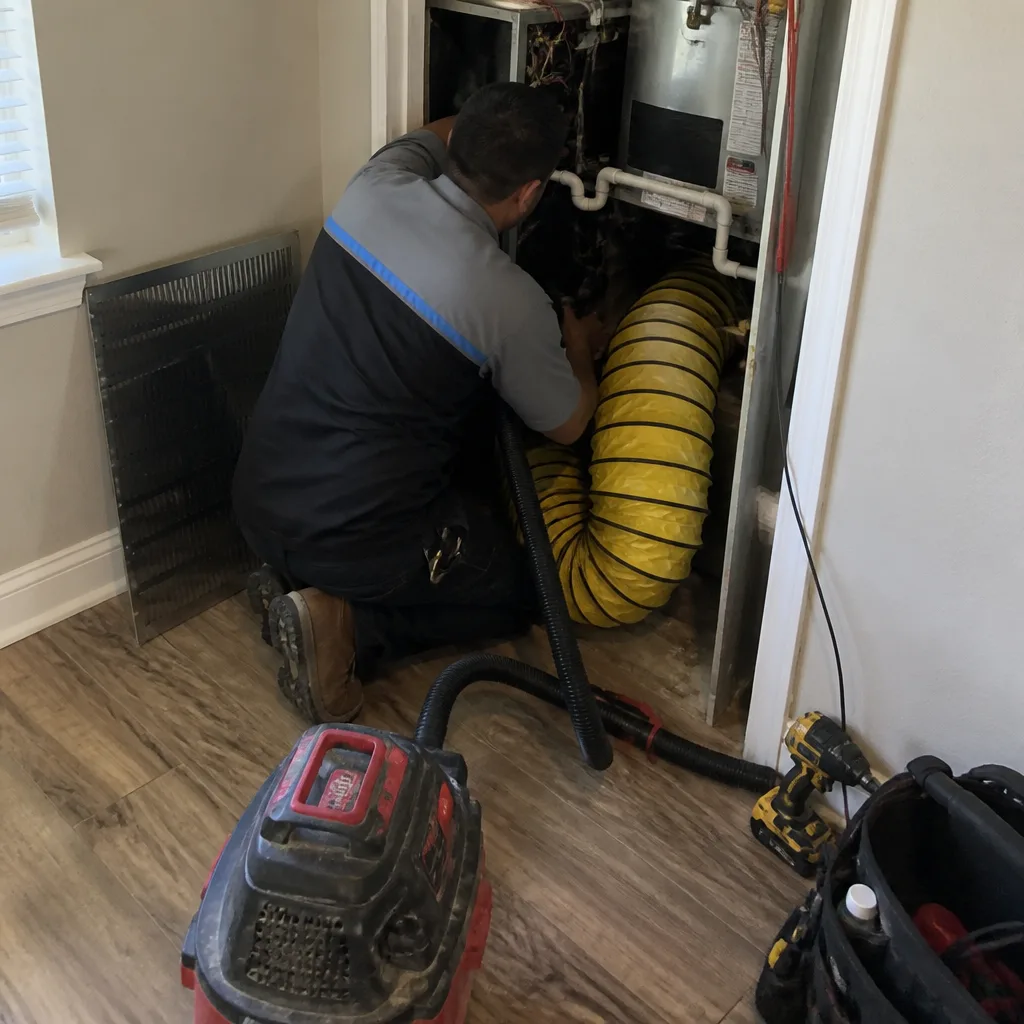 After
After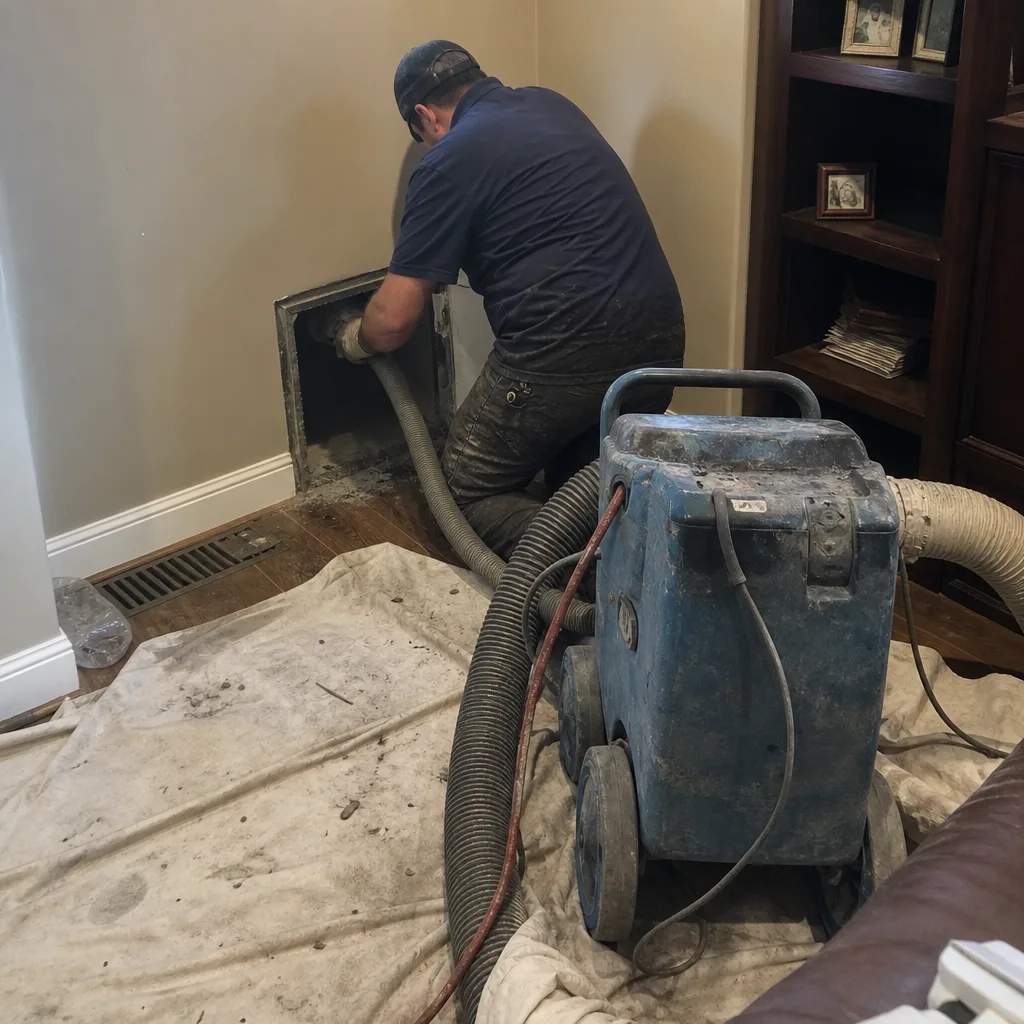 Before
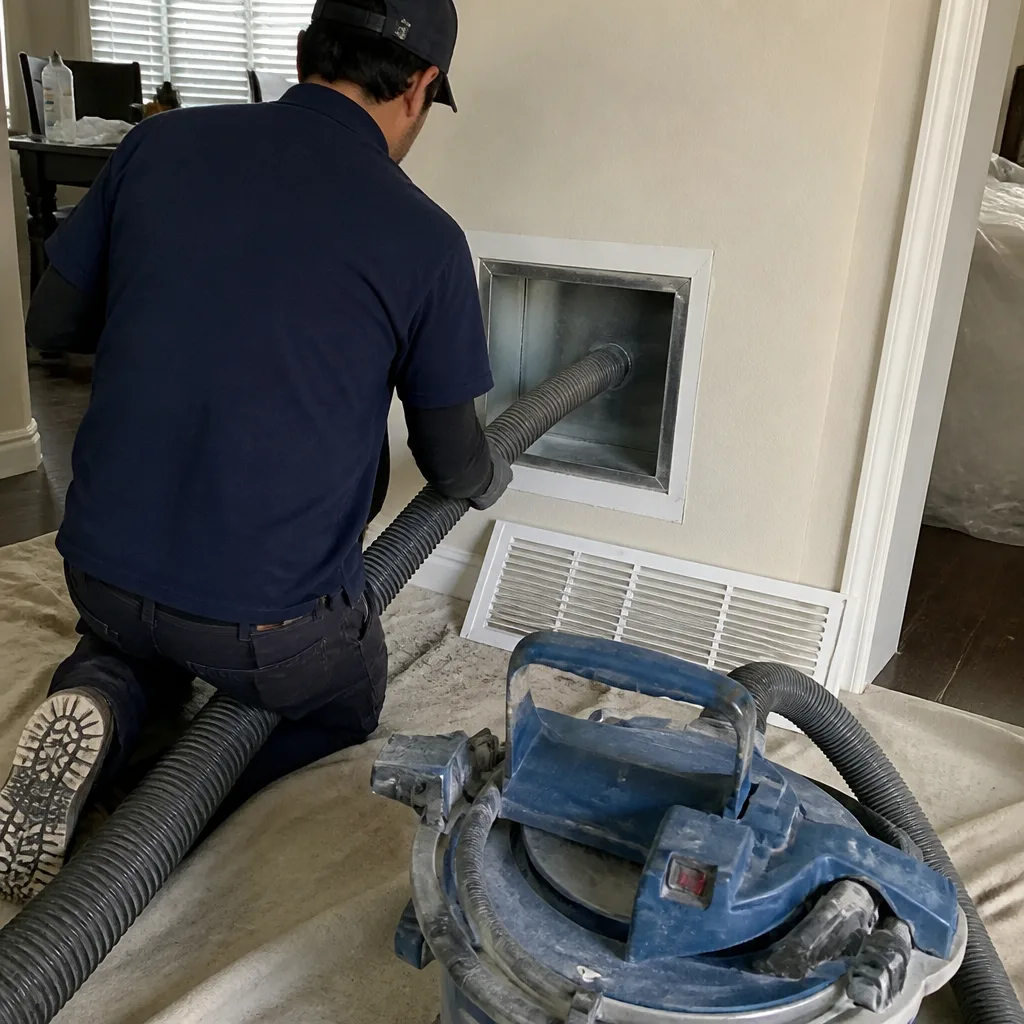 After
AfterAbatement Technologies Register & Grille Cleaning: The Spring Owner’s Guide
We stock and install register and grille cleaning for Abatement Technologies air filtration and negative-pressure systems, with most jobs in Spring running $280-$420 for a full register and grille service on a standard residential duct system. Same-day scheduling is usually available because our trucks carry Abatement Technologies-compatible tools and brushes as standard equipment. Most Spring homeowners realize their registers need attention when they notice uneven airflow from room to room, or when they remove a vent cover and find the gap between the register boot and the drywall has packed with construction dust and pollen debris that a vacuum hose can’t reach.
Which Abatement Technologies Models This Applies To
Abatement Technologies builds register and grille assemblies across several product lines, and the cleaning approach differs by series. The PREDATOR portable air scrubbers use clamp-on intake grilles with standard 16×20 or 20×24 filter rails - these detach with thumb screws and clean up straightforwardly. The HEPA-AIRE and ABATEMENT negative-air machines use bolted aluminum grilles with integrated gasket seals; the gasket compresses over time and must be inspected before reassembly or you’ll leak negative pressure. The ULTIMATE series has a wider flange overlap that catches more debris at the rim, which is why we see heavier buildup there on Spring jobs.
To identify your exact unit, check the specification plate on the motor housing or the side panel - model numbers start with prefixes like PAS, H2KM, or UA. We match our brush diameter and negative-pressure extraction settings to that model. CleanRun is an independent service provider, not affiliated with Abatement Technologies. We use OEM-equivalent brushes and cleaning heads where the factory spec calls for it, and we stock aftermarket equivalents that meet the same torque and bristle-density ratings for common sizes - the decision depends on what’s on your unit and what we can verify fits without stripping the mounting threads.
Signs Your Abatement Technologies Register & Grille Cleaning Is Failing
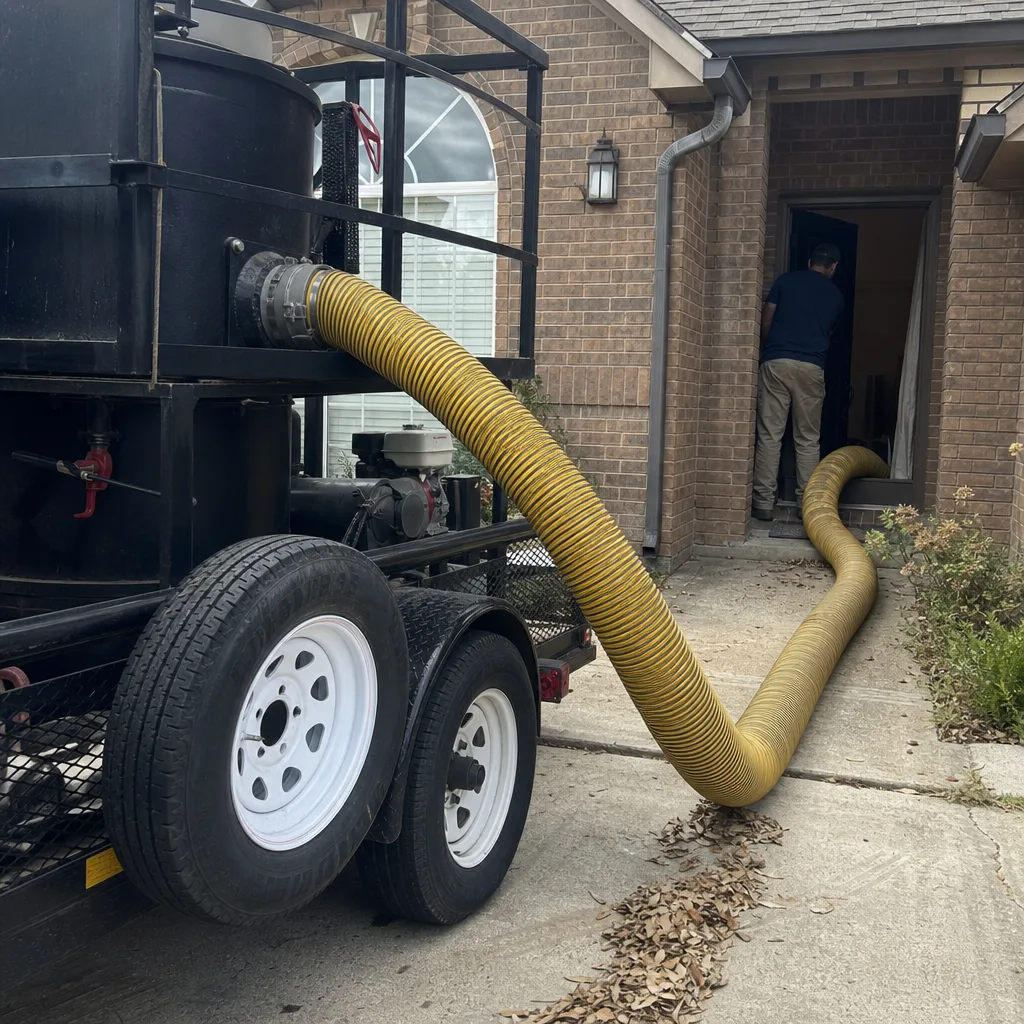
- Uneven airflow between rooms. When a register grille is clogged with debris, the system compensates by pushing more air through open paths. In Spring, we often trace this to pollen accumulation at the first elbow after the plenum, especially in homes near Klein Oak or the older sections of Gleannloch Farms where the HVAC runs are longer.
- Visible debris behind the vent cover. If you remove the register and see a packed ridge of gray lint and drywall dust at the boot connection, the grille hasn’t been sealing properly. That gap pulls attic or wall cavity air into the return, and the debris builds because the negative pressure is pulling from the wrong places.
- Musty or stale odor when the system cycles on. Abatement Technologies grilles with degraded gaskets can allow moisture and microbial growth at the flange. The smell hits when airflow disturbs what’s growing in that trapped debris. We photograph this with our borescope before quoting - the camera doesn’t negotiate.
- Whistling or high-pitched noise at the register. This usually means the grille is partially obstructed and air is being forced through a narrowed opening. The pressure drop can strain the blower motor over time, and we’ve found bent fins on Abatement Technologies aluminum grilles that were cleaned improperly with standard household brushes.
- Higher-than-expected energy bills with no thermostat change. Restricted registers force the system to run longer to hit temperature. In Spring’s cooling-heavy climate, this shows up on the July bill before the homeowner connects it to ductwork. We check static pressure across the register bank to confirm.
BeforeAfterReplacement Cost & What’s Included
| Service Component | Price Range in Spring, TX |
|---|---|
| Standard register & grille cleaning (1 system, up to 12 registers) | $280-$340 |
| Heavy debris / construction cleanup (newer homes, post-renovation) | $340-$420 |
| Additional return grille deep cleaning with negative-pressure extraction | $60-$90 per return |
| Gasket replacement on Abatement Technologies bolted grilles | $25-$40 per grille (parts included) |
The range depends on what the borescope shows: a routine cleaning where debris is loose and powdery takes less time than packed construction dust or pet hair wrapped around the register damper. Every quote is written and delivered before we touch a screw - Haven Standard Clause 1. The price covers full disassembly of each register, HEPA-contained brushing and negative-pressure extraction, reassembly with torque-checked fasteners, and the documented photo record of every run. The 365-Day Done Right Promise applies to the seal integrity and airflow balance we verify before leaving.
DIY or Call Us?
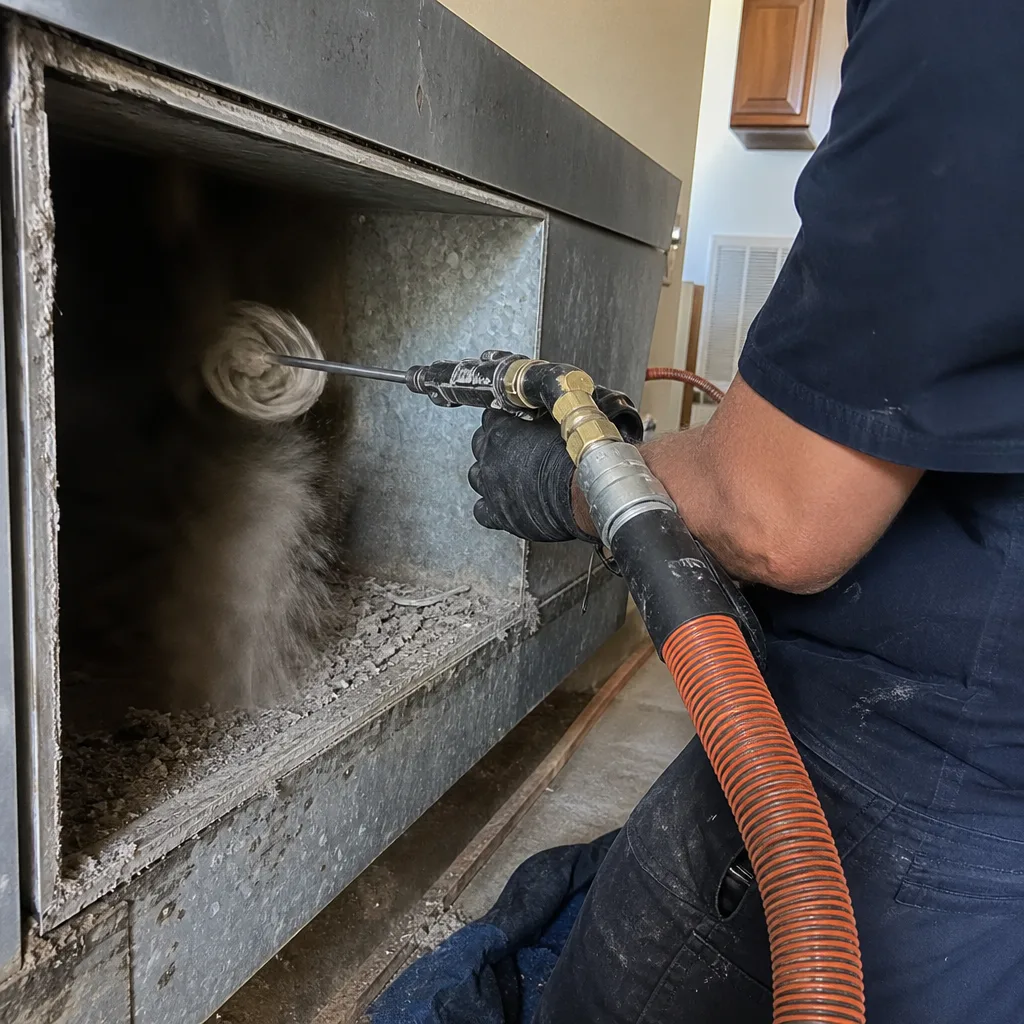
There’s a safe middle ground here. A homeowner can remove vent covers, vacuum the visible boot area with a soft brush attachment, and check that dampers open and close freely - that’s maintenance, not repair, and it won’t void anything. Where DIY goes wrong is forcing a brush too far into the duct run and compacting debris at the first elbow, or using a shop vac without HEPA containment and redistributing fine particulate through the house. Abatement Technologies grilles on negative-pressure systems also have specific torque specs on the bolts; overtighten and you’ll distort the flange, undertighten and you’ll leak pressure.
We don’t recommend disassembling the plenum or working on the return side without proper containment - that’s where the concentrated debris lives, and disturbing it without negative-pressure control can load your indoor air for hours. If your inspection shows packed buildup past the first six inches of duct, or if the register gasket is crumbling, call us at (346) 423-3631. We’ll show you the borescope footage, write the price, and do the work with the right equipment.
FAQs
In Spring’s climate, with heavy pollen seasons and clay-heavy soil that tracks fine dust, we recommend inspection every 3 to 4 years for standard residential systems. Homes with pets, recent construction, or proximity to active development - like the newer builds along Spring Stuebner or the Grand Parkway corridor - may need attention every 2 years. Call (346) 423-3631 and we’ll check your system with the borescope at no charge to tell you where you actually stand.
Cleaning is the repair for debris buildup. If the metal grille itself is cracked, the damper mechanism is seized, or the gasket is degraded beyond reuse, then replacement of that specific component is necessary - we stock common Abatement Technologies sizes and can source OEM or equivalent parts. We photograph the damage and show you before quoting anything.
A standard residential system with 8 to 12 registers takes 2.5 to 4 hours, depending on debris load and accessibility. We work room by room with containment, so you’re not sitting in a construction zone. The documented photo record is delivered before we leave.
Yes - our trucks carry Abatement Technologies-compatible brushes, gasket sets, and torque-spec fasteners as standard inventory. For less common grille sizes or older series units, we can typically source parts within 24 hours through our trade suppliers. We also stock parts for Lennox, Trane, and Carrier systems on the same trucks.
Written by Tomas Reyes, Owner, CleanRun Air Duct Cleaning Spring at CleanRun Air Duct Cleaning Spring, serving Spring and nearby areas.