
Whole-system duct and dryer vent check with before-and-after photos - you see exactly what came out of your vents
That "$99 whole-house special" is a bait ad - the real number appears once they are in your hallway, or the "clean" is a shop-vac at the register. We photograph the inside of your ducts before and after instead.
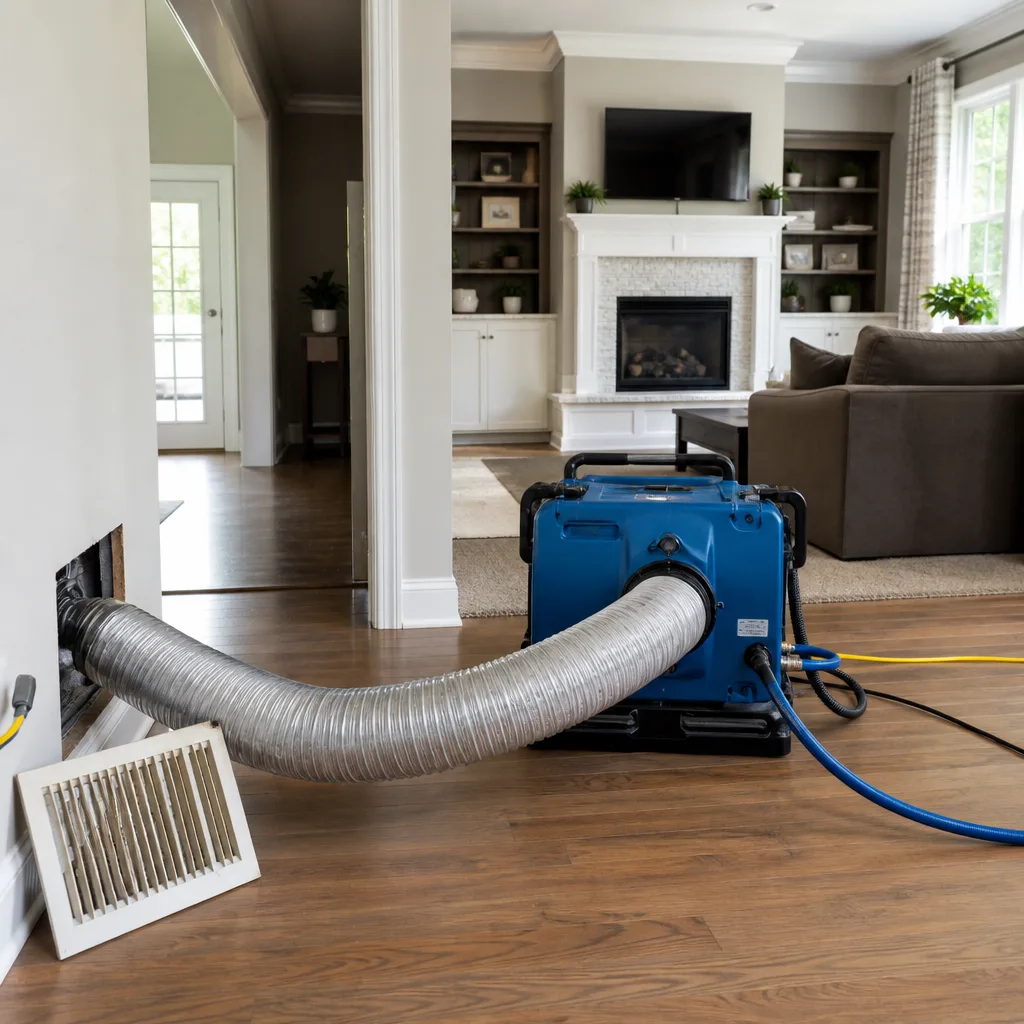
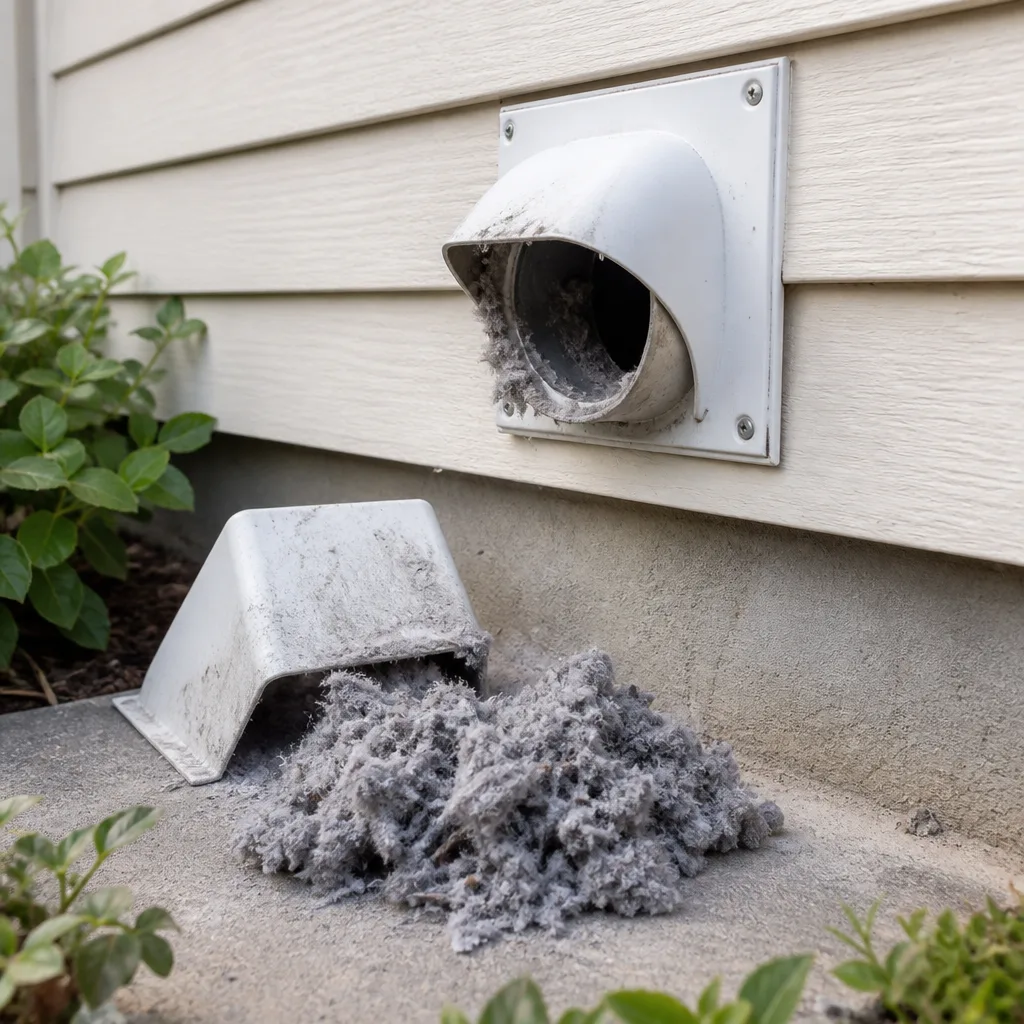
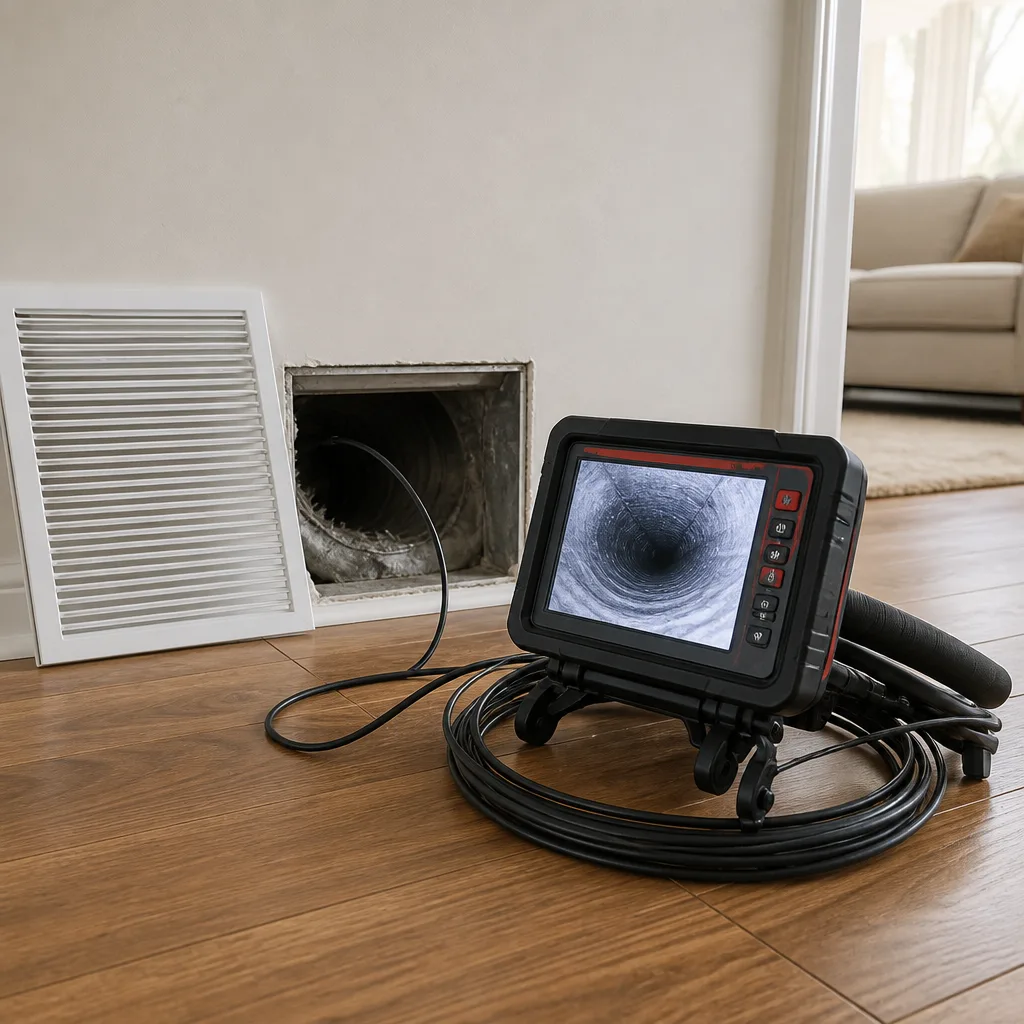
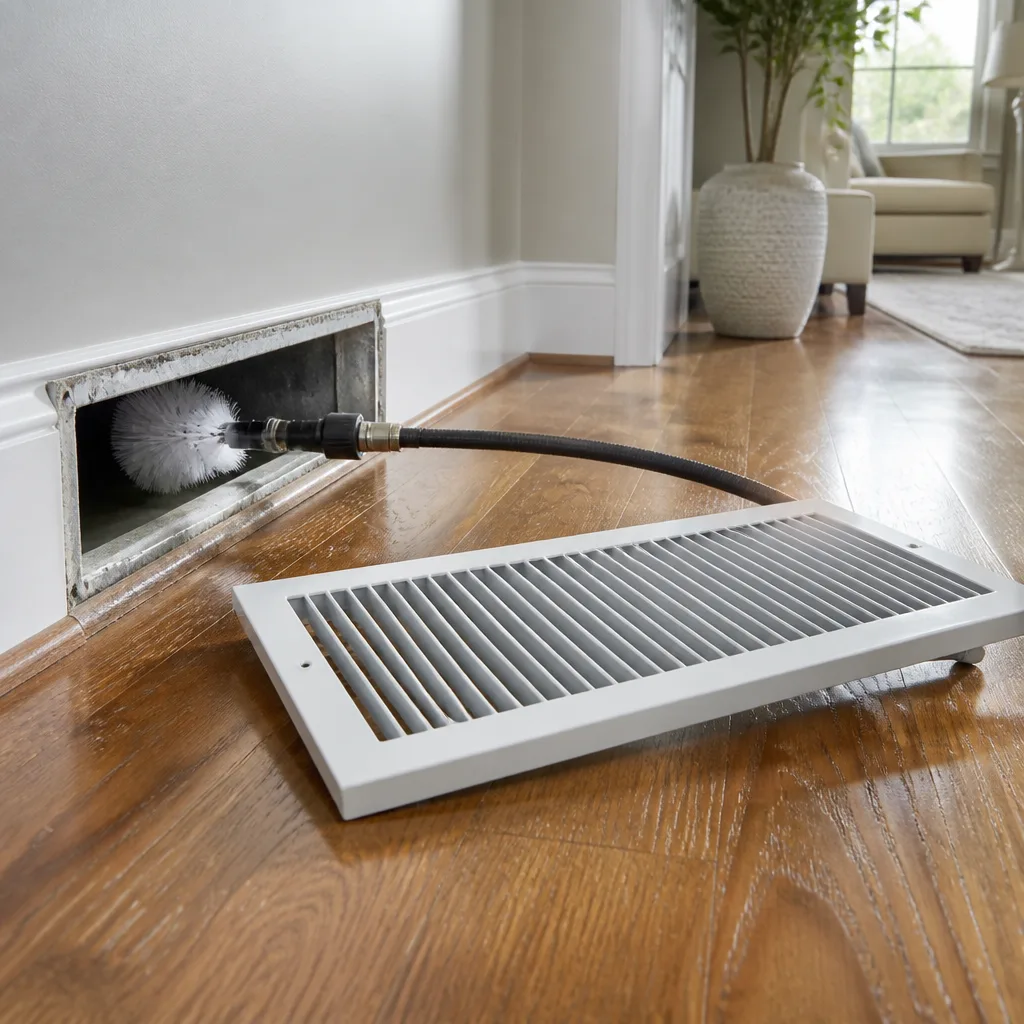
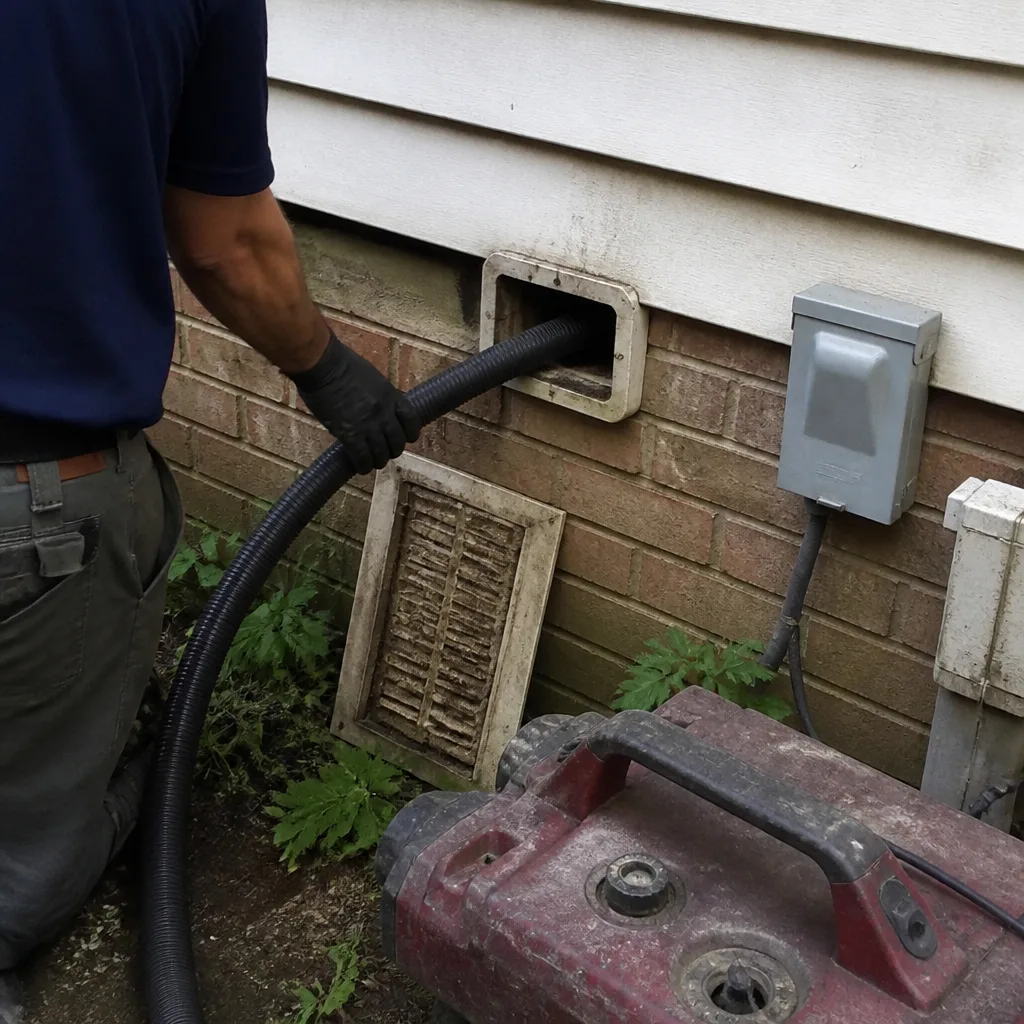 Before
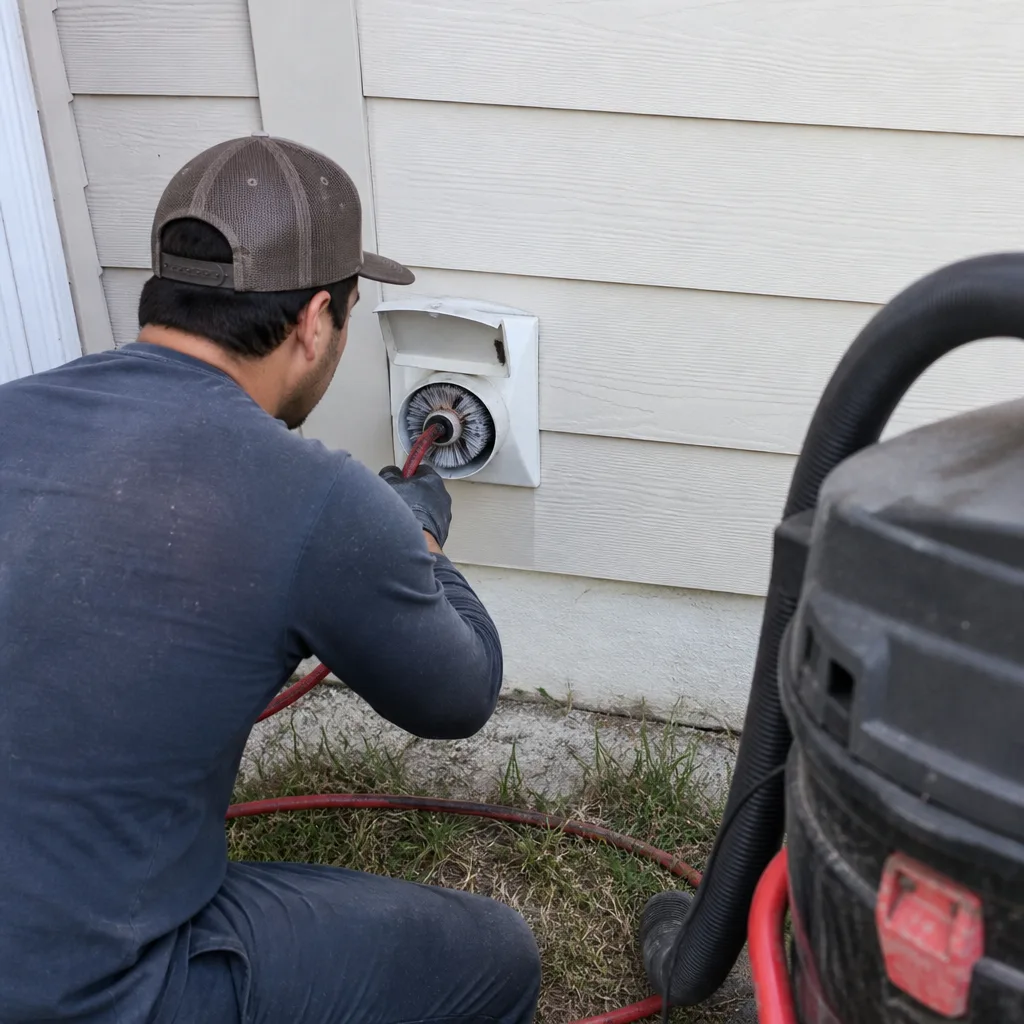 After
After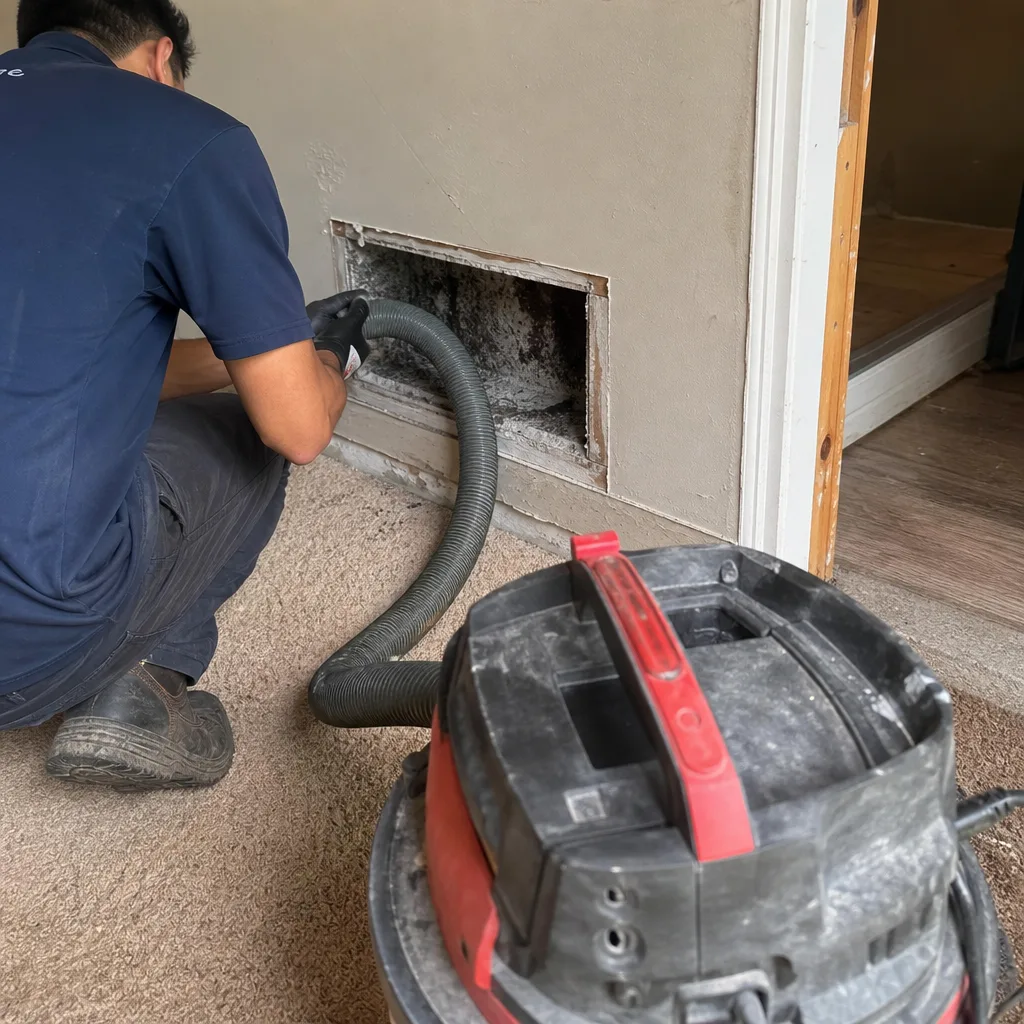 Before
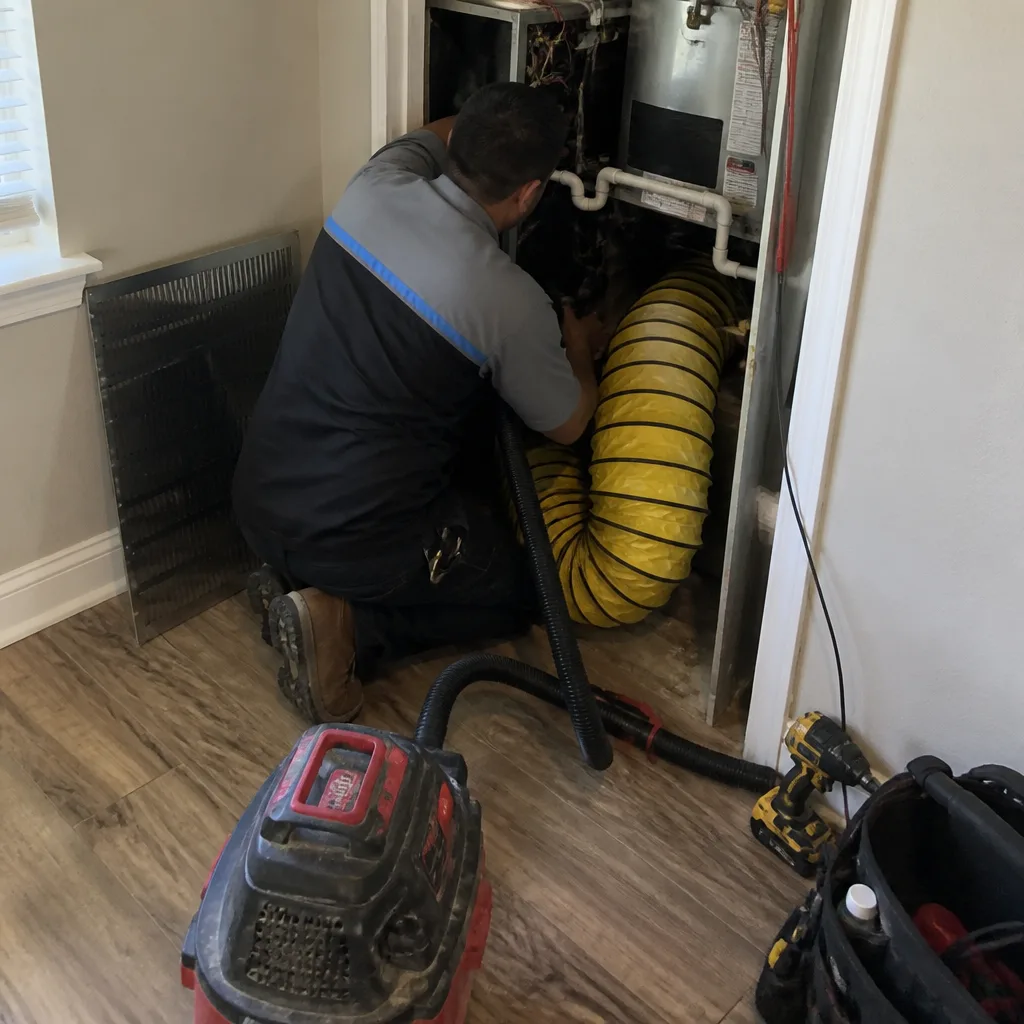 After
After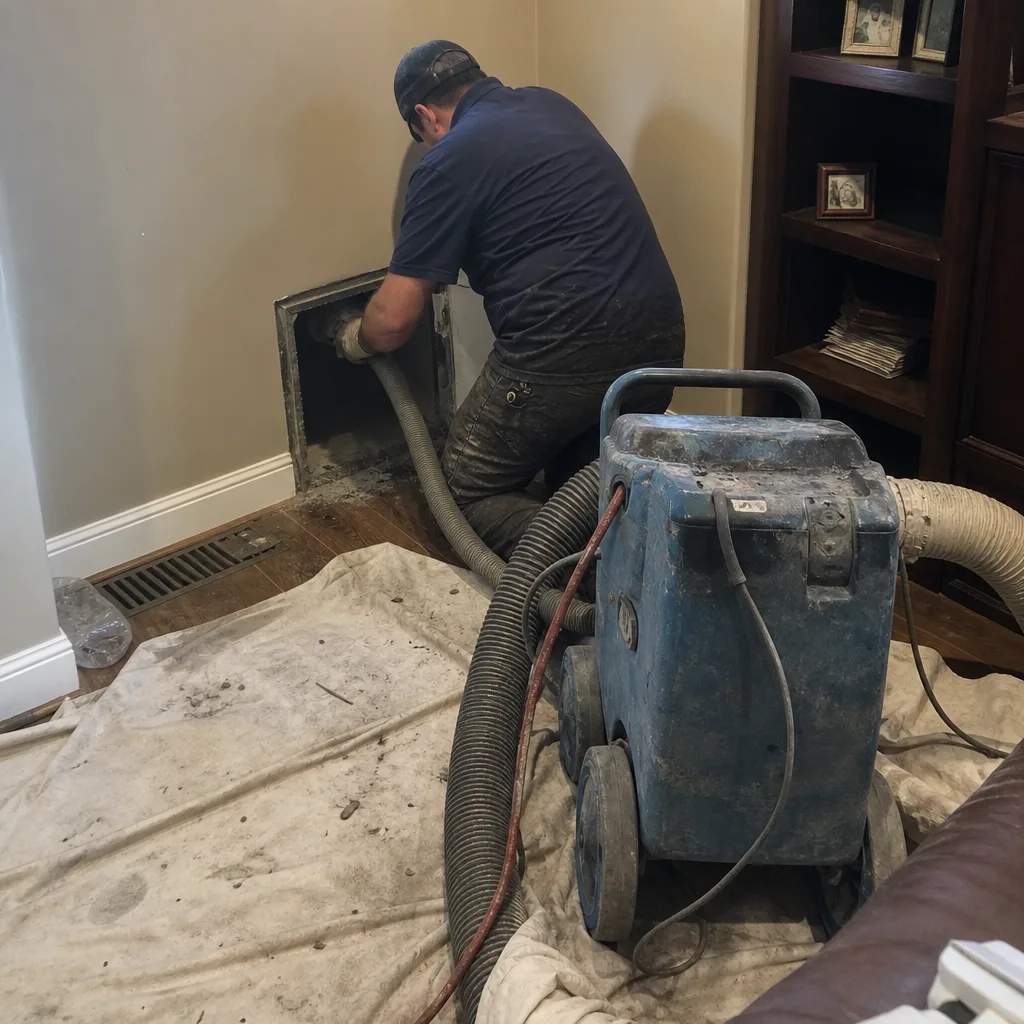 Before
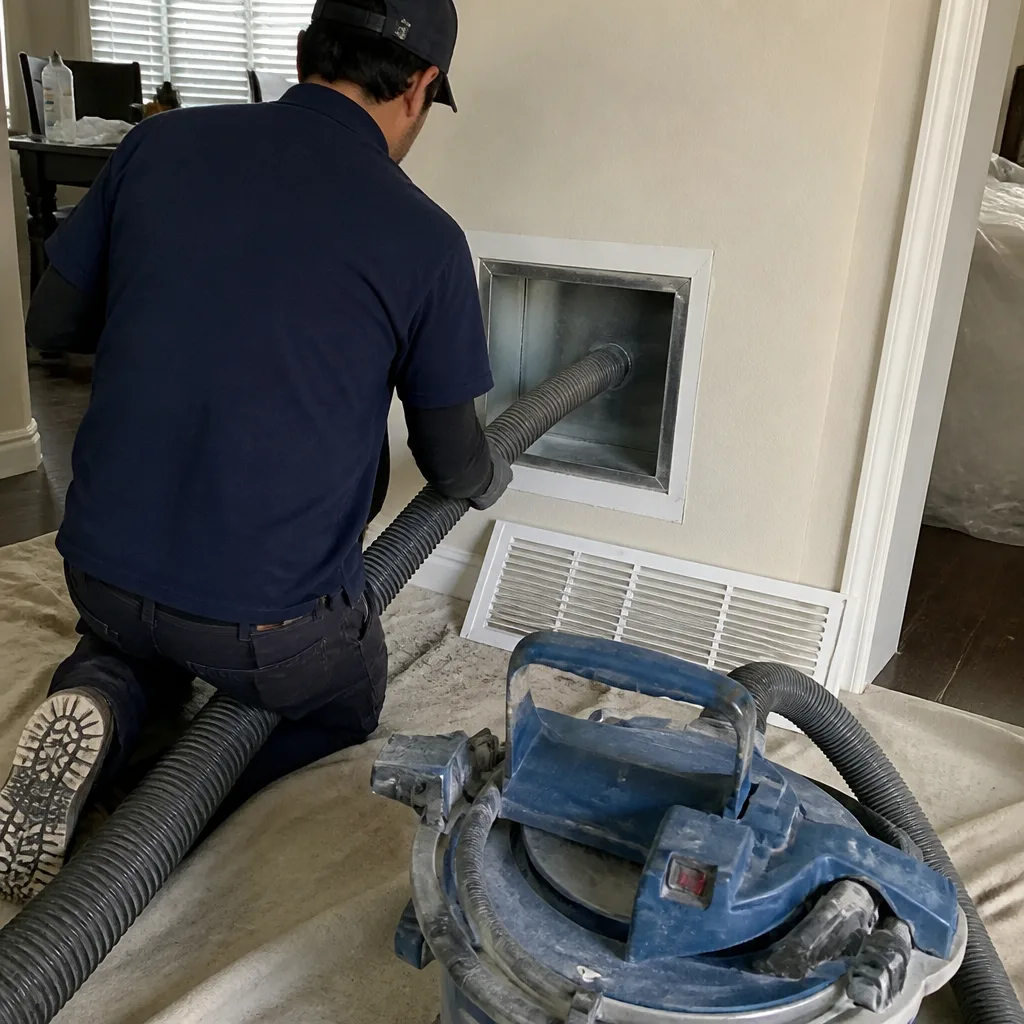 After
AfterAbatement Technologies Coil Cleaning: The Spring Owner’s Guide
Abatement Technologies coil cleaning in Spring typically runs $280-$520 for a full evaporator or condenser coil service, depending on access difficulty and contamination level. We stock Abatement Technologies-compatible coil cleaning compounds, fin combs, and replacement hardware on every truck, and most residential jobs in Spring, Gleannloch Farms, and the Windrose area are completed in a single visit. Homeowners usually discover the problem when their HVAC technician points out restricted airflow across the coil during a seasonal tune-up, or when their energy bill climbs without explanation and the indoor humidity won’t drop.
Which Abatement Technologies Models This Applies To
Abatement Technologies builds coil cleaning equipment and HVAC accessories across several product lines, and matching the right service approach to your specific unit matters more than most owners realize. The CAP600 series portable air scrubbers, HEPA-AIRE models, and PAS2400 portable units each use different coil geometries and fin densities that determine both cleaning compound selection and the pressure settings we use during foaming application.
To identify your unit, check the data plate on the blower housing or the side panel of the air handler. You’ll need the model prefix - CAP, HEPA-AIRE, or PAS - plus the fin count per inch, which is stamped near the refrigerant line connections. The CAP600-UV uses 14 fins per inch in a lanced sine-wave pattern that traps debris differently than the 10-fpi corrugated fins on older HEPA-AIRE SA2000 units. We carry foaming cleaners rated for both densities, plus non-acidic formulations for coated coils common in units manufactured after 2019.
OEM Abatement Technologies cleaning compounds are available, though we’ve found the Nikro and Rotobrush aftermarket formulations perform identically in Spring’s high-humidity environment at roughly 30% lower parts cost. We document which compound we use on your written scope, so you can verify the specification independently.
Signs Your Abatement Technologies Coil Cleaning Is Failing
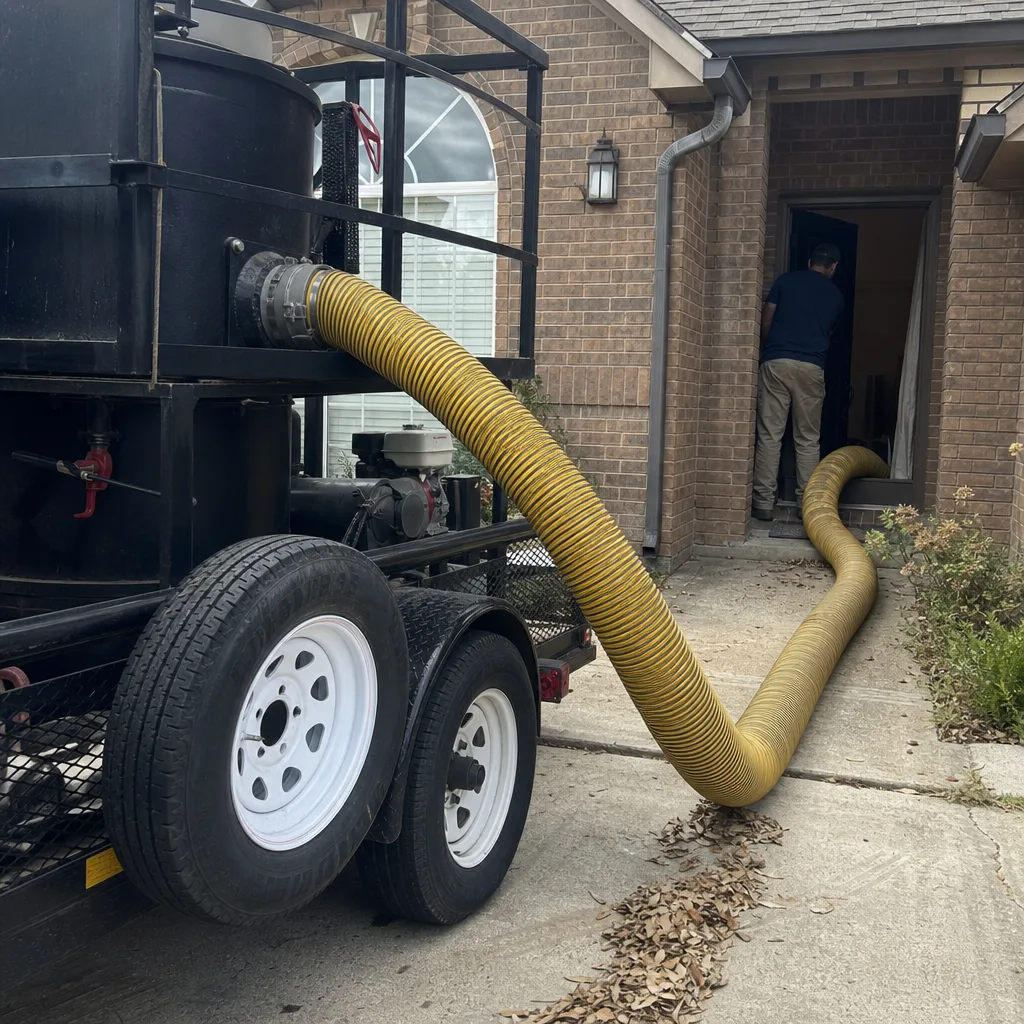
- Ice formation on the evaporator coil. When fins are clogged with pollen, sheetrock dust, or the fine clay particulate common in Spring’s Gleannloch Farms area, airflow drops below the 350 CFM per ton minimum. The coil temperature falls below 32°F and frost accumulates, eventually blocking airflow entirely.
- Longer cooling cycles with poor humidity removal. A contaminated coil can’t transfer latent heat effectively. The compressor runs longer, the supply air feels muggy, and the house never quite reaches the thermostat setpoint even though the unit is sized correctly.
- Unusual odors from supply registers. Microbial growth on a wet coil produces a musty, locker-room smell that distributes through every duct run. In Spring’s climate, we’ve seen this develop within a single cooling season when the coil was never properly cleaned after construction debris passed through the return.
- Visible fin corrosion or flattening. The camera shows bent fins, white oxidation on copper tubing, or black mold staining between the rows. Once fins are flattened beyond 20% of their surface area, no amount of cleaning restores full airflow - fin combing or partial coil replacement becomes necessary.
- Water leaking from the air handler cabinet. A dirty coil causes uneven condensation drainage. Water overflows the pan, trips the float switch, or rots the cabinet base. We’ve pulled units in Spring where the secondary pan had rusted through because the primary drain was blocked by algae fed by years of organic buildup on the coil.
BeforeAfterReplacement Cost & What’s Included
| Service Level | Price Range | What’s Included |
|---|---|---|
| Standard coil cleaning (accessible) | $280-$380 | Foaming application, fin straightening, drain pan treatment, before/after photo record |
| Deep restoration (heavy contamination) | $380-$520 | Multiple compound cycles, blower wheel pull & clean, UV light assessment, full system photo documentation |
| Coil replacement (when cleaning won’t restore) | $1,200-$2,400 | Refrigerant recovery, coil swap, pressure test, recharge, 365-Day Done Right Promise |
What drives the range: coil location (attic units in Spring’s older Windrose homes require more labor than garage-mounted systems), contamination severity, and whether the blower assembly needs removal for access. Every price is written before work starts under Haven Standard Clause 1. No per-vent add-ons, no surprise charges once we’re on site.
The 365-Day Done Right Promise covers the workmanship. If the coil ices again because we missed a restriction, or if the drain backs up from incomplete pan cleaning, we return and make it right - backed in writing, not subject to manager approval.
DIY or Call Us?
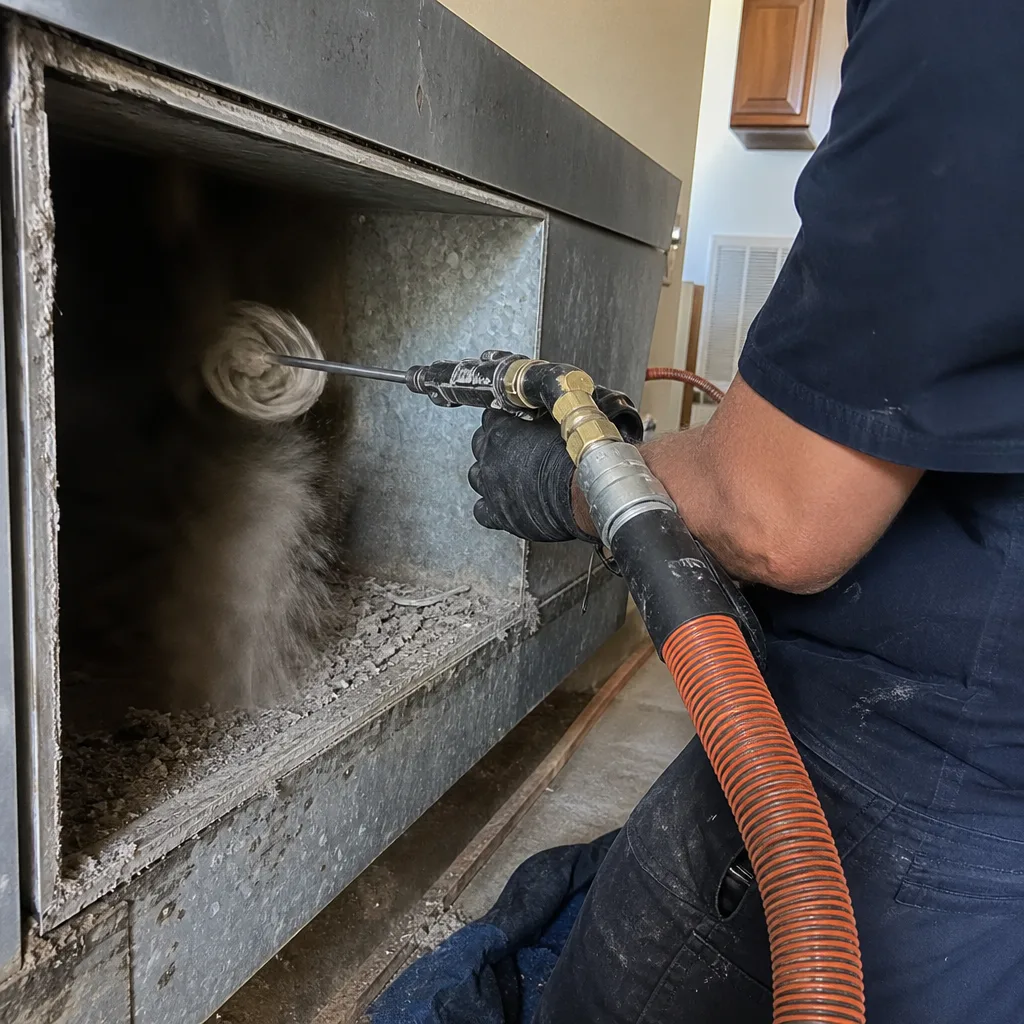
There’s a safe middle ground here. A homeowner can inspect the coil through the access panel with a flashlight, check the filter condition, and verify that return grilles aren’t blocked by furniture or closed dampers. If the filter looks like a welcome mat, the ductwork usually does too.
Where DIY goes wrong: foaming cleaners from hardware stores are often too alkaline for aluminum fins and will void any remaining warranty. Pressure washers - even “low pressure” garden hose attachments - fold fins at the rate of dozens per second. And refrigerant lines are easy to kink when removing panels in tight attic spaces. The coil itself isn’t high-tension dangerous like a garage door spring, but the refrigerant system is unforgiving of mistakes that cost $800+ to recover and recharge.
We pull camera footage before we quote anything. The camera doesn’t negotiate. You’ll see exactly what we see - fin condition, debris depth, any corrosion - before you decide. Call (346) 423-3631 for a free estimate with written pricing.
FAQs
In Spring’s pollen-heavy, humid climate, a properly cleaned coil typically stays clear for 18 to 30 months if the filter is changed on schedule. Homes near construction or with return leaks in the attic - common in Gleannloch Farms’ 1990s-era builds - may need annual attention. Call (346) 423-3631 and we’ll show you what’s actually in your system before recommending a schedule.
Cleaning is the repair for contamination; once fins are corroded through or the copper tubing has pinholes from formicary corrosion, the coil must be replaced. We photograph the damage and explain which category you’re in before any work starts. Call (346) 423-3631 for a free second opinion on any written estimate you’ve already received.
Most residential Abatement Technologies coil cleanings take 90 minutes to 2.5 hours, including setup, photo documentation, and system testing. Attic units or systems requiring blower removal add 45 to 60 minutes. We schedule a specific arrival window, not an all-day block.
Yes - we carry foaming cleaners, fin combs, drain pan tablets, and replacement hardware for Abatement Technologies units on every service vehicle. For coil replacements, we verify dimensions on site and source the exact match; most arrive within 24 hours. We also stock parts for Lennox, Trane, and Carrier systems. CleanRun Air Duct Cleaning Spring is an independent service provider and is not affiliated with Abatement Technologies.
Written by Tomas Reyes, Owner, CleanRun Air Duct Cleaning Spring at CleanRun Air Duct Cleaning Spring, serving Spring and nearby areas.