
Whole-system duct and dryer vent check with before-and-after photos - you see exactly what came out of your vents
That "$99 whole-house special" is a bait ad - the real number appears once they are in your hallway, or the "clean" is a shop-vac at the register. We photograph the inside of your ducts before and after instead.
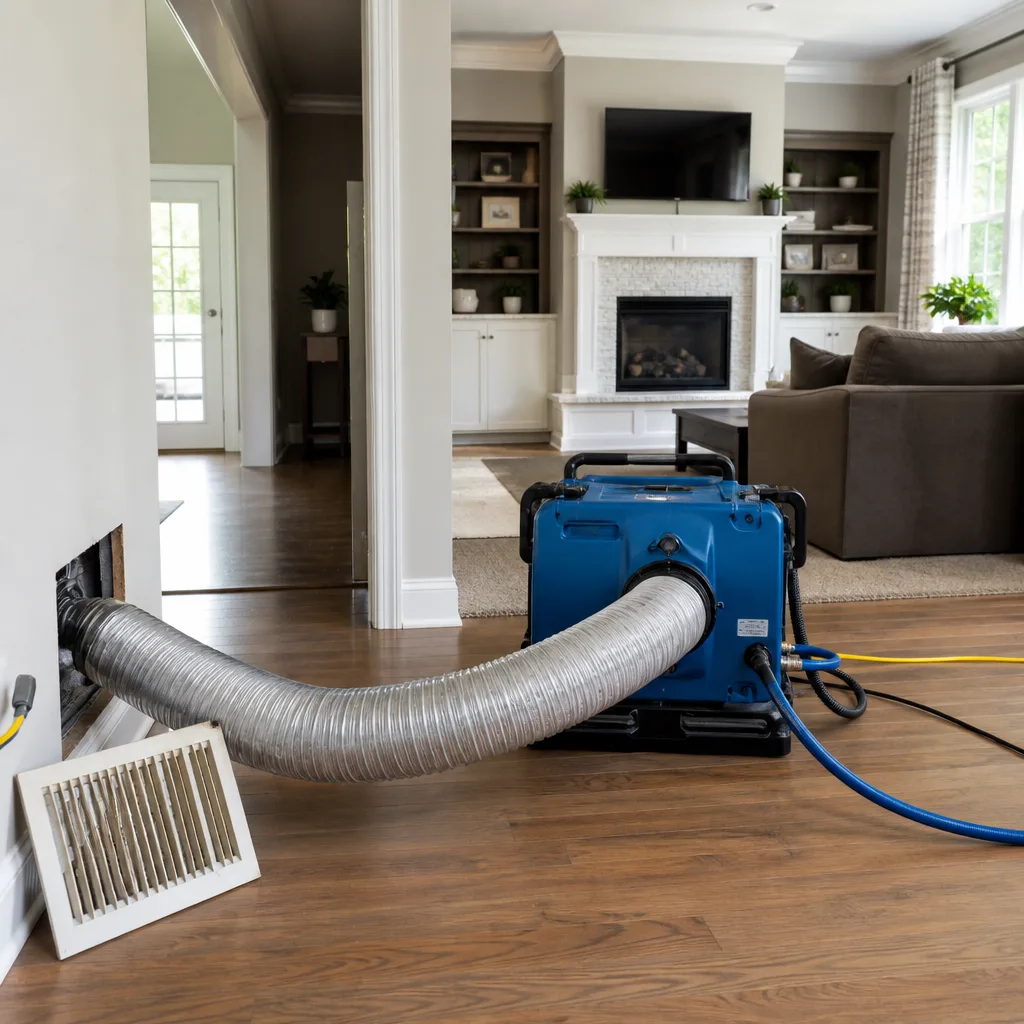
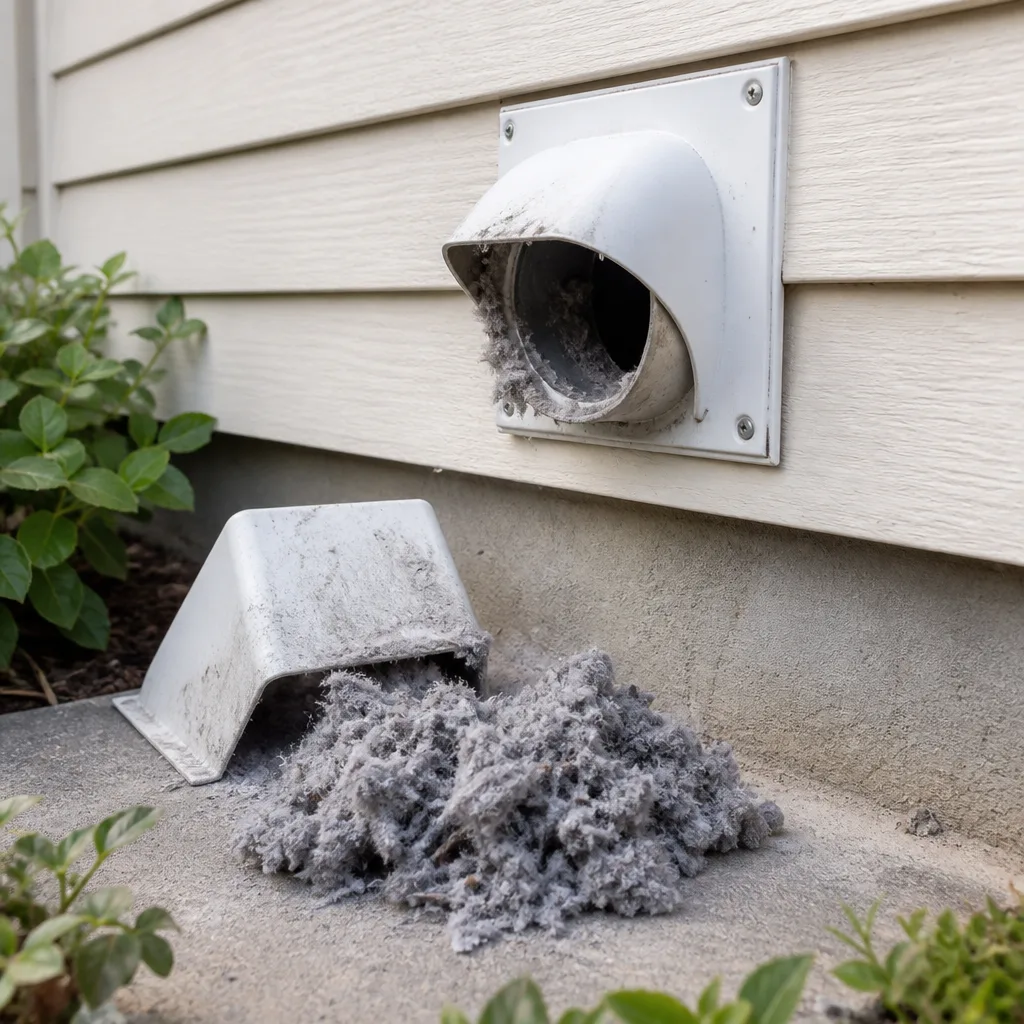
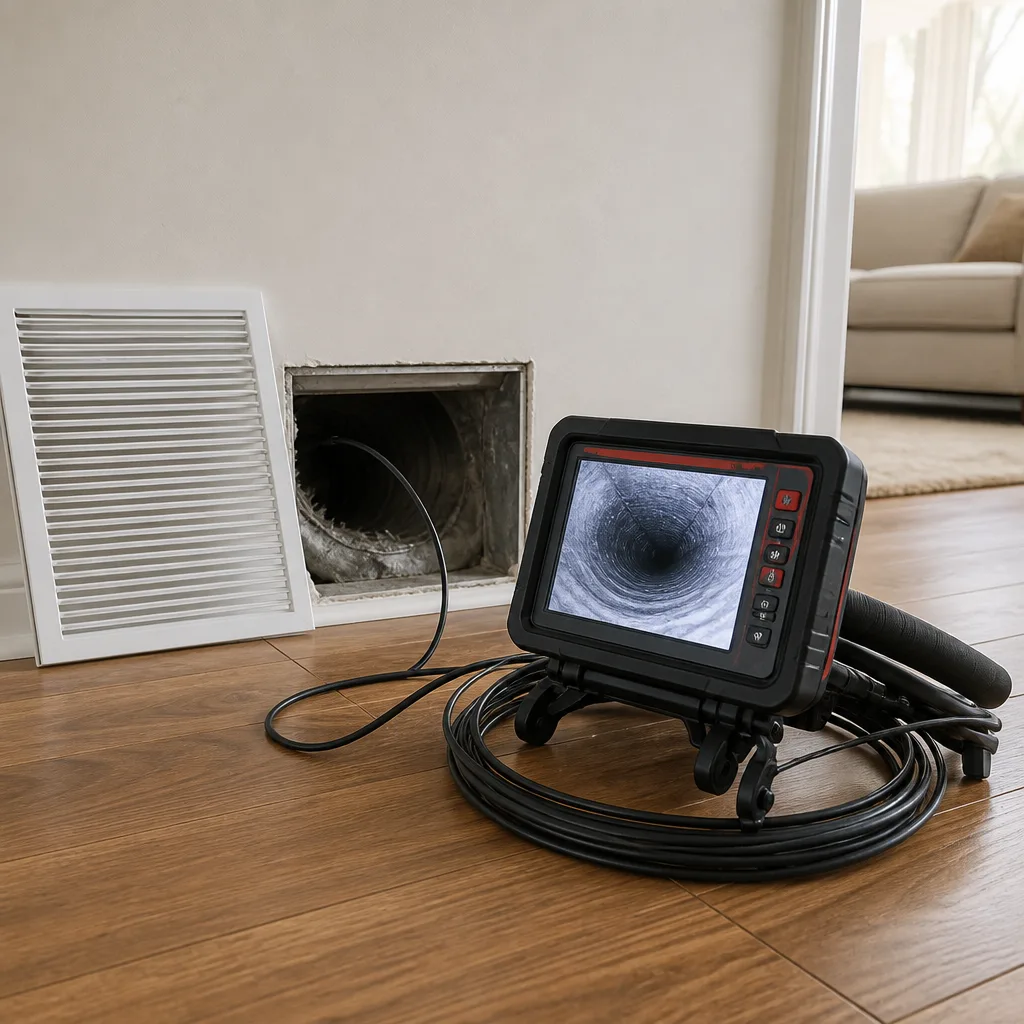
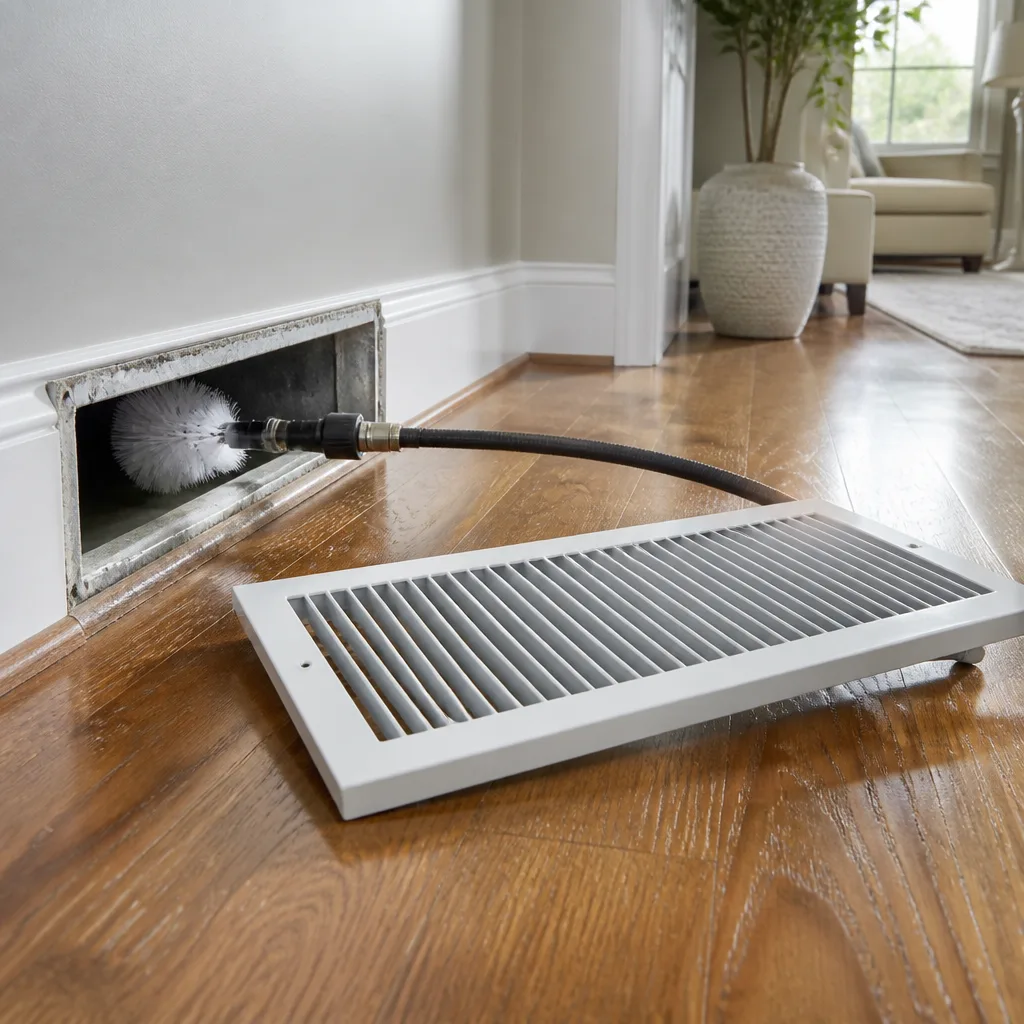
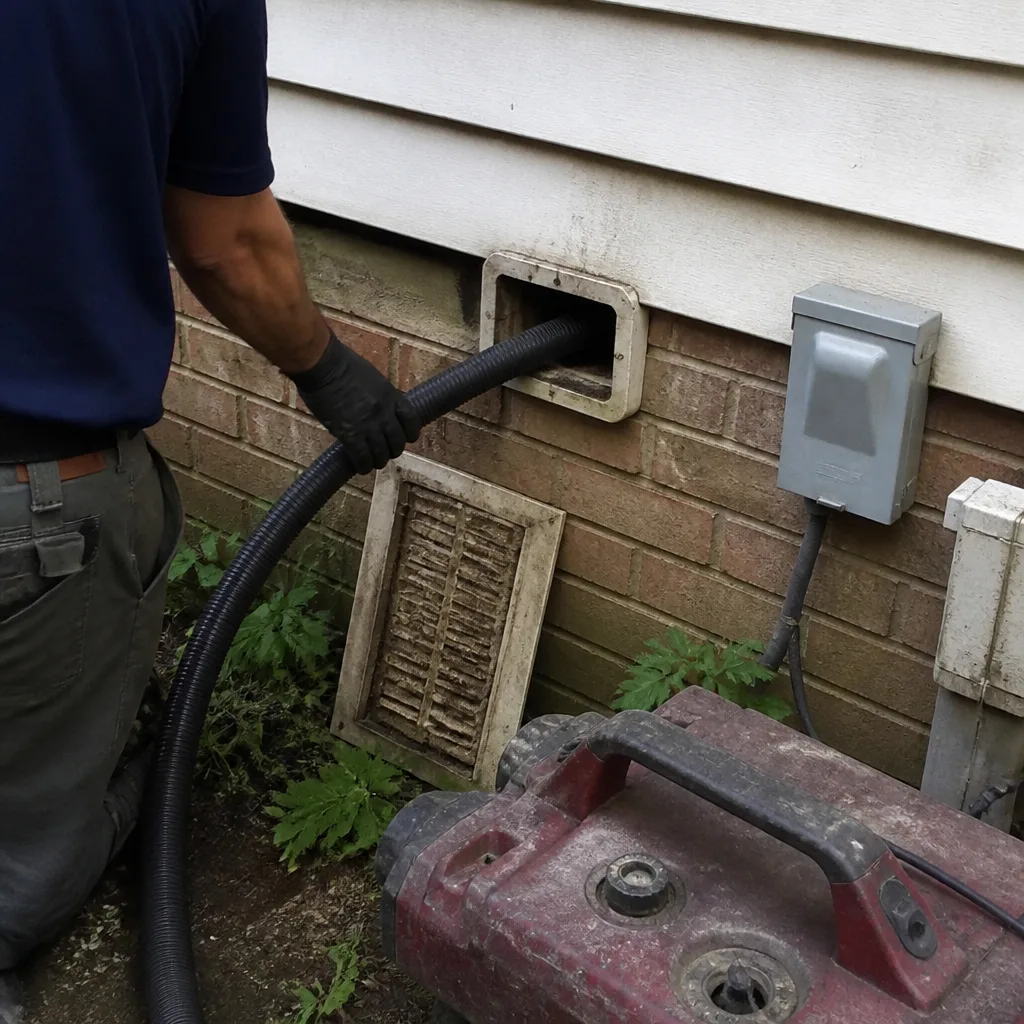 Before
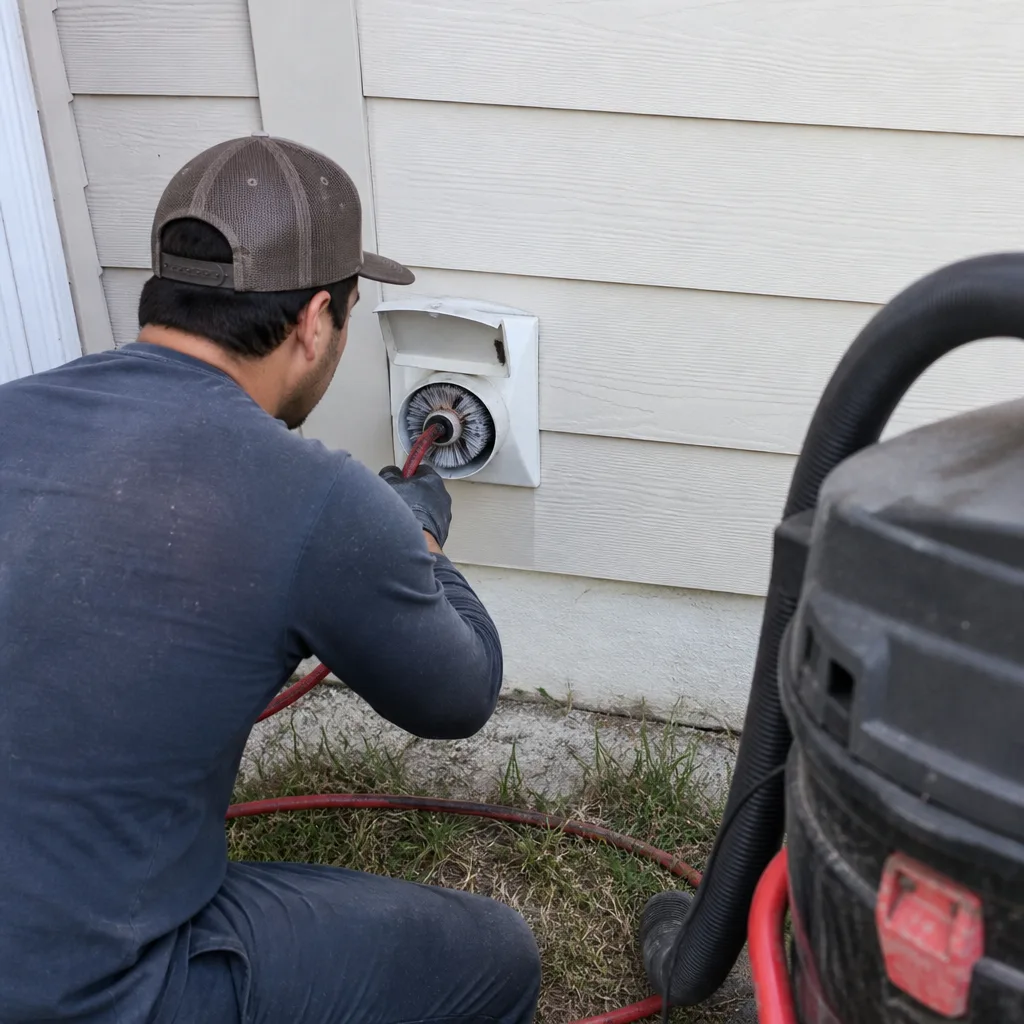 After
After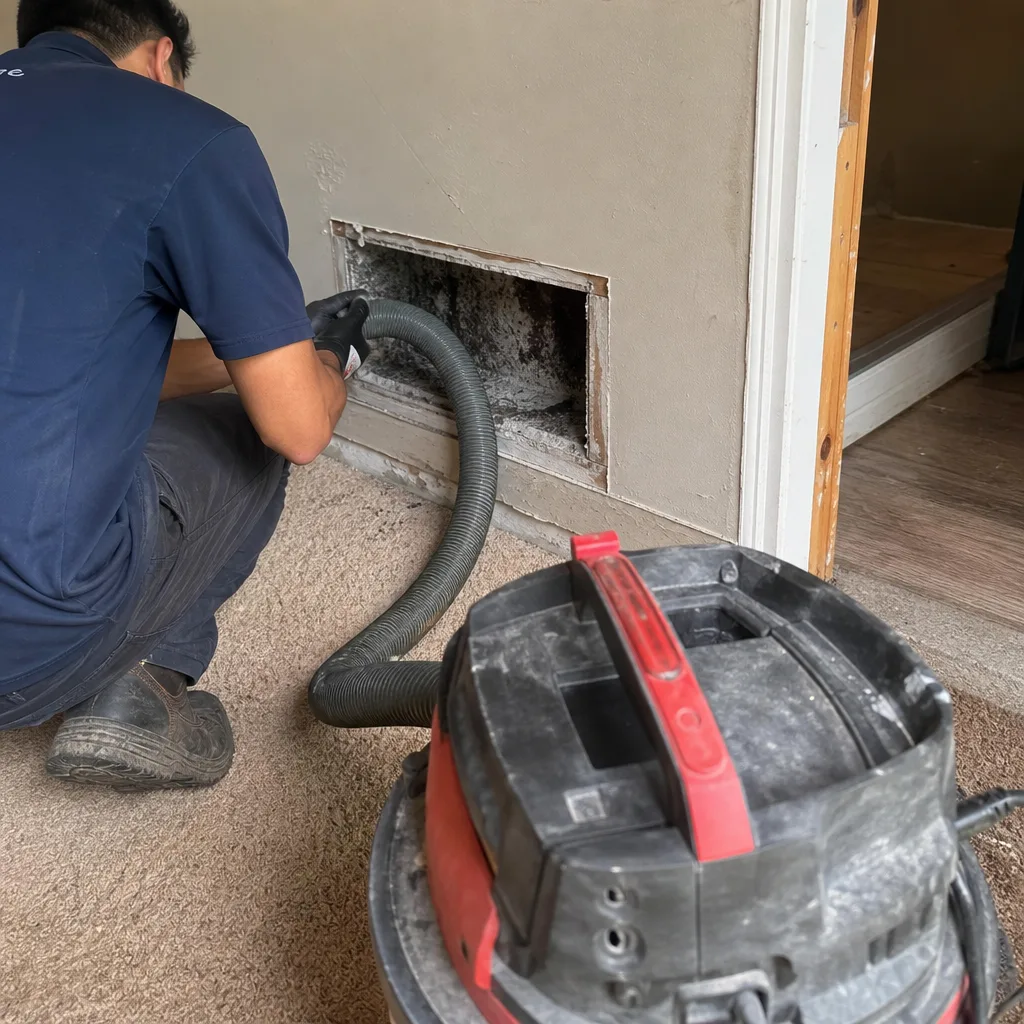 Before
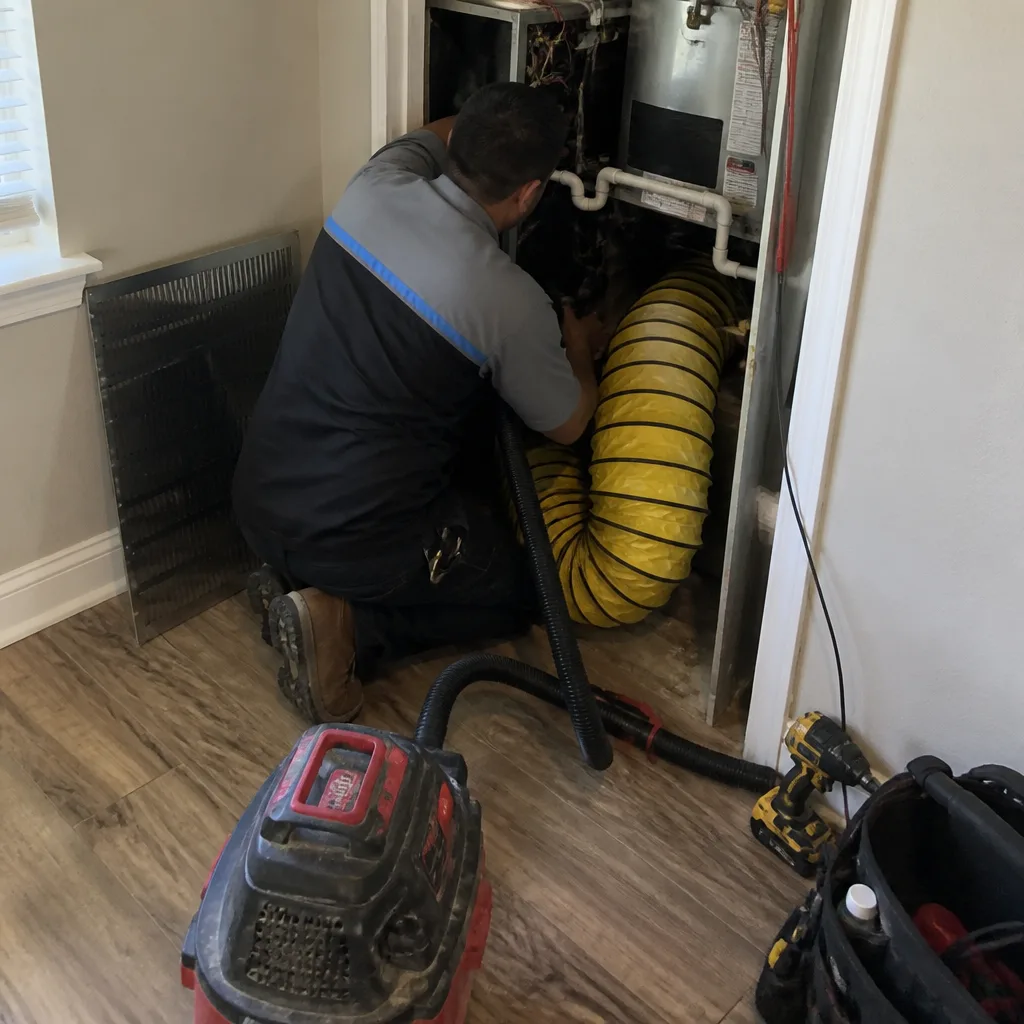 After
After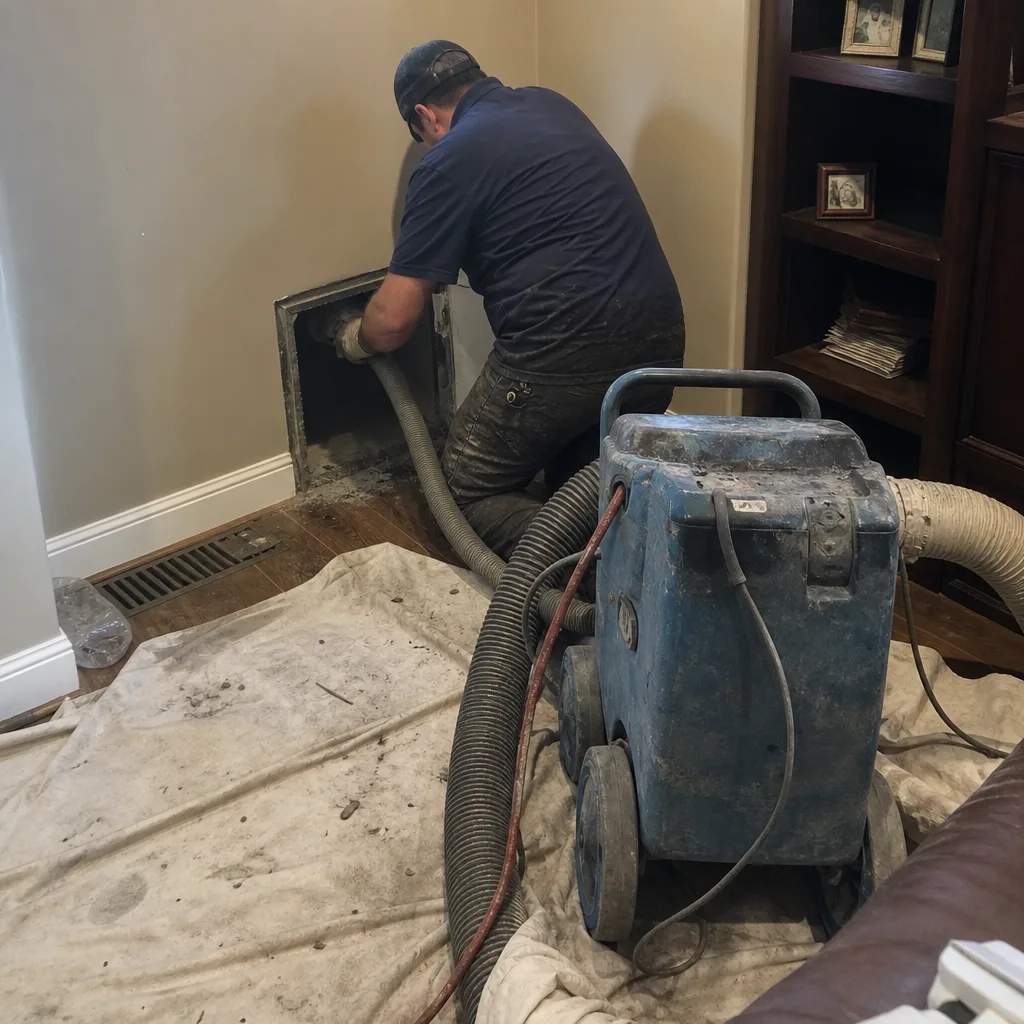 Before
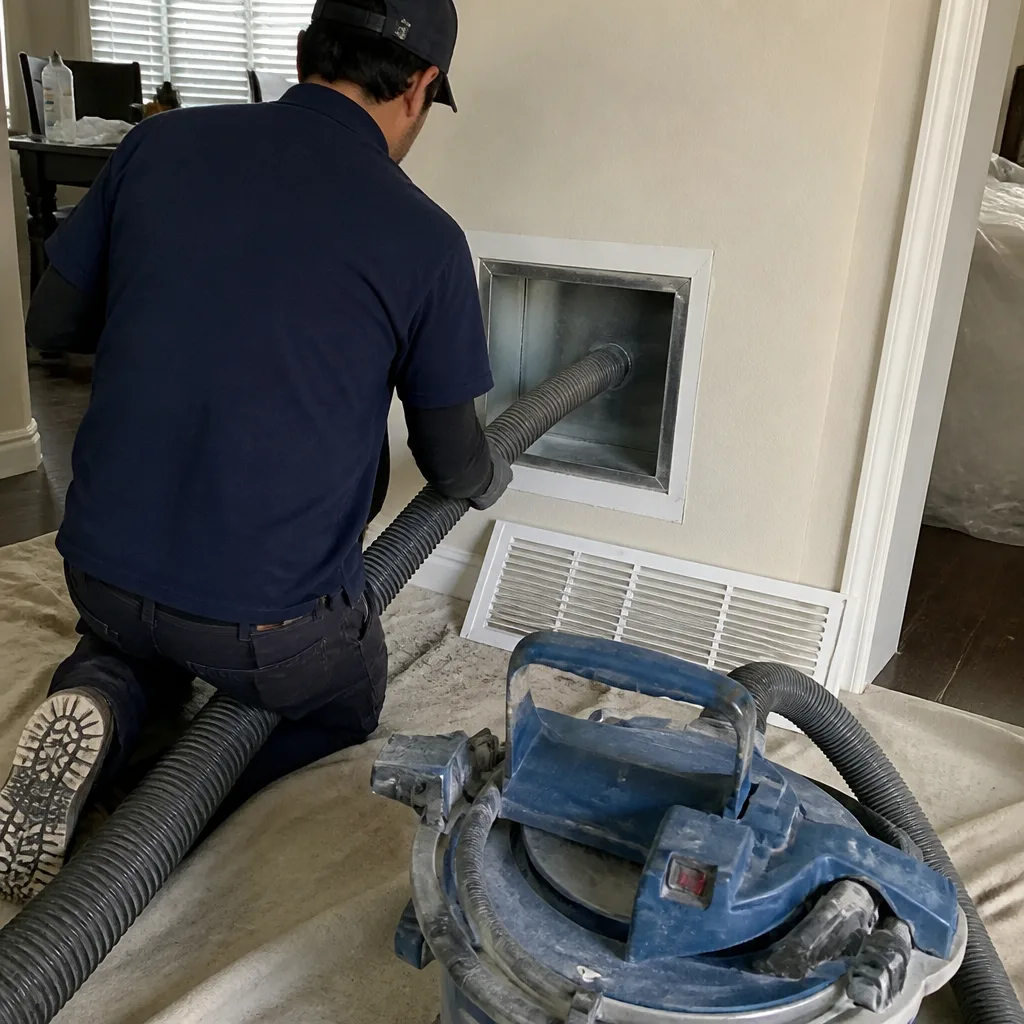 After
AfterRotobrush Coil Cleaning: The Spring Owner’s Guide
Rotobrush coil cleaning in Spring typically runs $340-$580 for a full evaporator or condenser coil service on residential systems up to 5 tons, and we stock the full Rotobrush coil cleaning kit and compatible brush heads on every truck. Most Spring homeowners discover their coil needs attention when their AC runs constantly but the house won’t drop below 78 degrees, or when they notice a musty, wet-cardboard smell pushing through the registers. That smell usually means the coil has enough biofilm buildup that air is passing over slime, not metal.
Which Rotobrush Models This Applies To
Rotobrush coil cleaning attachments fit the Rotobrush BrushBeast series, the Classic Duct Cleaner (CDC), and the newer AIr+ models - but the coil-specific kits are not universal across all three. The BrushBeast uses a 12-inch flexible shaft with a keyed quick-connect; the CDC and AIr+ share a smaller 8-inch shaft with a threaded collar. If you’re holding a Rotobrush machine, check the shaft port behind the motor housing: keyed slot means BrushBeast, threaded means CDC/AIr+.
We carry both OEM Rotobrush coil kits and the Abatement Technologies equivalent, which uses the same 0.010-inch nylon bristle spec but costs about 15% less. The aftermarket brushes hold up fine for residential evaporator cleaning in Spring’s humidity, though the OEM kit includes the angled adapter that helps with A-frame coils in tighter plenums. For Carrier, Trane, and Lennox systems with the coil mounted directly above the furnace - common in Gleannloch Farms builds from 2015 to 2020 - that angled adapter saves about twenty minutes of panel removal.
CleanRun Air Duct Cleaning Spring is an independent service provider and not affiliated with Rotobrush. We stock these parts because they’re what works, not because of any supplier arrangement.
Signs Your Rotobrush Coil Cleaning Is Failing
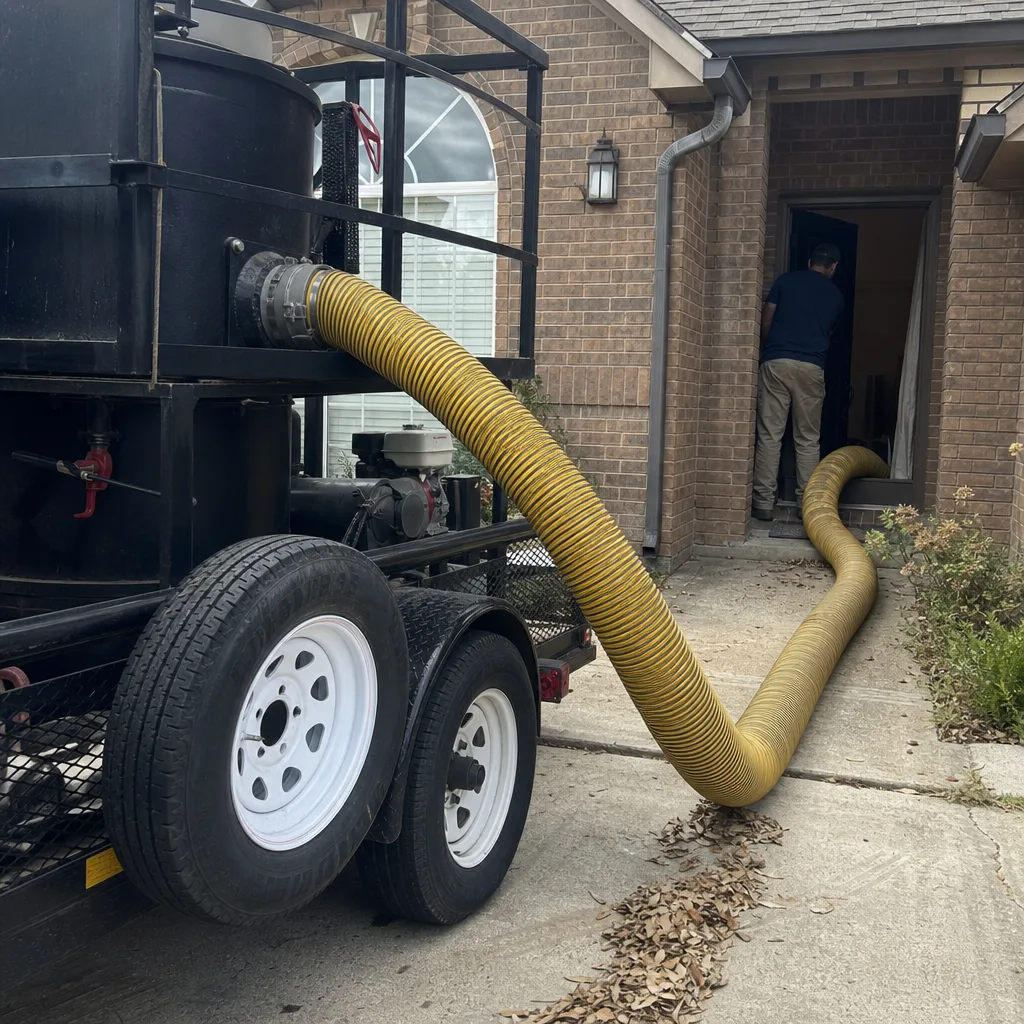
- Ice on the refrigerant lines or coil housing. When the evaporator coil can’t exchange heat because the fins are packed with dust and skin-cell debris, the refrigerant stays too cold and frost builds. In Spring, we see this most often on systems that haven’t had coil service since installation - the clay-heavy soil here generates fine particulate that slips through standard filters.
- Musty or sour smell from every register. Biofilm grows on the coil when moisture sits on organic debris. The Rotobrush coil cleaning kit is designed to break that film loose and extract it under negative pressure, not just push it deeper into the plenum.
- AC runs for hours without reaching set temperature. A dirty coil reduces heat transfer efficiency by 30% or more. The compressor keeps running, the electric bill climbs, and the house stays sticky. We logged one home near Cypresswood where the coil was so packed that the temperature split across the coil was only 4 degrees instead of the normal 18-22.
- Water pooling below the air handler. Restricted airflow across a dirty coil causes the condensate to freeze, then thaw in cycles. The overflow pan can’t handle the surge, and you get water in the secondary drain line or on the floor.
- Visible debris on the coil when you remove the access panel. If you can see gray fuzz or black streaking between the fins, the blockage is already past the point where a homeowner-grade foaming cleaner will reach the root of it. The Rotobrush system is built to agitate at the fin base, not just the surface.
BeforeAfterReplacement Cost & What’s Included
| Service | Price Range in Spring | What’s Included |
|---|---|---|
| Evaporator coil cleaning (Rotobrush system) | $340-$480 | Pre-service photo, coil agitation with Rotobrush head, negative-pressure extraction, post-service photo, written scope |
| Condenser coil cleaning (outdoor unit) | $280-$380 | Fin straightening if needed, chemical wash compatible with aluminum fins, debris removal from cabinet base |
| Both coils, same visit | $520-$580 | Full documented photo record of both, 365-Day Done Right Promise on workmanship |
The range depends on access: A-frame coils in a vertical plenum take longer than slab coils in an attic horizontal unit. Systems with secondary drain pans that have to be removed add labor. We deliver a written price before any work starts, under Haven Standard Clause 1, and that price is the price. No per-vent add-ons, no “we found something else” surprises.
Every coil cleaning job carries the 365-Day Done Right Promise in writing. If the smell returns or the ice rebuilds because the cleaning didn’t hold, we come back and make it right.
DIY or Call Us?
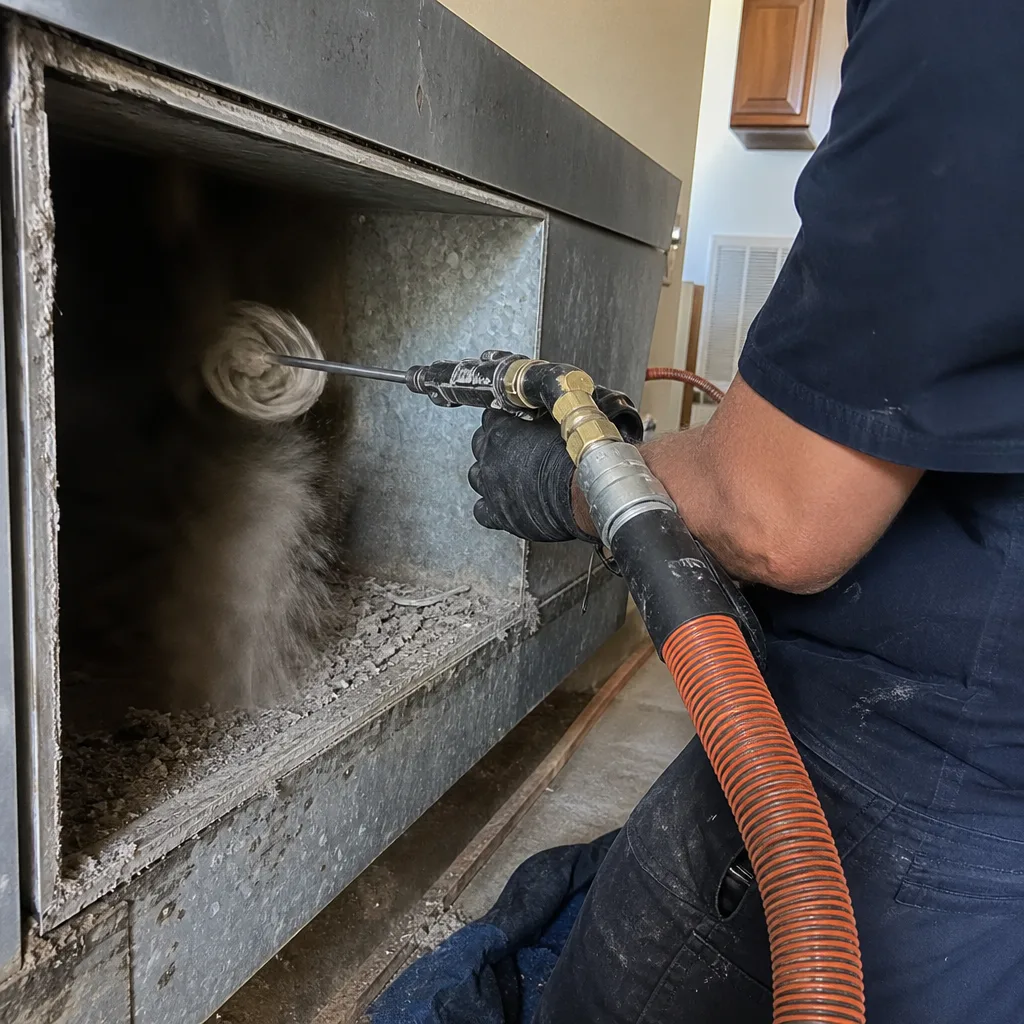
There’s a safe middle ground here. A homeowner can pull the filter, shine a flashlight on the coil through the access panel, and confirm whether the fins are visibly fouled. If the filter looks like a welcome mat, the ductwork usually does too. You can also check whether the condensate drain is flowing freely; a wet-dry vac on the exterior drain line will clear most clogs.
Where DIY goes wrong is the coil itself. Evaporator coils sit downstream of the blower in a plenum that’s often lined with foil-faced insulation. Aggressive brushing with non-Rotobrush tools flattens the aluminum fins permanently. Foaming cleaners that aren’t rinsed completely leave residue that attracts more debris. And on systems with TXV metering devices, it’s easy to damage the sensing bulb with a brush head that doesn’t have the right clearance profile.
The Rotobrush coil kit is built with a flexible shaft and controlled bristle stiffness specifically to avoid fin damage. If you’re not sure which shaft your machine takes, or if you don’t have negative-pressure extraction running while you agitate, you’re likely to make the problem worse. Call (346) 423-3631 and we’ll quote it in writing before we touch a panel.
FAQs
In Spring, with our combination of high humidity, pollen-heavy springs, and clay-soil dust, a properly cleaned coil stays clear for 18 to 30 months on average. Homes with pets or standard 1-inch fiberglass filters tend toward the shorter end. We recommend pairing coil cleaning with a MERV 11 or higher filter and checking it monthly.
No. Once the fins are packed with debris or corroded from prolonged biofilm exposure, the only fix is physical cleaning or coil replacement. Chemical cleaning without mechanical agitation rarely restores full airflow. If the fins are corroded through or the copper tubing has pinhole leaks from formicary corrosion, we quote coil replacement separately. Call (346) 423-3631 for an exact diagnosis - estimates are free.
A standard evaporator coil cleaning takes 90 to 150 minutes from arrival to final photo documentation. Condenser coils are faster, usually 45 to 75 minutes. Both together in one visit run about 2.5 to 3.5 hours. We don’t rush the extraction phase; if debris is still coming out of the plenum, we keep the negative-pressure machine running.
Yes. We carry both shaft sizes, the full brush head assortment, and the angled adapter for tight plenums on every service vehicle. If your coil cleaning reveals a failed component - a cracked drain pan, a corroded TXV, a blower wheel that’s out of balance - we stock common replacements for Carrier, Trane, and Lennox systems and can quote repair while we’re on site.
Written by Tomas Reyes, Owner, CleanRun Air Duct Cleaning Spring at CleanRun Air Duct Cleaning Spring, serving Spring and nearby areas.