
Whole-system duct and dryer vent check with before-and-after photos - you see exactly what came out of your vents
That "$99 whole-house special" is a bait ad - the real number appears once they are in your hallway, or the "clean" is a shop-vac at the register. We photograph the inside of your ducts before and after instead.
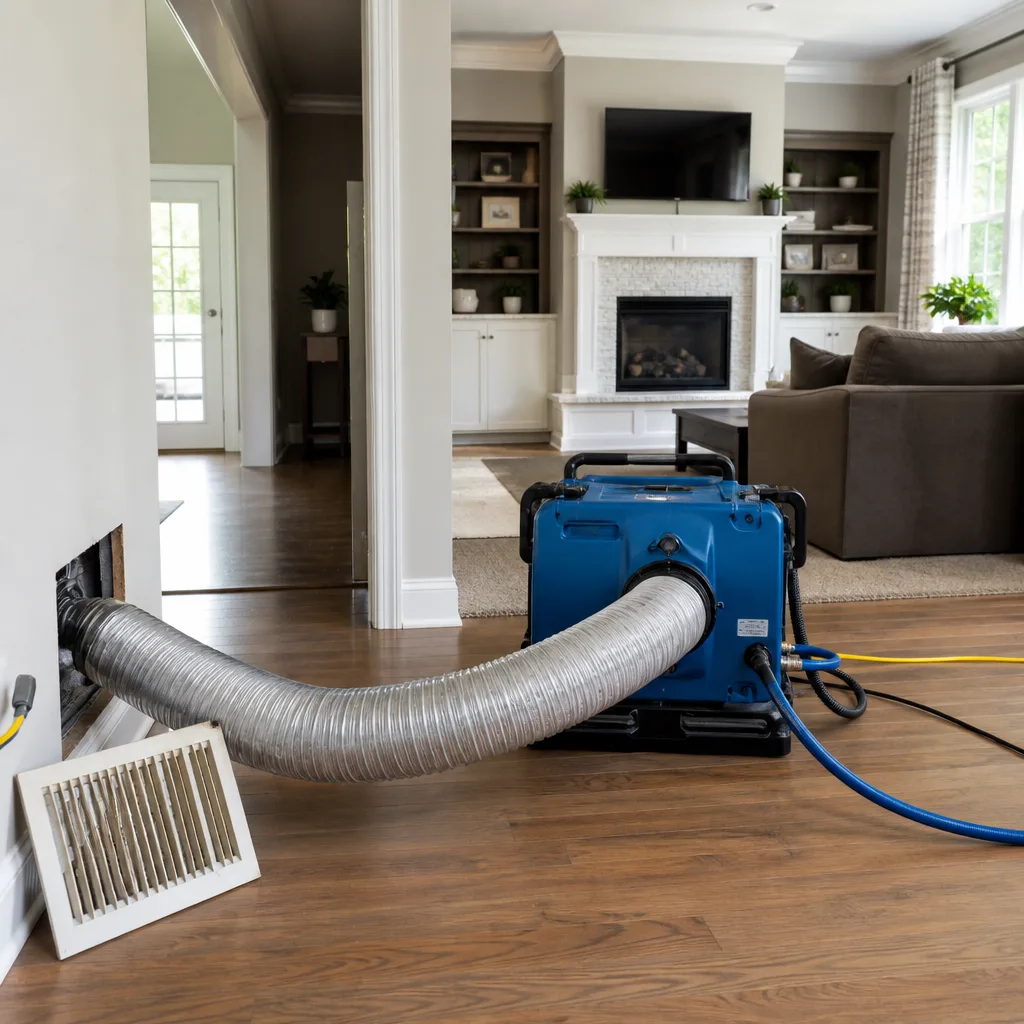
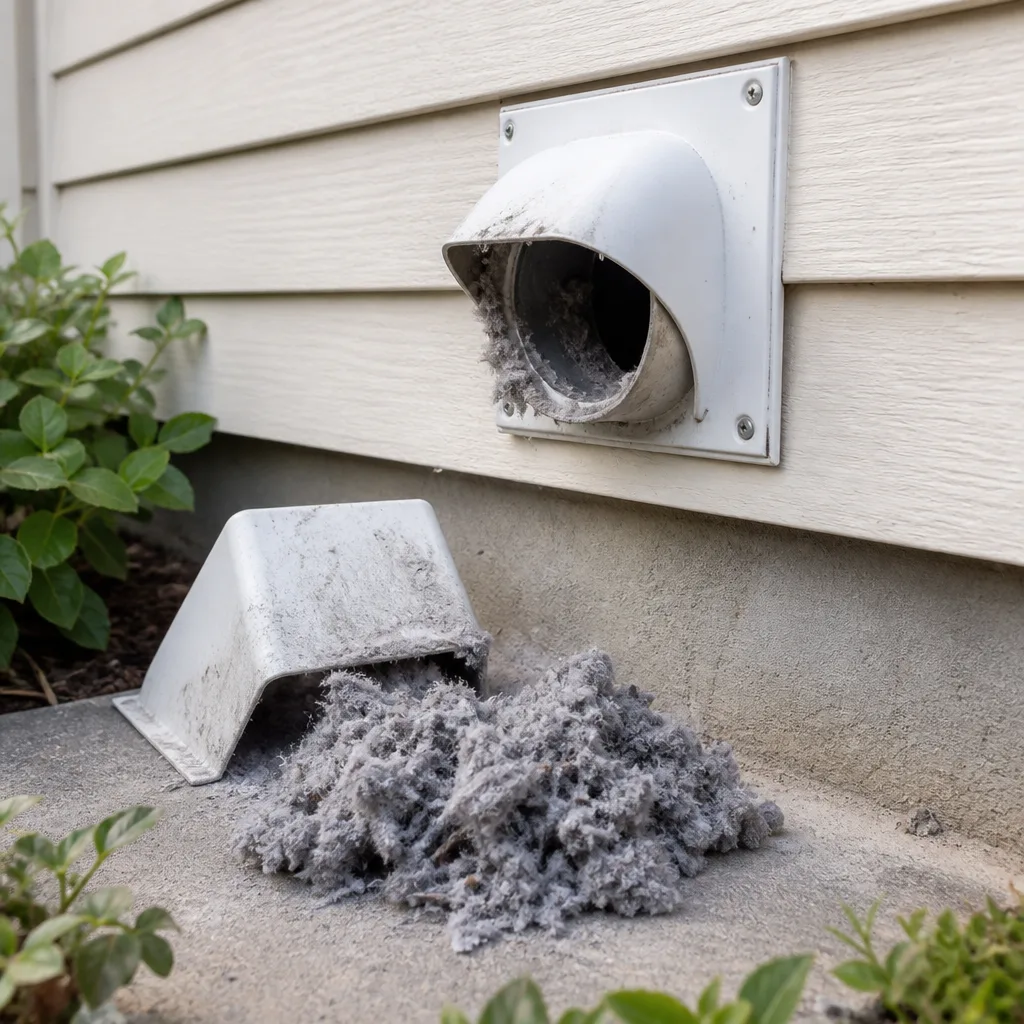
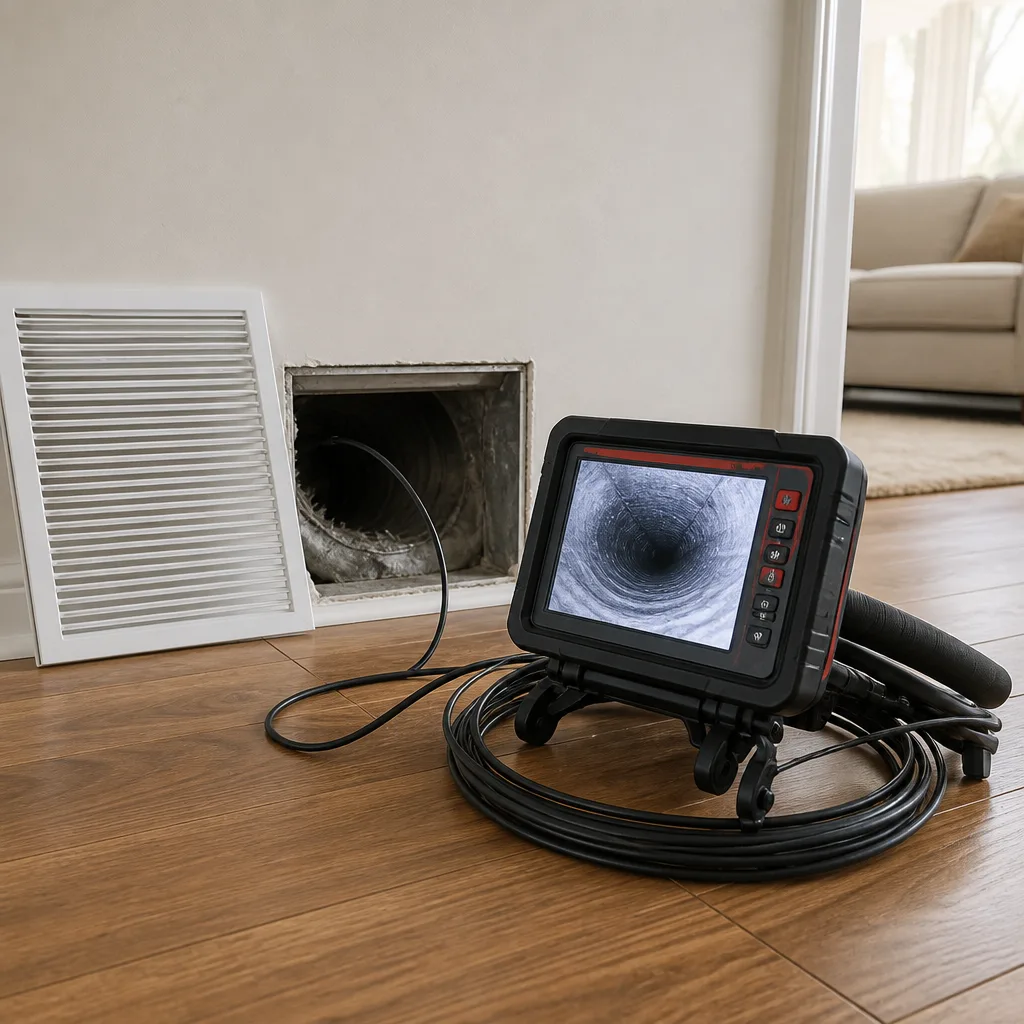
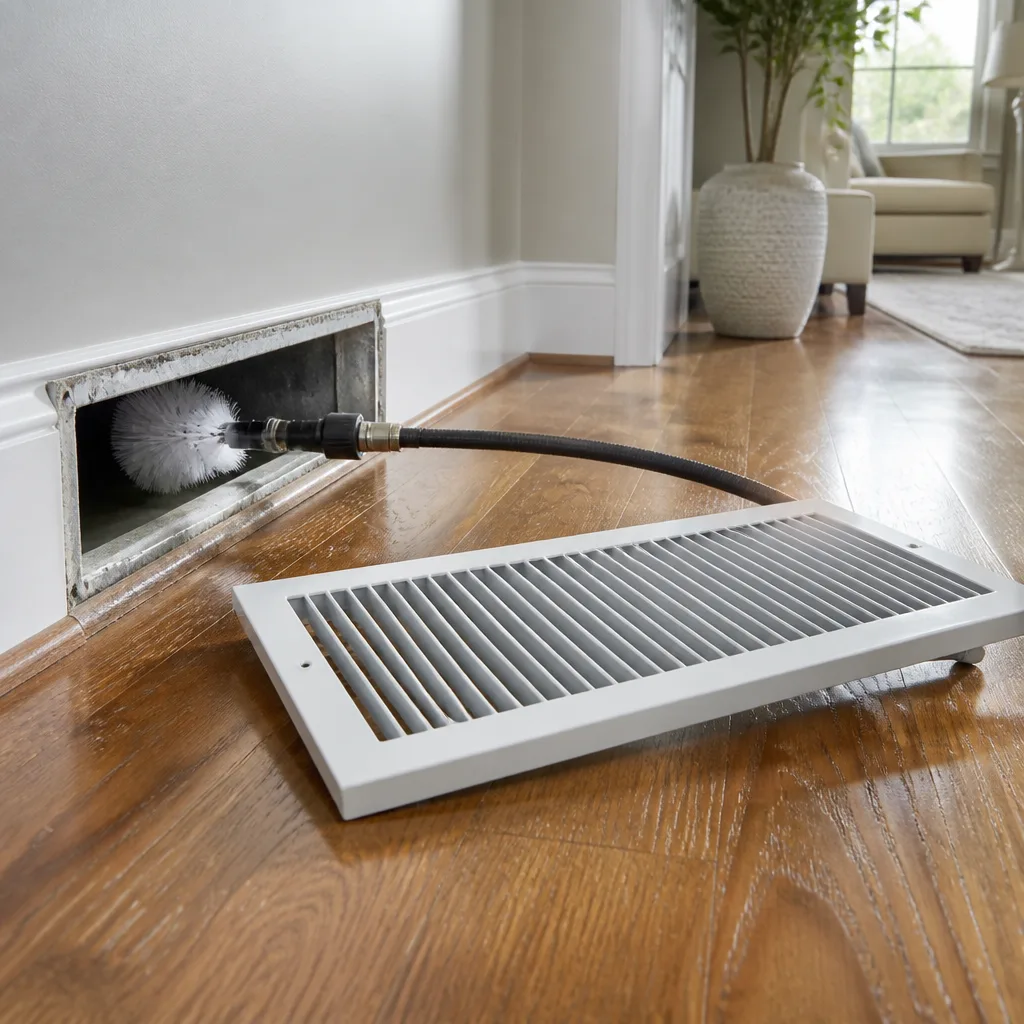
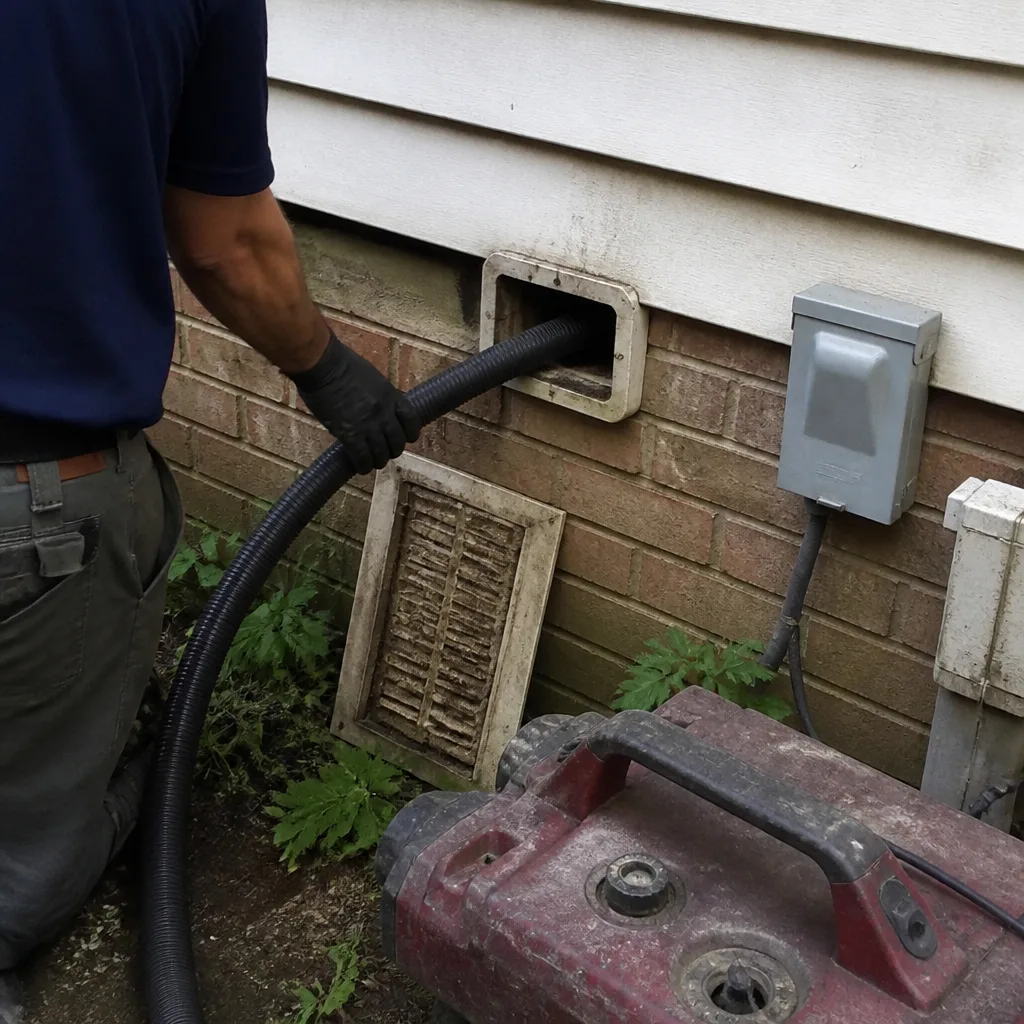 Before
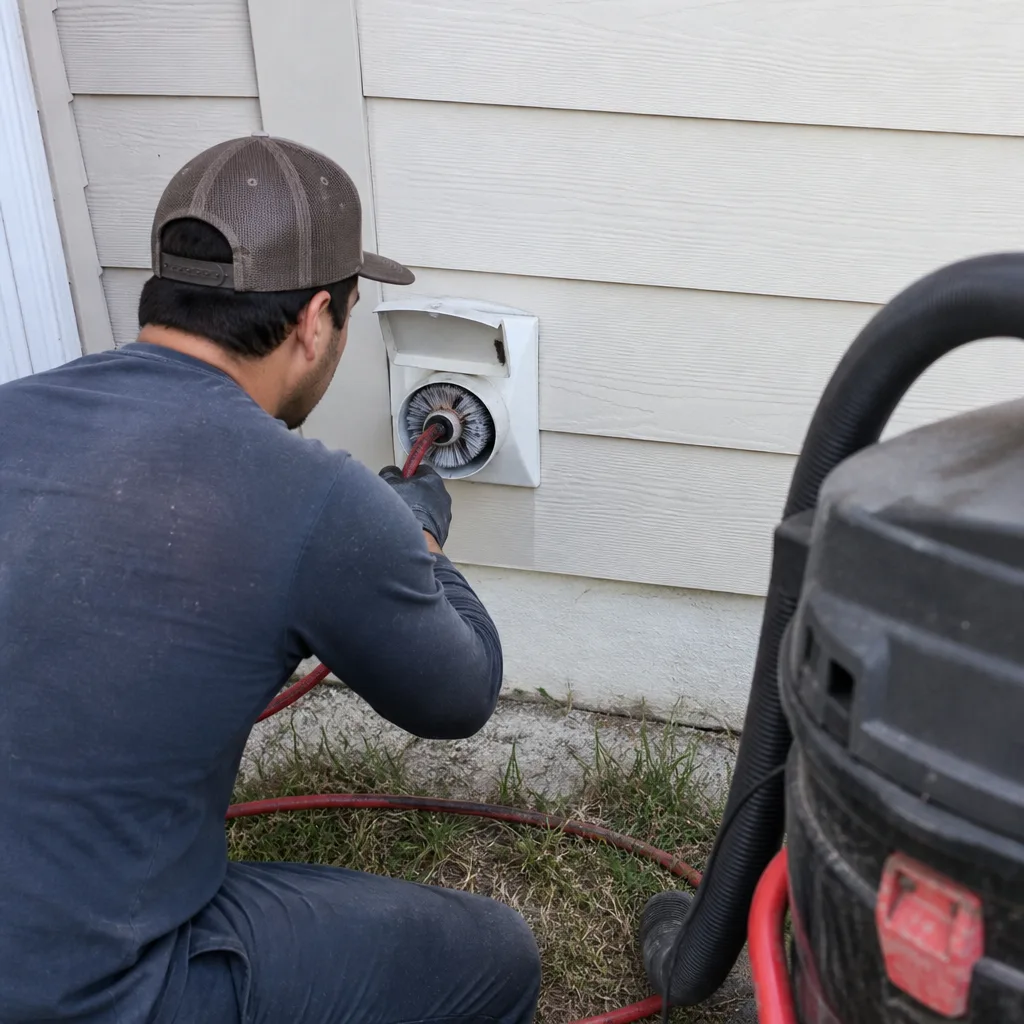 After
After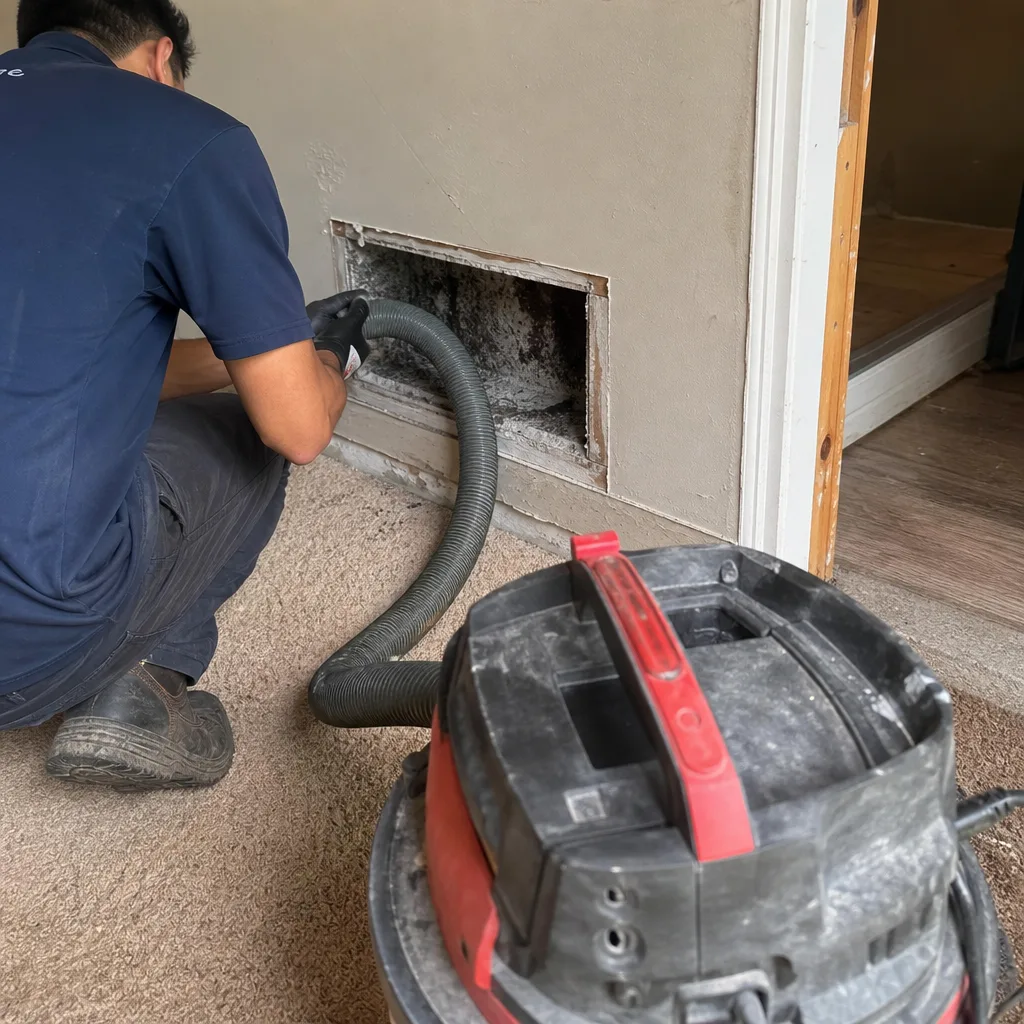 Before
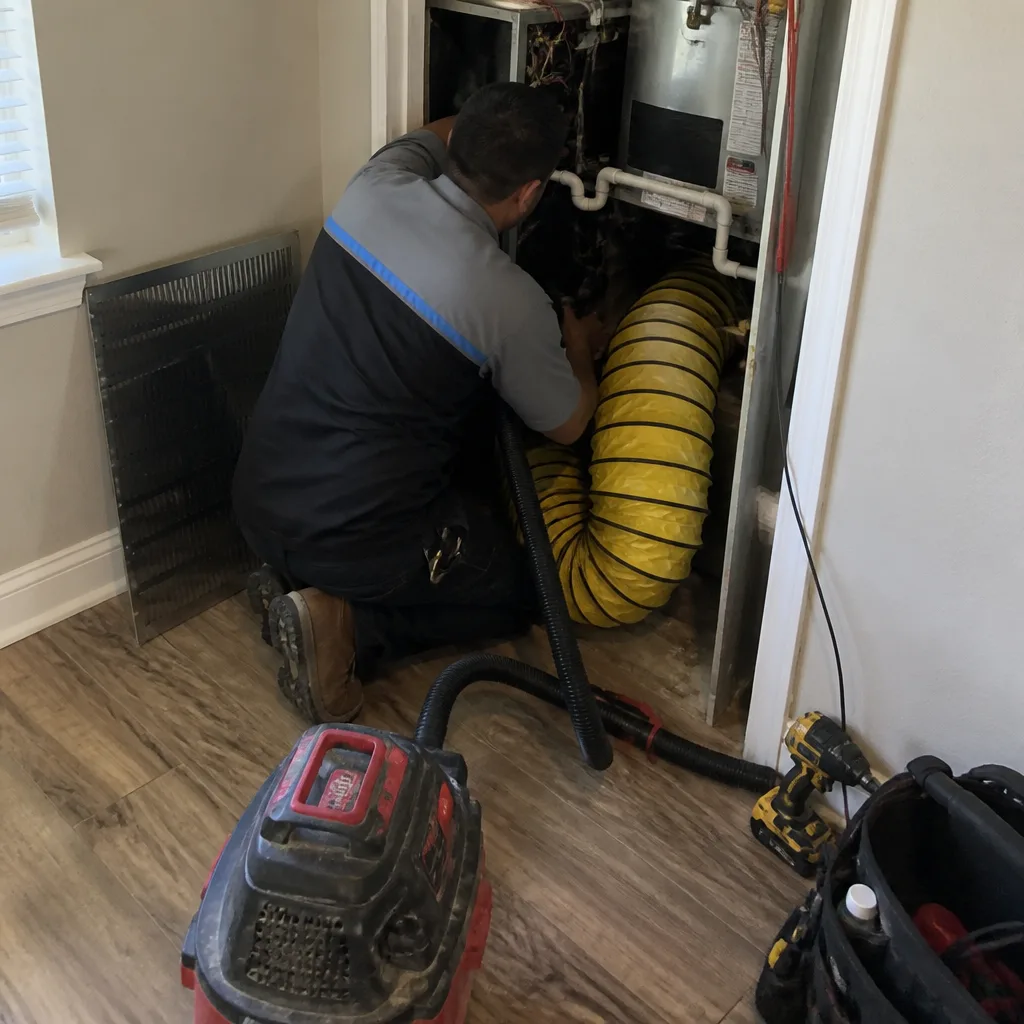 After
After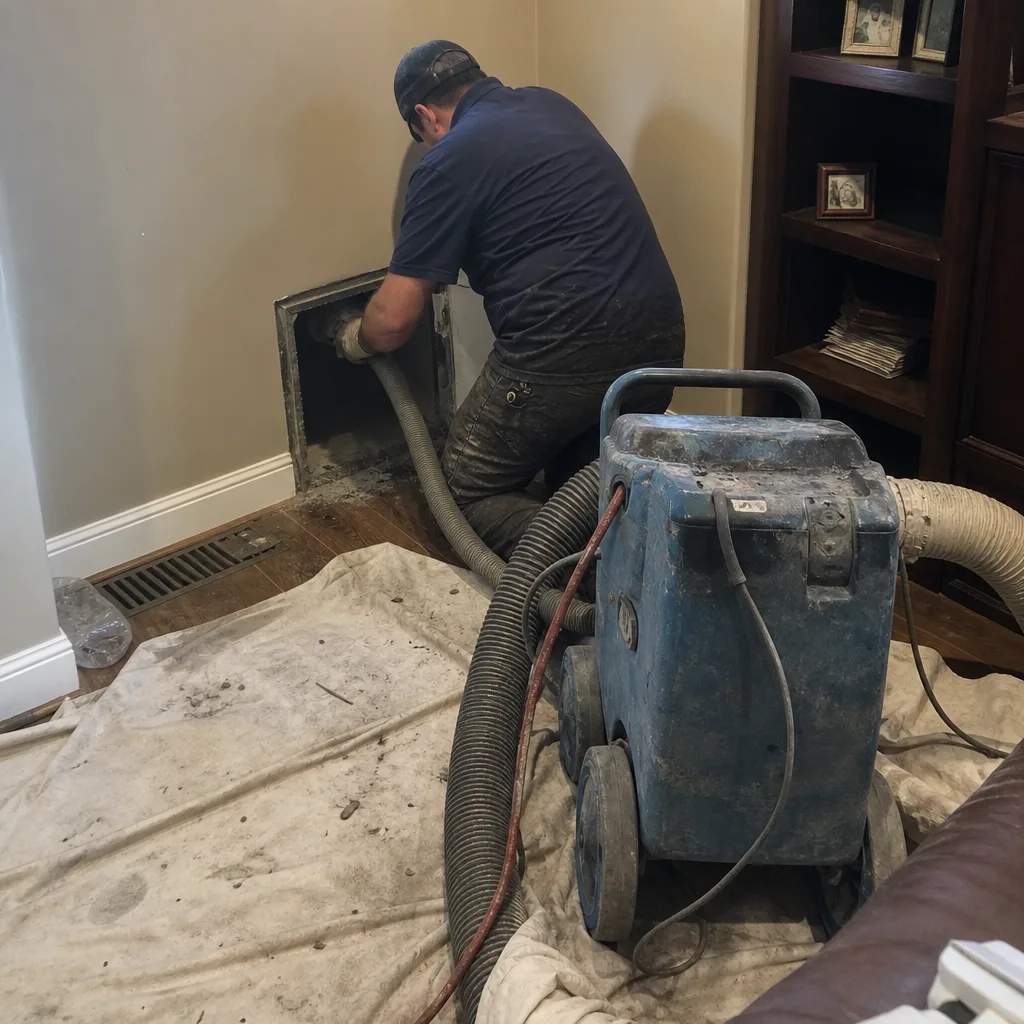 Before
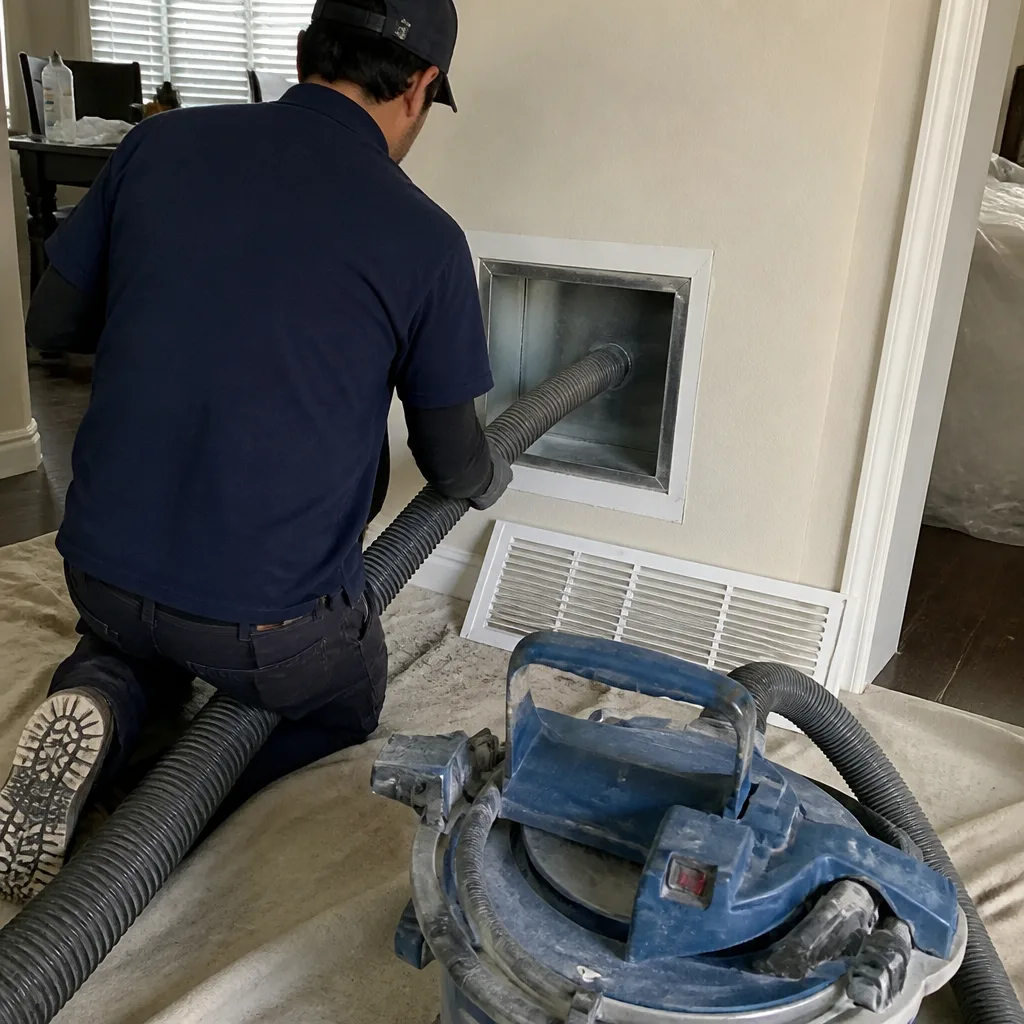 After
AfterRotobrush Register & Grille Cleaning: The Spring Owner’s Guide
Rotobrush register and grille cleaning in Spring typically runs $280-$420 for a full residential system, and we stock the compatible brushes, whips, and vacuum attachments for same-day service on most Rotobrush models. The work includes removal of each register, mechanical agitation of the grille and boot assembly, and negative-pressure extraction (suction applied while the debris is loosened, so it doesn’t settle deeper into the duct run). Homeowners usually figure out something’s wrong when they notice dust reappearing on furniture within days of cleaning, or when a register starts rattling because the grille clips have worn and no longer seat flush.
Which Rotobrush Models This Applies To
The register and grille cleaning setup differs across Rotobrush generations. The Classic and Classic II use a 2.5-inch diameter brush collar with a keyed slot that mates to the standard register boot adapter. The newer Beast series moved to a 3-inch quick-connect collar, and the brush filament density increased from 0.015-inch to 0.020-inch polypropylene - stiffer, which matters when you’re working the textured grilles common in Spring homes built 2015-2020. The Bird and BrushBeast portable units share the Classic II collar but run a shorter 18-inch flexible shaft instead of the standard 24-inch.
To identify what you need, check the yellow specification label on the vacuum motor housing. The model prefix (CL for Classic, BE for Beast, BR for Bird) tells us which adapter stack to bring. We carry both OEM Rotobrush register kits and aftermarket equivalents from Guardsman that meet the same filament spec and durometer rating. The aftermarket collars fit tighter on worn grilles, which we’ve found matters in older Spring subdivisions like Gleannloch Farms where registers have been removed and replaced a dozen times during flooring updates.
Signs Your Rotobrush Register & Grille Cleaning Is Failing
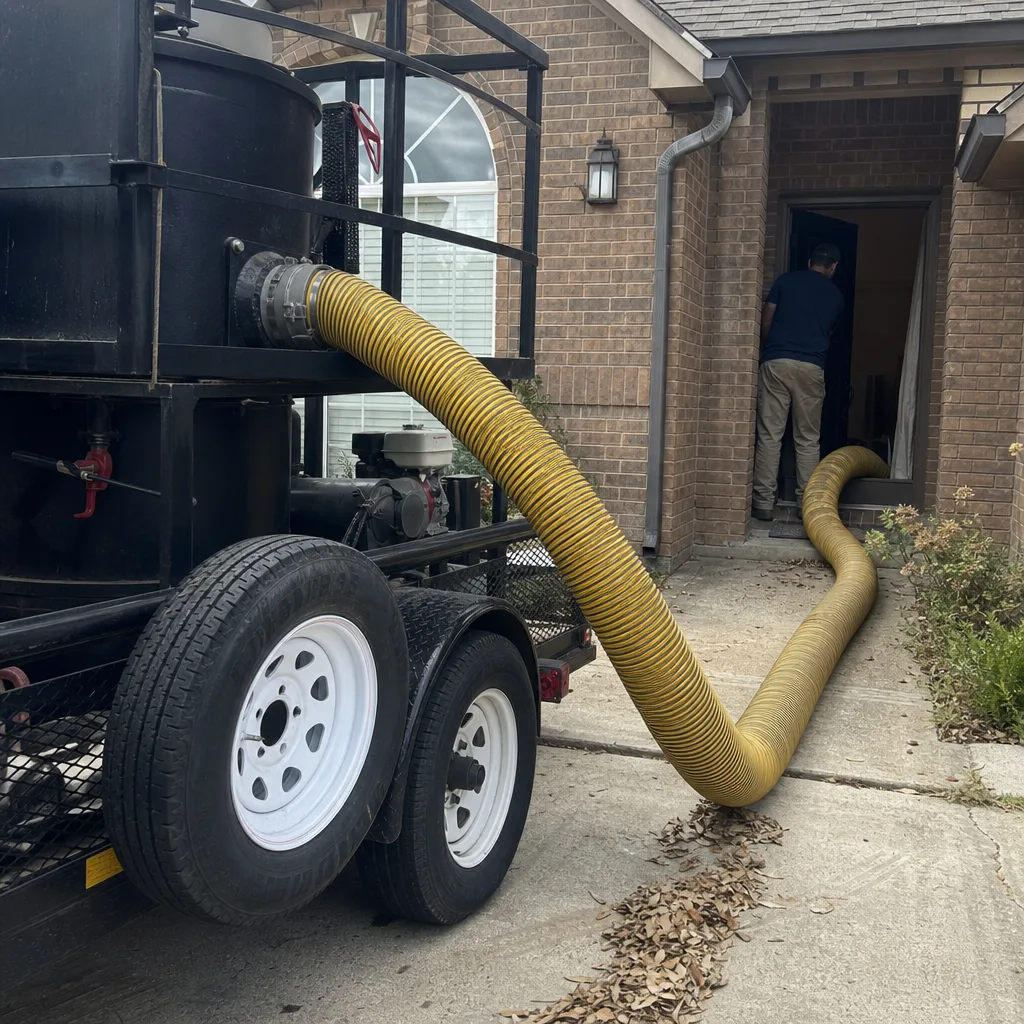
- Dust blowback immediately after cleaning. The brush head isn’t maintaining contact pressure against the grille face, usually because the filament wear has exceeded 30 percent. On the Classic II, this happens around the 800-1,000 register mark in normal Texas dust conditions.
- Rattling or vibration during operation. The register boot adapter has cracked at the stress riser where the collar meets the vacuum hose. This is more common on the Beast series adapters if they’ve been stored in a hot service van - the Houston summer heat cycles the ABS plastic and it fatigues faster than Rotobrush’s published spec assumes.
- Uneven cleaning patterns on the grille face. One quadrant stays dirty while the rest clears. The flexible shaft has developed a kink or the brush head is out of true, often from forcing it past a boot with a sharp 90-degree elbow.
- Vacuum motor straining or thermal shutdown. The register grille is fully seated but the adapter seal is leaking, so the motor can’t build enough negative pressure. Check the foam gasket first - it compresses permanently after about 18 months in our humidity.
- Visible scoring on painted grille surfaces. The brush filament tips have worn to exposed wire backing. This is the point where continued use damages the customer’s register, not just fails to clean it.
BeforeAfterReplacement Cost & What’s Included
| Component | Price Range (Installed) |
|---|---|
| Brush head assembly, Classic/Classic II | $85-$125 |
| Brush head assembly, Beast series | $110-$155 |
| Register boot adapter with gasket | $45-$75 |
| Flexible shaft, standard or short | $65-$95 |
| Full register & grille cleaning service, per system | $280-$420 |
The range depends on system count (single-return vs. multi-zone), register accessibility, and whether we’re recovering from a failed DIY attempt where parts are cross-threaded or lodged. Every job starts with a written price under Haven Standard Clause 1 - no exceptions. The 365-Day Done Right Promise covers the workmanship and any part we install. We also photograph every register before and after, included as a standard deliverable, so you can verify the grille face and boot interior against what was quoted.
DIY or Call Us?
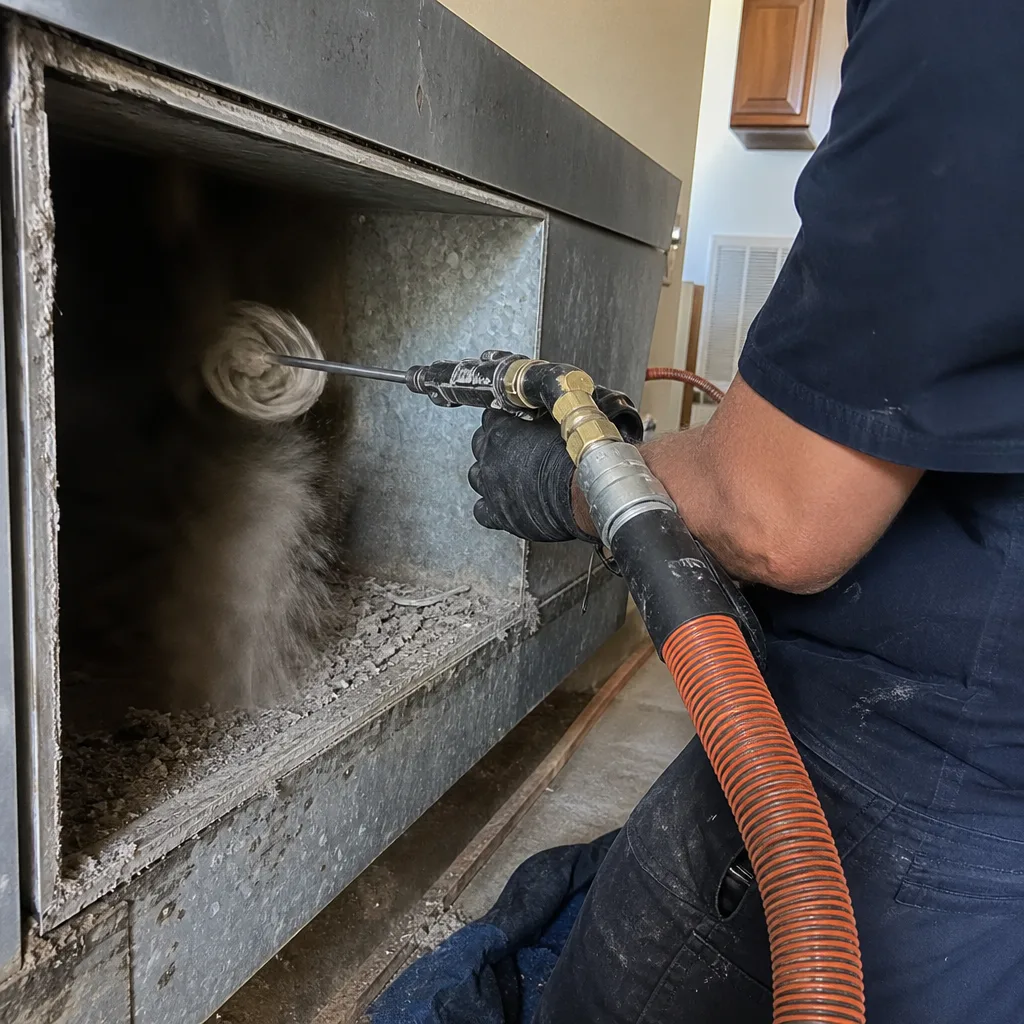
There’s no high-tension danger here - register and grille cleaning is low-risk mechanically. What goes wrong is misidentification. Rotobrush parts look interchangeable until they aren’t: a Classic II brush on a Beast collar chatters and scores the boot; a Beast brush on a Classic shaft won’t seat deep enough to clean the damper blade. We’ve pulled lodged assemblies out of Spring homes where the owner forced a fit, then the vacuum hose separated inside the wall cavity.
What you can safely check: the yellow model label, the foam gasket condition, whether the brush spins true by hand. What we recommend leaving to us: collar compatibility verification, shaft straightness measurement, and any work where the register is stuck in the boot from paint or caulk. The camera doesn’t negotiate - we’ll show you what’s actually in there before quoting a dollar. Call (346) 423-3631 and we’ll bring the right adapter stack for your specific Rotobrush generation.
FAQs
In the Houston metro, with our combination of pollen, clay dust, and high humidity, a Classic II brush head typically cleans 600-900 registers before filament wear affects performance. The Beast series stiffer filament extends that to 1,000-1,300 in our experience. We track wear by measuring filament length at the collar base - when it drops below 1.75 inches, it’s time. Call (346) 423-3631 for a free brush inspection if you’re unsure where yours stands.
No. The filament bundles are epoxy-set into the collar at the factory, and any field repair loosens the bond so fibers shed into the duct run. We’ve seen homeowners try zip-tie wraps or adhesive - the result is always a clogged boot and a service call that costs more than the brush would have. We stock replacement heads for all Rotobrush series and can swap one in about ten minutes on site.
A typical single-system Spring home with 8-12 registers takes 2.5 to 3.5 hours, including setup, the documented photo record of each run, and reassembly. Multi-zone systems or homes with specialty grilles (linear slot diffusers, for example) run longer. We quote the time estimate in writing alongside the price, so you know before we start.
Yes. We carry brush heads, adapters, flexible shafts, and gaskets for Classic, Classic II, Beast, Bird, and BrushBeast models. We also stock Guardsman aftermarket equivalents where they meet or exceed OEM spec. If you have a discontinued Rotobrush model, we can usually source the part within 48 hours - call (346) 423-3631 with your yellow label information and we’ll confirm before dispatching.
CleanRun Duct Repair & Cleaning is an independent service provider, not affiliated with Rotobrush. We also stock parts for Lennox, Trane, and Carrier systems.
Written by Tomas Reyes, Owner, CleanRun Air Duct Cleaning Spring at CleanRun Air Duct Cleaning Spring, serving Spring and nearby areas.