
Whole-system duct and dryer vent check with before-and-after photos - you see exactly what came out of your vents
That "$99 whole-house special" is a bait ad - the real number appears once they are in your hallway, or the "clean" is a shop-vac at the register. We photograph the inside of your ducts before and after instead.
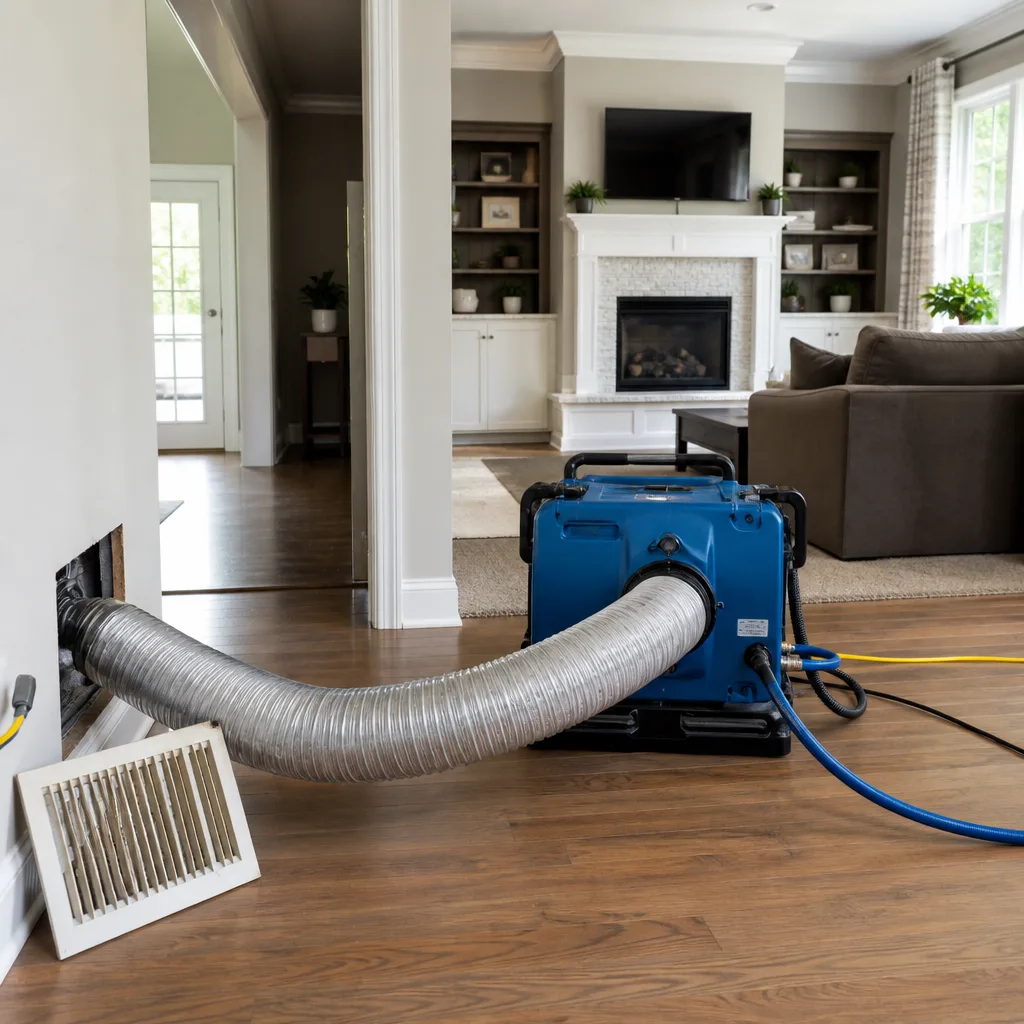
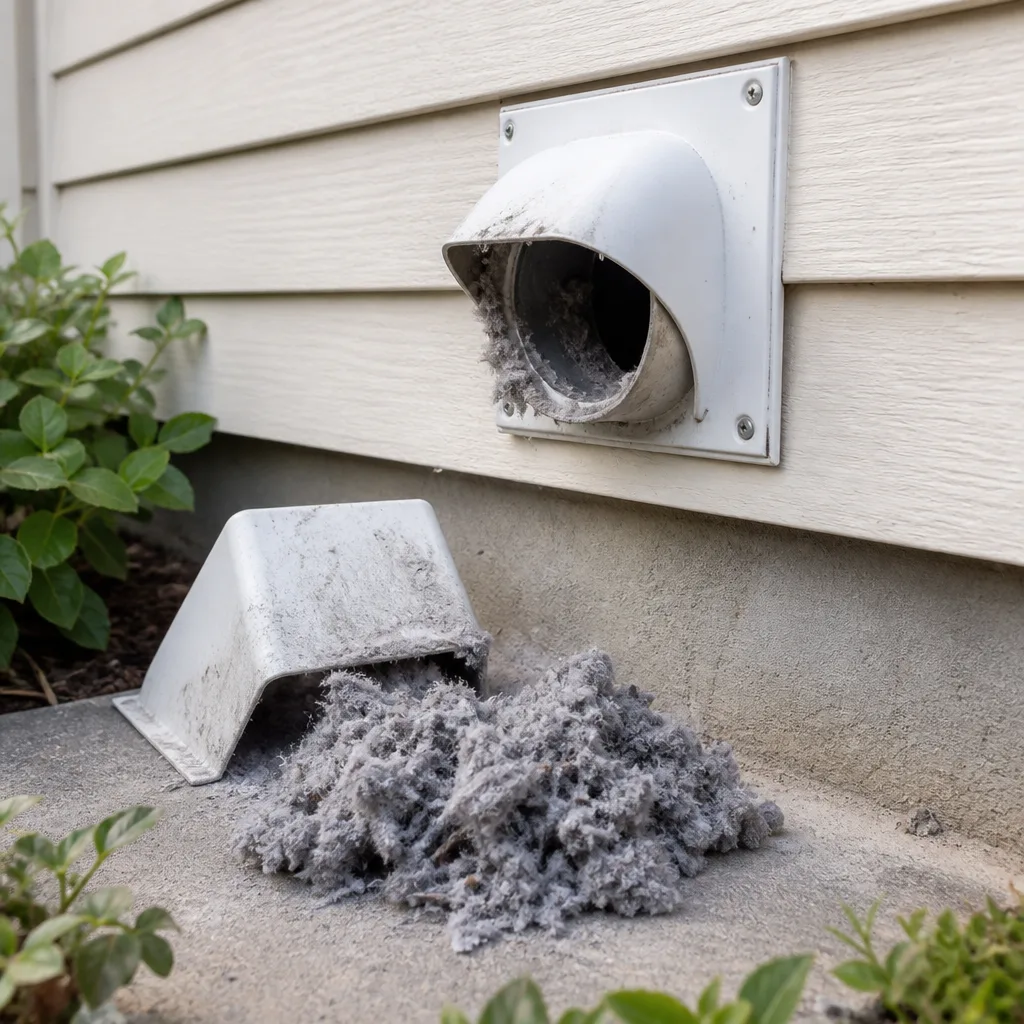
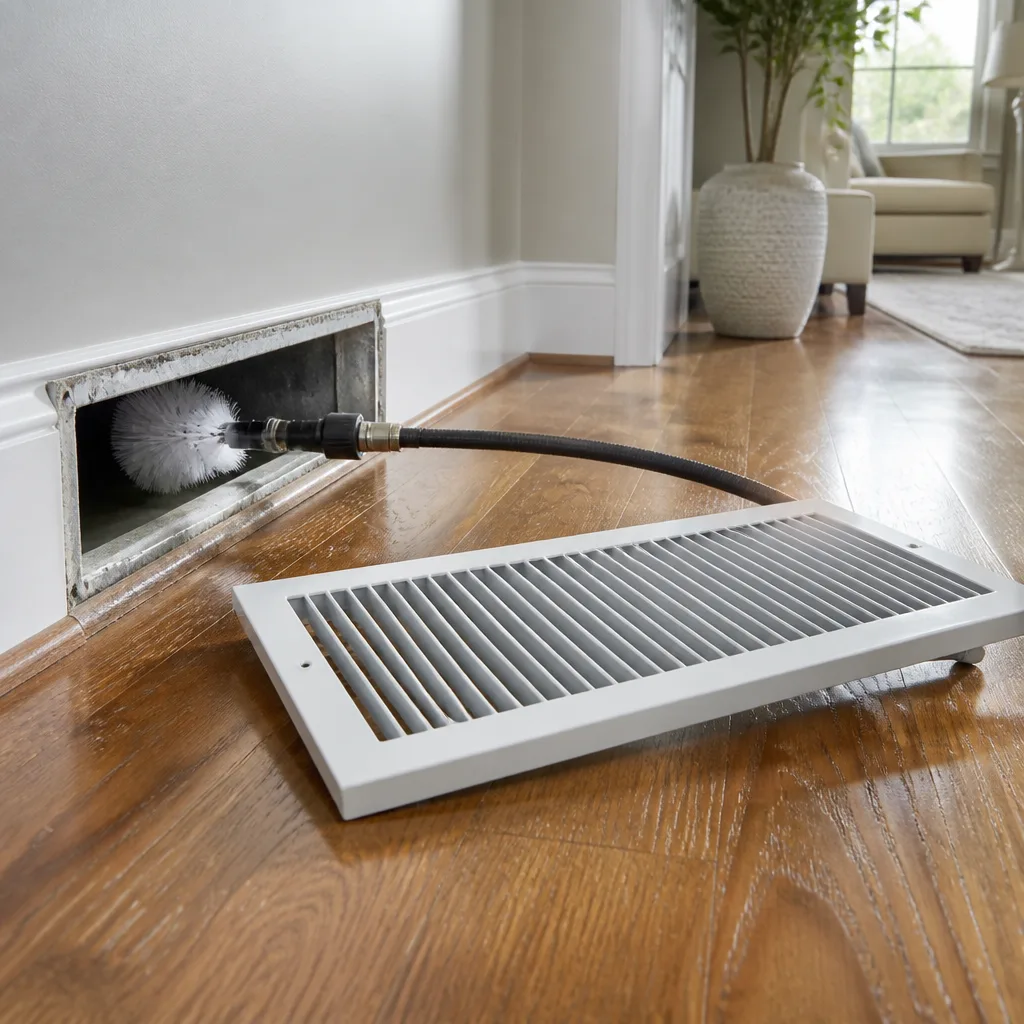
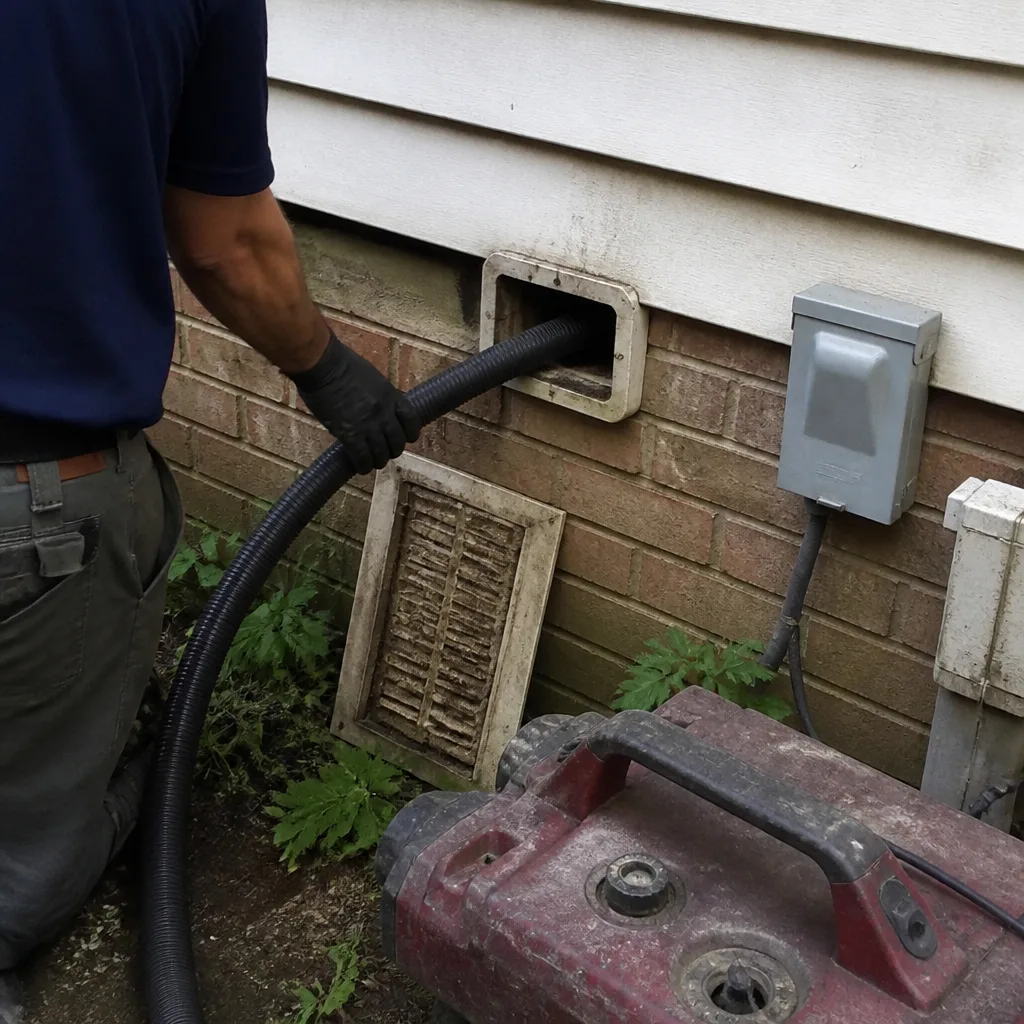 Before
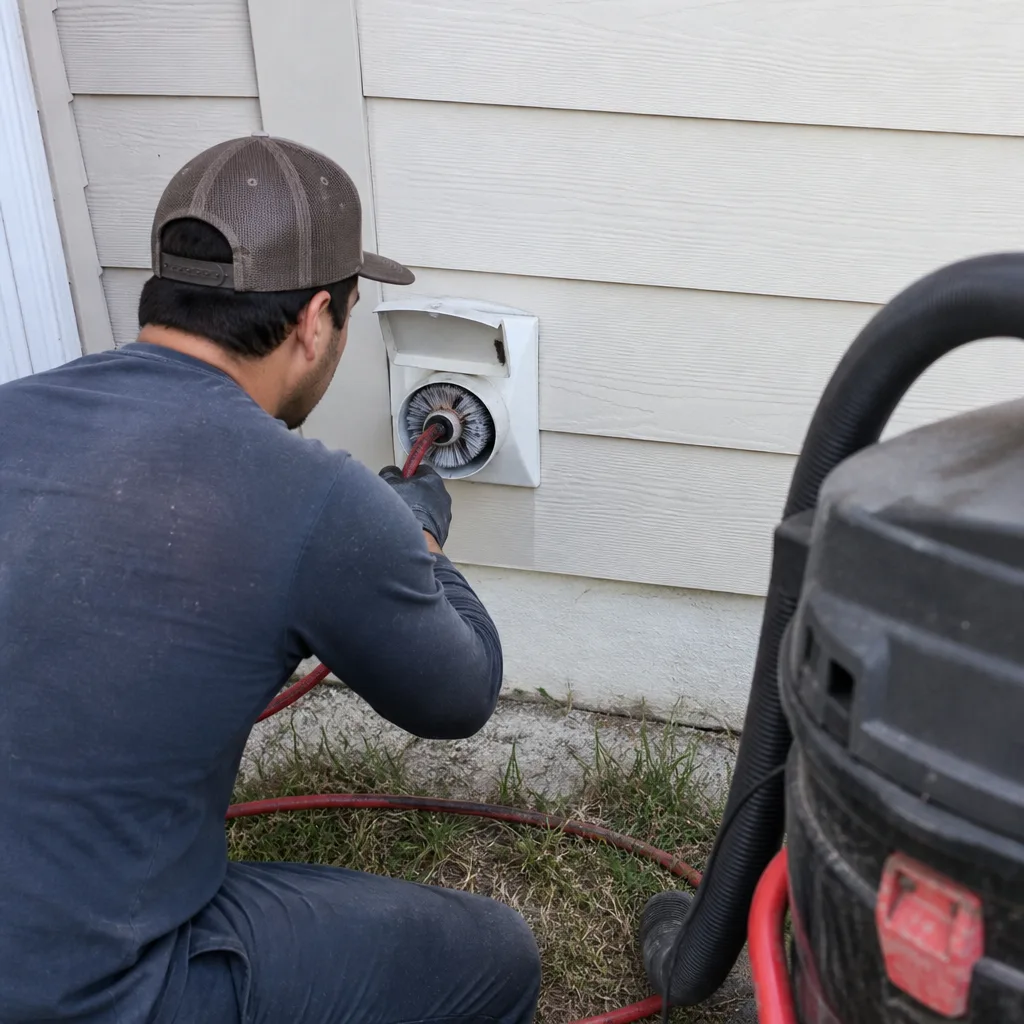 After
After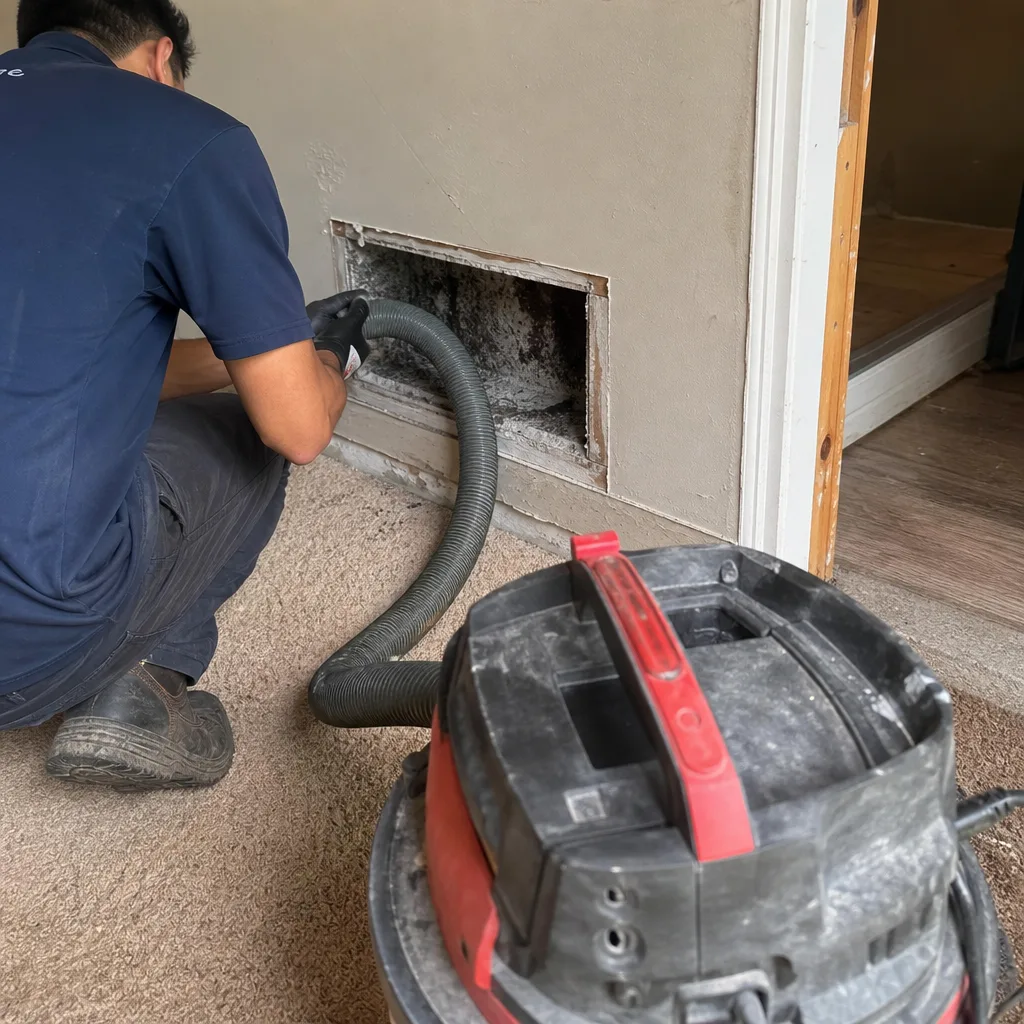 Before
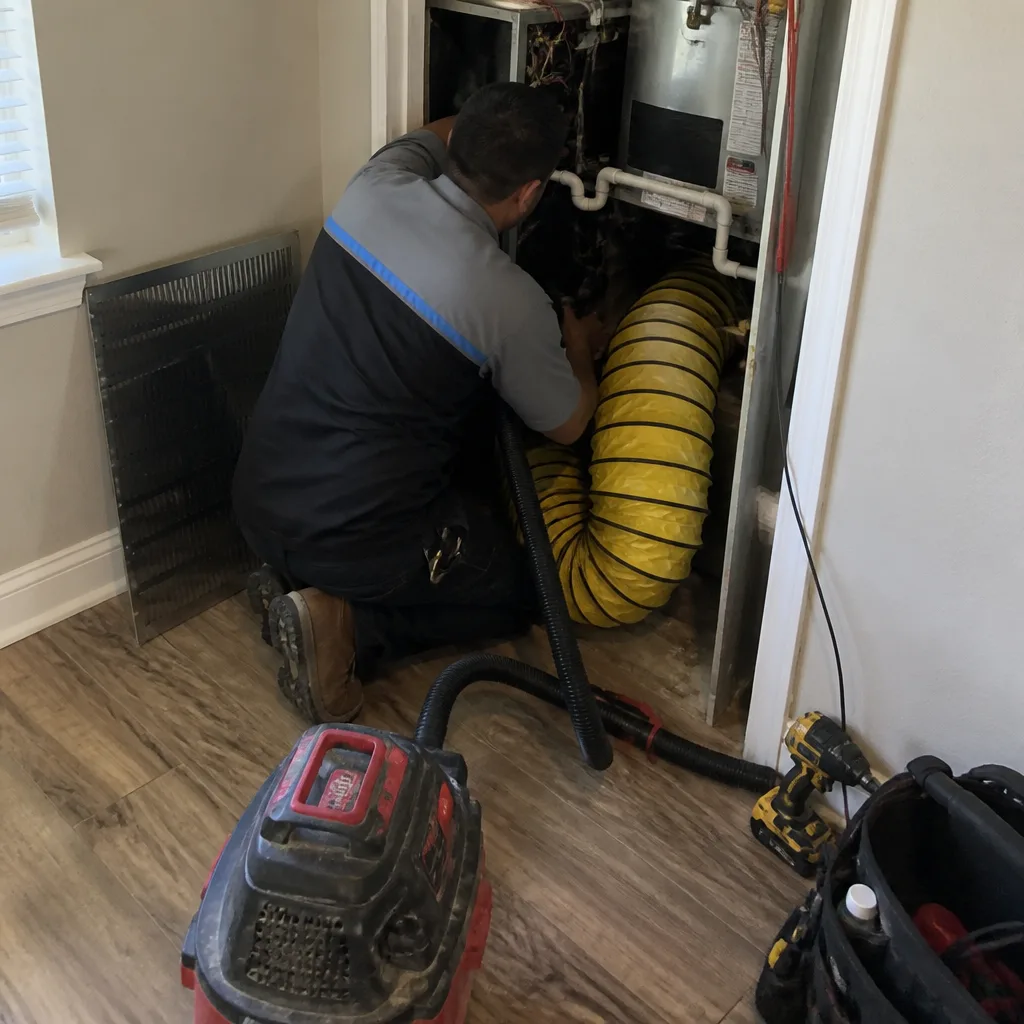 After
After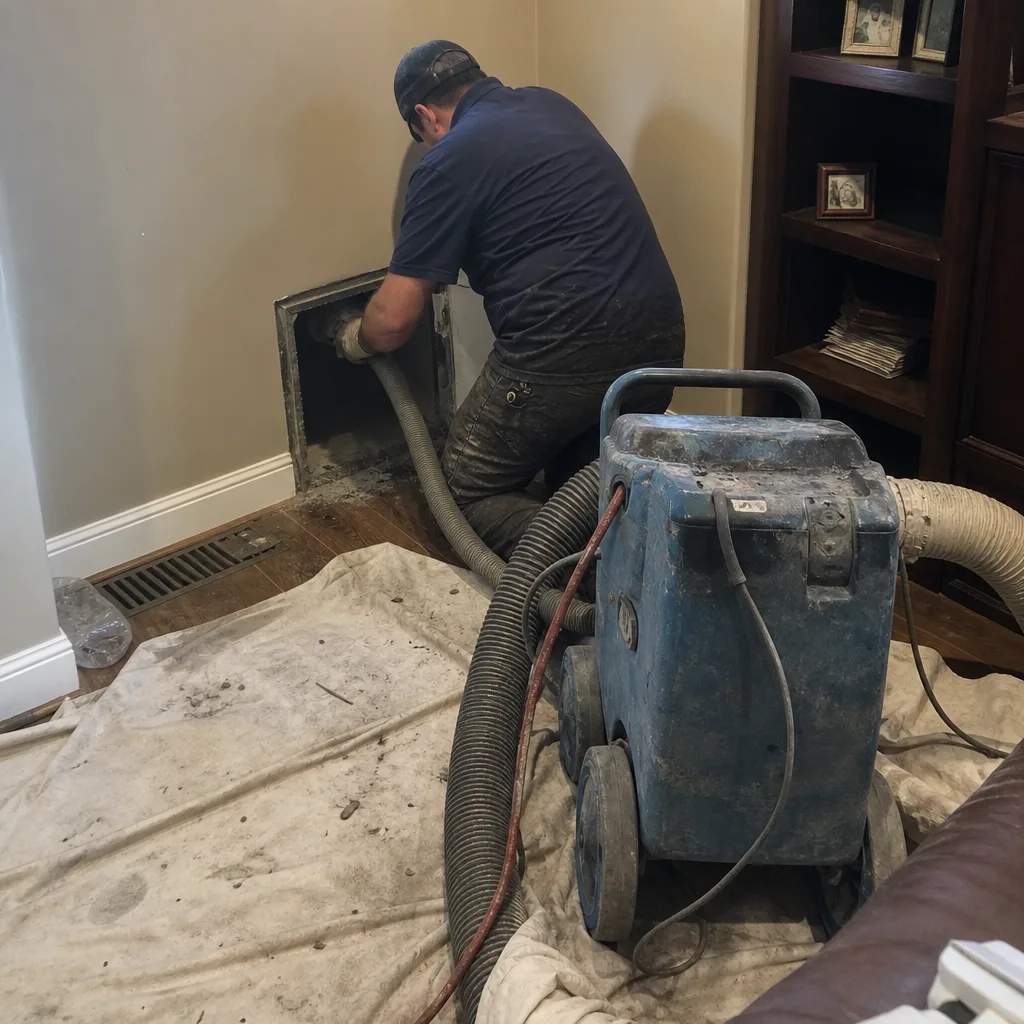 Before
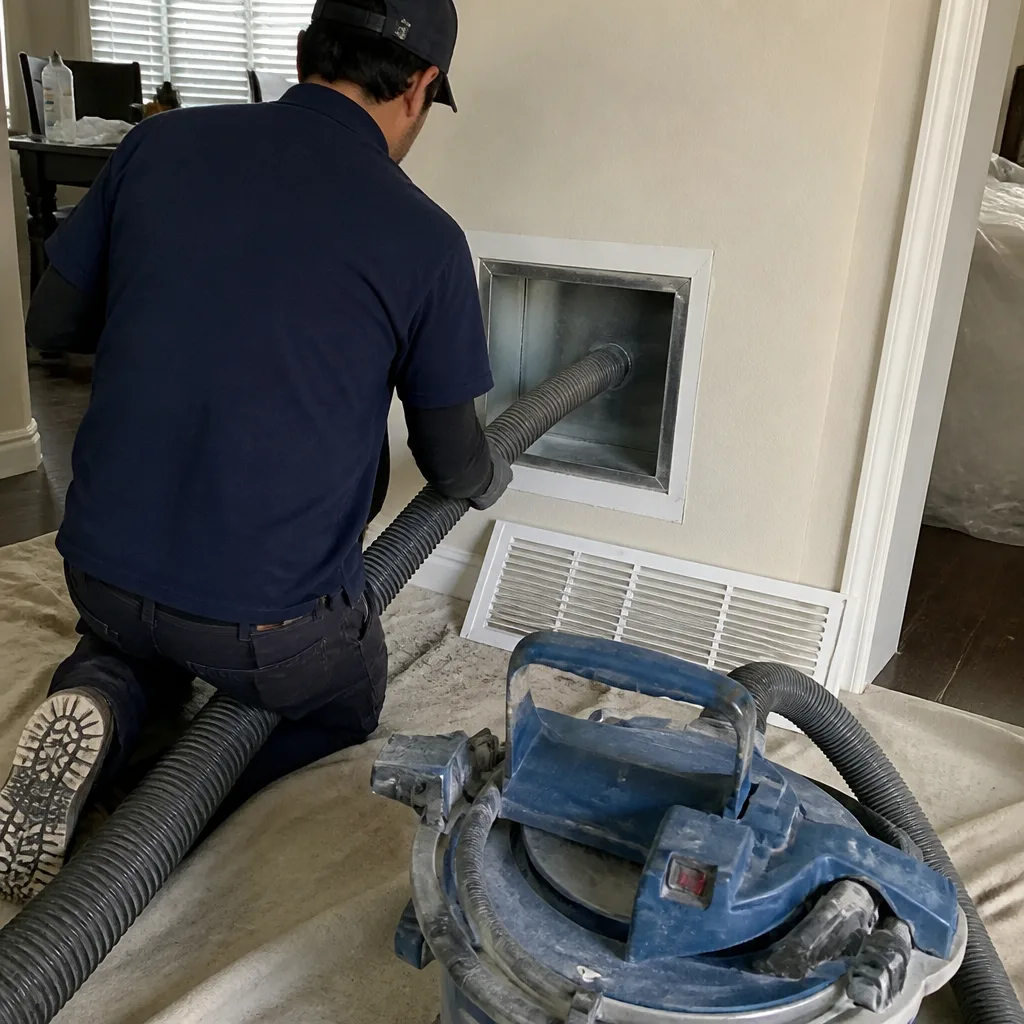 After
AfterVideo Inspection in Spring, TX
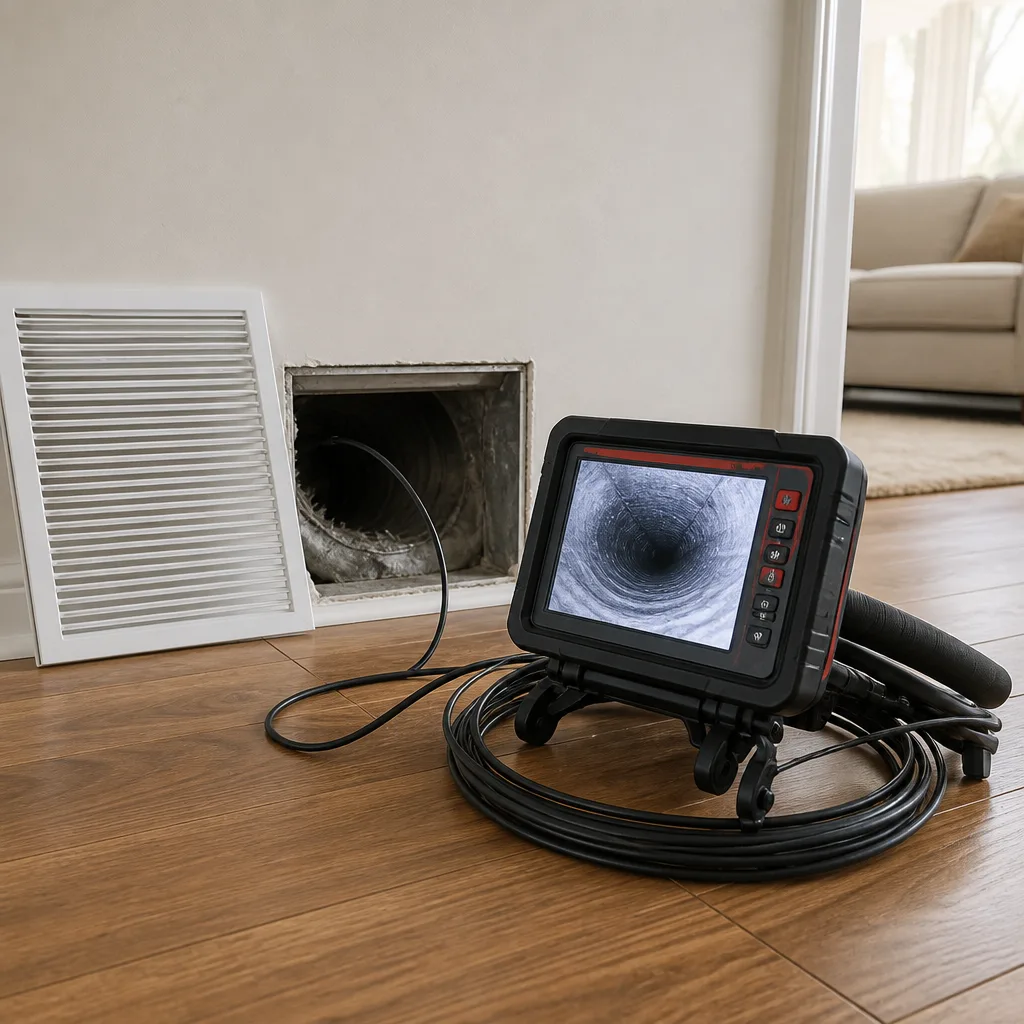
Duct video inspection in Spring, TX uses a flexible camera pushed through your duct runs to produce a recorded visual record of what’s actually inside – debris accumulation, liner damage, disconnected joints, mold growth, or pest intrusion – before any cleaning or repair work begins. A typical residential inspection covers every accessible main trunk line and branch run in 60 to 90 minutes, and you walk away with footage, not just someone’s word. If you want to know what’s in your ducts before you decide what to do about it - whether that’s scheduling air duct cleaning near me in Spring, TX or holding off - this is the place to start.
At CleanRun Air Duct Cleaning Spring, every inspection job follows the same protocol: written price before we touch anything, camera-documented findings, and a plain-language report you can read without a trade background. Tomas Reyes built this process into the company from day one in 2013 because “trust us, they were dirty” was never an acceptable deliverable. Our Air Duct Cleaning in Spring service is built on that same foundation – documented evidence first, then a scope of work.
To schedule a video inspection or get a written price before committing, call (346) 423-3631. A live person answers every call.
When You Need Video Inspection
Spring’s climate puts residential duct systems under real stress. Humidity stays high for most of the year, attic temperatures regularly hit 130°F or higher between May and September, and many homes in Gleannloch Farms, Cypresswood, and the Harmony subdivision were built with flex duct that degrades faster than rigid sheet metal in those conditions. Video inspection makes sense in a specific set of circumstances – here’s what those look like.
- Odors that follow you room to room. If a musty or stale smell is present at multiple registers and doesn’t clear after changing the filter, the camera often finds the source – mold colonies on the liner interior, rodent debris at a junction, or standing moisture near a disconnected flex run. Spring’s humidity makes duct-interior mold more common than in drier climates, and it isn’t visible from the register face.
- Uneven airflow between rooms. When one side of the house stays noticeably warmer in summer despite a functioning HVAC unit, a collapsed flex duct section or a disconnected joint at a plenum – the central distribution box attached to the air handler – is a common cause. The camera locates the blockage or gap with precision, so the repair scope is exact rather than estimated.
- A home you recently purchased. Sellers in Spring’s competitive market are not required to disclose the interior condition of ductwork, and most don’t know it themselves. Homes built in the 1990s in Klein, Springwoods Village-adjacent neighborhoods, and along Louetta Road frequently have original flex duct that is well past its design life. Inspection before your first cleaning tells you what you’re actually dealing with.
- Evidence of rodent or pest activity. If your pest control company has confirmed roof rat or mouse activity – common in the Spring/Tomball corridor – duct systems are a primary travel route. Droppings, nesting material, and torn liner sections don’t announce themselves from outside the system. The camera goes where you can’t.
- You received a cleaning quote you can’t verify. If a technician quoted you a price without looking inside the ductwork first, they were quoting a visit, not a result. An independent video inspection gives you documented baseline conditions so any scope of work can be evaluated against real evidence.
- HVAC efficiency has dropped without an obvious mechanical cause. When your utility bills have climbed and the HVAC unit checks out fine, duct leakage or debris accumulation at branch runs is worth ruling out. In Spring’s long cooling season, a partially blocked supply run translates directly into compressor runtime – and higher bills.
Our Video Inspection Process
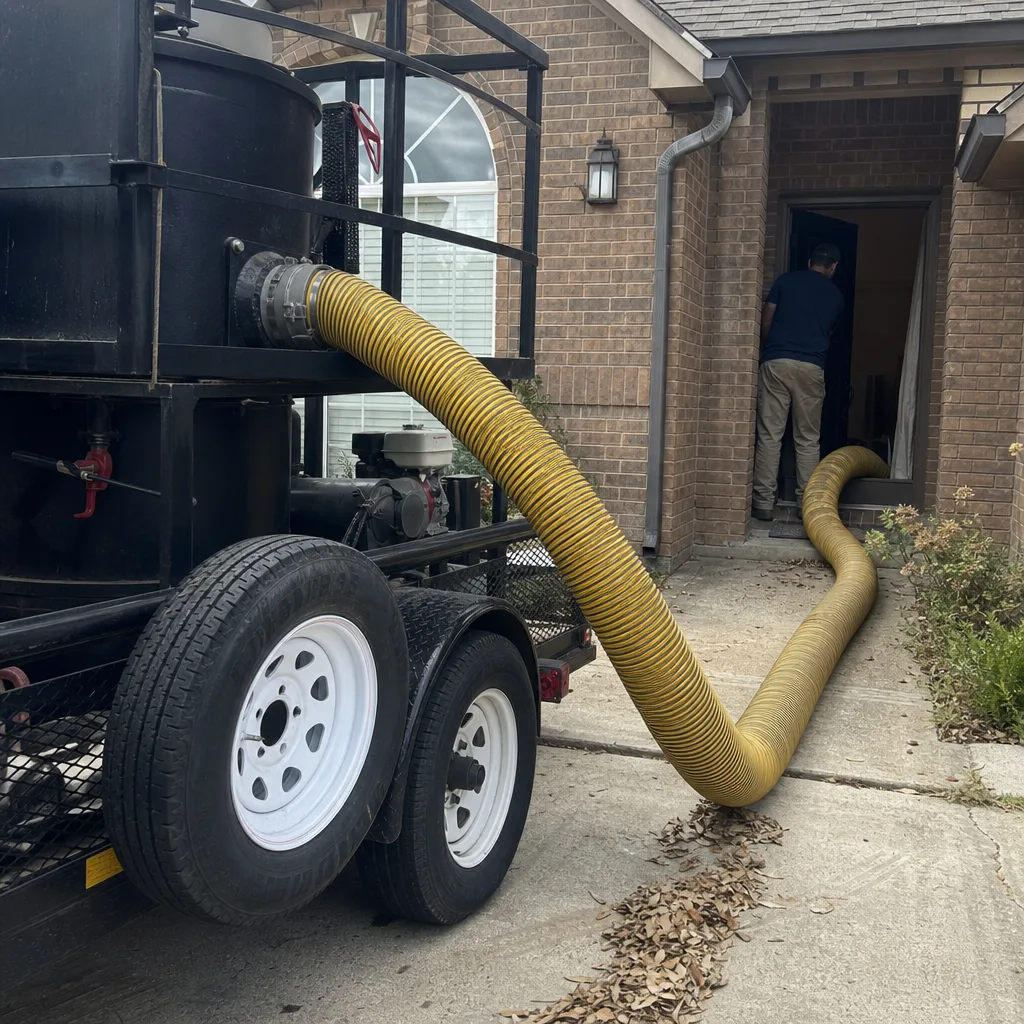
Every technician who runs a video inspection for CleanRun in Spring is background-checked, uniformed, and identified by name before arrival – Haven Standard Clause 3: Verified Crews. The process below is the same whether the home is 1,400 square feet or 4,200.
- Written price delivered before the panel comes off. Haven Standard Clause 1 means no work starts without a written quote. The inspection scope – number of duct runs, accessible trunk lines, any known attic access constraints – is documented in writing before we open a single register. You see the number; you decide whether to proceed.
- System access and baseline documentation. The technician photographs the air handler unit, the plenum, all visible register faces, and any accessible flex duct connections at the trunk. This baseline photo set is your starting point – it establishes what was present and accessible before any equipment entered the system.
- Camera insertion and run-by-run recording. A flexible video inspection camera is inserted at the air handler plenum and advanced through each main trunk line, then through individual branch runs to the register boots. The camera records continuously. Where the duct geometry allows, the technician pauses and captures stills at significant findings – debris accumulation depth, liner tears, joint separations, visible biological growth.
- Findings narrated in plain language during the walk-through. As the camera moves, the technician explains what’s visible on screen in real terms: “this is a 2-inch debris bed at the first 90-degree elbow on the east trunk,” or “the flex duct here has collapsed inward about 40 percent – that’s your airflow restriction on this side of the house.” You’re not handed a report after the fact; you see it live.
- Written findings report delivered on-site. When the camera run is complete, a written summary of every significant finding is produced before the technician leaves. This includes the recorded video, key still images, and a plain-language description of each issue found. If the inspection reveals nothing requiring action, that’s in the report too – in writing.
- Scope recommendation with itemized written price, if applicable. If cleaning, repair, or sealing is warranted, a written price for each line item is delivered on-site. There’s no follow-up call with a number you didn’t expect. You have the inspection record, you have the written scope, and you make the decision with full information. CleanRun has operated this way since 2013, across more than 52,000 homes served.
BeforeAfterVideo Inspection Pricing in Spring, TX
Duct video inspection in Spring typically runs $95 to $225 for a standard single-family residence, depending on system size and accessibility - a fraction of how much air duct cleaning costs in Spring, TX. Here’s how that range breaks down.
| Home Size / System Configuration | Typical Inspection Price |
|---|---|
| Small home, single system (under 1,800 sq ft) | $95 – $135 |
| Mid-size home, single system (1,800 – 3,000 sq ft) | $135 – $175 |
| Larger home or dual-zone system (3,000+ sq ft) | $175 – $225 |
| Attic access surcharge (limited or non-standard access) | $25 – $50 added |
These numbers reflect Spring market conditions – homes in the area tend to have attic-run flex duct systems installed between the 1980s and early 2010s, which are accessible but often more time-consuming to camera than rigid metal systems due to bends and liner flexibility. Homes in the Harmony community and newer builds in the Springwoods Village corridor sometimes have hybrid systems that add access time.
What the price always includes: the recorded video, the written findings report, still images of every significant finding, and a written scope recommendation if follow-up work is warranted. What it never includes: a verbal-only report, a soft upsell without documentation, or a price that changes after the technician is inside the house.
If you have a written estimate from another company, CleanRun will put its own written price next to it at no cost – that’s the Free Second Opinion. Call (346) 423-3631 to set up a written quote before anything else happens.
What the Camera Actually Shows: Common Finds in Spring Homes
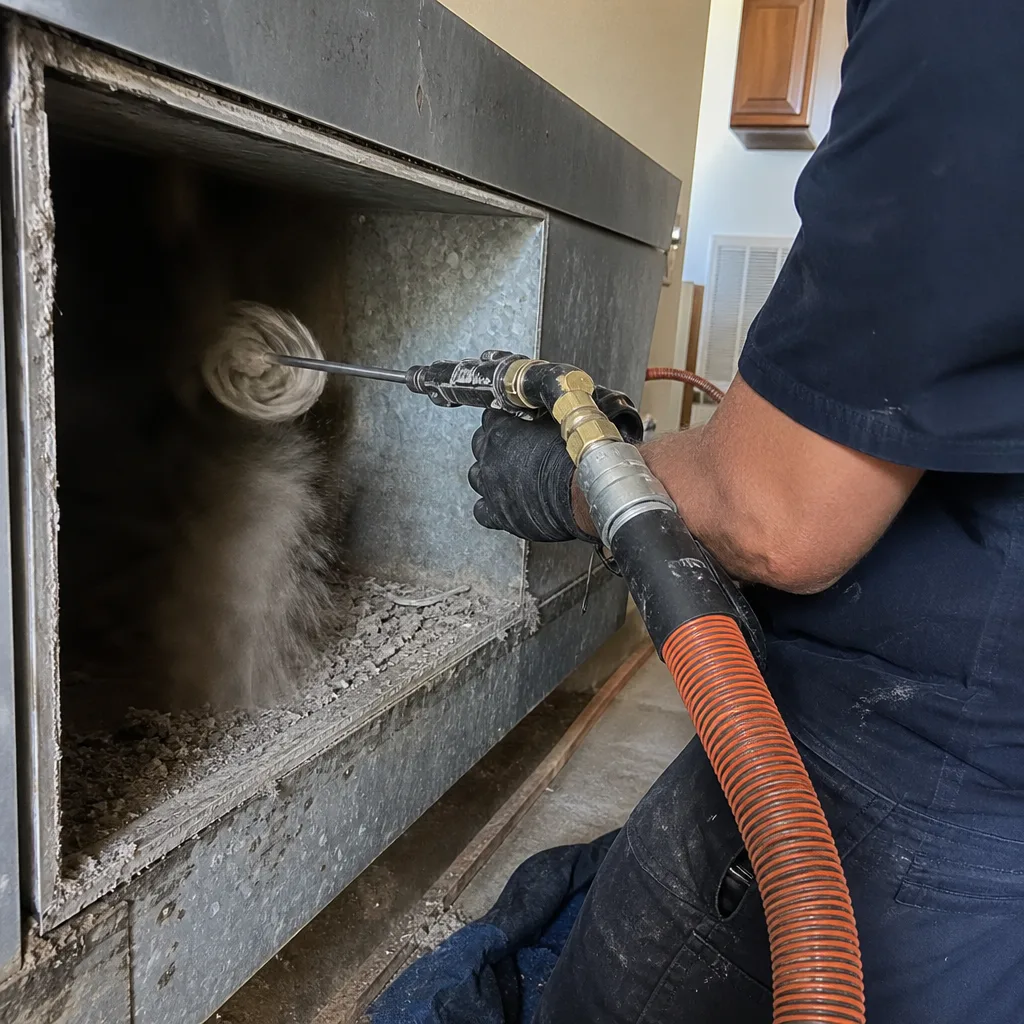
After inspecting duct systems in Spring since 2013, the camera turns up similar patterns with regularity. This isn’t a scare list – it’s what the footage actually shows, described the way we’d describe it to you on-site.
Flex Duct Compression and Collapse
Flex duct – the corrugated plastic tube used in most Spring-area homes – is designed to run in smooth, low-angle curves. In attics where someone has walked through and compressed the duct, or where the original installation left excess length coiled in the run, the interior can be partially or fully blocked. The camera shows this clearly: the circular cross-section narrows to an oval or crescent. On a 6-inch flex duct, even a 30-percent compression cuts airflow more than most homeowners expect.
Debris Accumulation at Elbows and Register Boots
Dust, lint, and particulate collect where airflow slows – which is at every bend and at the register boot, the metal fitting that transitions from the flex run to the ceiling or floor register. In homes with older filtration or no filtration upgrades, the camera regularly finds a visible debris bed at the first 90-degree elbow off the trunk. On systems paired with a standard 1-inch filter rather than a higher-MERV unit like an Aprilaire media filter, accumulation is faster and more pronounced.
Disconnected Joints at the Plenum
The plenum is the sheet-metal distribution box attached directly to the air handler. Flex duct attaches to it with clamps and mastic sealant or foil tape. Over time – and in Spring’s attic temperature extremes – adhesives degrade and connections loosen. The camera shows a gap at the plenum connection where conditioned air escapes into the attic rather than traveling to the living space. This is a common finding in homes built before 2000, and it’s one of the harder items to catch without a camera because the gap may be only a quarter-inch at the visible face.
Biological Growth on Liner Surfaces
Spring’s humidity, combined with condensation that forms inside a duct system when the air handler is cooling, creates conditions where mold can establish on the inner liner surface. The camera shows discoloration – gray, black, or greenish patches – on the duct wall interior. This finding changes the scope of any subsequent cleaning work - including whether commercial duct cleaning protocols are warranted - and affects whether sanitizing is part of the recommendation. The written report names exactly which runs showed this and which did not.
FAQs – Video Inspection in Spring, TX
Does duct video inspection require me to be home?
Yes – and you should be. The value of a CleanRun video inspection is seeing the footage live as the camera moves through your system. You can ask the technician to pause, replay, or explain any finding in real time. Walking away with just a report and no context is a fraction of what the inspection delivers. If your schedule genuinely doesn’t allow it, the recorded video and written report are delivered to you same day, but we recommend being present for at least the walk-through portion. Call (346) 423-3631 and we’ll find a time that works.
Is video inspection always done before duct cleaning?
At CleanRun, the camera runs before any cleaning or repair work begins – every time, without exception. The inspection is what justifies the scope. If a company quotes cleaning without inspecting first, they’re pricing a process, not a result. When you book an Air Duct Cleaning job with us, the pre-cleaning camera run is part of the documented photo record included on every visit – you see the before, and you see the after.
How long does a duct video inspection take in a typical Spring home?
Most single-system homes between 1,800 and 2,800 square feet take 60 to 75 minutes for the full camera run, baseline photos, and written findings report. Dual-zone systems or homes with limited attic access – common in some of the older ranch-style builds in the Klein area – can run 90 minutes to two hours. The written quote you receive before the job starts accounts for the access conditions specific to your home, so the time estimate is real, not optimistic.
What happens if the camera finds something serious, like mold or a collapsed duct?
The technician documents the finding on camera, describes it plainly, and then produces a written scope of work with a line-item price for each remediation option – on-site, before leaving. You are not obligated to proceed with any additional work on the same visit. The inspection report and any repair or remediation quote are yours regardless of what you decide. The 365-Day Done Right Promise applies to any work you do authorize: if it isn’t done right, Tomas Reyes and the CleanRun team make it right – in writing, not at a manager’s discretion.
Key Takeaways
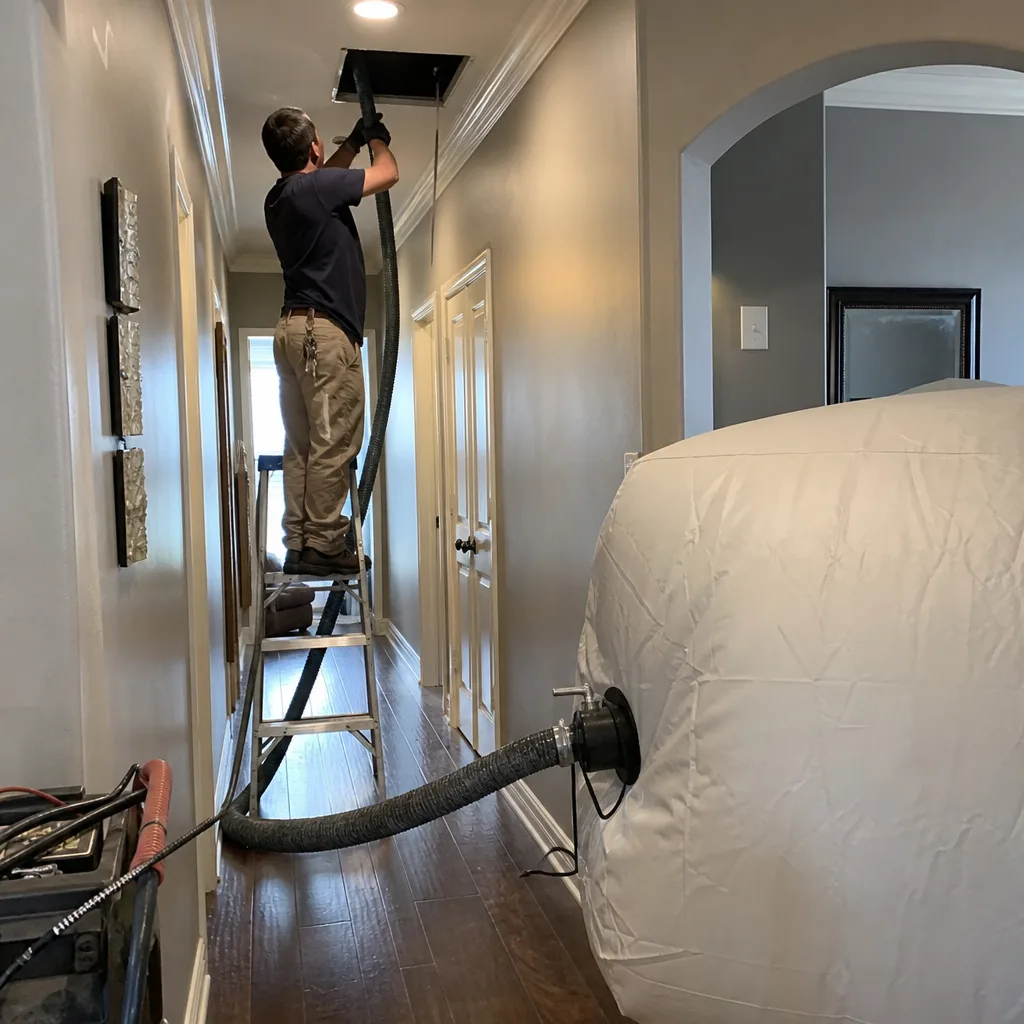
- Video inspection in Spring, TX typically costs $95 to $225 depending on system size and attic access conditions.
- The inspection produces a recorded video, still images of every significant finding, and a plain-language written report – delivered on-site before the technician leaves.
- Common findings in Spring homes include flex duct compression, debris accumulation at elbows, disconnected plenum joints, and biological growth on liner surfaces.
- Haven Standard Clause 1 means the written price is delivered before the camera enters the system – no exceptions.
- Haven Standard Clause 3 means the technician is background-checked, uniformed, and identified by name before arrival.
- Every job is backed by the 365-Day Done Right Promise, in writing.
- CleanRun has served more than 52,000 homes since 2013 with a written price before work and a documented photo record when the crew leaves.
Schedule Your Video Inspection in Spring
If you want to know what’s actually inside your duct system before deciding what to do about it, a written quote is the first step – not a visit from someone with a vacuum and an invoice. Call CleanRun Air Duct Cleaning Spring at (346) 423-3631 and a live person will walk you through the inspection scope, confirm the written price range for your home’s configuration, and get you on the schedule. The home of documented duct work in Spring starts with a phone call and ends with a written record of every run.
Written by Tomas Reyes, Owner at CleanRun Air Duct Cleaning Spring, serving Spring.