
Last updated September 23, 2026
Whole-system duct and dryer vent check with before-and-after photos - you see exactly what came out of your vents
That "$99 whole-house special" is a bait ad - the real number appears once they are in your hallway, or the "clean" is a shop-vac at the register. We photograph the inside of your ducts before and after instead.
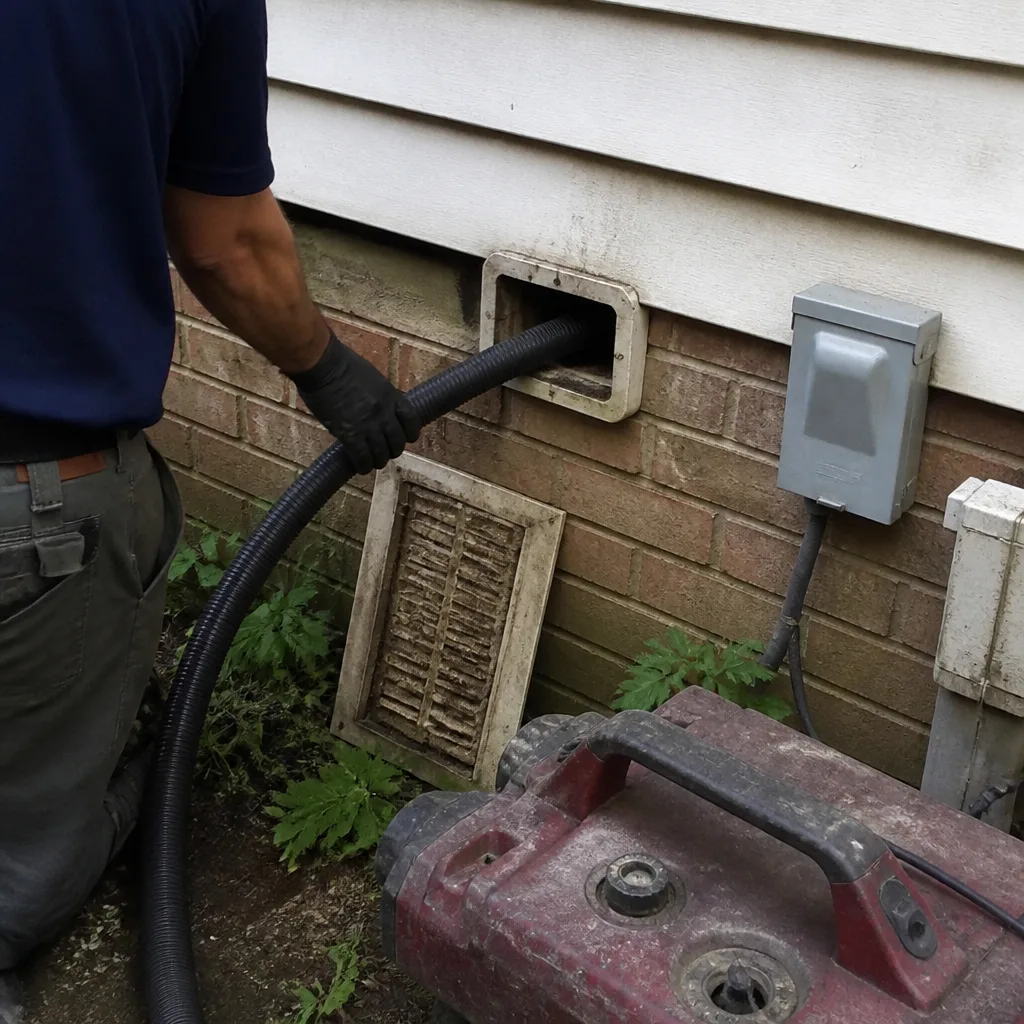 Before
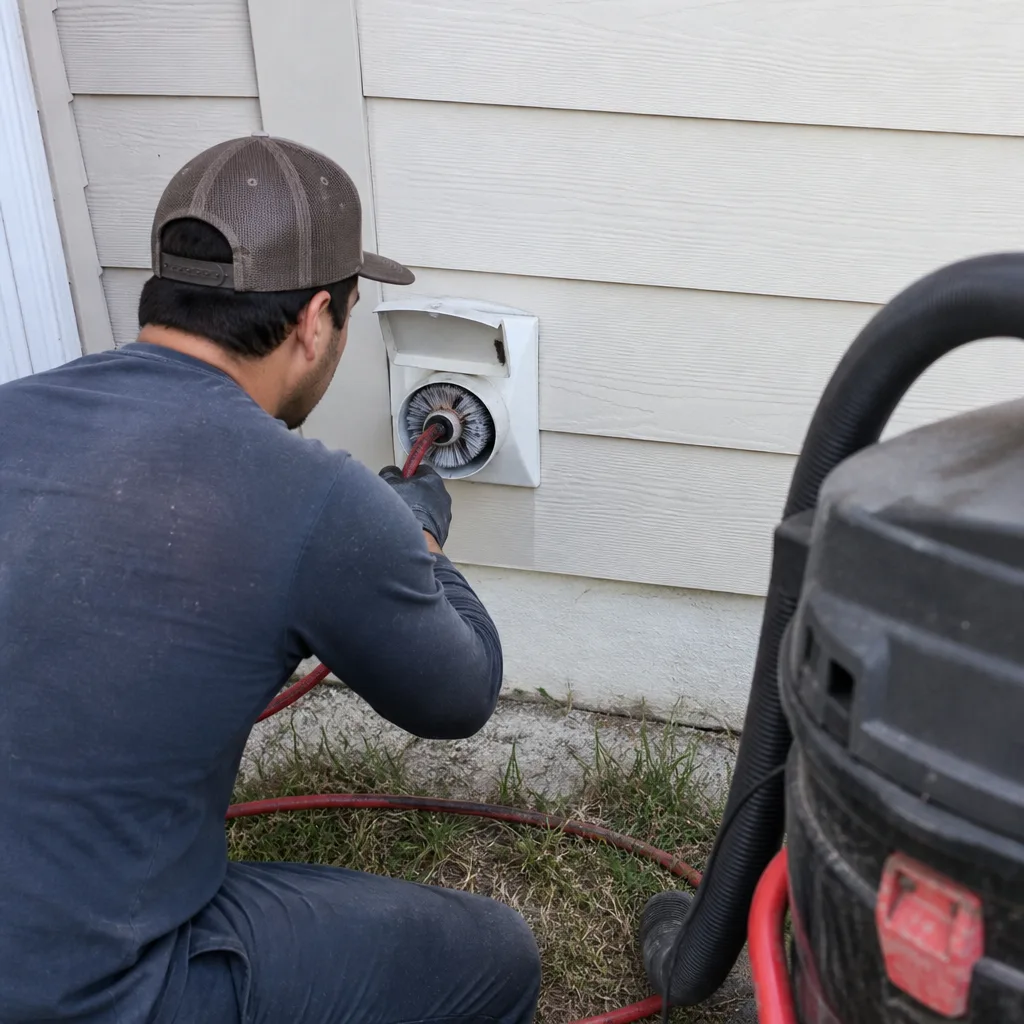 After
After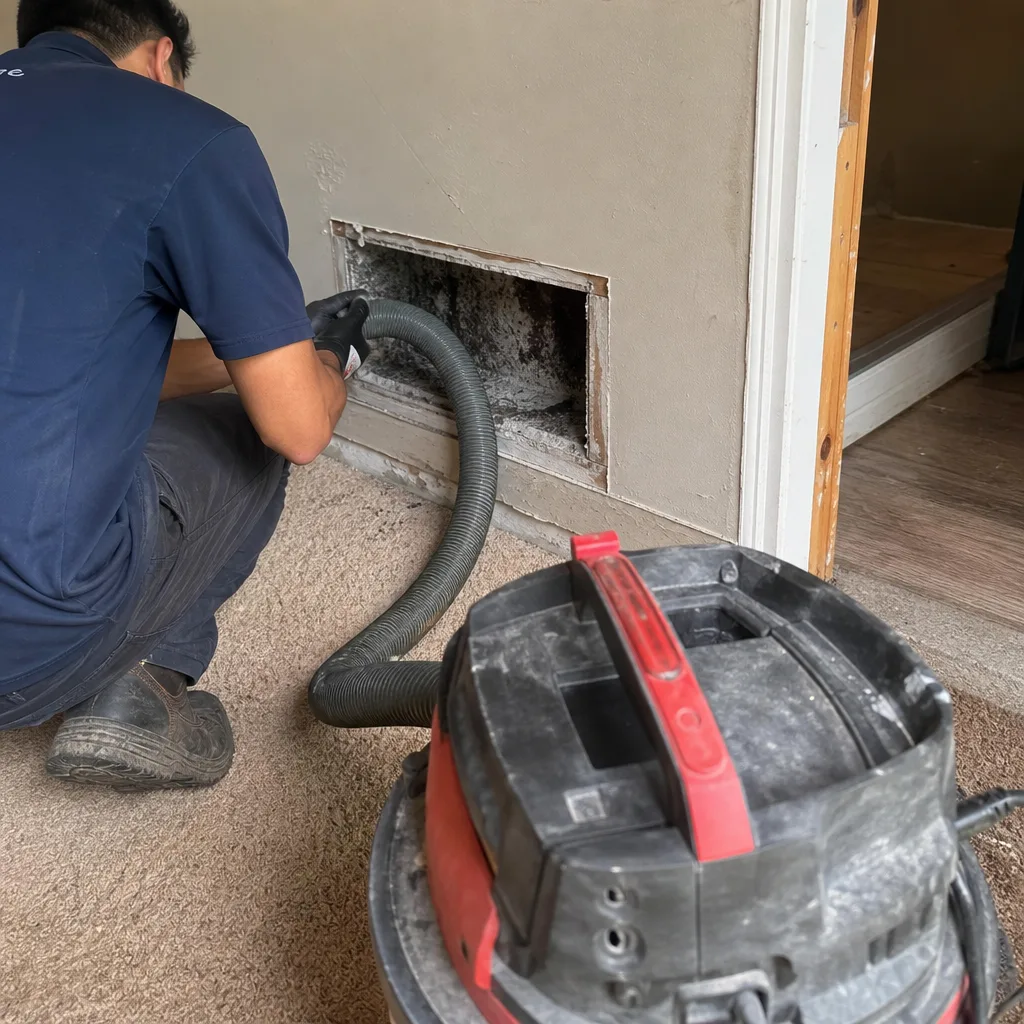 Before
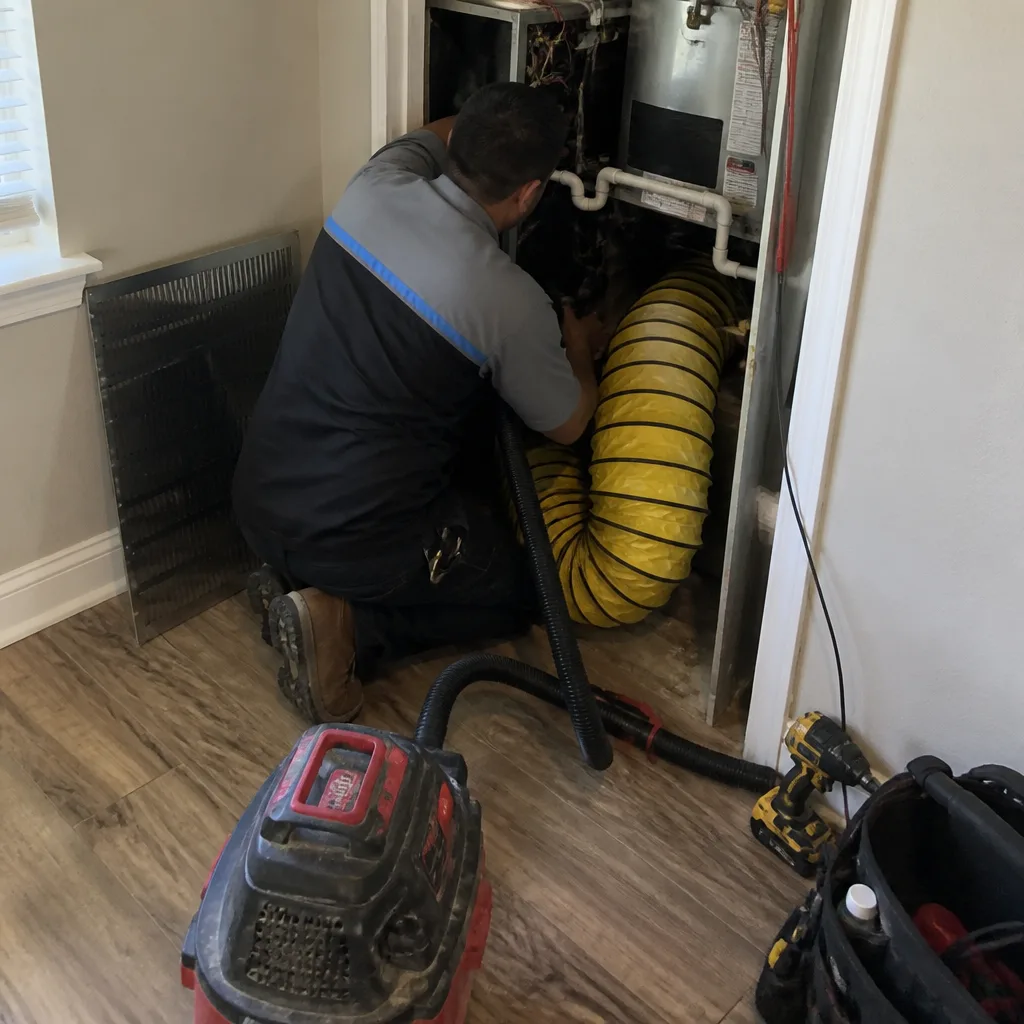 After
After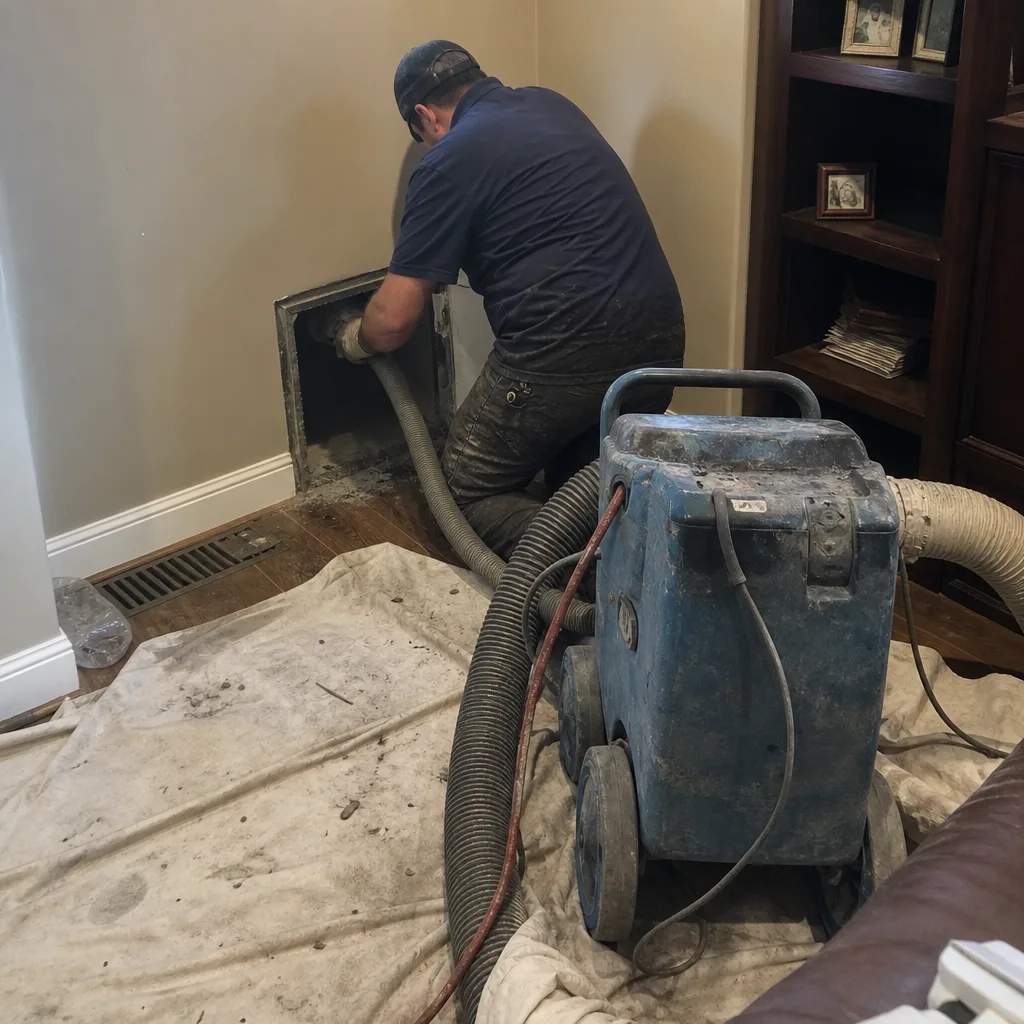 Before
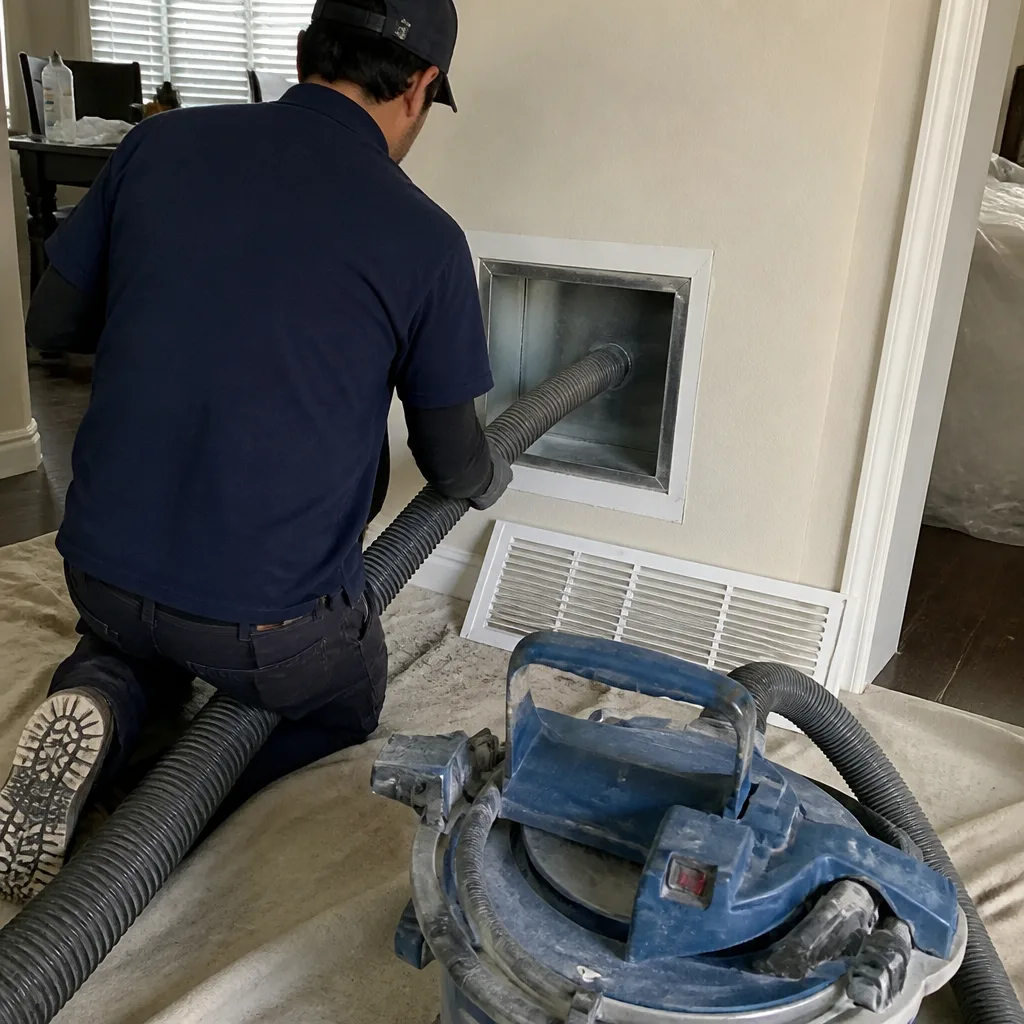 After
AfterThe Complete Guide to Air Duct Cleaning in Spring
Here’s something most Spring homeowners haven’t heard: the EPA does not recommend routine air duct cleaning. No fixed schedule, no seasonal ritual, no “every three to five years” rule. The only valid reason to clean your ducts is documented evidence of a specific problem. That $79 coupon in your mailbox? It’s selling a visit, not a solution. In this Air Duct Cleaning guide, we’ll show you exactly what legitimate service includes, what your final report should contain, and how to spot the difference between real work and vacuum noise before anyone touches your system. Spring’s combination of high summer humidity, Bermuda grass pollen seasons, and slab-on-grade construction creates contamination patterns that generic cleaning simply misses.
Quick Answer
Legitimate air duct cleaning in Spring, TX covers five system components (supply registers, return registers, main trunk lines, branch runs, and the air handler cabinet), uses negative-pressure extraction equipment, and delivers a documented photo record of every duct run before and after. A full-system cleaning for a typical 2,000-square-foot Spring home ranges from $450 to $850, with written pricing agreed before work starts.
Table of Contents
- What Legitimate Air Duct Cleaning Actually Includes
- The Specific Contaminants Found in Spring, TX Ductwork
- Why Spring’s Slab-on-Grade Construction Changes Everything
- What a Real Before-and-After Photo Record Should Show
- Three Questions That Reveal Whether a Quote Covers the Full System
- Equipment and Method Standards That Separate Real Work From Noise
- What Air Duct Cleaning Costs in Spring
- Common Mistakes to Avoid
- When to Call a Professional
- Frequently Asked Questions
BeforeAfterWhat Legitimate Air Duct Cleaning Actually Includes
The NADCA ACR standard defines five components that must be cleaned for a job to qualify as complete. Skip any one, and you’ve paid for partial work with full-system consequences.
- Supply registers - the visible vents where conditioned air enters each room. These are the easiest to clean and the only component most coupon services touch.
- Return registers - the larger grilles that pull air back toward the air handler. These collect more debris than supply vents because they draw air inward, capturing loose particles from the living space.
- Main trunk lines - the large rectangular or round ducts that run from the air handler to the branches serving each room. These are the highways of your system, and they’re where the heaviest accumulation occurs.
- Branch runs - the smaller ducts that connect trunk lines to individual registers. In Spring homes built 2015-2025, these are often flex duct (insulated flexible tubing) that sags between supports, creating low points where debris collects.
- Air handler cabinet - the metal box containing your blower motor, evaporator coil, and filter rack. If this isn’t cleaned, the debris you removed from ducts simply recirculates through a dirty blower.
When any of these five components is skipped, the system isn’t clean. It’s selectively cleaned, which is functionally the same as not cleaned. Debris migrates from dirty sections to clean ones within hours of the blower cycling.
The written scope of work you receive before any work starts - Haven Standard Clause 1 - must explicitly list each of these five components. If it doesn’t, you’re buying an undefined service. We’ve reviewed competitor quotes in Spring that described “full duct cleaning” while explicitly excluding trunk lines and the air handler in the fine print.
Air Duct Cleaning in Spring from CleanRun includes all five components on every job, with each listed in the written scope delivered before work begins.
The Specific Contaminants Found in Spring, TX Ductwork
Spring’s climate and geography produce contamination patterns that don’t exist in other Texas markets. Understanding what you’re actually breathing helps you recognize when cleaning is warranted and when a contractor is inventing problems.
Bermuda grass pollen infiltration. Spring sits in the southeast Texas coastal plain, where Cynodon dactylon (Bermuda grass) dominates lawns, golf courses, and undeveloped lots from April through October. The pollen is small (20-25 microns), dry, and prolific. It enters duct systems primarily through return-side leaks - gaps between the return register and drywall, or separations in return ductwork in unconditioned attic spaces. Once inside, it accumulates on duct walls and becomes a year-round reservoir that releases with every blower cycle, even outside pollen season.
Microbial growth from high-humidity summers. Spring averages 75-90% relative humidity from June through September. When cool conditioned air passes through ducts in hot, humid attic spaces, condensation forms on duct exterior surfaces. If the duct insulation is compromised, or if there are gaps in the vapor barrier, that moisture reaches the interior. The result is visible growth on duct walls, particularly at seams and where flex duct sags below the insulation level. We’ve photographed this pattern in Spring homes in Gleannloch Farms, Harmony, and Auburn Lakes - typically in houses built 2017-2021 where attic ventilation was undersized for the envelope tightness.
Construction debris in newer homes. Homes built during Spring’s 2015-2025 construction boom often contain drywall dust, wood particulate, and insulation fragments from the build process. This material is light and stays suspended until the system runs continuously, then plates out on duct walls. It’s most visible in the first 10 feet of trunk line from the air handler, where velocity is highest and particles impact rather than float.
Pet dander and skin cell accumulation. Not unique to Spring, but accelerated here by the extended cooling season. The blower runs 8-10 months annually in most Spring homes, compared to 4-6 months in northern markets. More runtime equals more air changes equals more particulate deposition.
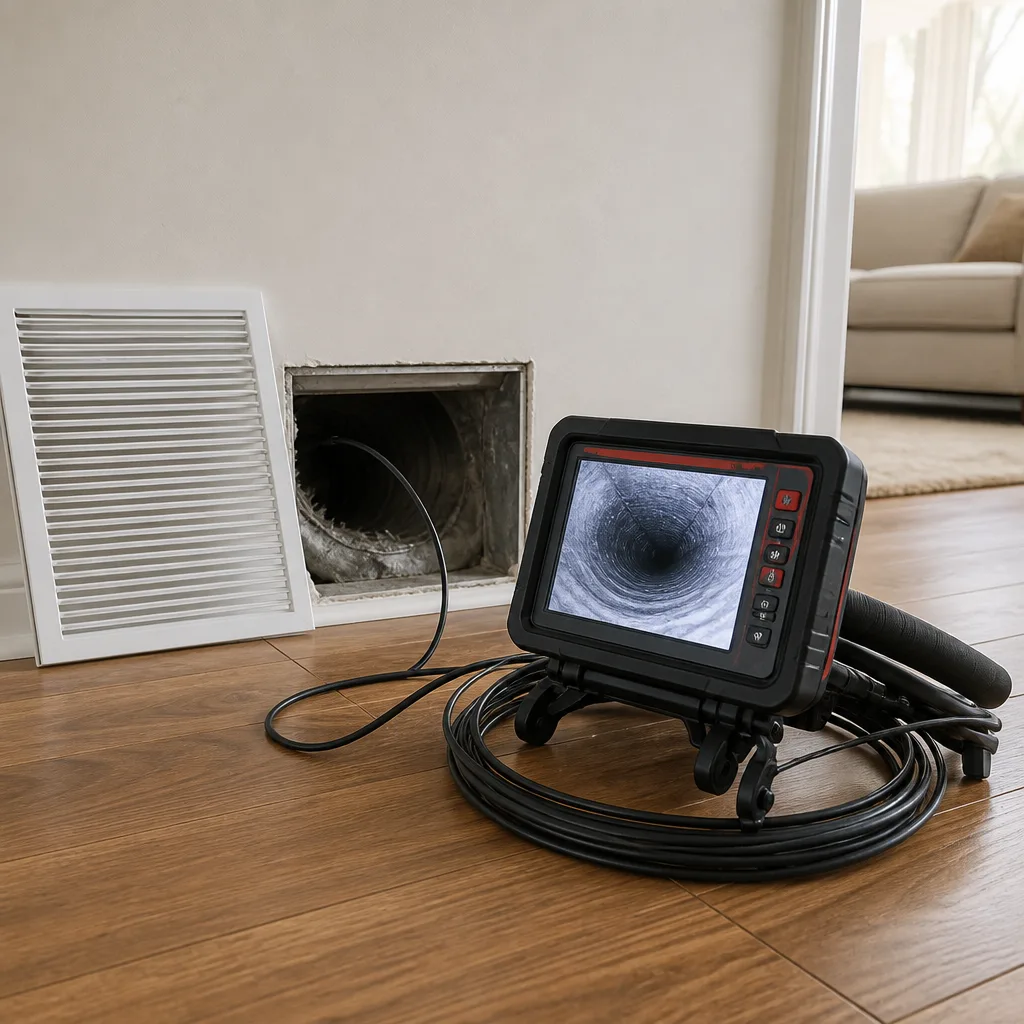
A legitimate inspection uses a borescope camera to identify which of these contaminants is present, where, and in what quantity. The photo record should show the specific material, not just generic “dirty duct” images.
Why Spring’s Slab-on-Grade Construction Changes Everything
The vast majority of Spring homes built since 1990 are slab-on-grade construction with duct systems located in the attic. This combination creates a debris accumulation pattern that shop-vac-style cleaning cannot address.
Here’s how it works. In slab construction, the air handler sits in a closet or garage, with supply and return trunk lines running horizontally through the attic to reach each room. Flex duct branch runs drop from the trunk to ceiling registers. The horizontal trunk lines - particularly supply trunks - develop low-velocity zones where debris settles. In pitched attics with limited clearance, these trunks are often pressed against ceiling joists or roof decking, creating flat spots where material accumulates in layers.
Shop-vac equipment, or rotary brush systems without negative-pressure containment, cannot extract this settled material. The brush disturbs it, the vacuum captures some fraction near the access point, and the remainder becomes airborne inside the duct. Without negative pressure - suction that pulls dislodged debris toward the collection device rather than letting it escape into the living space - you’re redistributing contamination, not removing it.
Spring’s clay soils compound the issue. Slab foundations experience more differential settlement than pier-and-beam construction, and that movement flexes duct connections. Separations at trunk-to-branch connections create leakage points that draw attic air - and attic debris - into the system. A 2022 study of Houston-area duct systems found average leakage of 15-25% of total airflow, with higher rates in slab homes over 10 years old. Cleaning ducts without sealing these leaks addresses symptoms, not causes.
We document this with photos at the furthest point of each trunk line, where accumulation is typically heaviest. If your contractor’s photo record shows only register faces and the first few feet of duct, the horizontal runs - where the real problem lives - were likely not cleaned.
What a Real Before-and-After Photo Record Should Show
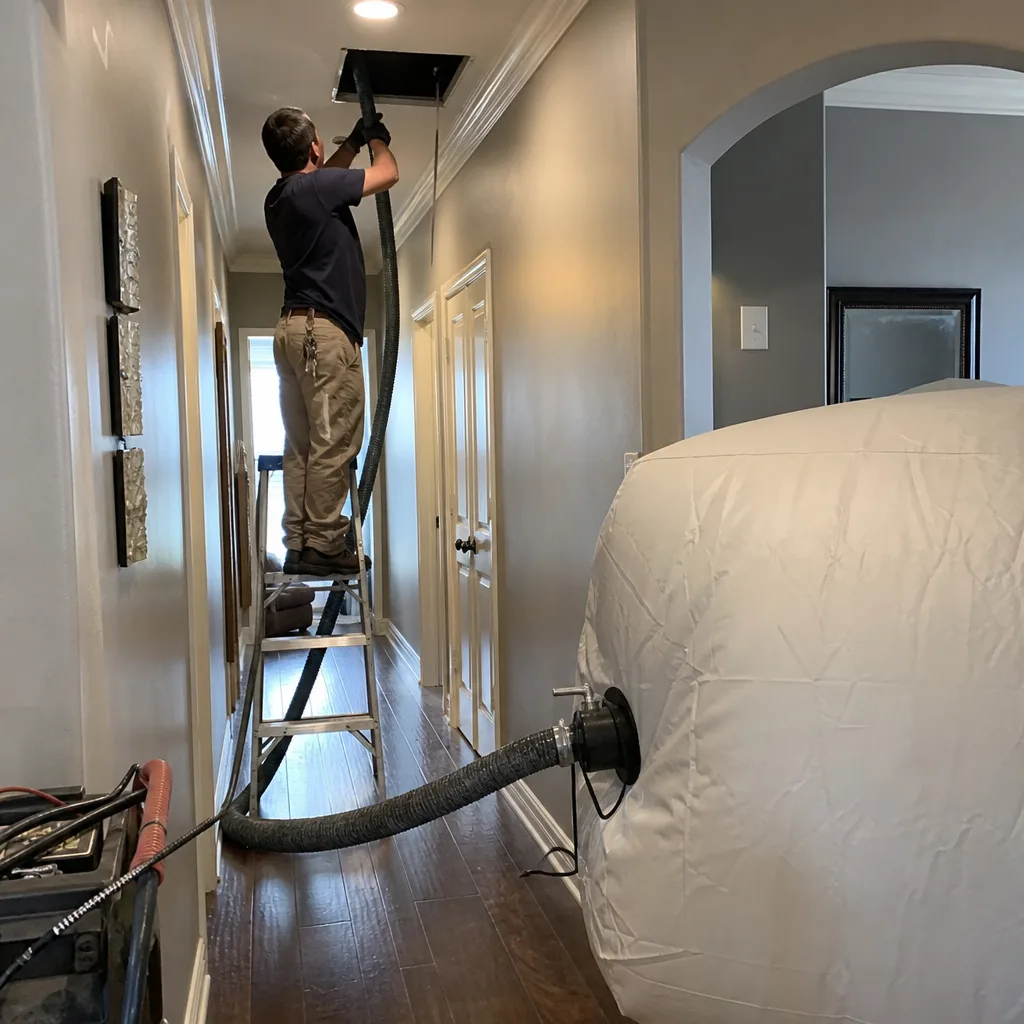
The photo record is where most “duct cleaning” services reveal themselves as register vacuuming. Here’s what a legitimate documented record contains, and what you should demand before paying.
The furthest point from the air handler. In every duct run, debris accumulates where velocity drops. For supply runs, that’s typically the register end. For return runs, it’s often at the trunk connection. The photo must show the duct interior at this furthest point, not just the register face. A clean register face proves nothing about the 20 feet of duct behind it.
The trunk line at mid-span and at the air handler connection. These are the highest-volume, lowest-velocity zones where material layers build. A before photo showing 1/8-inch debris coating at mid-span and an after photo showing bare metal is verifiable evidence of work performed.
The air handler cabinet interior. Specifically the blower wheel blades, evaporator coil face, and filter rack. These components are downstream of duct cleaning; if they’re still dirty, the system will recontaminate cleaned ducts within days.
Each photo date- and time-stamped, with location labels. “Master bedroom supply, 14 feet from register” - not “bedroom vent.” Specificity prevents substitution of stock photos.
CleanRun’s Documented Photo Record, included on every visit since our first job in 2013, delivers all of the above as a standard job record. Customers receive digital access to their photo set, with each image labeled by duct run and distance from reference point. Haven Standard Clause 4: Documented Outcomes.
If a contractor offers “before and after photos” but cannot specify exactly which duct runs were photographed, at what points, and how those points were selected, you’re looking at marketing, not documentation.
Three Questions That Reveal Whether a Quote Covers the Full System
The duct cleaning industry’s bait-and-switch reputation exists because most quotes are deliberately ambiguous. These three questions expose the gap between promised and delivered scope.
Question 1: “Does this price include the air handler cabinet, and is that stated in writing?”
Many quotes define “system” as registers and accessible trunk lines only. The air handler - blower, coil, cabinet interior - is treated as an add-on or excluded entirely. Yet it’s the component that determines whether cleaned ducts stay clean. If the written scope doesn’t explicitly list “air handler cabinet interior cleaning,” it’s not included. Period.
Question 2: “How many duct runs are included, and what happens if my system has more?”
The per-vent pricing model - $X per register, with a minimum - incentivizes speed over completeness. Worse, it creates a mid-job upsell when the technician “discovers” additional runs. A legitimate quote specifies a flat price per system, covering all supply and return runs serving the home, with no per-vent calculation. CleanRun’s written pricing under Haven Standard Clause 1 names one flat price for the complete system before any panel comes off.
Question 3: “What equipment will be used, and can I verify the manufacturer?”
Shop vacuums with 25-foot hoses, rotary brushes without containment, and compressed air whips without extraction - these are the tools of partial cleaning. Professional-grade equipment comes from recognized manufacturers: Nikro for negative-pressure collection systems, Abatement Technologies for HEPA-filtered vacuums, Honeywell for air quality verification tools. A contractor who cannot name their equipment manufacturer, or who describes tools generically (“industrial-strength vacuum”), is not performing NADCA-standard work.
The written scope must answer all three questions explicitly. Verbal assurances, website claims, and “trust us” language are not substitutes. For How to Hire a Air Duct Cleaning Contractor in Spring: A Step-by-Step Guide and other help, CleanRun provides a Free Second Opinion on any written estimate - bring a competitor’s quote, and we’ll put our scope and price next to it in writing, line by line.
Equipment and Method Standards That Separate Real Work From Noise
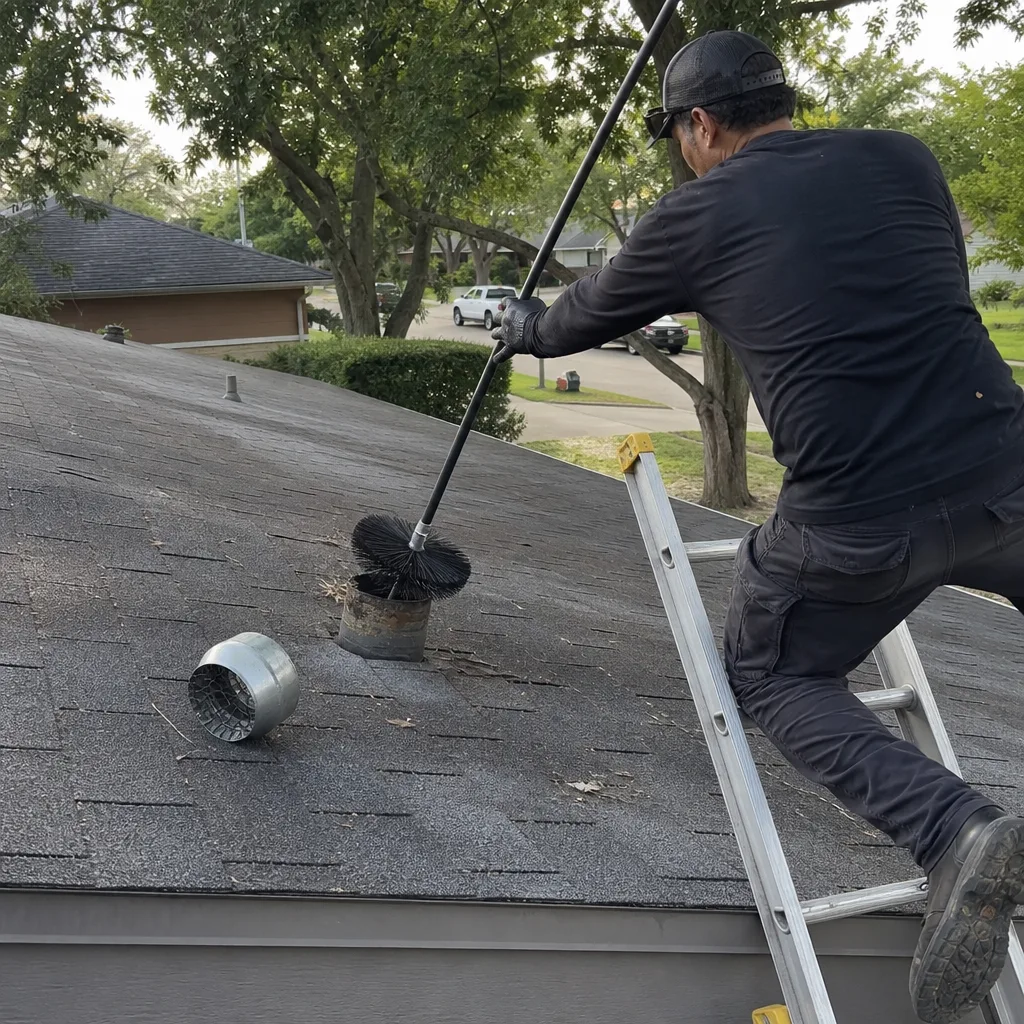
Equipment names matter because they determine what the work can actually accomplish. Here’s what professional-grade duct cleaning requires, and what each component does.
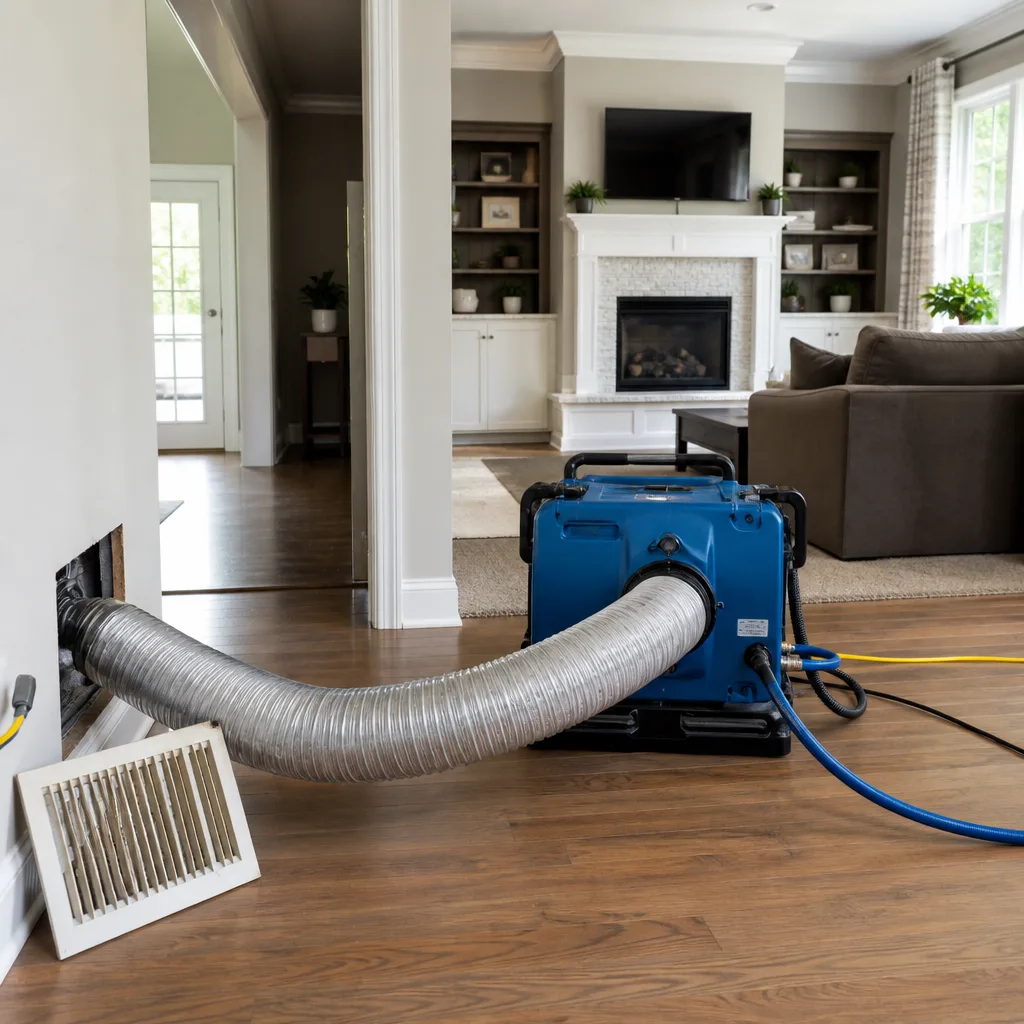
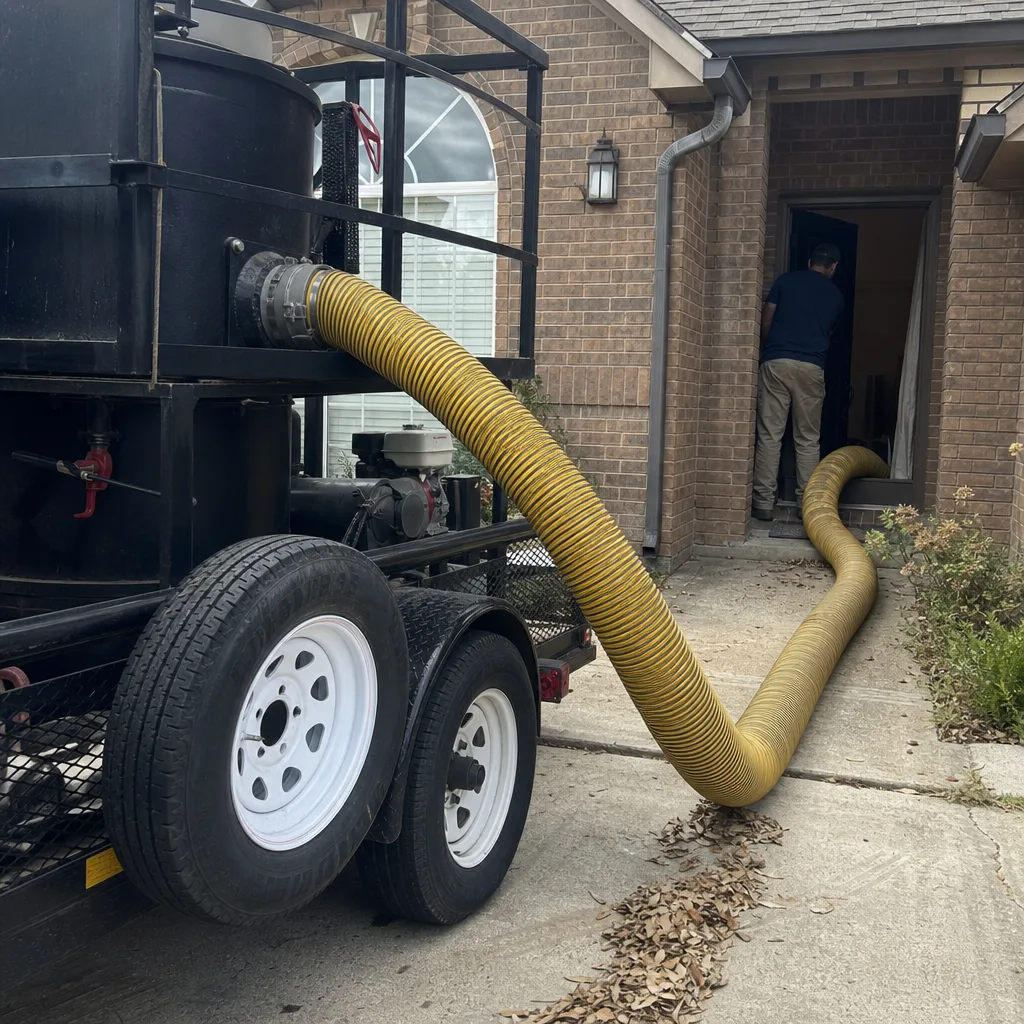
Negative-pressure extraction. The duct system is placed under vacuum - typically 2,000-4,000 CFM - while agitation tools dislodge debris. This ensures dislodged material is captured at the collection point, not released into the home. The vacuum source is typically a gas-powered or high-electric unit mounted on the service vehicle, not a portable shop vacuum. Nikro and Abatement Technologies manufacture the collection systems we use on Spring jobs.
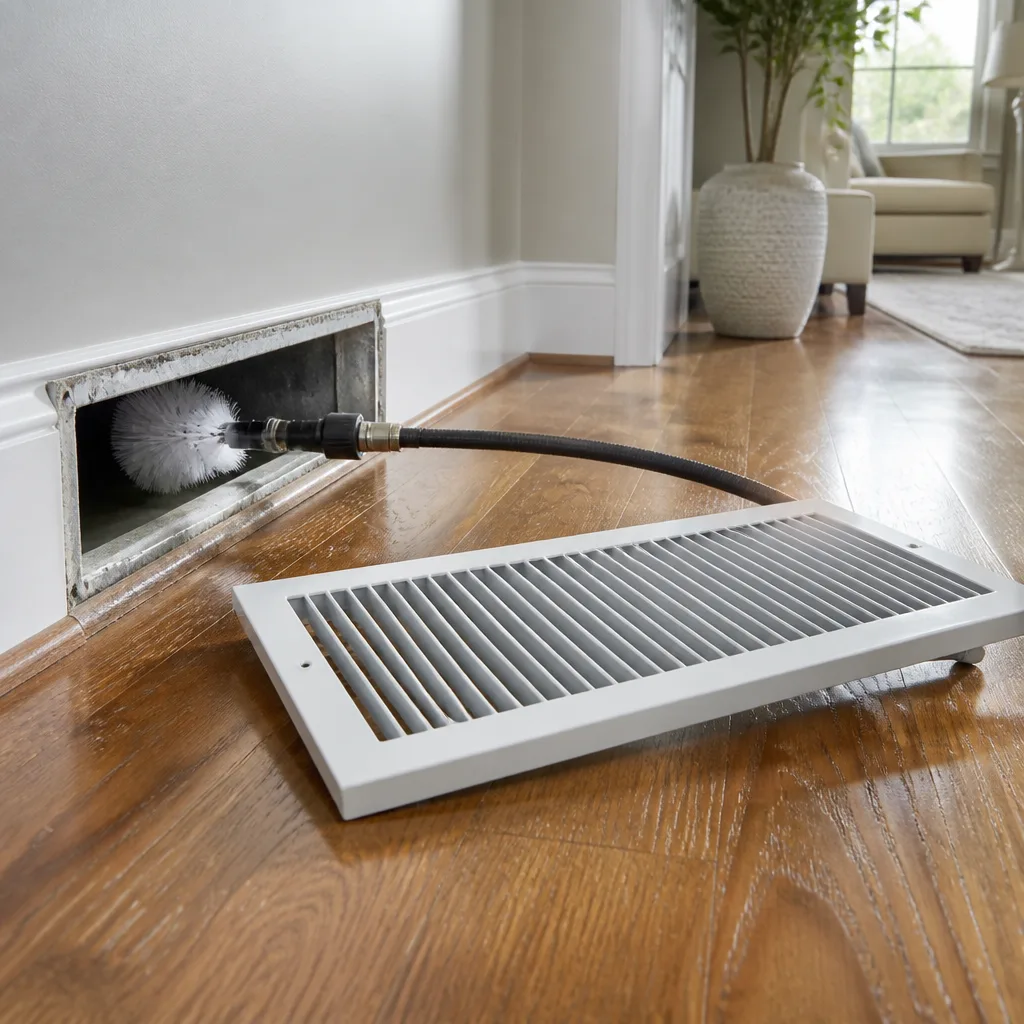
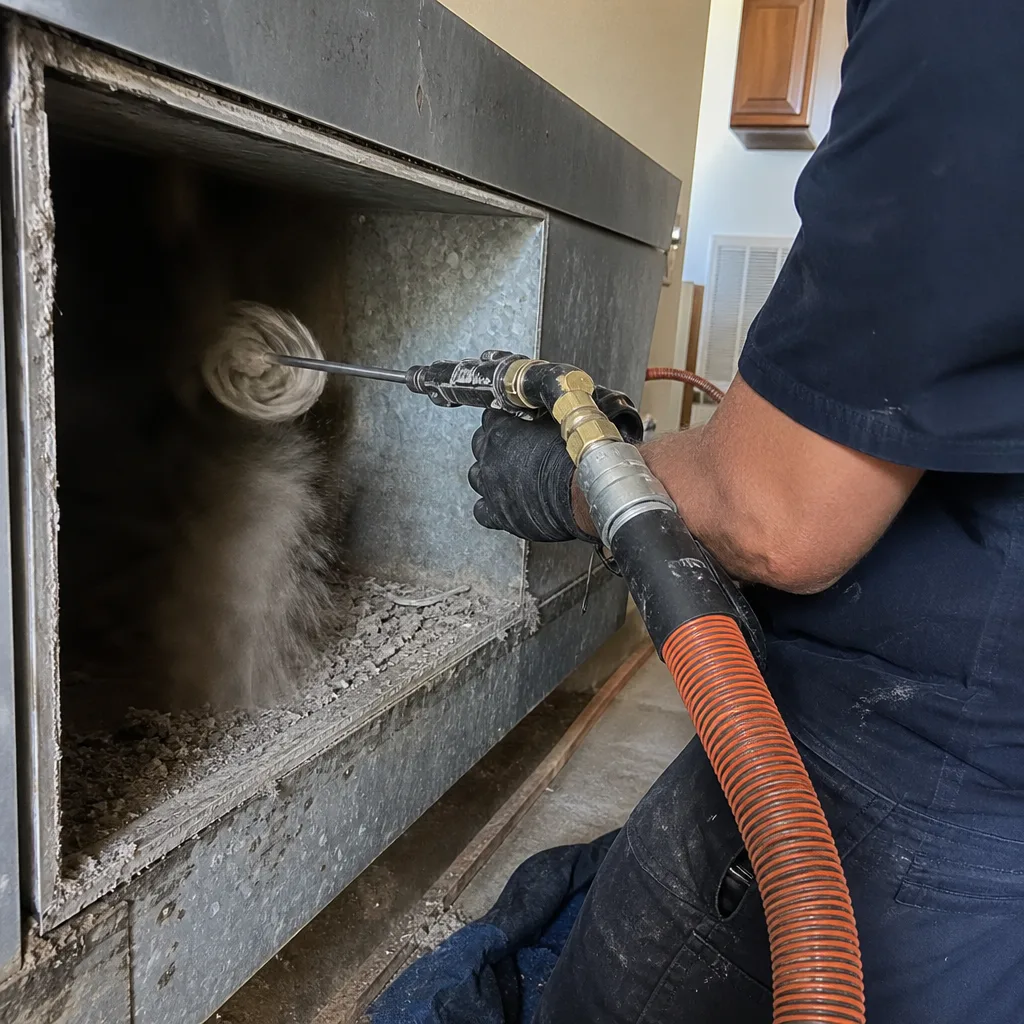
Mechanical agitation. Brushes, whips, or compressed air tools break debris free from duct walls. The key variable is contact: the tool must reach all duct surfaces, including the bottom of horizontal runs where debris settles. For flex duct, soft-bristle rotary brushes prevent damage to the interior liner. For metal trunk lines, stiffer brushes or pneumatic whips are appropriate.
HEPA filtration on exhaust. The collection vacuum must exhaust through HEPA filtration - 99.97% efficiency at 0.3 microns - to prevent captured debris from re-entering the home or the technician’s breathing zone. This is not optional equipment; it’s a health and safety requirement.
Access creation and closure. Proper cleaning requires access points into trunk lines that don’t have existing service openings. These are cut, used, and sealed with code-compliant materials - typically galvanized access panels or mastic-sealed flexible patches. The work must not compromise duct structural integrity or create new leakage points.
Air handler component cleaning. The blower wheel is removed and cleaned independently. The evaporator coil is inspected and cleaned if contaminated - this requires separate tools and chemicals, and must be specified in the written scope. The filter is replaced with customer-provided or technician-supplied media of correct MERV rating for the system.
We name our equipment roster - Rotobrush for rotary agitation, Nikro and Abatement Technologies for negative-pressure collection, Honeywell and Aprilaire for air quality verification - so customers can research manufacturer specifications before agreeing to work. This is evidence-first service, not trust-me marketing.
HVAC Cleaning in Spring addresses the air handler and coil components as a standalone service or as part of complete system maintenance.
What Air Duct Cleaning Costs in Spring
Honest pricing is the antidote to the industry’s coupon-driven bait-and-switch. Here’s what full-system duct cleaning costs in the Spring market, with the variables that move price within each range.
| Home Size / System Type | Price Range | What’s Included |
|---|---|---|
| Small home (1,200-1,800 sq ft), single system, accessible attic | $450-$580 | All five NADCA components, photo record, written scope |
| Mid-size home (1,800-2,800 sq ft), single system | $580-$750 | As above, plus additional branch runs and trunk length |
| Large home (2,800-4,000 sq ft), single or dual system | $750-$1,100 | As above, dual systems priced separately |
| Air handler cabinet deep clean (add-on or standalone) | $180-$280 | Blower removal, coil inspection/cleaning, cabinet sanitization |
| Duct repair and sealing (leakage correction) | $350-$900 | Mastic sealing, access panel installation, leakage verification |
Variables that increase price: multiple attic access points requiring additional setup, severe contamination requiring extended agitation time, flex duct damage requiring repair before cleaning, and homes with more than 12 supply/return runs.
Variables that should NOT affect price: “surprise” additional runs discovered mid-job, “required” sanitizing chemicals not mentioned in the original quote, equipment surcharges, or “deep cleaning” upgrades that should be standard scope. These are the hallmarks of the $79 coupon model.
CleanRun’s pricing under Haven Standard Clause 1: one flat price per system, agreed in writing before work starts, with no per-vent calculation and no mid-job additions. The price you approve is the price you pay.
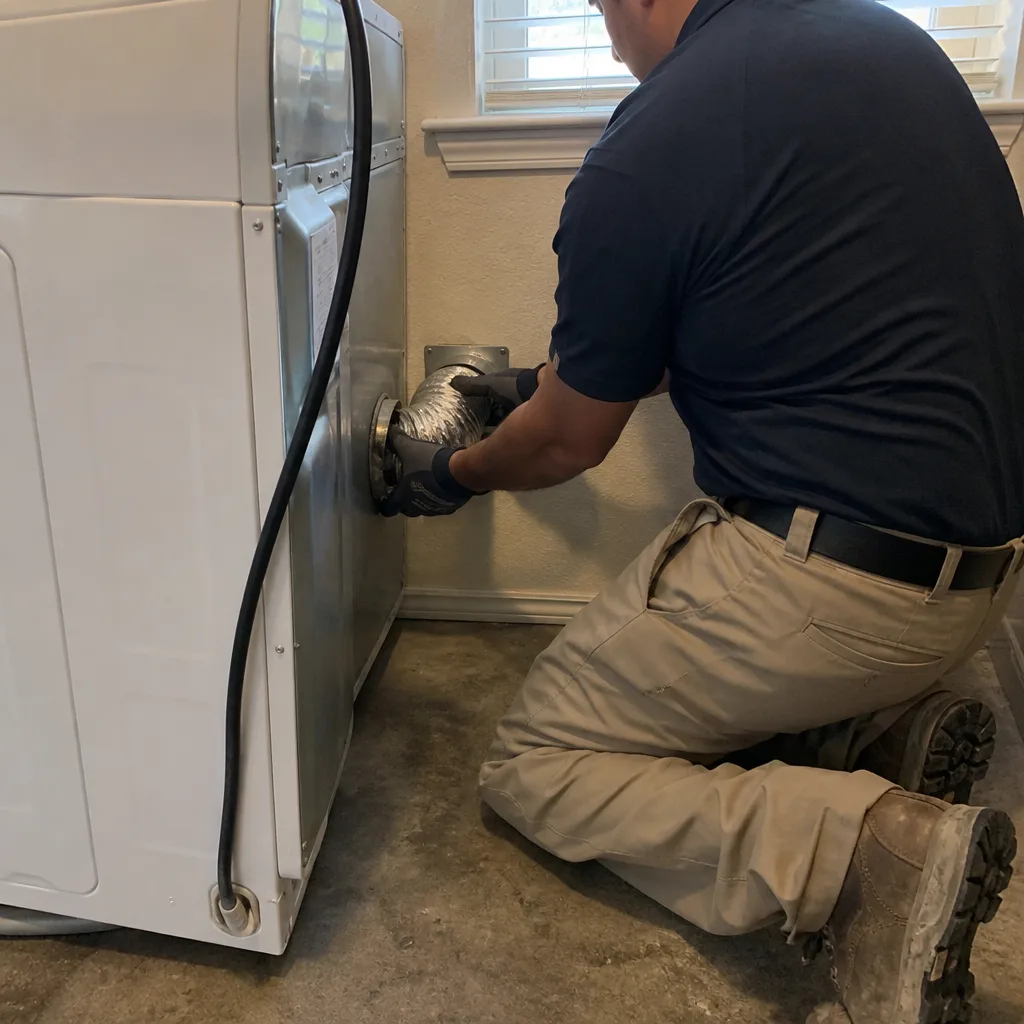
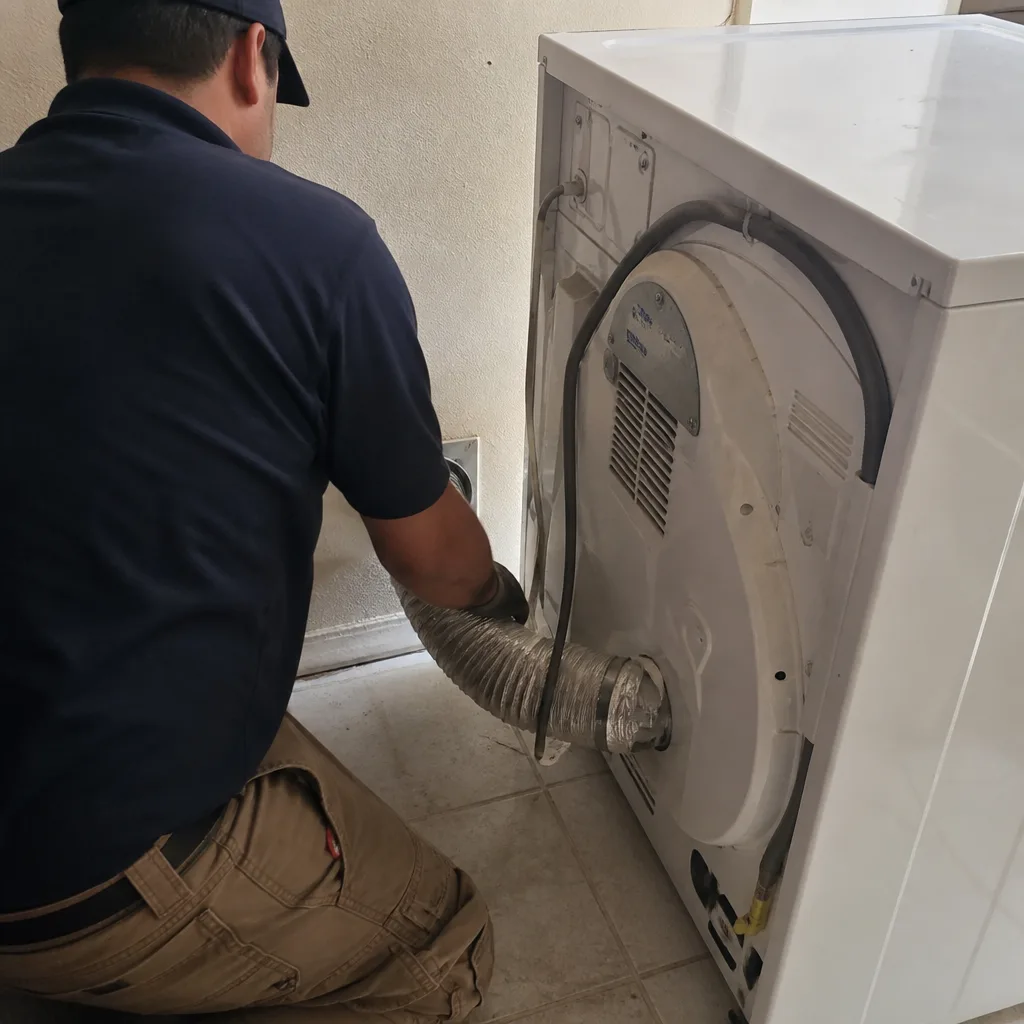
Dryer Vent Cleaning in Spring is typically $120-$180 when bundled with duct cleaning, or $180-$250 as a standalone service.
Common Mistakes to Avoid
- Booking based on coupon price without verifying scope. The $79-$149 offers in Spring mailers universally exclude trunk lines, branch runs, and air handler components. Read the fine print, or better, demand a written scope that names each component explicitly.
- Assuming “sanitizing” or “deodorizing” means cleaning. Fogging chemicals into dirty ducts is not cleaning. It’s applying product to contamination. NADCA standards prohibit chemical application until mechanical cleaning is complete. Any service selling sanitizing as a standalone solution is selling theater.
- Ignoring return-side leakage. In Spring’s pollen-heavy environment, return duct leaks are the primary entry path for outdoor contaminants. Cleaning ducts without sealing these leaks - verified with a pressure pan test or similar - wastes the cleaning investment within one season.
- Accepting photo evidence without location labels. A generic “before” and “after” of brown duct and clean duct proves nothing. Demand photos labeled by specific duct run, distance from reference point, and timestamp. Stock photos are common in this industry.
- Scheduling during active construction or renovation. Drywall work, flooring installation, or painting generates massive particulate loads that immediately recontaminate cleaned ducts. Wait 2-4 weeks after construction completion, then clean.
- Treating duct cleaning as allergy cure-all. The EPA is explicit: duct cleaning has never been proven to prevent health problems. It addresses specific, documented contamination. If you’re experiencing unexplained respiratory symptoms, consult a physician before spending on duct services.
- Hiring unlicensed operators. Texas requires HVAC contractors to hold a TDLR license for work on air handler components. Ask for license number and verify at tdlr.texas.gov. CleanRun publishes our license on every page and provides it on request - Haven Standard Clause 2: Verified Credentials.
When to Call a Professional
Call for an inspection when you have documented evidence of specific contamination: visible debris at registers, musty odors when the blower cycles, reduced airflow at specific vents, or post-renovation dust that standard filtration doesn’t capture. Don’t call because of a calendar reminder or a coupon expiration.
In Spring specifically, schedule inspection if you’ve never had return duct leakage tested - particularly in homes built 2015-2025 where envelope tightness may have outpaced attic ventilation design. The pollen infiltration pattern here is real, measurable, and correctable.
CleanRun Air Duct Cleaning Spring offers free estimates in Spring - call (346) 423-3631. Every estimate includes a written scope, flat pricing, and no obligation. If you have a competitor’s written quote, we’ll provide a Free Second Opinion line by line.
Frequently Asked Questions
A complete, five-component cleaning for a typical Spring home ranges from $450 to $850, with larger homes or dual systems reaching $1,100. Prices below $400 typically exclude trunk lines, branch runs, or the air handler. Call (346) 423-3631 for a written estimate with exact pricing for your system - estimates are free.
Low quotes exclude scope. The $79-$149 offers clean supply registers only, using portable vacuums without negative-pressure containment. They rely on mid-job upsells for trunk lines, air handler access, and “deep cleaning” that should be standard. A written scope from CleanRun names every component and one flat price before work starts - no surprises.
Demand a documented photo record with location labels, timestamps, and images from the furthest point of each duct run - not just register faces. CleanRun’s standard deliverable includes this record for every job, with digital access provided before the crew leaves. If a contractor won’t commit to specific photo documentation in writing, the work cannot be verified.
There is no fixed schedule. The EPA does not recommend routine cleaning. Clean when inspection shows specific contamination: visible debris, airflow reduction, post-construction dust, or verified microbial growth. In Spring’s climate, homes with return-side leakage may need attention every 3-5 years; well-sealed systems may go 7-10 years between services.
Duct cleaning addresses the distribution network (registers, trunk lines, branch runs). HVAC cleaning includes the air handler components - blower, coil, filter rack, and cabinet interior. A complete job addresses both. CleanRun Air Duct Cleaning Spring home provides both services, together or separately, with written scope for each.
Not automatically. Microbial growth requires moisture, food source, and time - humidity alone is insufficient. A borescope inspection determines whether growth is present, what type, and whether cleaning alone is adequate or if moisture source correction is needed. We do not sell “preventive” mold treatments; we document, identify, and address verified growth with appropriate methods.
Register surfaces and visible grille areas, yes - with a vacuum and brush. Interior ductwork, trunk lines, and air handler components require professional equipment for safe, effective cleaning without damage to duct materials or release of contamination into the home. The agitation tools and negative-pressure collection systems used by CleanRun are not available for consumer purchase or rental.
The Bottom Line
Air duct cleaning in Spring is worth doing only when it’s worth doing right: documented contamination, five-component scope, professional negative-pressure extraction, and a photo record that proves the work. The $79 coupon model survives on customer ignorance of what legitimate service includes. This guide gives you the framework to demand specifics - written scope, equipment names, photo documentation, flat pricing - and to recognize evasion when you hear it. Spring’s climate and construction patterns create real duct contamination issues. Address them with evidence-based service, not scheduled theater.
CleanRun Air Duct Cleaning Spring has served 52,000+ homes since 2013, every one with a written price before work started and a Documented Photo Record when the crew left. The 365-Day Done Right Promise backs every job in writing. Call (346) 423-3631 for a free estimate, or bring us any competitor’s written quote for a Free Second Opinion.
Written by Tomas Reyes, Owner at CleanRun Air Duct Cleaning Spring, serving Spring since 2013.