
Last updated September 23, 2026
Whole-system duct and dryer vent check with before-and-after photos - you see exactly what came out of your vents
That "$99 whole-house special" is a bait ad - the real number appears once they are in your hallway, or the "clean" is a shop-vac at the register. We photograph the inside of your ducts before and after instead.
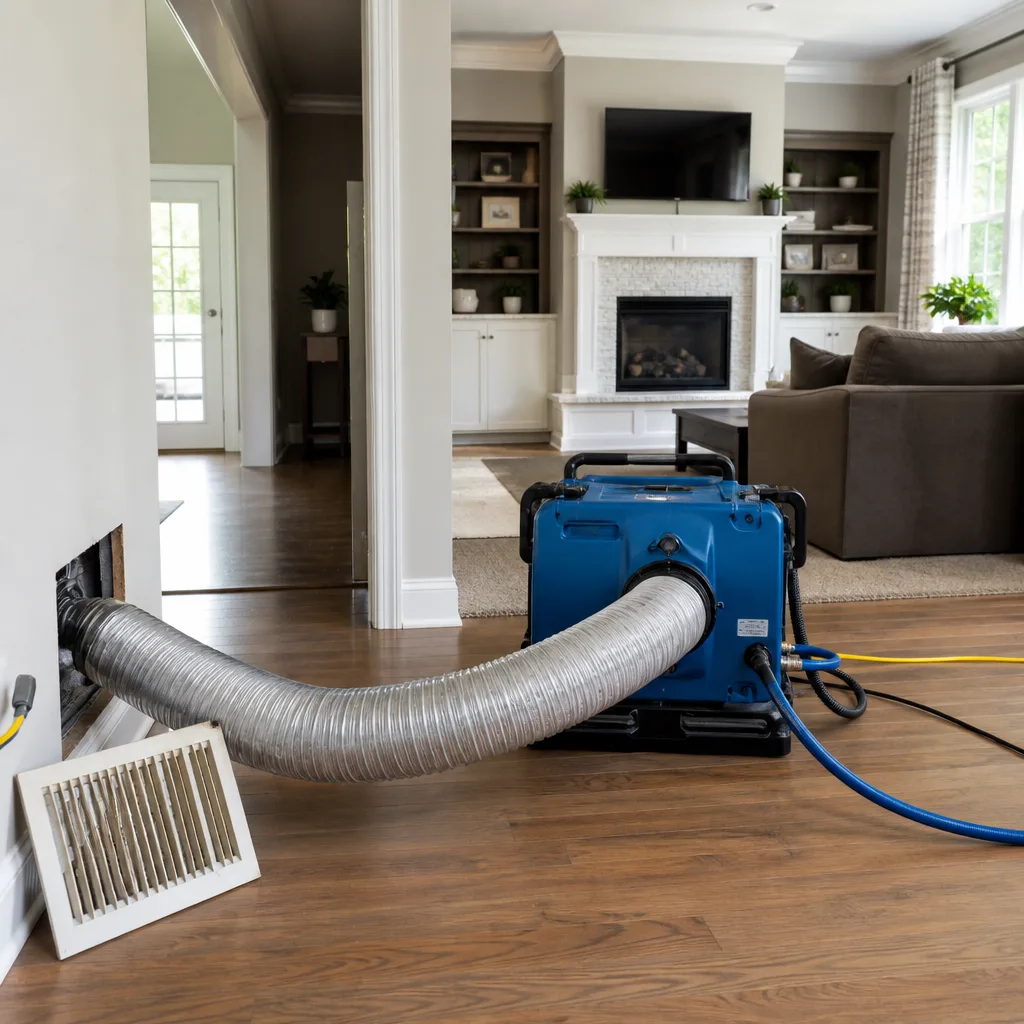
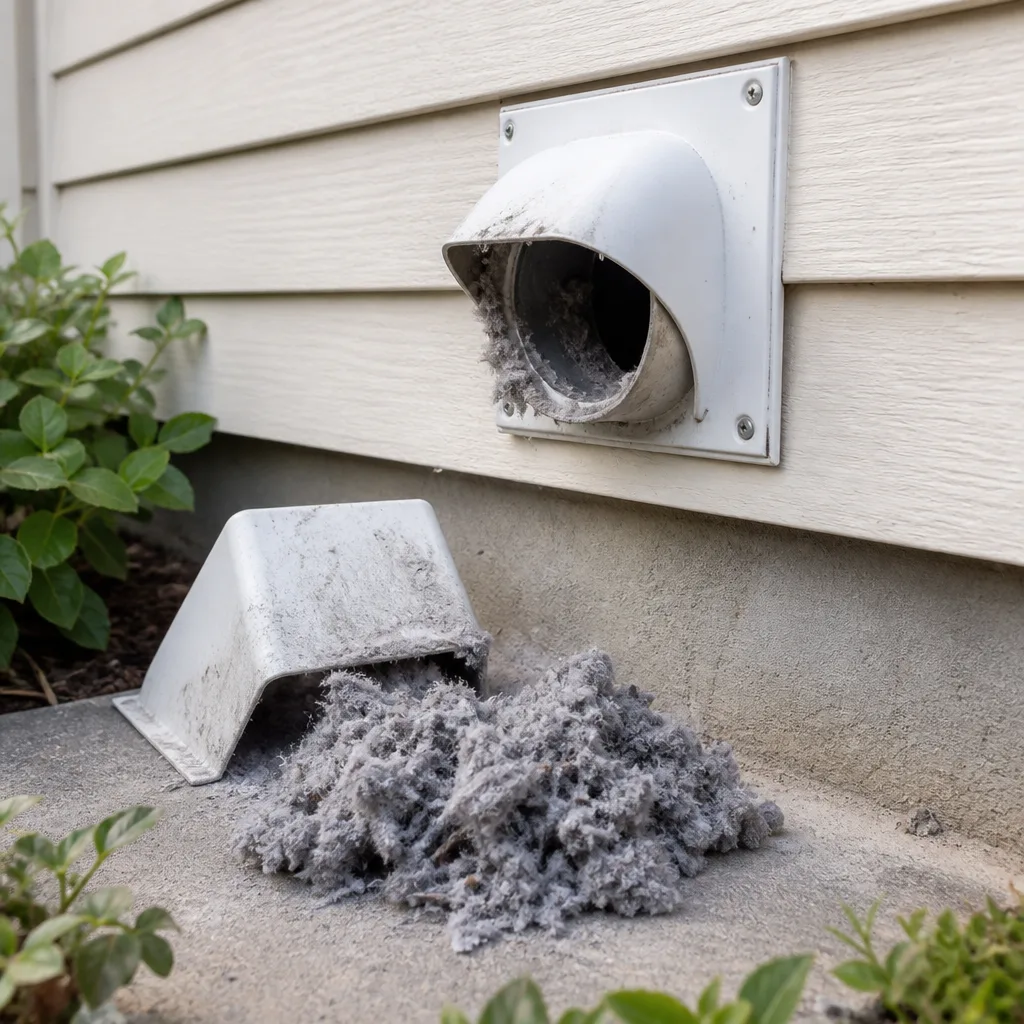
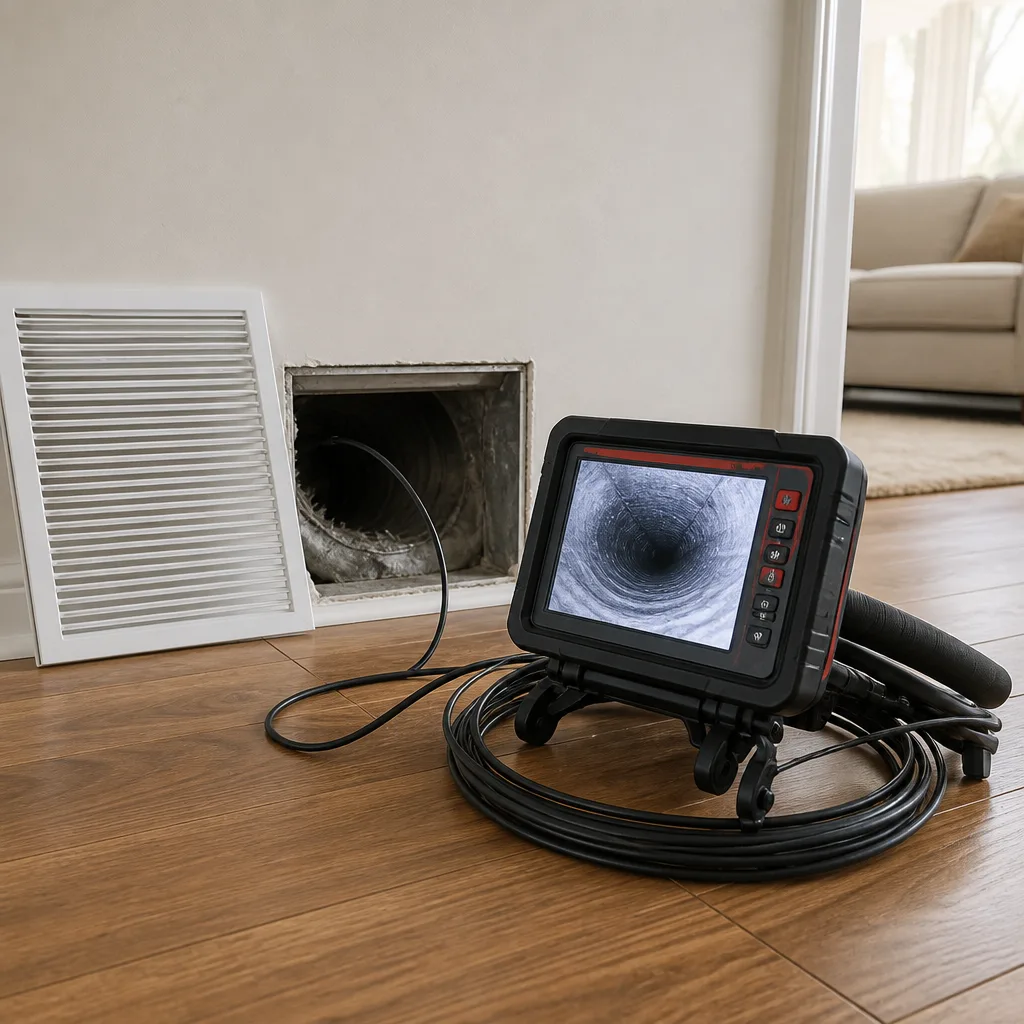
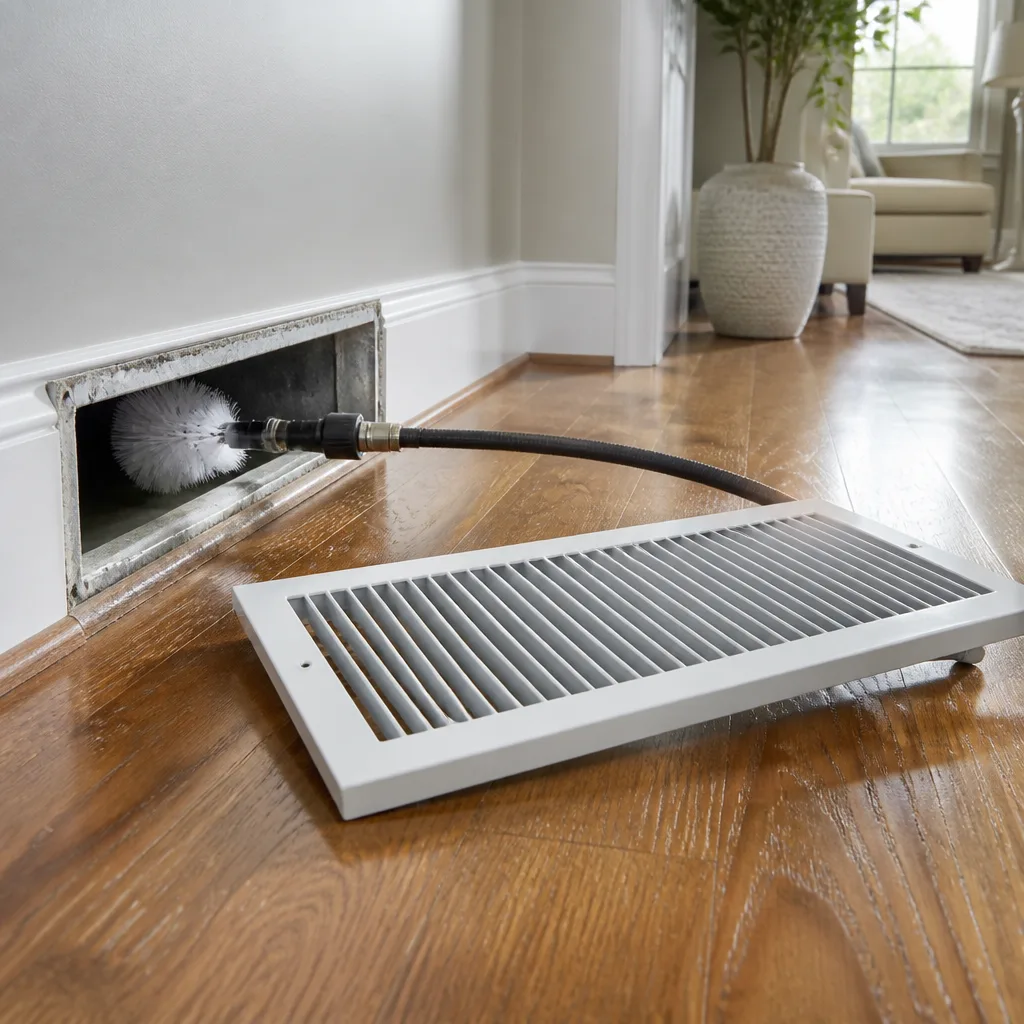
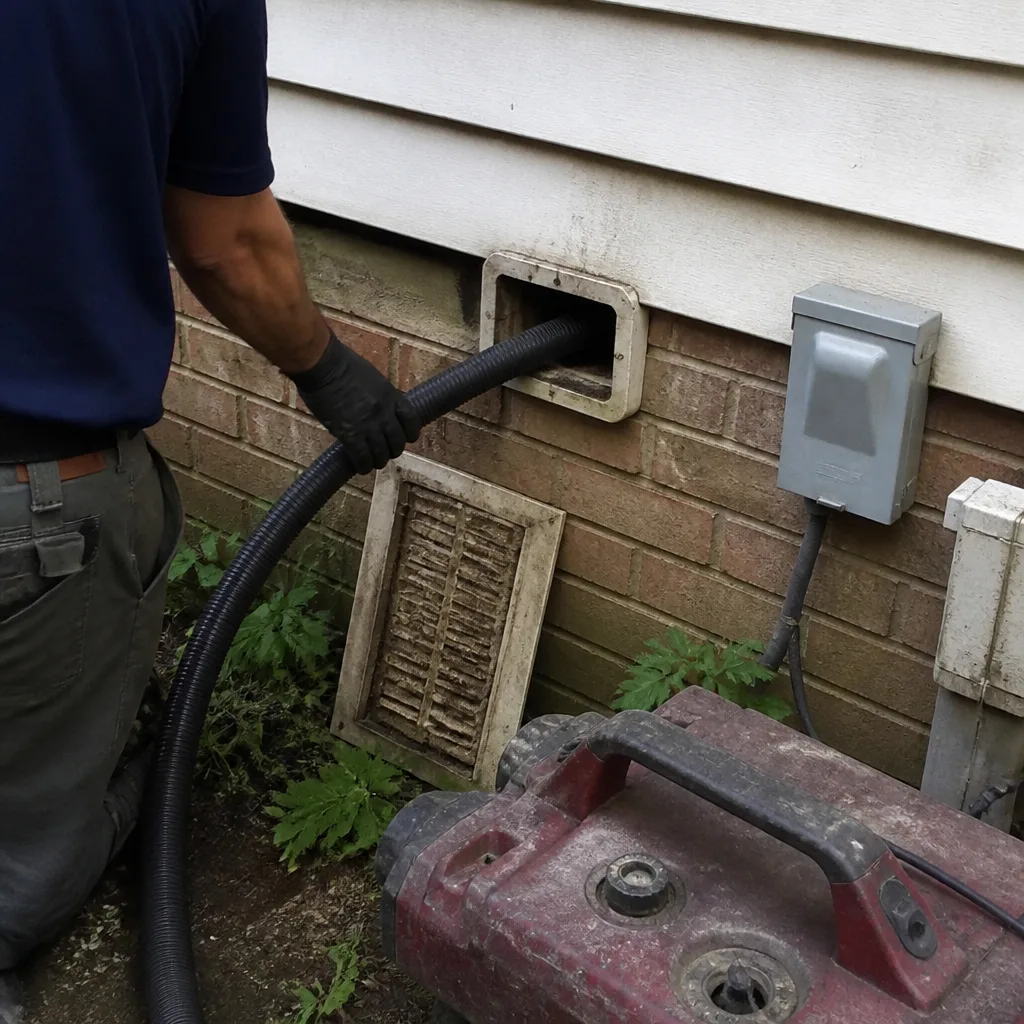 Before
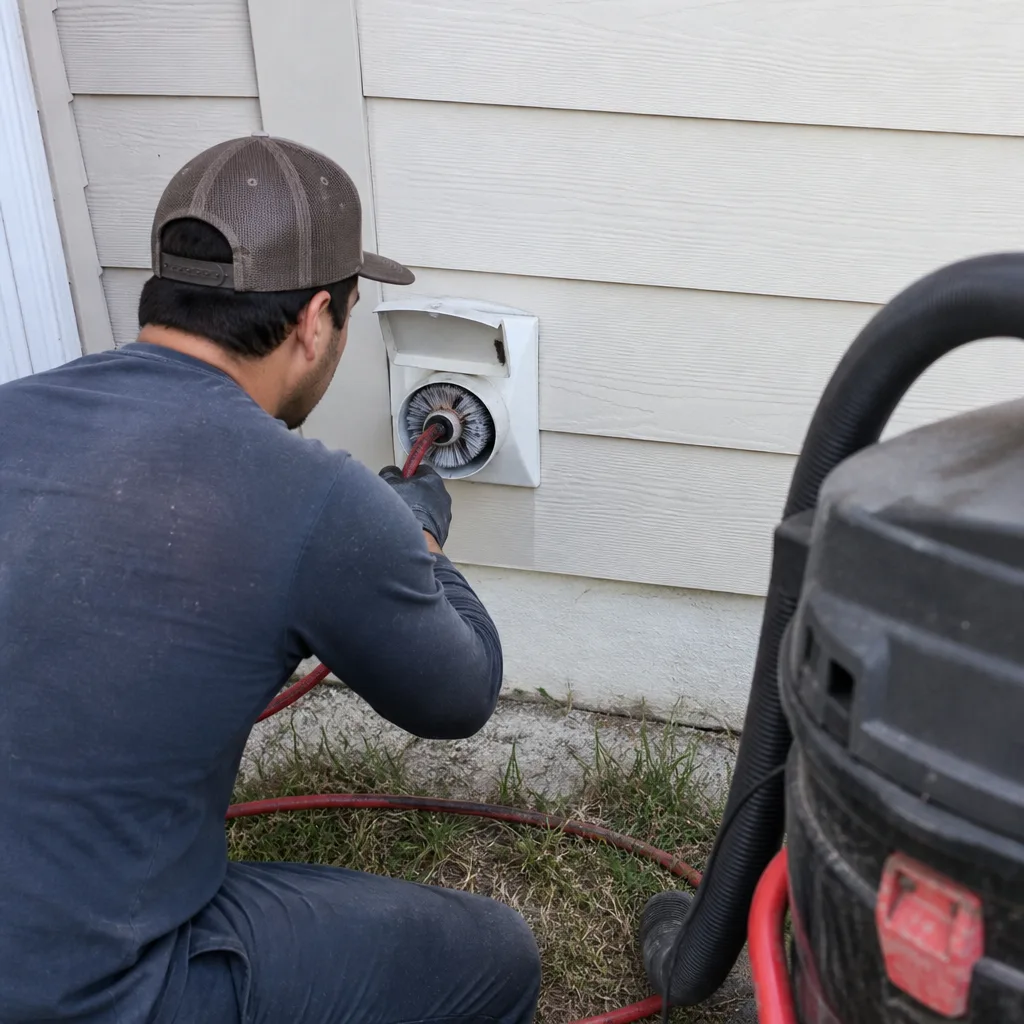 After
After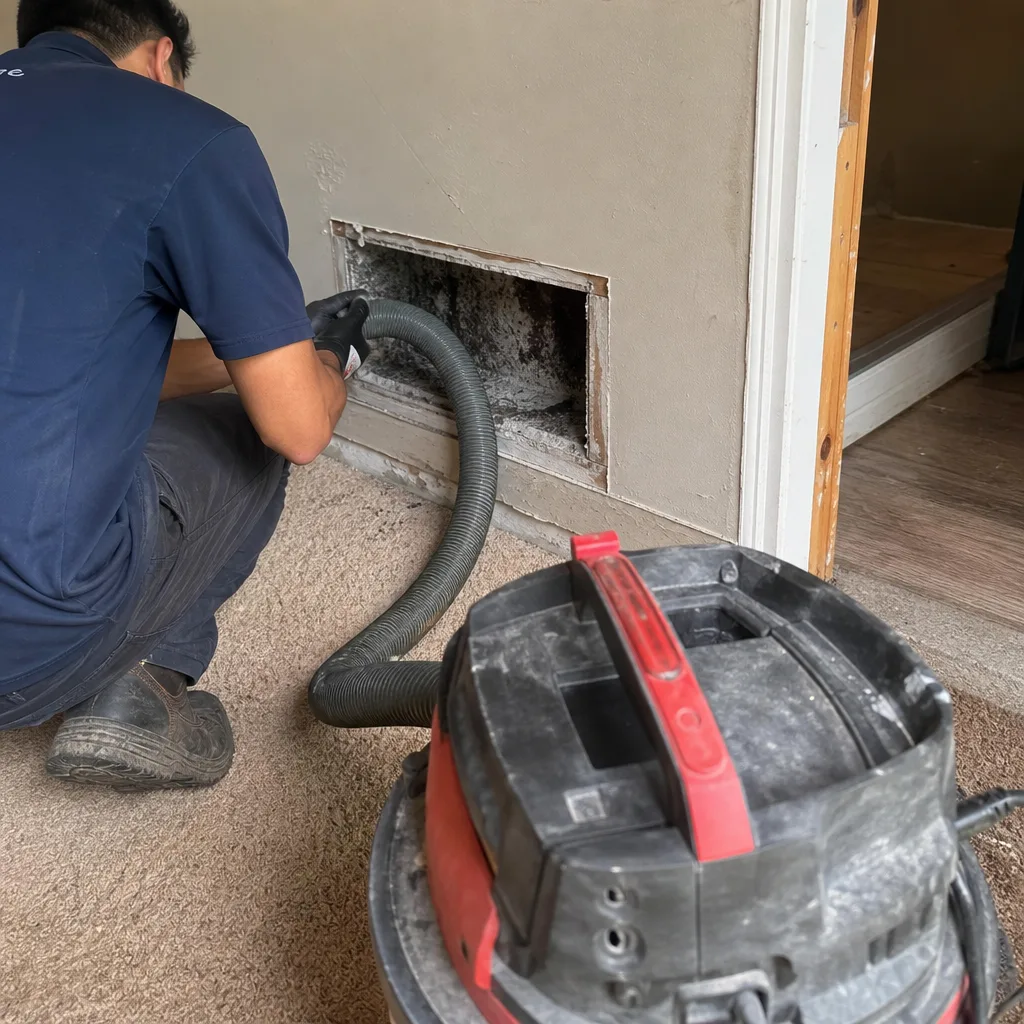 Before
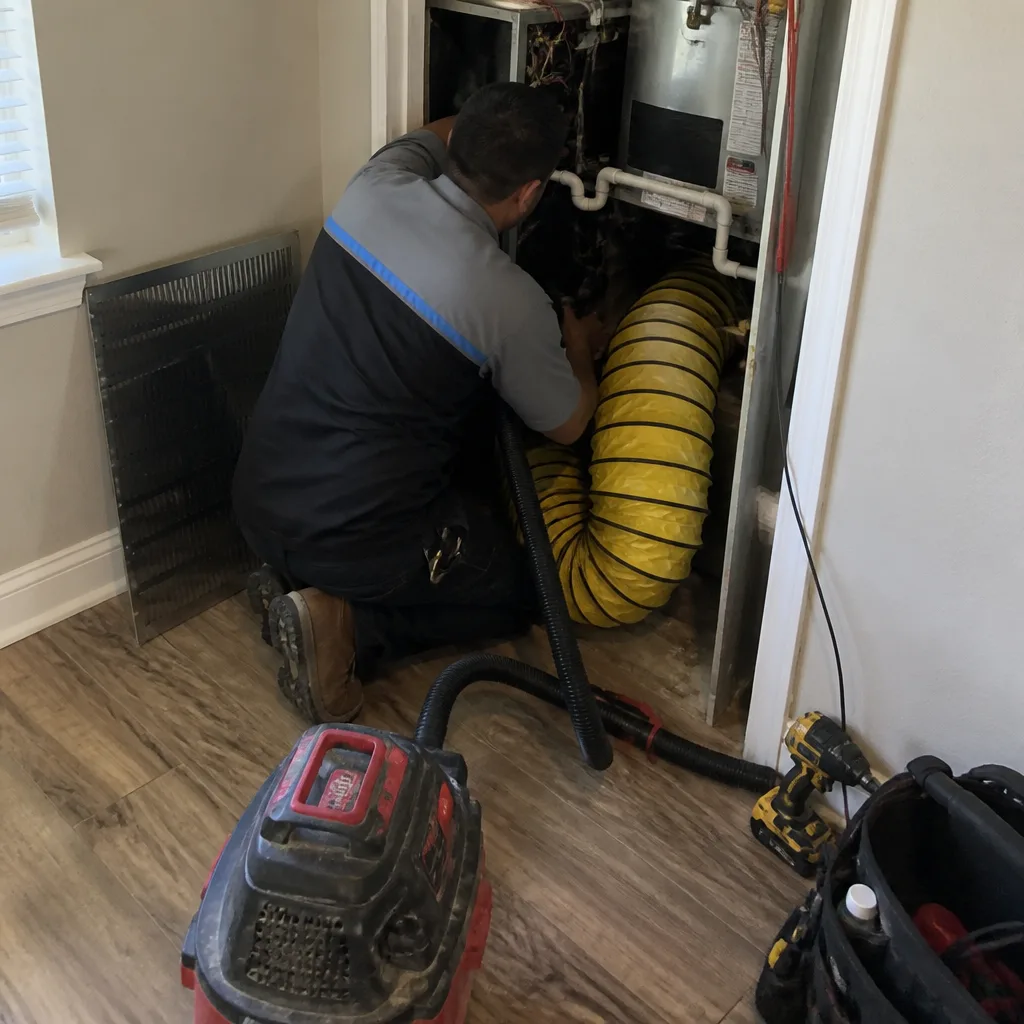 After
After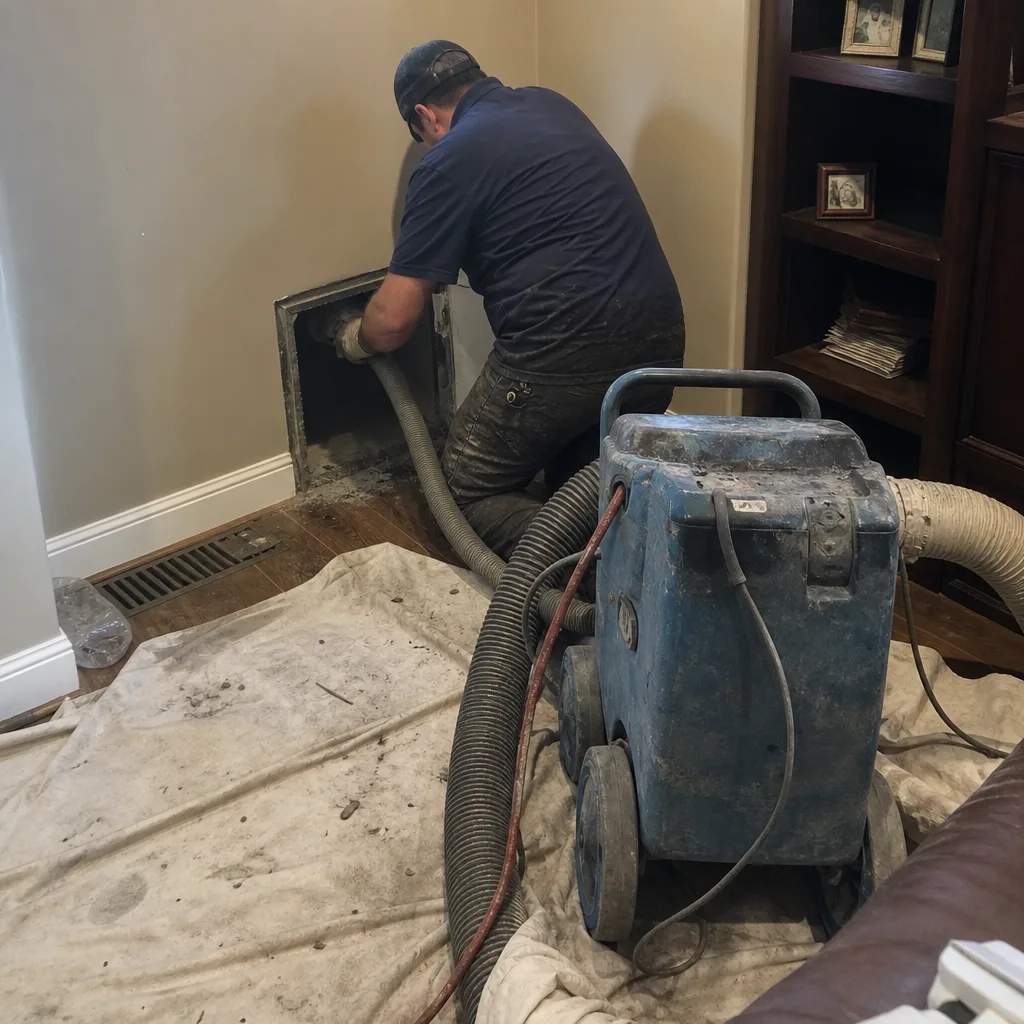 Before
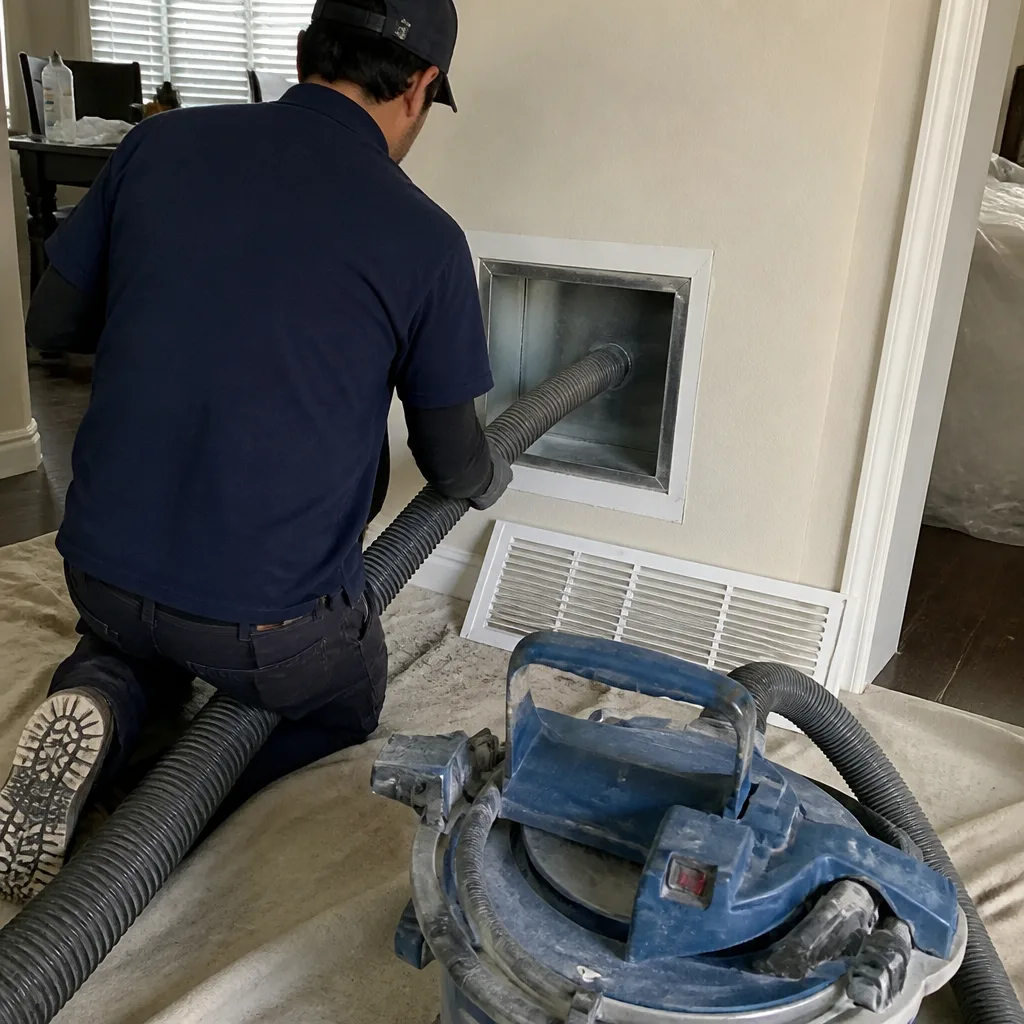 After
AfterAir Duct Cleaning Permits, Codes & Inspections in TX: What You Need to Know
A technician who reseals a disconnected trunk line or replaces a damaged flex duct run in Harris County without pulling a mechanical permit has technically completed unpermitted HVAC work. That distinction surfaces at the worst possible moment: when you list your Spring home for sale and the buyer’s inspector asks for documentation you don’t have. We’ve been providing our Air Duct Cleaning services and repairing duct systems in Spring since 2013, and we’ve seen the confusion this creates. This guide draws the exact line between cleaning and construction, explains which Texas licenses matter, and shows you how to protect your home’s record.
Quick Answer
Air duct cleaning itself - the removal of debris from existing ductwork using negative-pressure extraction or rotary brush systems - does not require a permit anywhere in Texas. However, duct repair, sealing that involves material replacement, liner installation, or any modification to the air handler cabinet triggers mechanical permit requirements under the 2021 International Mechanical Code as adopted in Texas, and must be performed by a contractor holding Texas State License No. TACLB.
Table of Contents
- Where the Line Is Drawn: Cleaning vs. Construction in Harris County
- What Texas State License No. TACLB Means and How to Verify It
- The 2021 IMC Section That Governs Your Ductwork
- The Disconnected Duct Scenario: What Documentation Protects You
- What a Final Inspection Record Should Contain
- How Spring’s Climate Affects Duct Integrity and Code Compliance
- Common Mistakes to Avoid
- When to Call a Professional
- Frequently Asked Questions
- The Bottom Line
BeforeAfterWhere the Line Is Drawn: Cleaning vs. Construction in Harris County
Harris County, which governs permitting for most of Spring, operates under a clear framework. The Harris County Public Infrastructure Department issues mechanical permits for HVAC work that alters, installs, or replaces components of a forced-air system. Cleaning - defined as debris removal without material alteration - sits outside this framework.
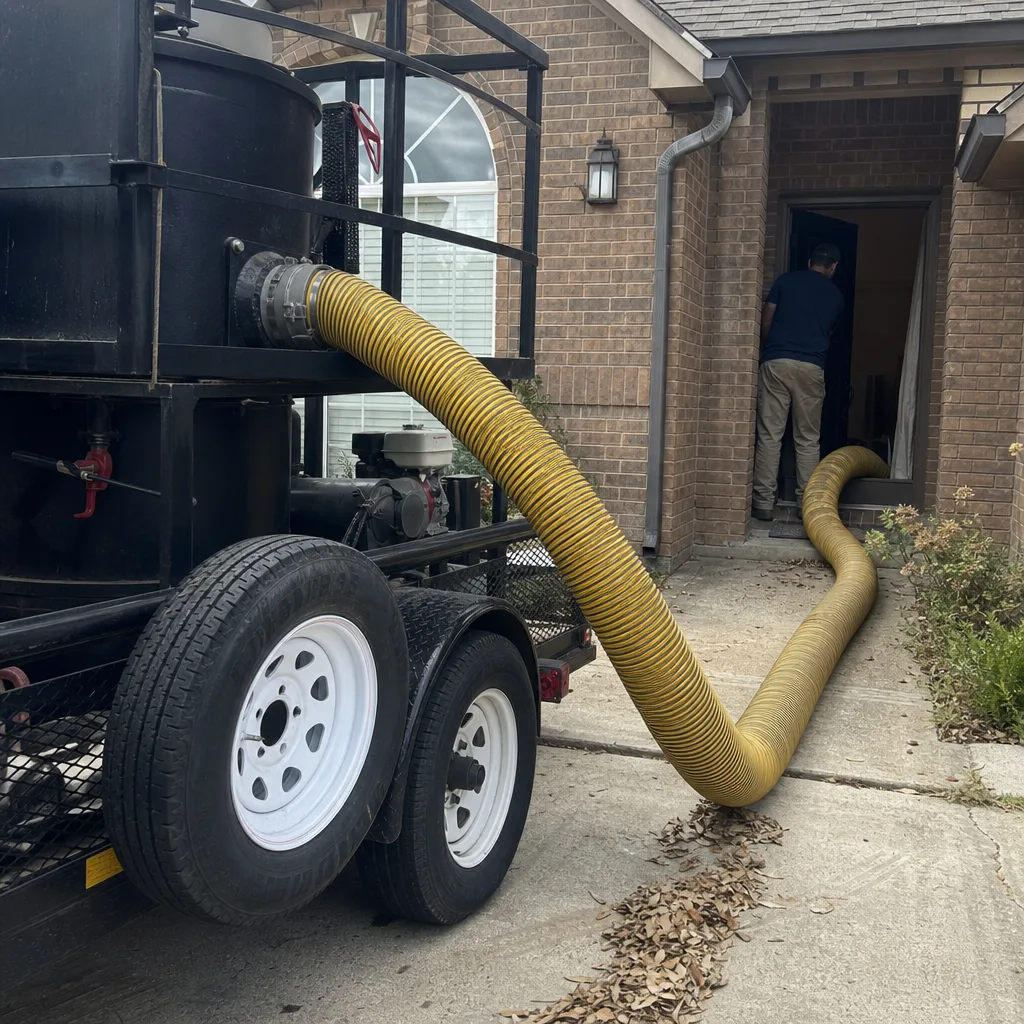
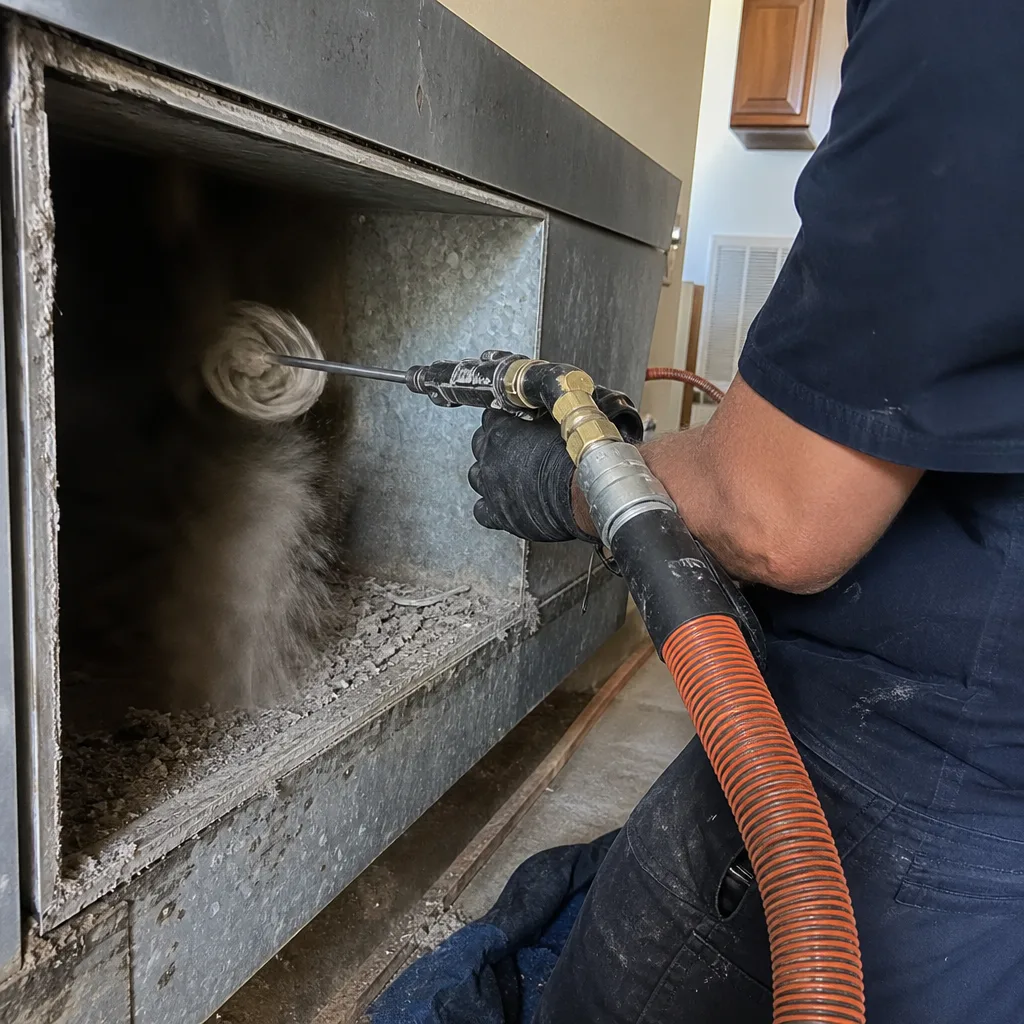
Here’s what we’ve observed across 52,000+ homes since 2013. A standard air duct cleaning in Spring involves connecting a negative-pressure extraction unit to the main trunk, agitating debris with a rotary brush system like our Rotobrush equipment, and collecting the loosened material through a HEPA-filtered vacuum. No permit. No inspection. No license requirement beyond basic business registration.
The moment a technician cuts into a duct run, replaces a section of flex duct, installs a new boot at a register, or applies mastic sealant to a joint that was previously unsealed, that work crosses into mechanical construction. The 2021 International Mechanical Code, adopted by reference in Texas Administrative Code Title 16, Part 4, Chapter 75, requires:
- A mechanical permit pulled by a licensed HVAC contractor
- Work performed by or under the direct supervision of a technician holding TACLB licensure
- Final inspection by the authority having jurisdiction (AHJ), typically Harris County for unincorporated Spring addresses or the City of Houston for addresses within city limits
The gray zone frustrates homeowners. A cleaning company discovers a disconnected return duct during camera inspection and offers to reconnect it. The work seems minor. The price seems reasonable. But reconnection involves mechanical fastening, potential material replacement, and alteration of the system’s designed airflow. Without a permit, that repair exists in no official record.
We’ve documented this scenario repeatedly in Spring neighborhoods like Gleannloch Farms, Windrose, and Augusta Pines. Homes built between 2015 and 2020, the peak construction years for our typical customer base, often exhibit flex duct degradation from attic heat cycling. A cleaning visit becomes the moment of discovery. The homeowner who understands the permit boundary can ask the right questions before authorizing any work beyond debris removal.
What Texas State License No. TACLB Means and How to Verify It
TACLB stands for Texas Air Conditioning and Refrigeration Contractor License, Class B. The Texas Department of Licensing and Regulation (TDLR) issues this credential to contractors who have demonstrated competency in HVAC system installation, repair, and modification. Class B specifically authorizes work on systems of 25 tons cooling capacity or less - which covers virtually all residential applications in Spring.
The license number format is TACLB followed by digits. Ours is published on every proposal and on our website, consistent with Haven Standard Clause 3: Verified Crews. Here’s how any homeowner can verify any contractor’s license in under two minutes:
- Navigate to the TDLR License Data Search at the official Texas.gov portal
- Select “Air Conditioning and Refrigeration Contractors” from the license type dropdown
- Enter the contractor’s TACLB number or business name
- Review the status field: “Active” means current; “Expired,” “Suspended,” or “Revoked” means the contractor cannot legally pull permits
- Click through to view any disciplinary actions or complaints on record
A cleaning-only company has no TACLB requirement. That’s legitimate for pure cleaning work. The problem arises when that same company offers repair services - duct sealing, boot replacement, air handler modification - without holding the license that permits such work. We’ve encountered competitors in the Spring market who perform these tasks under cleaning contracts, never mentioning the permit gap to the homeowner.
The H.A.V.E.N. Standard addresses this through Clause 1: Written Price Before Work Starts. When CleanRun identifies repair needs during a CleanRun Air Duct Cleaning Spring home visit, we separate cleaning from construction on the proposal. Cleaning appears as one line item with its written price. Repair work, if needed, appears as a separate scope with permit requirements noted. The homeowner sees the distinction in writing before any decision.
Our equipment roster includes professional-grade tools from Nikro and Abatement Technologies for cleaning work, and we hold TACLB licensure for the repair and sealing services that require it. Customers can verify both the license and the equipment independently - that’s the point of naming specific brands rather than using generic descriptors.
The 2021 IMC Section That Governs Your Ductwork
Texas adopts the International Mechanical Code by reference, with state amendments published in the Texas Administrative Code. For residential ductwork, three sections matter most to homeowners evaluating repair quotes:
IMC 603.1 General. Duct systems shall be designed, fabricated, installed, and sealed in accordance with this chapter. This establishes the baseline: any ductwork modification must comply with material, construction, and sealing standards.
IMC 603.9 Joints and Seams. Longitudinal and transverse joints, seams, and connections in metallic and nonmetallic ducts shall be securely fastened and sealed with welds, gaskets, mastics, liquid sealants, or tapes. The specific material depends on duct type - foil tape for flexible duct, mastic for rigid metal, approved gaskets for modular connections.
IMC 603.10 Duct Construction and Performance. Ducts shall be constructed and supported in accordance with SMACNA HVAC Duct Construction Standards. This references the Sheet Metal and Air Conditioning Contractors’ National Association guidelines that specify gauge thickness, reinforcement spacing, and hanger requirements.
Why does this matter for a Spring homeowner? Because unpermitted repair work often violates these standards in ways that reduce system efficiency and create liability. We’ve photographed flex duct supported by wire hangers instead of proper strap systems - a direct violation of SMACNA support spacing. We’ve found mastic applied over dust-covered joints where surface preparation was skipped. The work functioned temporarily but failed under thermal cycling.
The 2021 IMC also specifies that duct liner, when used, must meet NFPA 90A flame spread and smoke developed index requirements. Older homes in Spring’s established areas - think around Old Town Spring or near the ExxonMobil campus - may contain original duct liner that has degraded. Replacement triggers permit requirements and must use listed materials.
When CleanRun provides a repair quote, we cite the applicable code section on the written scope. The homeowner can cross-reference. The permit application, when required, includes a work description that maps to these sections. The final inspection verifies compliance. This documentation becomes part of the home’s permanent record.
The Disconnected Duct Scenario: What Documentation Protects You
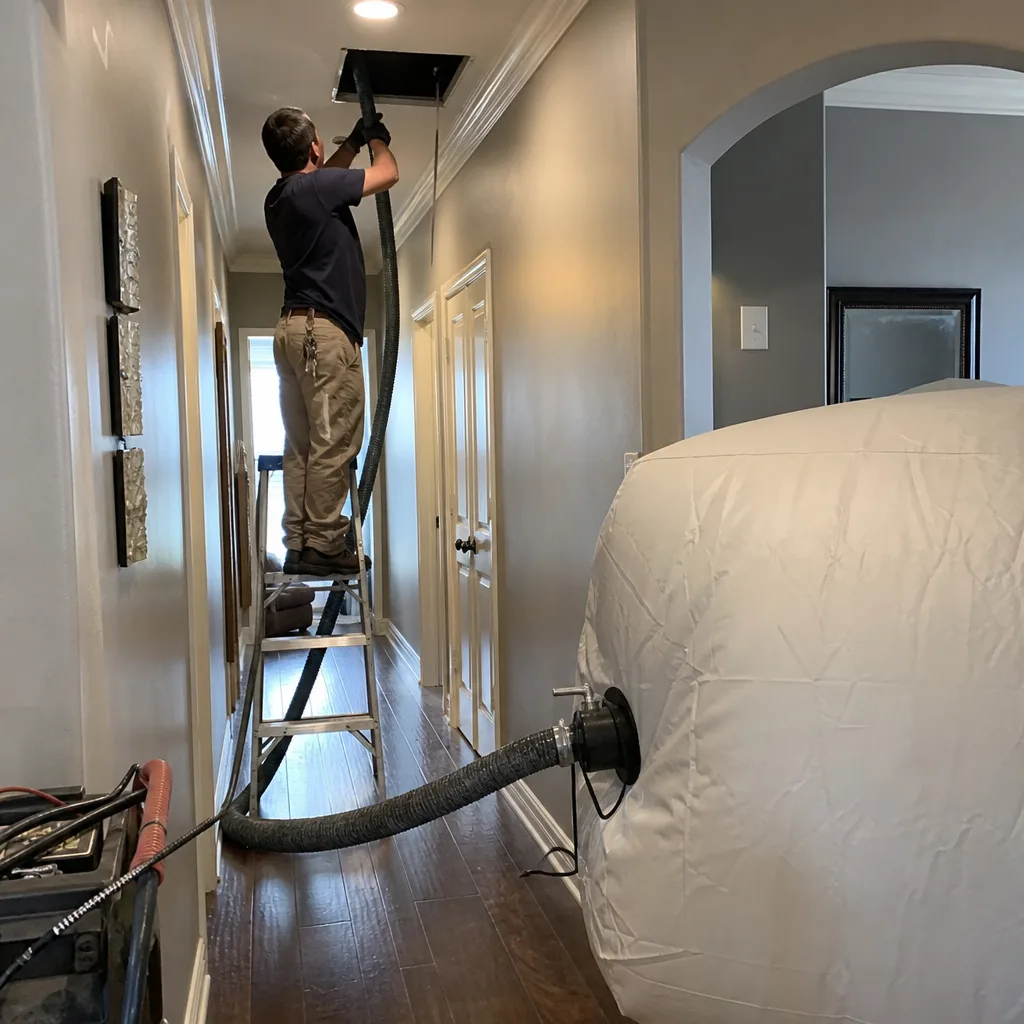
This is the most common permit-triggering event we encounter during HVAC cleaning in Spring. The technician inserts a camera into the return plenum - the large box that connects the return grille to the air handler - and finds a flex duct that has pulled loose from its collar. Attic heat, vibration, and the natural settling of a home over five to ten years cause this routinely in Spring’s clay-soil expansion-contraction cycle.
The homeowner has two legitimate paths:
- Document and defer. The cleaning company photographs the disconnection, notes it on the job record, and the homeowner engages a licensed HVAC contractor to pull a permit and complete the repair separately. Clean, documented, compliant.
- Integrated repair with proper licensing. The cleaning company holds TACLB licensure, pulls the mechanical permit, completes the repair under inspection, and provides the homeowner with permit closure documentation.
What should never happen: the technician reconnects the duct with a zip tie and foil tape, collects an additional fee, and leaves no paper trail. The homeowner has unpermitted mechanical work that:
- May not comply with IMC fastening and sealing standards
- Will not appear in any permit history searchable by future buyers
- Could void HVAC equipment warranties that require licensed installation
- May create insurance coverage disputes if the repair fails and causes water damage or mold growth
The documentation that protects you includes:
- A written scope distinguishing cleaning from repair work
- Permit application copy with the AHJ’s stamp or electronic confirmation
- Inspection approval, typically a green tag or digital equivalent
- Invoice that separately itemizes permitted work
- Photographs of the repair, pre- and post-, stored with your home maintenance records
CleanRun’s Documented Photo Record, included on every visit since 2013, captures the before state of any disconnection we find. If we perform the repair under our TACLB license, the after photograph joins the permit documentation. If we refer the repair to a partner contractor, the before photograph goes to the homeowner for reference. Either way, the condition was recorded by a dated, geotagged image - not by memory or verbal report.
What a Final Inspection Record Should Contain
Permitted duct work in Harris County concludes with a final inspection. The inspector verifies that the work matches the approved plans and complies with the adopted code. The record this generates matters more than most homeowners realize until they encounter Texas Property Code Section 5.008.
That statute requires sellers to disclose known defects in the property’s condition, including structural and mechanical systems. A permitted repair with inspection approval is not a defect - it’s documented maintenance. An unpermitted repair, if known to the seller, becomes a disclosure obligation. If undisclosed and later discovered, it exposes the seller to liability.
A complete final inspection record should contain:
- Permit number and issue date
- Scope description as approved (not as verbally promised)
- Inspector name or ID number
- Date of final inspection
- Status: Approved, Approved with Corrections, or Failed
- Any correction notices and re-inspection dates
- Contractor’s TACLB license number as filed
Harris County now provides much of this through an online portal, but we recommend homeowners download and print the final approval. Digital systems change. Portals migrate. A PDF in your home maintenance file travels with you.
Retain these records for the duration of ownership plus the statutory period for property claims in Texas. When you sell, your disclosure statement can reference the permit number with confidence. The buyer’s inspector, increasingly common in Spring’s competitive market, can verify the work through public records.
We’ve had customers in neighborhoods like Harmony and Riley’s Ridge return to us years after initial service, requesting copies of their documentation for resale. Because every CleanRun job generates a permanent record - written scope, written price, photo documentation, warranty terms - we can produce this. Companies that operate on verbal agreements and carbon-copy invoices often cannot.
How Spring’s Climate Affects Duct Integrity and Code Compliance
Spring sits in the humid subtropical zone of southeast Texas, with summer attic temperatures routinely exceeding 140°F and annual rainfall averaging near 50 inches. This climate creates specific stress patterns on ductwork that influence both cleaning frequency and repair standards, as detailed in The Complete Guide to Air Duct Cleaning in Spring.
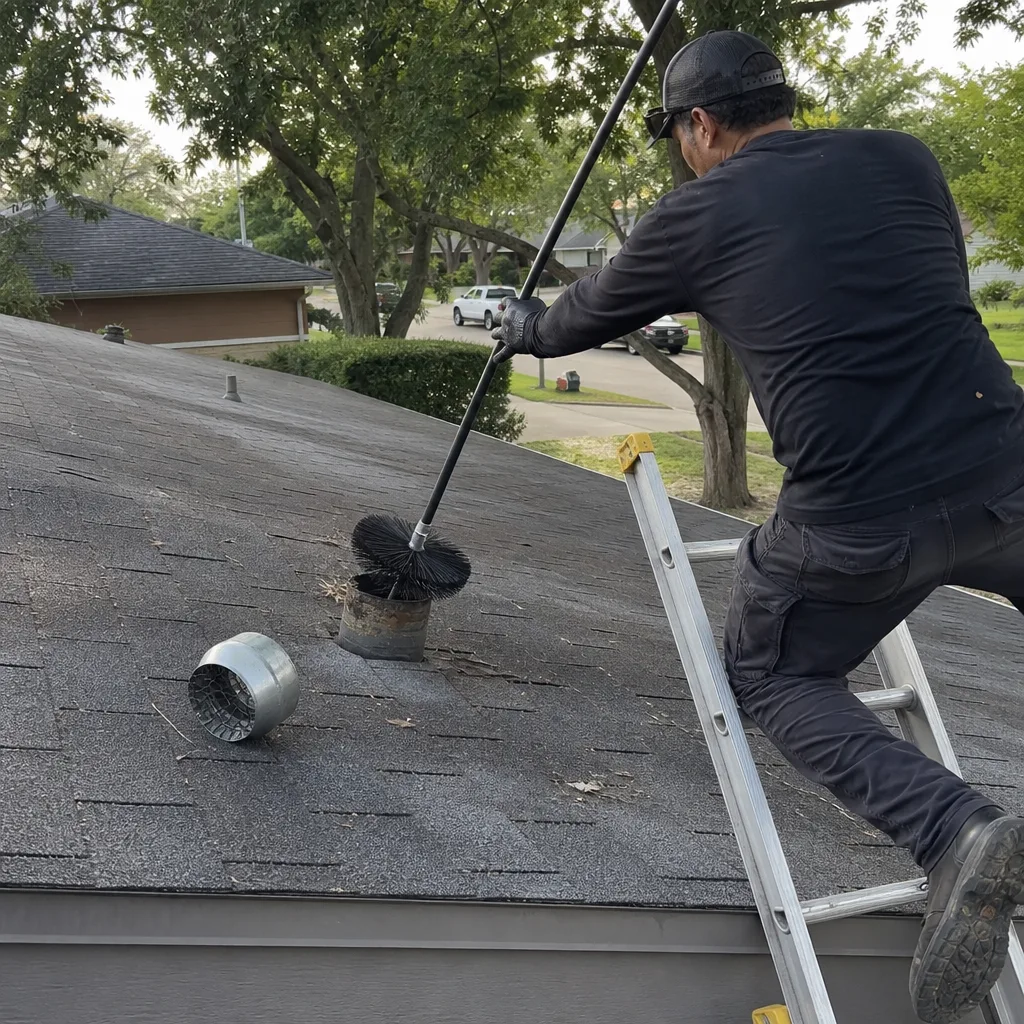
The thermal cycle is brutal. Flex duct in a Spring attic expands in afternoon heat and contracts overnight. Over years, this movement loosens connections at collars and boots. The 2021 IMC’s fastening requirements exist partly to withstand this cycling, but unpermitted repairs often use insufficient mechanical fasteners that fail prematurely.
Humidity drives condensation on cool duct surfaces when insulation degrades. We’ve photographed water staining on ceiling drywall beneath poorly insulated supply runs in Spring homes, particularly in areas like Cypress Trails and Memorial Northwest where builders used thinner insulation wraps during the 2015-2018 construction surge. Repairing this requires not just reconnection but proper insulation replacement - work that falls under mechanical permit requirements when it involves duct modification.
The clay soils of the Gulf Coast plain create foundation movement that transfers stress to ductwork. A trunk line rigidly supported on trusses may flex where it passes through a settling chase. Spring’s alternating wet and dry seasons exaggerate this. Code-compliant installation includes flexible connections at equipment and proper support spacing to accommodate movement. Retrofit repairs must maintain these standards.
For homeowners in Spring’s newer developments - Benders Landing, Auburn Lakes, the eastern expansion toward The Woodlands - the original ductwork may still be under builder warranty. Unpermitted third-party repairs can void that coverage. Always verify warranty terms before authorizing any work beyond cleaning.
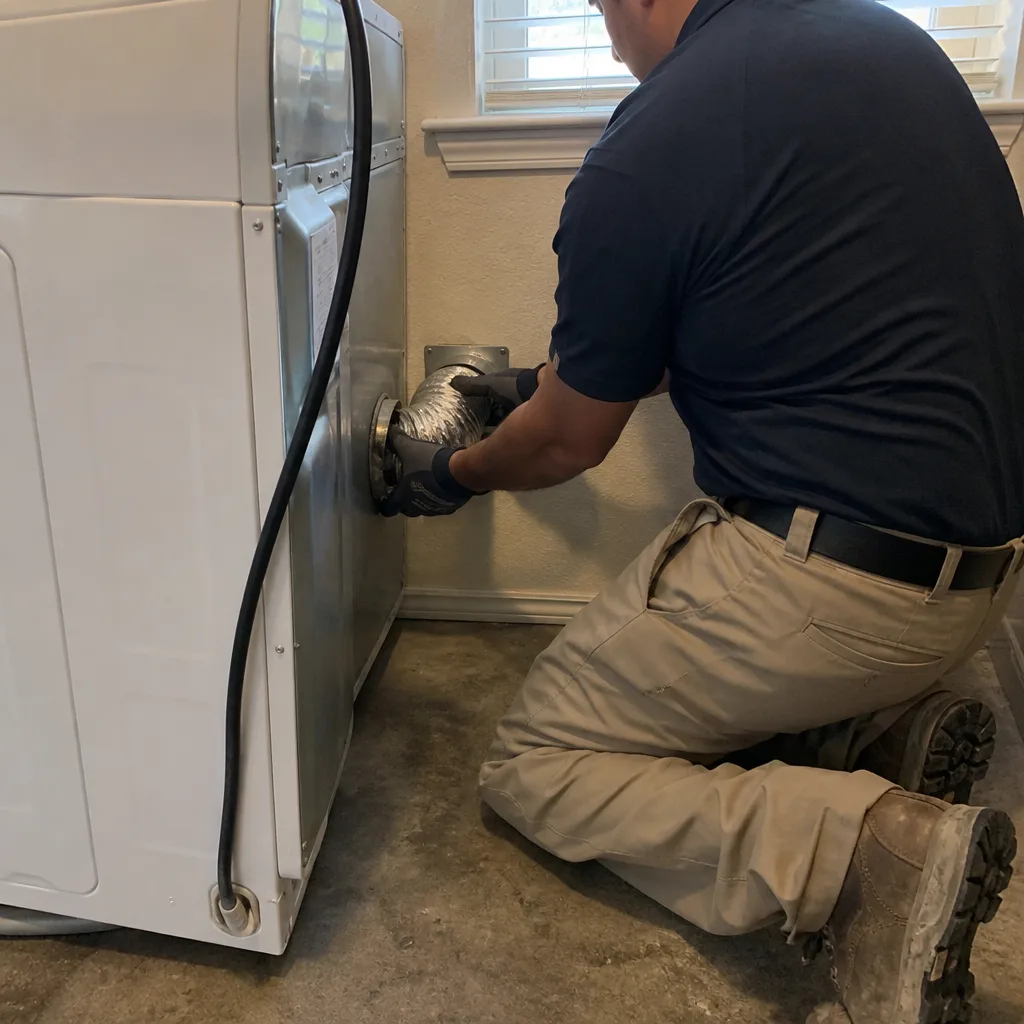
Our dryer vent cleaning in Spring visits sometimes reveal related issues: dryer ducts routed through attic spaces with improper slope or support, creating lint accumulation and fire risk. These too trigger permit requirements if modification is needed, and fall under the same licensing framework.
Common Mistakes to Avoid
- Assuming “cleaning” covers everything on the truck. A company arrives for a quoted cleaning, discovers a disconnected duct, and repairs it without discussing permits. The homeowner assumes this was part of the service. It wasn’t - it was unpermitted construction. Ask explicitly: “Is this work covered by the cleaning scope, or does it require separate licensing and permitting?”
- Verifying the business license but not the individual TACLB. A company may hold a business registration with the Secretary of State while individual technicians lack TACLB credentials. The license that matters for permit-pulling is the contractor license, not the business entity. Verify both.
- Accepting verbal assurance that a permit “isn’t needed for small jobs.” Harris County has no de minimis exception for mechanical work. Size thresholds exist for electrical and plumbing, not for HVAC. Any duct modification requires permitting.
- Discarding inspection documentation after equipment startup. The permit closure matters at resale, not at completion. File it with your deed records or in a dedicated home maintenance binder.
- Hiring based on coupon price without checking license status. The $79 duct cleaning special rarely includes proper equipment - often just a shop vac and a brush - and almost never includes TACLB-licensed repair capability. The low price signals a business model that cannot support proper licensing and insurance.
- Failing to separate cleaning and repair quotes. A combined invoice makes it impossible to prove which work was permitted and which wasn’t. Itemized documentation protects both parties.
- Ignoring neighborhood-specific risks. Spring homes in flood-prone zones or with pier-and-beam foundations experience duct stress patterns that differ from slab-on-grade construction. Generic repair approaches may not address these conditions.
When to Call a Professional
Call a licensed, permitted contractor when your duct system needs anything beyond debris removal. That includes reconnection of disconnected runs, replacement of damaged flex duct or metal sections, installation of new boots or registers, modification of the plenum, addition of dampers, or any work on the air handler cabinet itself.
Call for a documented inspection - camera-based, with photo record - when you suspect duct damage but cannot access the attic yourself. Steep roof pitches and summer heat make attic entry genuinely hazardous for untrained homeowners.
CleanRun Air Duct Cleaning Spring offers free estimates in Spring. Every visit includes a written price before work starts, a Documented Photo Record of every duct run, and clear distinction between cleaning scope and any repair needs that would require permitting. Call (346) 423-3631 to schedule. We also provide a Free Second Opinion on any written estimate from another contractor - bring their quote and we’ll put our number next to it in writing, with permit requirements noted. For more guides & resources, visit our blog.
Frequently Asked Questions
No. Air duct cleaning - the removal of dust, debris, and contaminants from existing ductwork using negative-pressure extraction or rotary brush systems - does not require a mechanical permit in Harris County, Montgomery County, or anywhere else in Texas. The work is classified as maintenance, not construction. Call (346) 423-3631 for a written cleaning estimate with no permit complications.
The work becomes unpermitted mechanical construction, which violates the 2021 International Mechanical Code as adopted in Texas. This creates three problems: the repair may not meet code standards for materials or fastening, it will not appear in searchable permit records for future buyers, and it may void HVAC equipment warranties that require licensed installation. If you discover this has occurred, consult a TACLB-licensed contractor about permit retroactivity - some jurisdictions allow belated permitting, though it requires re-inspection and potential rework.
Ask for their TACLB number and verify it on the TDLR public lookup tool. A legitimate contractor provides this without hesitation. Also ask: “If you find a disconnected duct during cleaning, who pulls the permit for reconnection?” If the answer involves avoiding permits or claims they’re unnecessary, that’s a disqualifying response. CleanRun publishes our license status and pulls permits for all repair work that requires them.
Air duct cleaning for a typical Spring home runs $400-$700 for a complete system, with whole-home pricing that does not vary by vent count. Permitted duct repair is quoted separately based on scope: reconnection of a single flex duct run typically ranges $200-$400 plus permit fees of $75-$150 in Harris County; section replacement with new materials runs $350-$800 depending on accessibility and duct size. The written price for any repair work includes permit costs when applicable - no surprise additions. Call (346) 423-3631 for an exact quote on your specific system.
Request the final inspection approval from the authority having jurisdiction before making final payment. The document should show permit number, inspection date, approved status, and the TACLB license number under which the work was performed. CleanRun provides this documentation as a standard deliverable on all permitted repairs, alongside our Documented Photo Record showing the completed work. If a contractor cannot produce inspection approval, the work may not have been inspected - or permitted at all.
Under Texas Property Code Section 5.008, sellers must disclose known defects in the property’s condition. Unpermitted mechanical work, if known to the seller, becomes a disclosure item. Even if unknown, buyer inspections increasingly include permit history searches, particularly in Spring’s higher-value neighborhoods where buyers conduct thorough due diligence. Permitted work with inspection approval requires no disclosure and may be presented as a maintenance asset. The documentation gap between these outcomes is entirely within the homeowner’s control at the time the work is performed.
We recommend camera inspection every three to five years in Spring’s climate, or whenever you observe symptoms: uneven heating or cooling between rooms, unexpected energy bill increases, visible dust at registers, or musty odors when the system runs. Homes built during the 2015-2020 construction peak are now entering the age range where flex duct connections begin failing. Early discovery through documented inspection allows planned, permitted repair rather than emergency response.
The Bottom Line
Air duct cleaning stands alone as an unpermitted maintenance activity. The moment repair enters the picture, Texas law requires licensing, permitting, and inspection. The Spring homeowner who understands this boundary can ask sharper questions, demand clearer documentation, and avoid the resale surprises that unpermitted work creates. The investment in proper process - a TACLB-licensed contractor, a pulled permit, a passed inspection - costs more upfront than a quick fix, but it buys a clean record that transfers with the home. That’s the difference between a service visit and accountable work.
Written by Tomas Reyes, Owner at CleanRun Air Duct Cleaning Spring, serving Spring since 2013.