
Whole-system duct and dryer vent check with before-and-after photos - you see exactly what came out of your vents
That "$99 whole-house special" is a bait ad - the real number appears once they are in your hallway, or the "clean" is a shop-vac at the register. We photograph the inside of your ducts before and after instead.
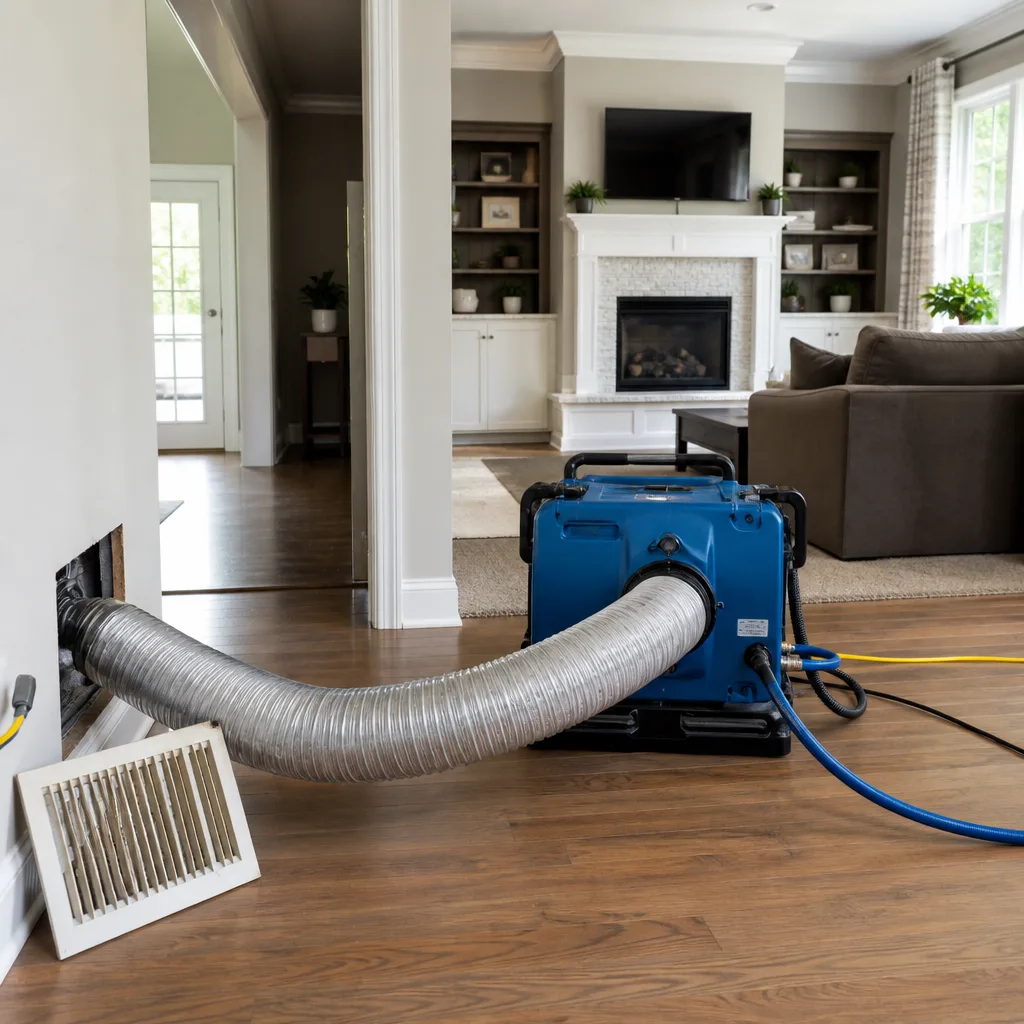
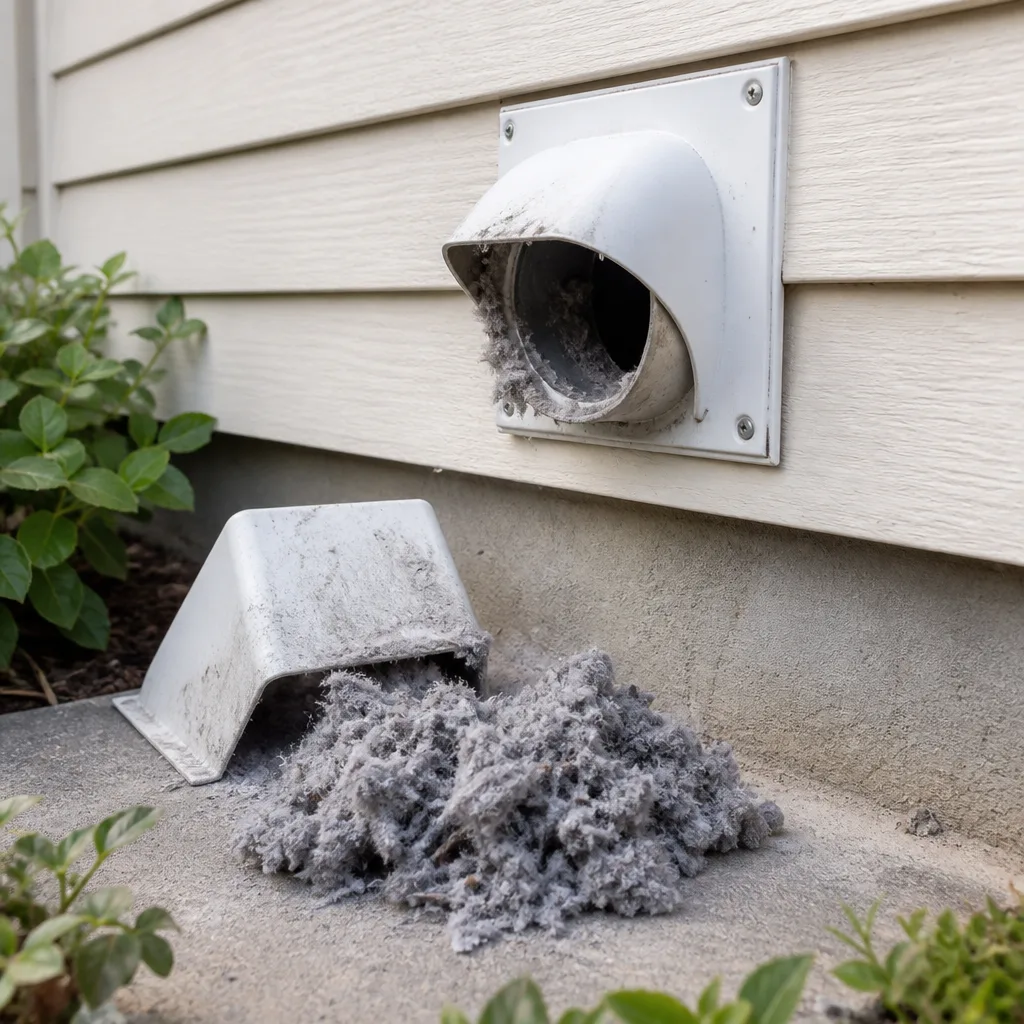
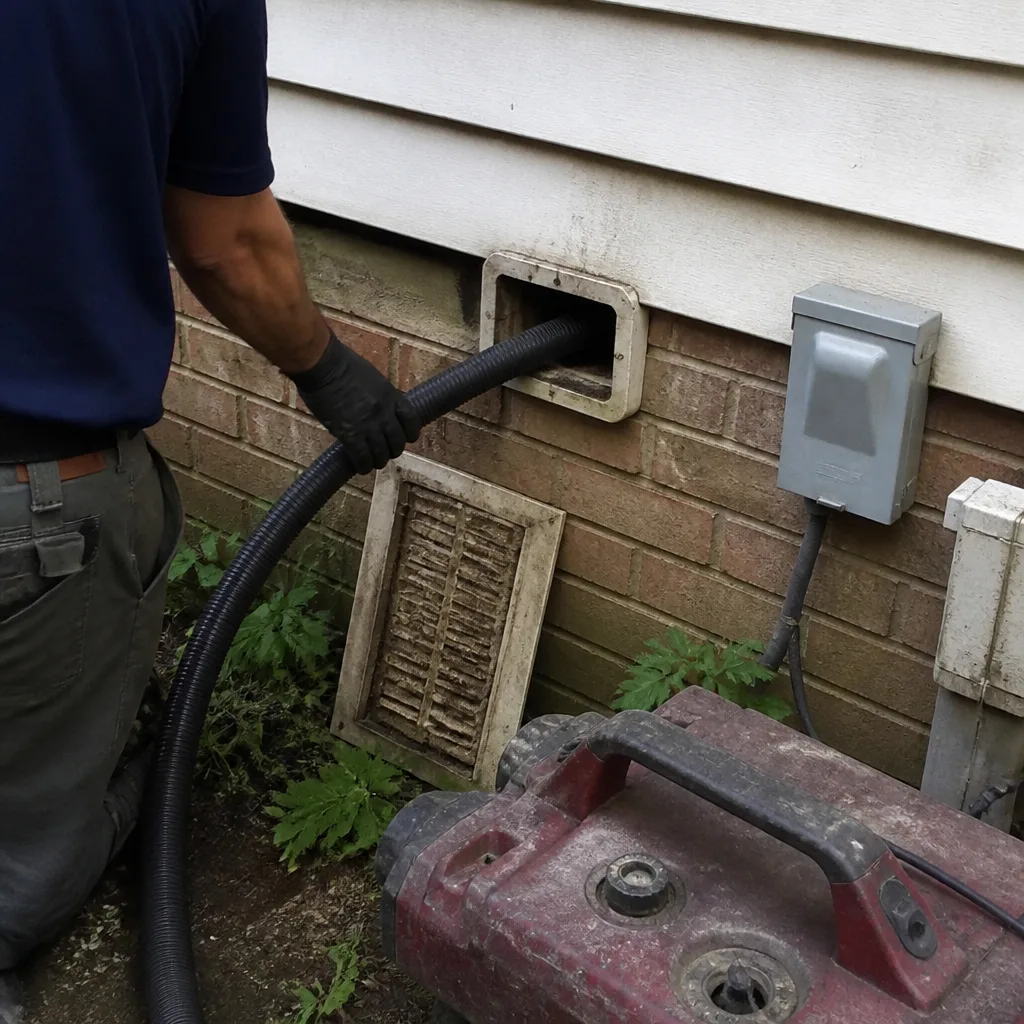 Before
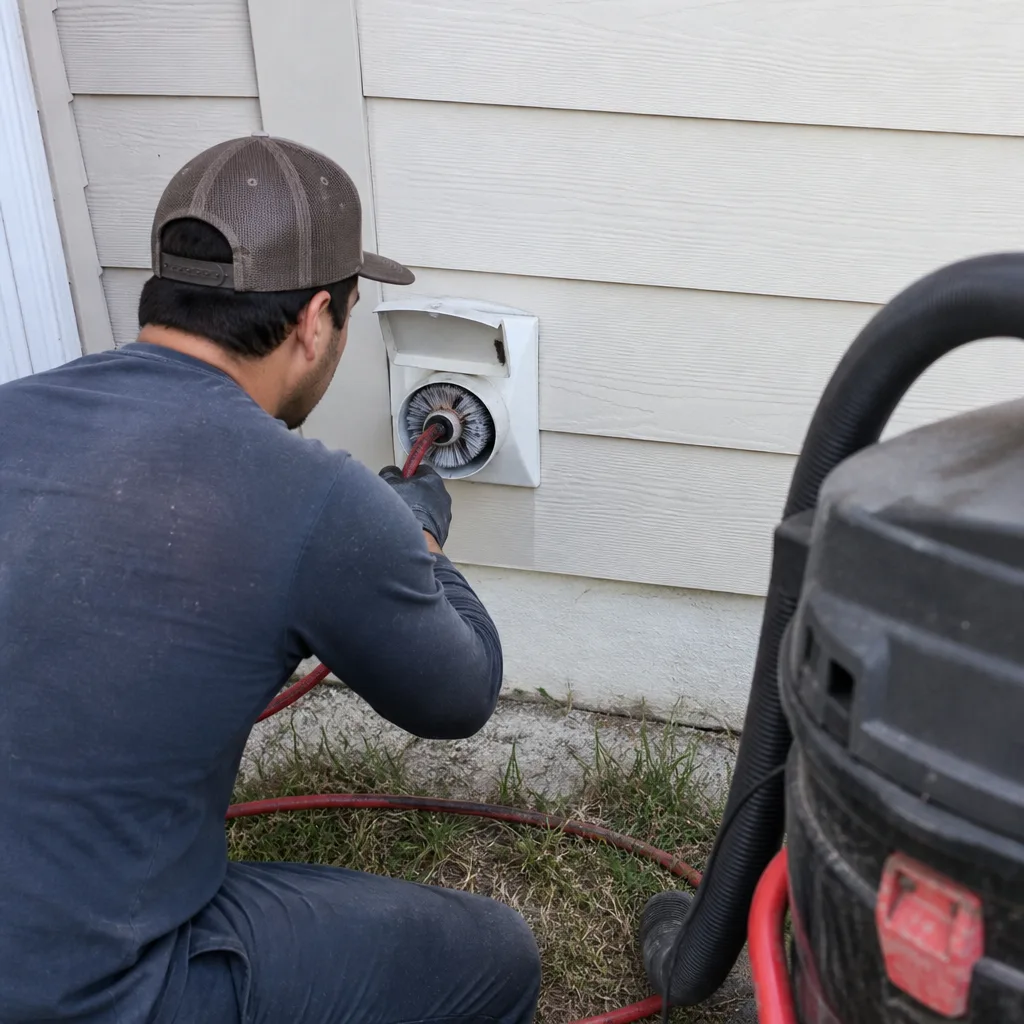 After
After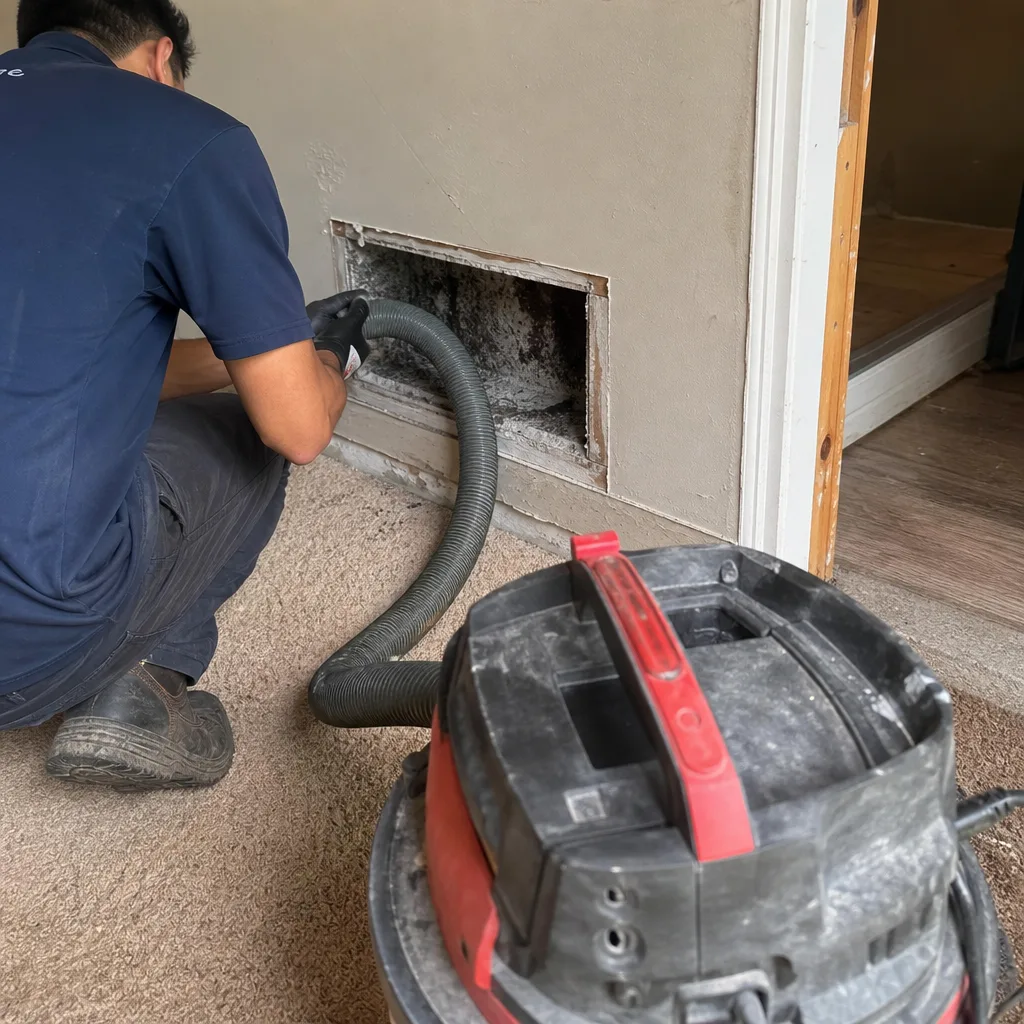 Before
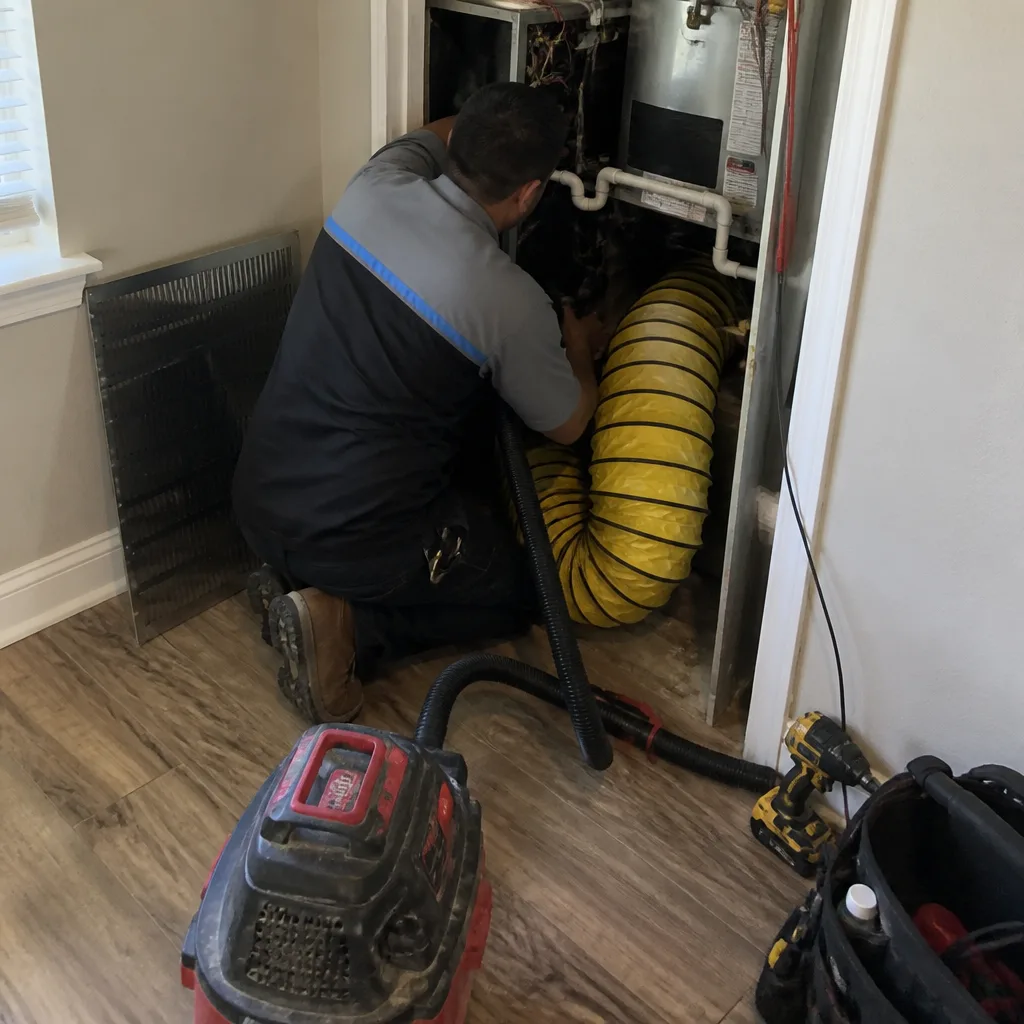 After
After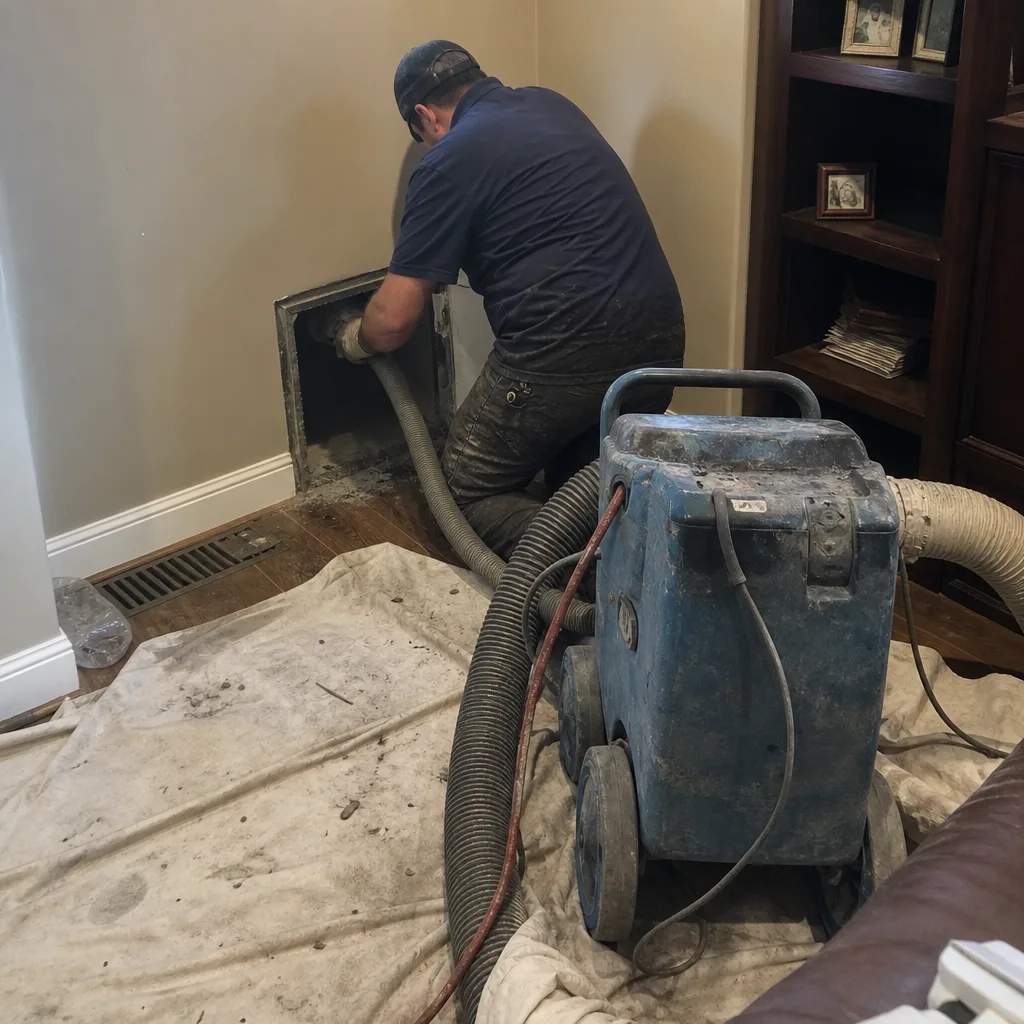 Before
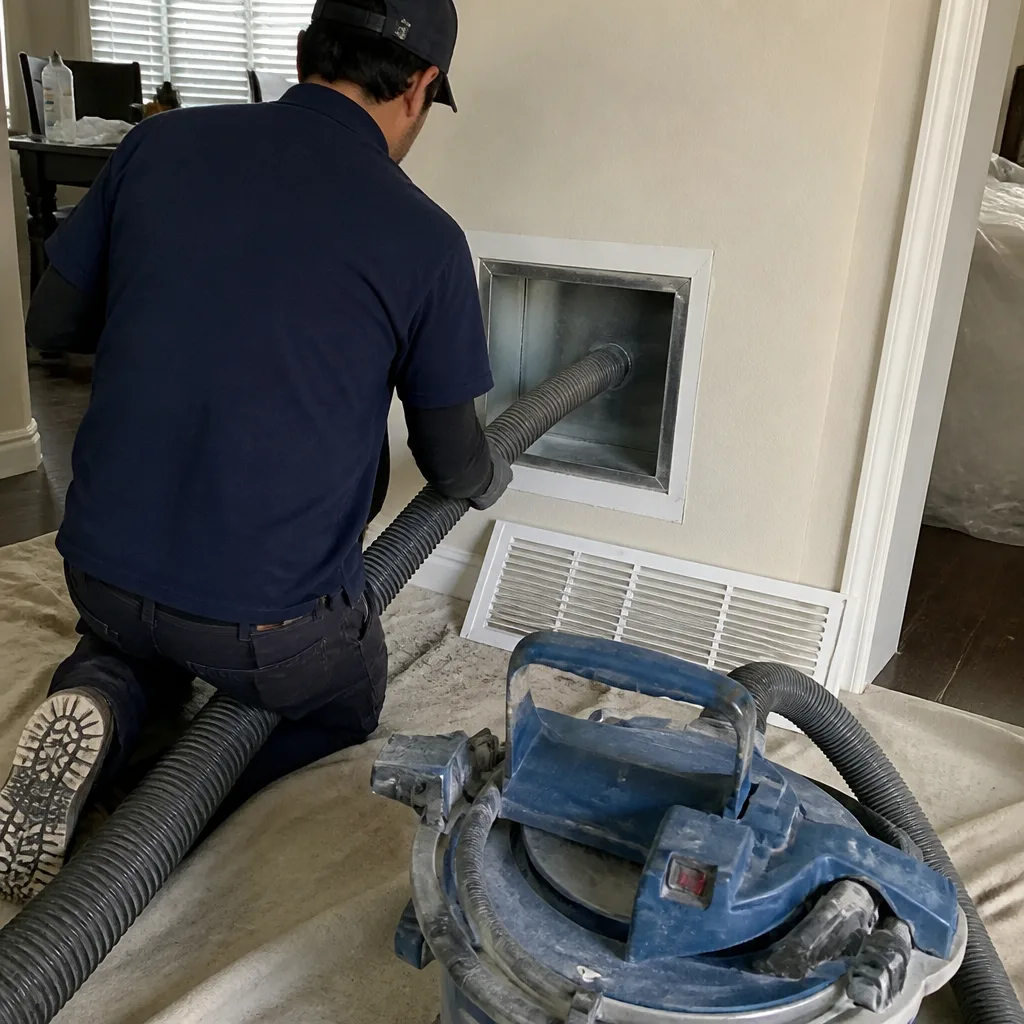 After
AfterResidential Duct Cleaning in Spring, TX
Residential duct cleaning in Spring, TX runs $299-$649 for most single-family homes, depending on square footage, the number of supply and return runs, and what the camera finds inside. Most jobs are completed in three to five hours, and every one ends with a written photo record of every duct run – before and after – so you’re not taking anyone’s word for it.
CleanRun Duct Repair & Cleaning has been doing this work since 2013, with more than 52,000 homes documented under the H.A.V.E.N. Standard. If you want to talk through a specific situation before scheduling, call (346) 423-3631 – a live person answers, not a voicemail system. And if you’d like the broader picture of what professional Air Duct Cleaning in Spring covers beyond the residential side, that page lays it out in full.
Spring’s climate does specific things to ductwork that you won’t read about on a generic national cleaning company’s site. The combination of high humidity from April through October, clay-heavy soil that shifts under slab foundations, and attic temperatures that routinely exceed 140°F in July and August creates conditions where duct liner degrades faster, condensation builds inside flex runs, and debris accumulates at bends and elbows rather than distributing evenly. We see it in the photos on nearly every Spring job we run.
When You Need Residential Duct Cleaning
There’s no universal rule about how often duct cleaning is necessary – the EPA and NADCA both note that frequency depends on conditions, not a fixed calendar. That said, certain situations make a cleaning genuinely useful rather than cosmetic. Here’s what we find most often in Spring-area homes.
- Visible dust at registers within days of changing the filter. If you’re pulling a filter that looks two months old after two weeks of use, the ductwork itself is shedding debris back into the airstream. We’ve pulled 3-inch debris deposits from first elbows in Gleannloch Farms homes where the filter was being swapped monthly and the resident couldn’t understand why it wasn’t helping.
- A musty or stale smell when the system runs. Spring’s humidity gets into flex duct liner and plenum insulation. When the system fires, you’re smelling what’s sitting in the duct walls. A camera inspection shows whether there’s active mold growth or just dried debris; the treatment is different and the price reflects that difference.
- Recent construction, renovation, or flood remediation. Drywall dust is the worst thing a duct system encounters – it coats the liner, clogs dampers, and reaches the coil. Any Spring home that had work done without duct protection in place almost certainly needs a cleaning before air quality returns to baseline.
- Allergy or asthma symptoms that worsen indoors. This one requires honest framing: duct cleaning is not a medical treatment. But if the ductwork is moving pet dander, insulation particles, or pollen that entered through a deteriorated duct seal, removing that material is a reasonable first step before looking further.
- Post-purchase inspection of a home built between 1990 and 2010. A significant portion of the housing stock in neighborhoods like Gleannloch Farms, Windrose, and Tomball-adjacent Spring was built during this window. Flex duct from that era has a documented liner degradation pattern that shows up around the 15-to-20-year mark. If the previous owner has no cleaning record, a camera inspection is worth doing before year one of ownership.
- Inconsistent airflow between rooms on the same floor. When one bedroom runs cold and another can’t reach temperature, the problem is often partially collapsed flex duct, a disconnected run, or a debris blockage at a junction. Cleaning and inspection together often identify the cause in a single visit.
Our Residential Duct Cleaning Process
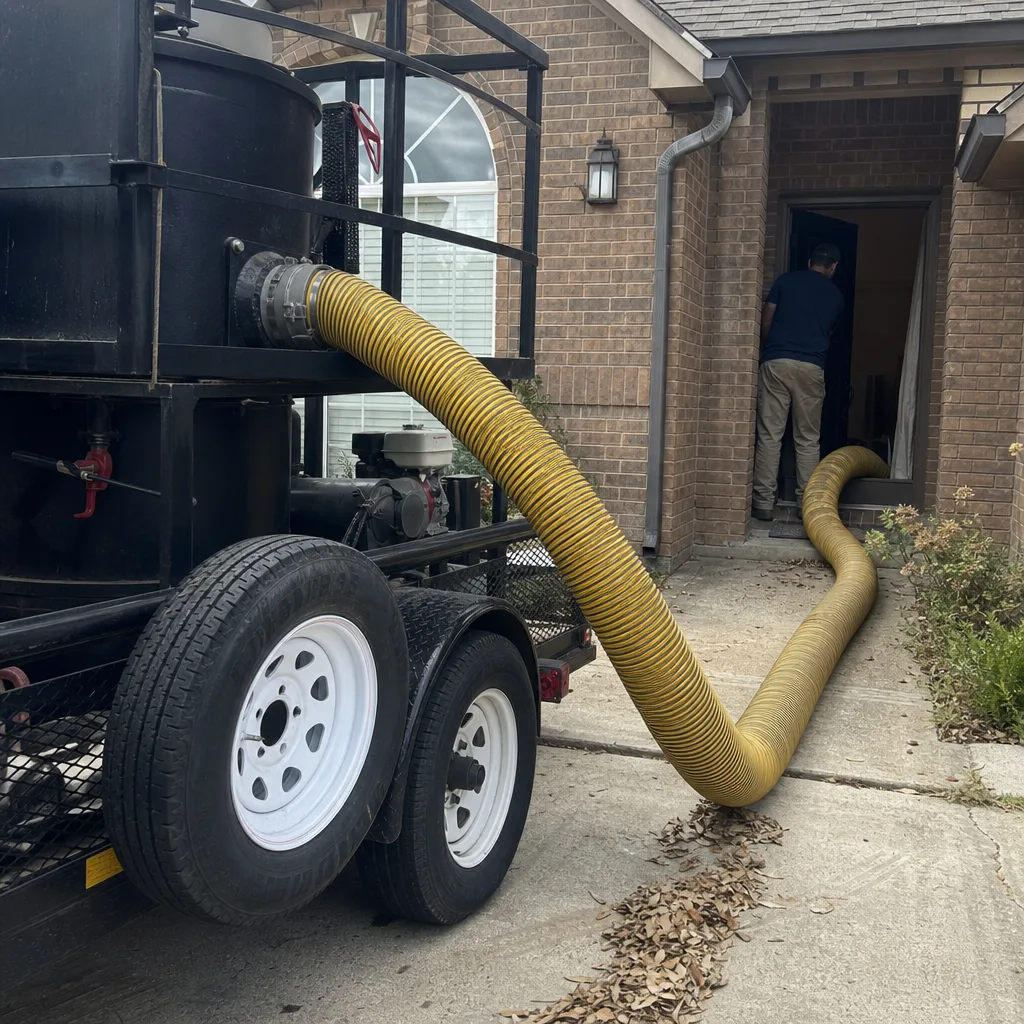
Every residential job follows the same documented sequence. Nothing is skipped to hit a lower price, and nothing is added without your written approval first. This is the standard process under the H.A.V.E.N. Standard.
-
Written Price Before Any Work Starts
Haven Standard Clause 1 is straightforward: you receive a written price before a single panel comes off. The price covers every duct run photographed and cleaned, not a per-vent add-on structure. If the camera finds something that changes the scope – active mold, a disconnected run, a collapsed flex section – we stop, show you the photo, and give you a revised written number before continuing. There is no “call for a quote” and no price revealed after the job is done.
-
Pre-Clean Camera Inspection of Every Run
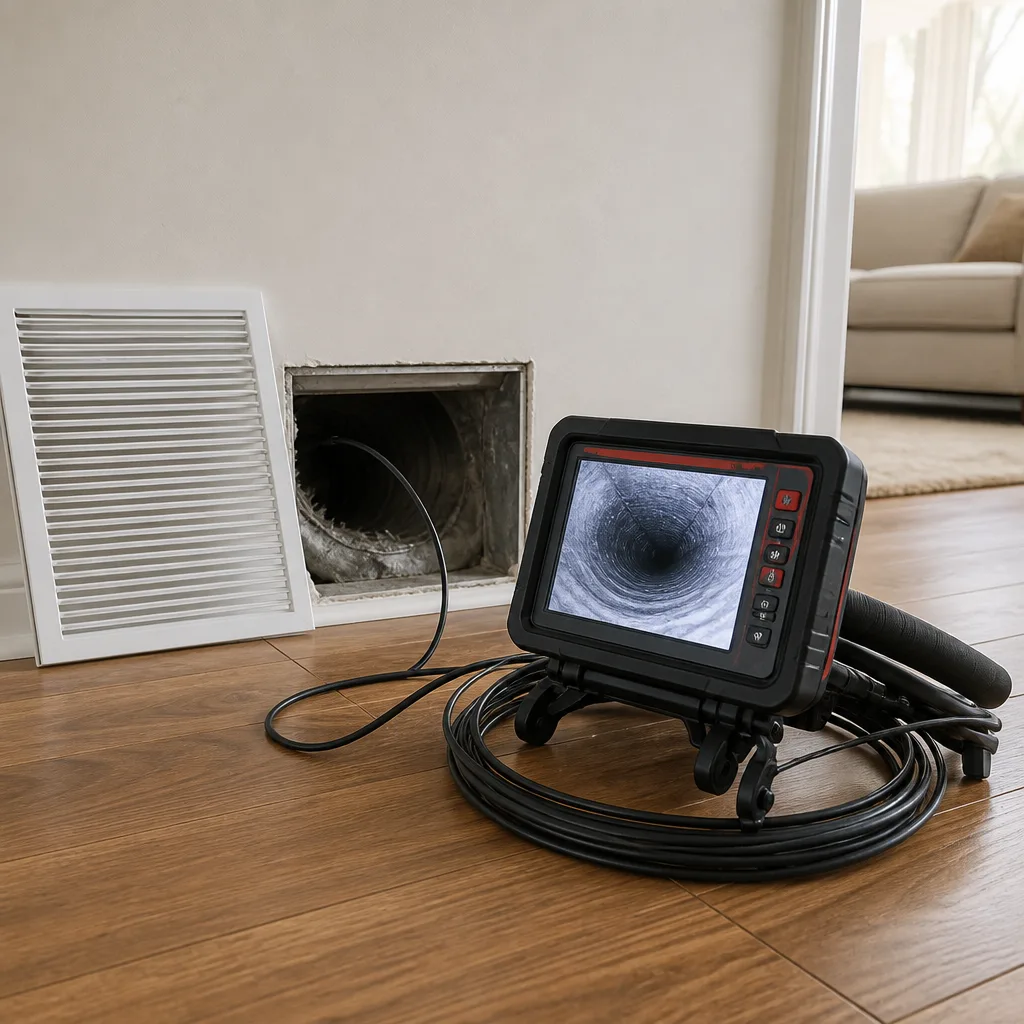
Before any equipment touches your ductwork, we photograph the interior of every supply and return run. This is not a sales step – it’s the before half of your documentation record. The camera inspection identifies debris type (dust buildup, insulation particles, biological growth, construction debris), location of any blockages, and condition of the liner. In Spring homes with older flex duct, we regularly find liner separation at the elbow closest to the air handler – a spot that looks fine from the register but shows clearly on camera.
-
Negative-Pressure Extraction
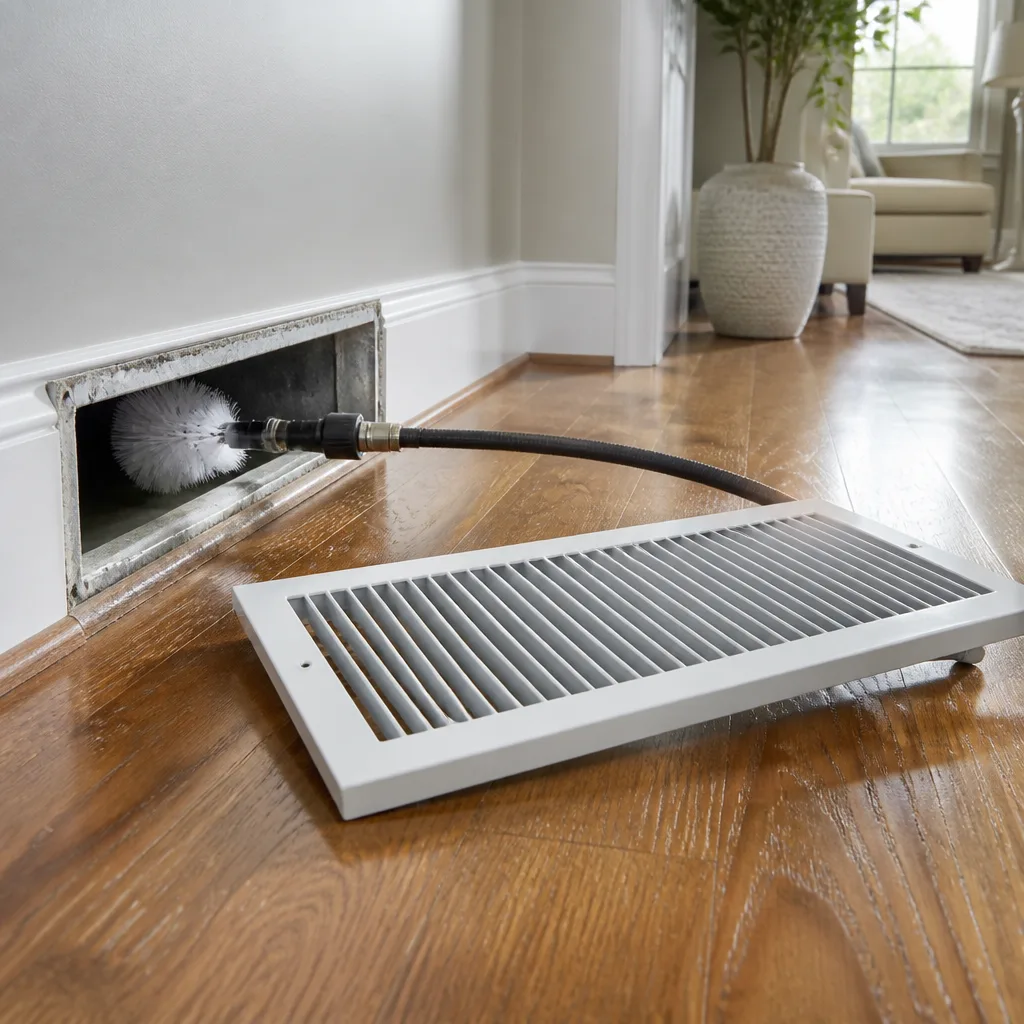
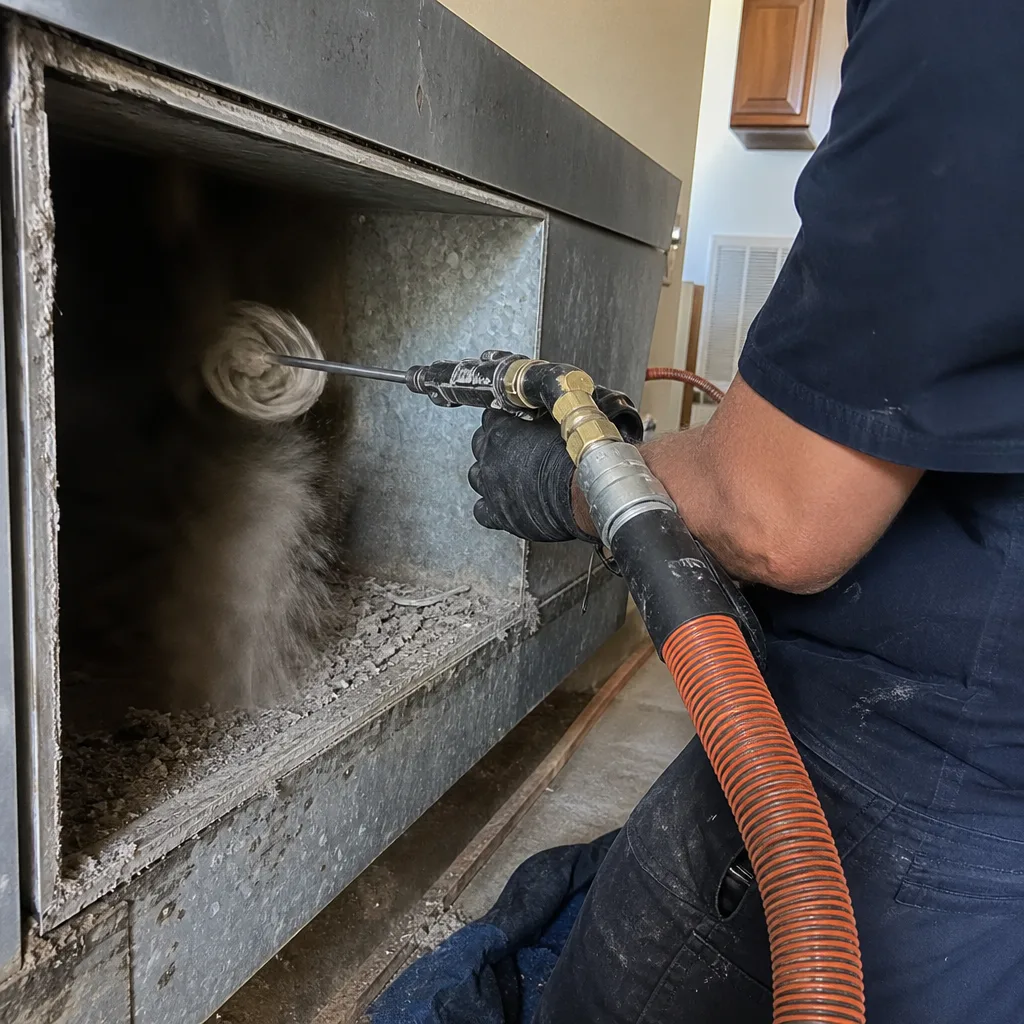
Negative-pressure extraction means we put the duct system under suction – using Nikro or Abatement Technologies equipment, depending on system size and duct type – and agitate debris toward a single collection point rather than blowing it through the house. The agitation tool (a rotary brush, air whip, or skipper ball, chosen by duct type) loosens what’s clinging to the liner walls; the negative pressure pulls it out. This is the mechanical difference between a real cleaning and a shop-vac pass at the register. A standard Spring home with 20 to 28 duct runs takes two to three hours in this phase alone.
-
Air Handler and Plenum Cleaning
The plenum – the central distribution box that connects the air handler to the trunk lines – accumulates the densest debris and is the most commonly skipped component in discount-tier cleaning jobs. We clean the supply and return plenums as part of every residential job, not as an add-on. The air handler blower compartment is inspected and cleaned when accessible. If the evaporator coil shows visible debris accumulation, we document it and present the option for coil cleaning separately before touching it.
-
Post-Clean Camera Documentation
Every run that was photographed before the clean is photographed again after. The before-and-after record is delivered to you as part of the standard job record – not emailed weeks later, not available on request. You have it when we leave. This is the practice Tomas Reyes established on CleanRun’s first job in 2013, and it hasn’t changed in any of the 52,000+ homes served since.
-
Written Job Summary and 365-Day Done Right Promise
The job closes with a written summary of what was found, what was done, and the condition of every run at completion. The 365-Day Done Right Promise is included in writing on every job – if the work isn’t right, we make it right. That’s a written commitment, not a policy subject to manager review.
BeforeAfterResidential Duct Cleaning Pricing in Spring, TX
Residential duct cleaning in Spring typically falls between $299 and $649 for a standard single-family home. Here’s how that range breaks down by the factors that actually drive cost.
| Home Size / Configuration | Typical Price Range |
|---|---|
| Under 1,500 sq ft, single system | $299 - $389 |
| 1,500 - 2,500 sq ft, single system | $389 - $499 |
| 2,500 - 3,500 sq ft, single system | $479 - $579 |
| Dual-system homes (common in Spring 2,800+ sq ft builds) | $549 - $749 |
| Post-renovation cleaning (heavy debris present) | Add $80 - $150 to base range |
What moves the number up or down
- Number of supply and return runs. Spring homes built in the late 1990s and early 2000s often have more return runs than newer builds – it’s not uncommon to find 6 to 8 return registers in a 2,200 sq ft home from that era. Each run is photographed and cleaned; the count matters.
- Duct material. Rigid sheet metal cleans faster than flex duct. Flex duct with degraded liner requires more careful agitation to avoid further liner damage, which takes longer. We don’t charge a blanket flex-duct surcharge, but it’s part of how the written price is calculated during the estimate.
- What the camera finds before we start. A debris-light system in a 2022 build in the Harmony community north of Spring Cypress Road is a different job than a 1998 home in Willow Creek Estates where no cleaning record exists. The pre-clean camera inspection is what sets the correct price – not the square footage alone.
- Access to the air handler. Attic-mounted air handlers with low clearance or crawl-space units take longer to clean properly. If access is genuinely restricted, we document it and discuss options before quoting that portion of the job.
There are no per-vent pricing structures at CleanRun. That model creates an incentive to count vents high and clean fast. Every job is quoted as a complete scope, in writing, before work begins – Haven Standard Clause 1, every time.
To get your written price, call (346) 423-3631. If you already have a competitor’s written estimate, bring it – we’ll put our number next to it in writing at no charge. That’s the Free Second Opinion, and there’s no obligation attached to it.
FAQs – Residential Duct Cleaning in Spring, TX
How much does residential duct cleaning cost in Spring, TX?
Most single-family homes in Spring fall between $299 and $649, with dual-system homes and post-renovation jobs running higher. The number is driven by system size, duct count, duct material, and what the pre-clean camera inspection finds. CleanRun delivers that number in writing before any work starts – Haven Standard Clause 1 – so you’re not committing to an open-ended scope. Call (346) 423-3631 for your written estimate.
How often should ductwork be cleaned in a Spring home?
The NADCA guideline is every three to five years under normal conditions, but Spring’s humidity and the clay-soil foundation movement that affects duct connections in older neighborhoods push some homes toward the shorter end of that range. Homes with pets, recent renovations, or a history of flooding benefit from a camera inspection regardless of the calendar. If you’re buying a home with no cleaning record, a pre-purchase inspection is worth doing before you move in – whatever the build year.
What’s the difference between duct cleaning and duct sanitizing?
Duct cleaning removes physical debris – dust, dander, construction material, and biological matter – using negative-pressure extraction and mechanical agitation. Sanitizing applies an EPA-registered antimicrobial agent to the interior duct surfaces after cleaning to address residual biological contamination. Sanitizing is a separate scope and a separate line item; it’s appropriate when the camera documents active biological growth, not as a default add-on. We use Honeywell-compatible and Abatement Technologies-approved agents, and we show you the pre-treatment camera image before recommending it.
Can you clean ducts in a home with older flex duct without damaging it?
Yes, with the right equipment selection and technique. Flex duct liner from the 1990s and early 2000s is more brittle than current-production flex, and it requires lower agitation force and careful tool selection – typically an air whip or skipper ball rather than a stiff rotary brush. The pre-clean camera inspection tells us the liner condition before we choose the approach. If the liner is already compromised to the point where cleaning would accelerate failure, we document that finding and present duct replacement as a separate written option. We won’t clean a run that the camera shows is better replaced.
Why Spring Homeowners Choose CleanRun
The short version: written price up front, camera documentation throughout, and a 365-day written guarantee when we leave. That’s the entire model, and it’s been the model since Tomas Reyes ran CleanRun’s first job in 2013.
The longer version matters if you’ve dealt with a $79-coupon cleaning before. That price point exists because the job it buys is fast and shallow – a register-by-register shop-vac pass that moves surface debris without ever putting the system under negative pressure. There’s no camera record because the record would show the work wasn’t done. There’s no written guarantee because the company has no intention of coming back.
CleanRun’s model runs in the opposite direction. Every technician is background-checked, uniformed, and identified by name before arriving at your home – Haven Standard Clause 3: Verified Crews. The equipment on the truck is professional grade: Nikro extraction units, Abatement Technologies air filtration, and where applicable, Aprilaire filtration components for homes with whole-house filter systems. These are brands you can look up independently before agreeing to a price, and we’d encourage you to do that.
If you’re in Spring, whether that’s a newer build near Harmony on the 99 corridor or a mid-1990s home closer to FM 2920, the process is the same. Written price, camera before, camera after, written guarantee. That’s what a documented record looks like – and it’s what we deliver on every job as part of our broader home services commitment to Spring-area homeowners.
Call (346) 423-3631 to schedule your written estimate. A live person answers every call, and if you have a competitor’s quote in hand, bring it – we’ll give you our number next to theirs, in writing, at no charge.
Written by Tomas Reyes, Owner at CleanRun Air Duct Cleaning Spring, serving Spring.