
Last updated September 23, 2026
Whole-system duct and dryer vent check with before-and-after photos - you see exactly what came out of your vents
That "$99 whole-house special" is a bait ad - the real number appears once they are in your hallway, or the "clean" is a shop-vac at the register. We photograph the inside of your ducts before and after instead.
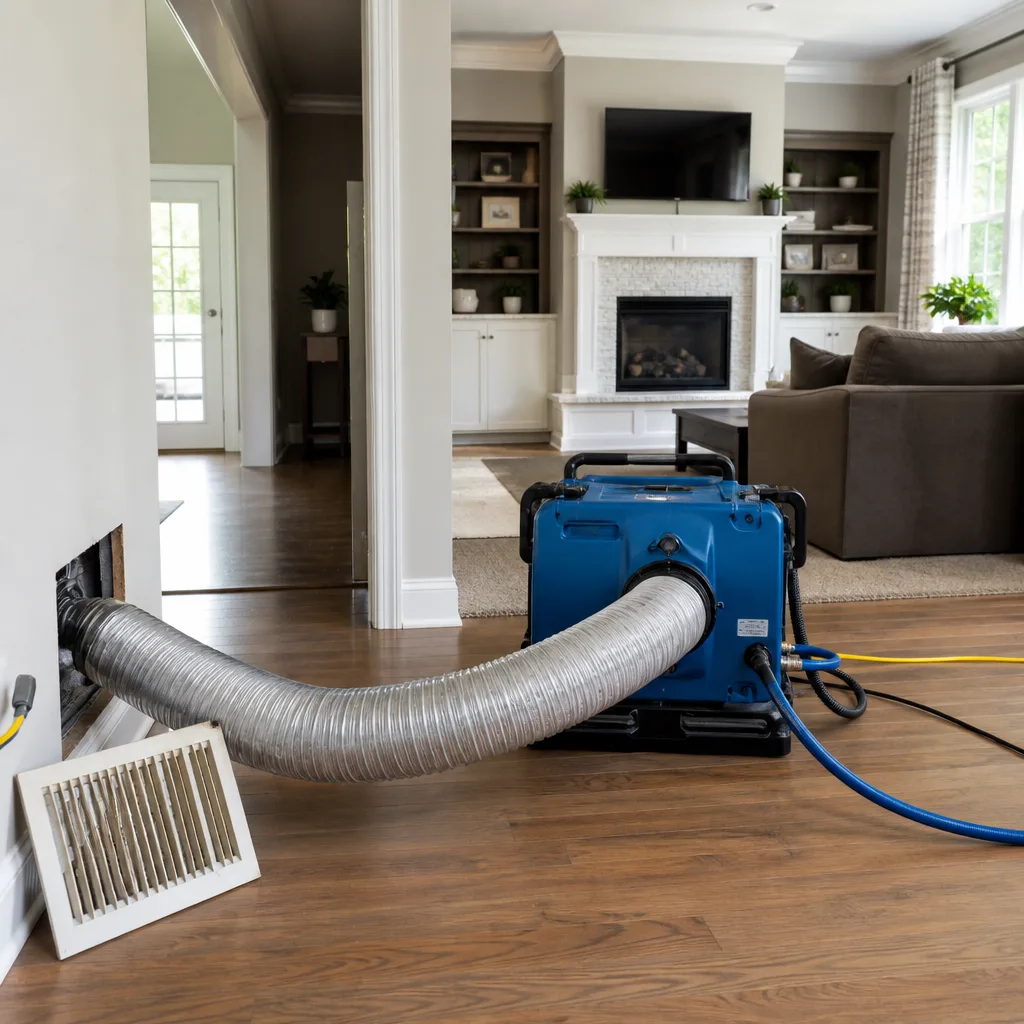
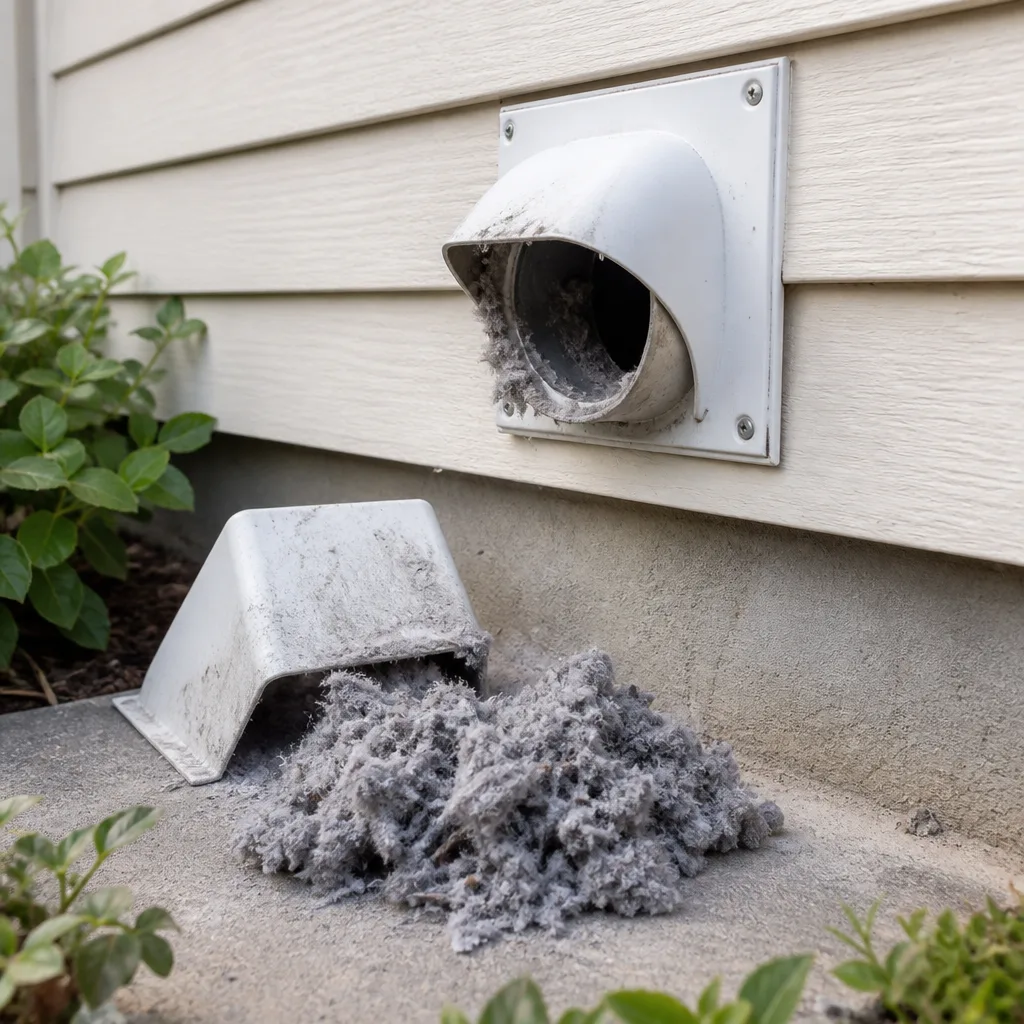
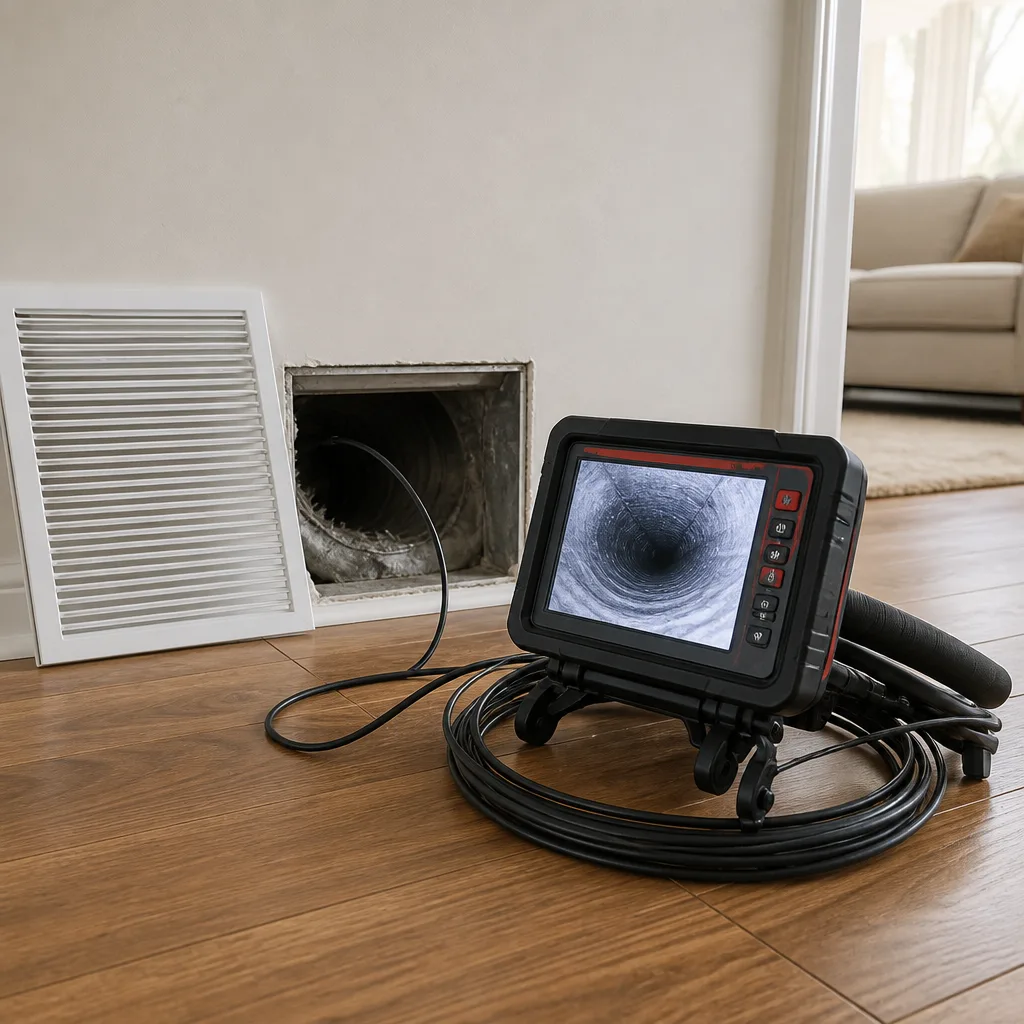
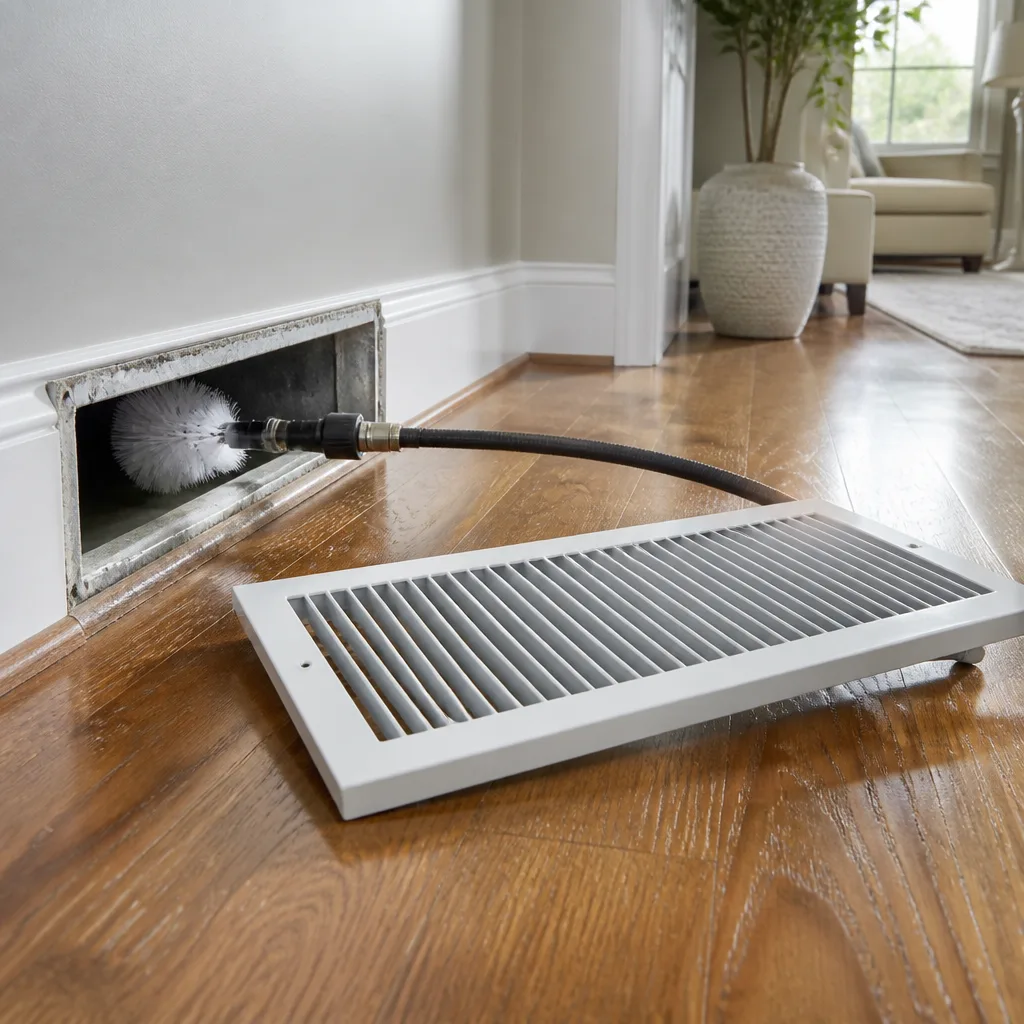
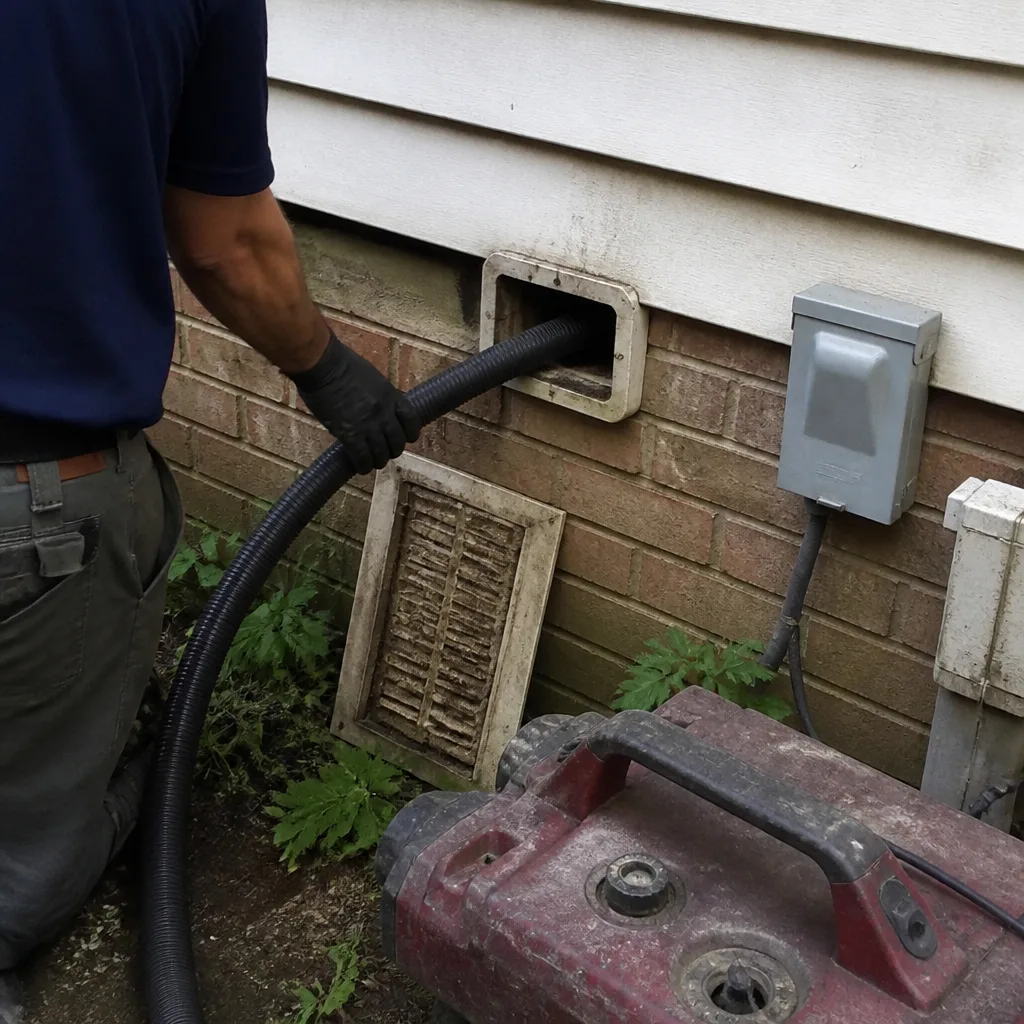 Before
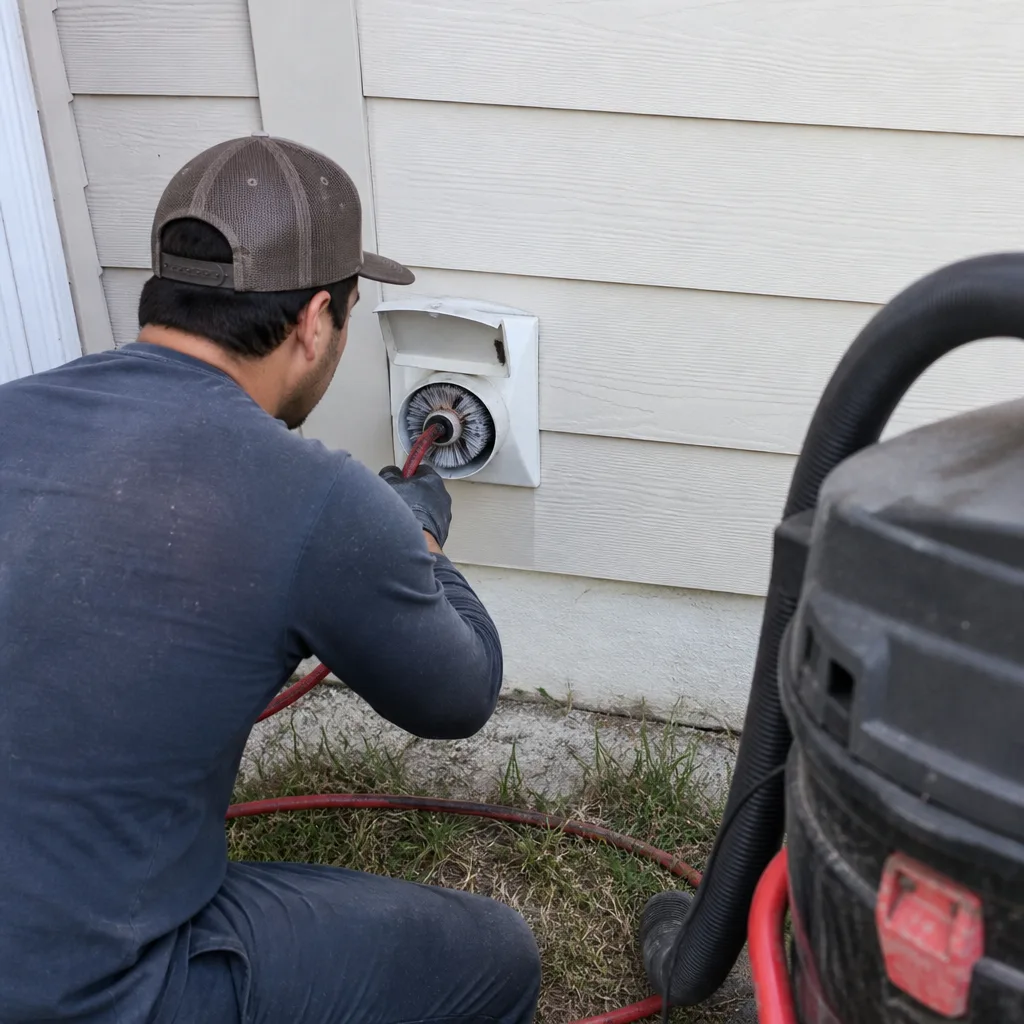 After
After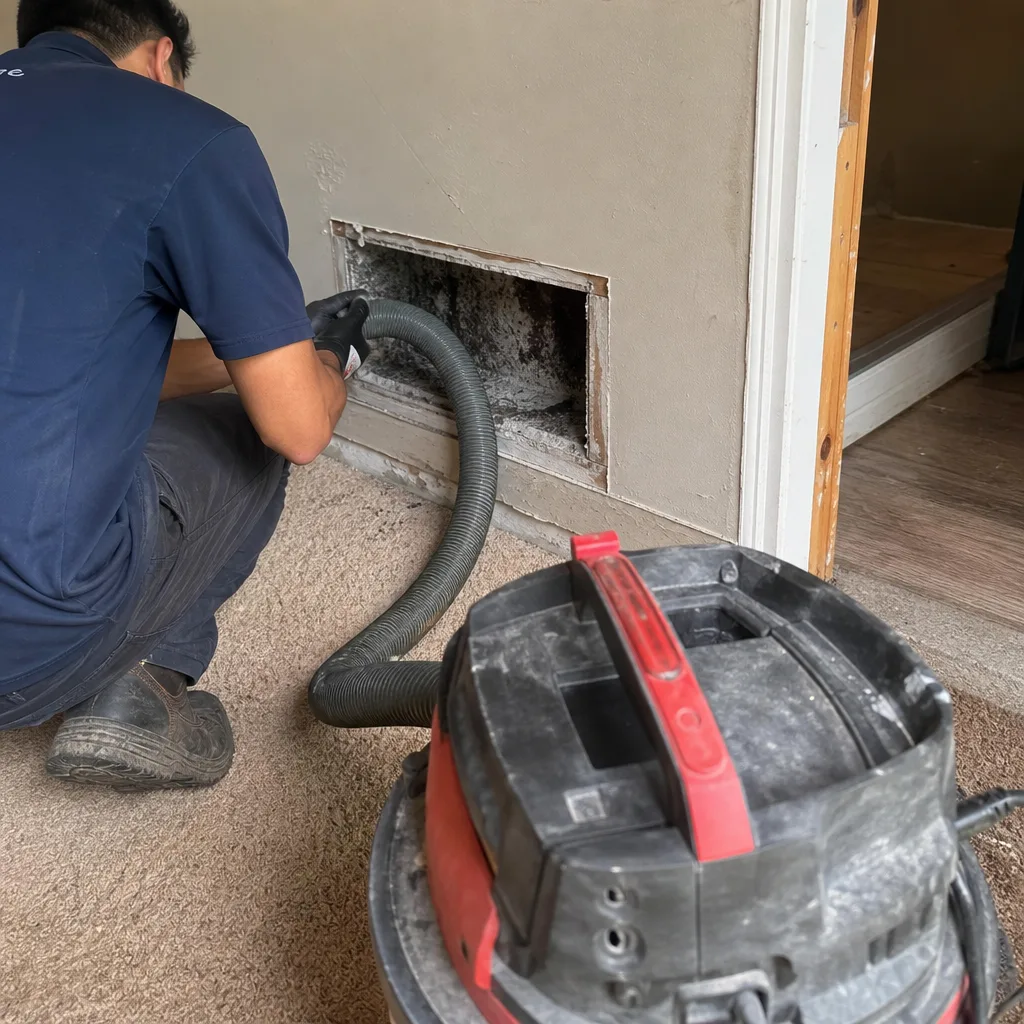 Before
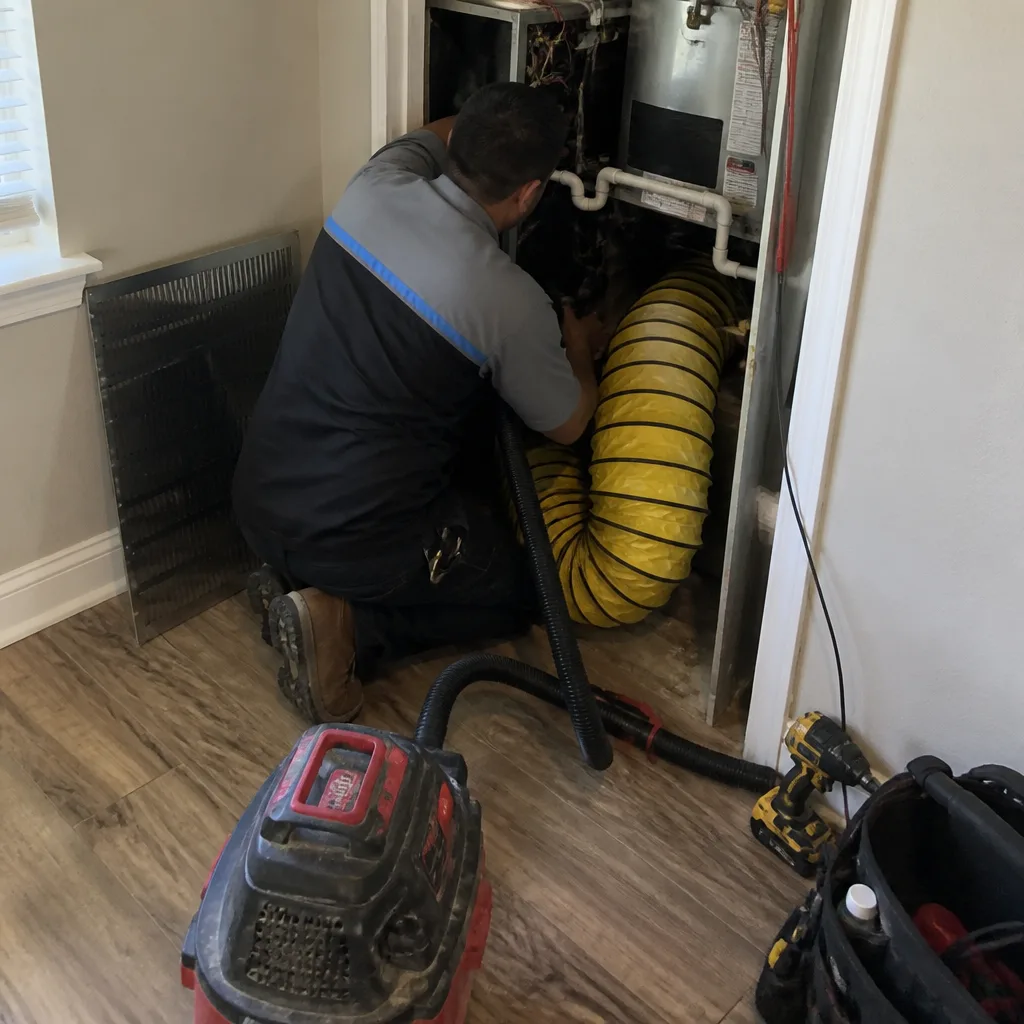 After
After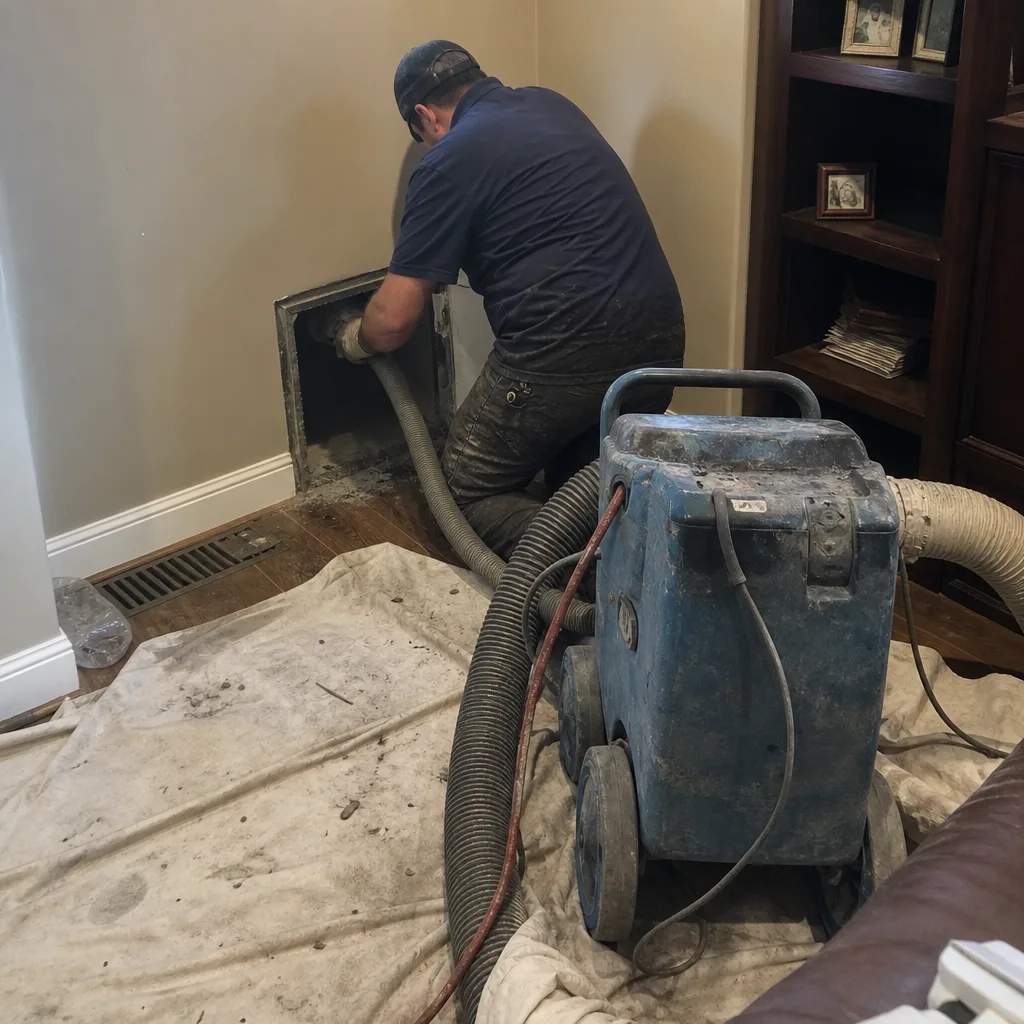 Before
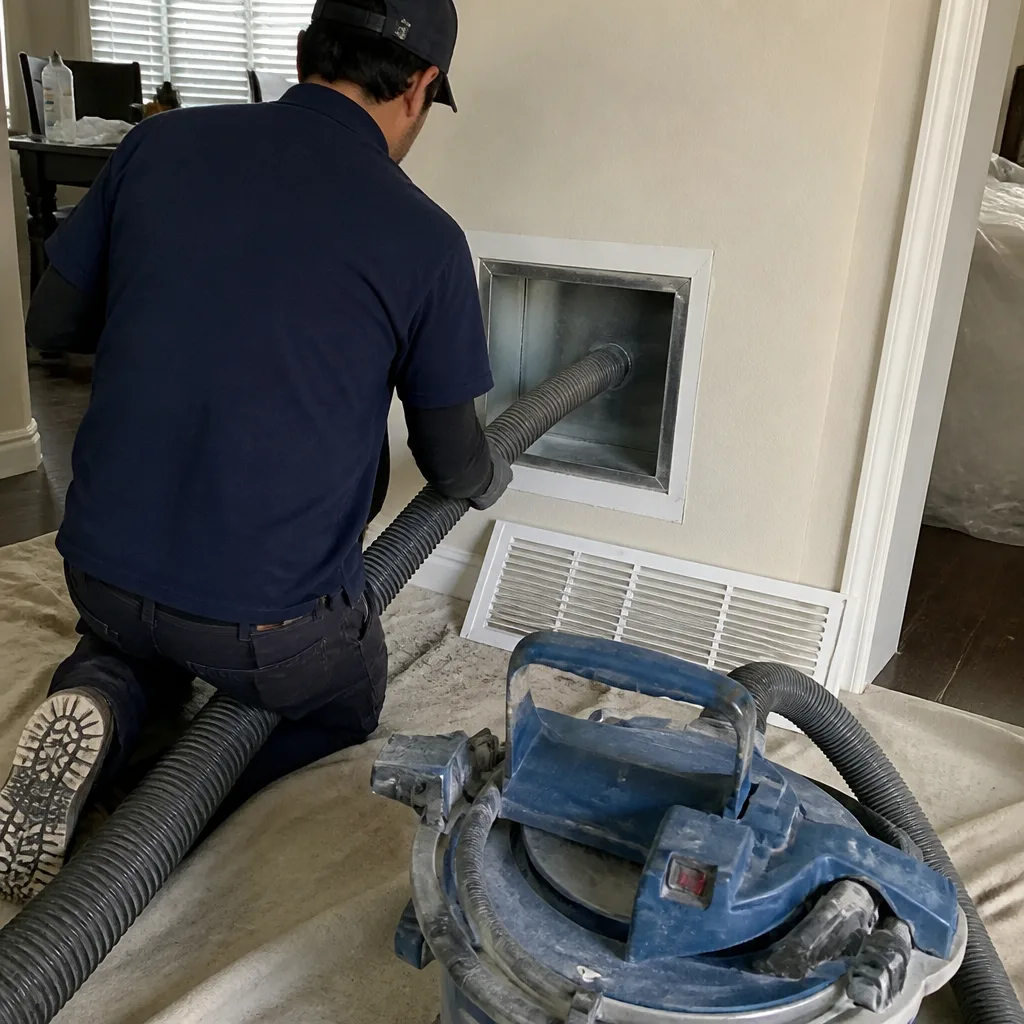 After
AfterAir Duct Cleaning Cost Breakdown: The Spring Homeowner’s Reference for 2026
In Spring, TX, we’ve watched the same phone call repeat for twelve years: a homeowner books a $79 air duct cleaning coupon, then calls us two weeks later with a $1,400 invoice and a photo of a UV lamp they didn’t request. The arithmetic is deliberate. That coupon price doesn’t cover fuel to the Kleinwood area, let alone three hours of technician time, HEPA-collection equipment, and the photo documentation that makes a job verifiable. This guide breaks down what a legitimate Air Duct Cleaning services actually costs in Spring in 2026, why the numbers land where they do, and how to read an estimate before a truck ever reaches your driveway.
Quick Answer
A complete air duct cleaning for a typical 2,000-square-foot Spring home with one HVAC system costs between $350 and $550 in 2026. Prices below $250 indicate either a severely limited scope or a loss-leader designed to generate in-home upsells. Legitimate pricing reflects technician labor, professional equipment, consumables, and documented reporting, not just vacuum runtime.
Table of Contents
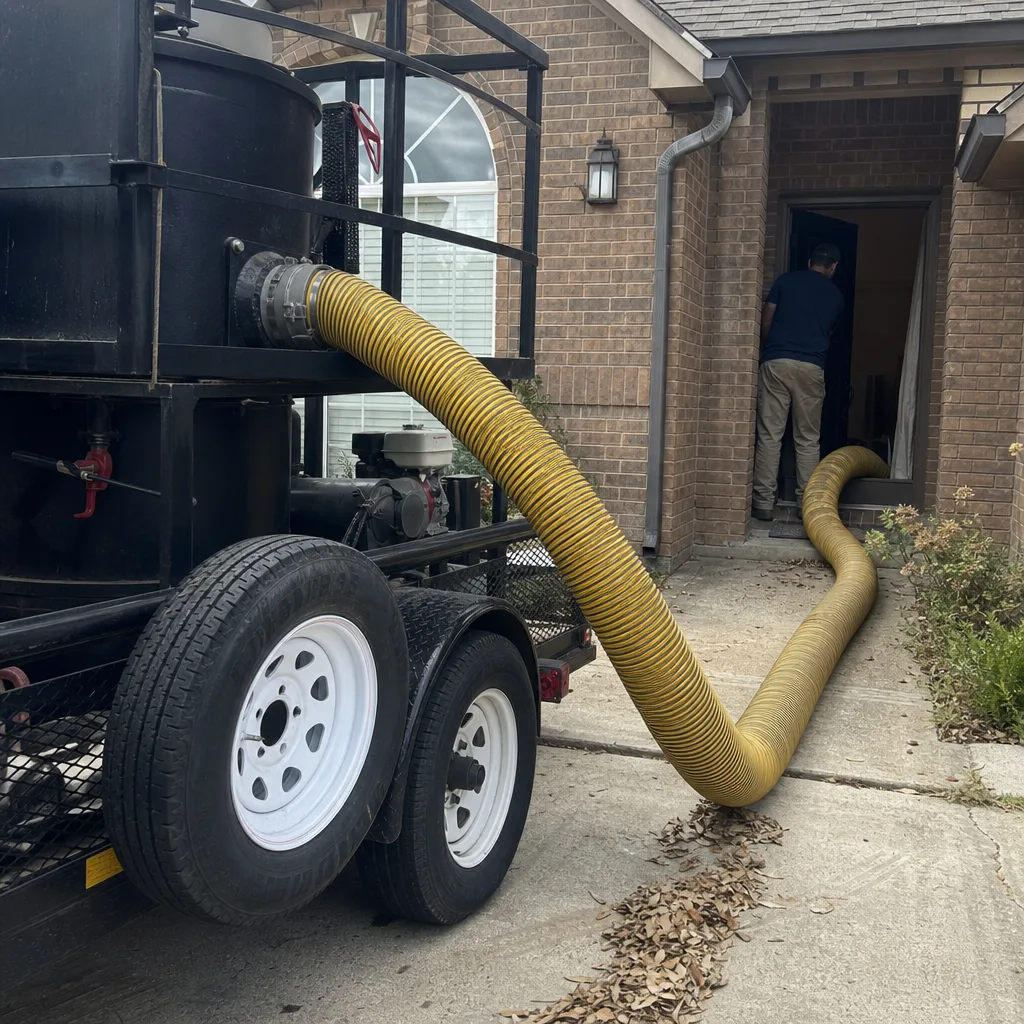
- What a Legitimate Air Duct Cleaning Costs in Spring
- The Real Cost Components of a Proper Job
- The Per-Vent Pricing Trap
- Legitimate Add-Ons vs. Manufactured Upsells
- The Three-Line Written Estimate Every Contractor Should Provide
- Red Flags: How the $79 Coupon Becomes $1,400
- Choosing a Contractor in Spring
- Common Mistakes to Avoid
- When to Call a Professional
- Frequently Asked Questions
- The Bottom Line
BeforeAfterWhat a Legitimate Air Duct Cleaning Costs in Spring
For a single-story, 2,000-square-foot home in Spring with one HVAC system and standard fiberglass or metal ductwork, the market rate for a complete cleaning in 2026 runs $350 to $550. Two-story homes in neighborhoods like Gleannloch Farms or Augusta Pines, with longer duct runs and additional return pathways, typically fall between $450 and $650. Homes with multiple systems, each requiring separate cleaning cycles, scale roughly linearly: $350-$550 per system, not per square foot.
These figures assume full-scope work: all supply registers, all return registers, the return plenum (the large chamber that collects air before it reaches the air handler), the supply plenum, trunk lines (the main distribution channels), and accessible branch runs (the smaller ducts that terminate at individual rooms). The air handler cabinet itself, including the blower assembly and evaporator coil when accessible, should be included. Any quote that excludes the trunk lines or limits work to “vent cleaning” is not a complete air duct cleaning, regardless of what the marketing material calls it. For a full breakdown of what should be included, see our Air Duct Cleaning Maintenance Checklist for Spring Homeowners.
Spring’s climate affects this baseline. Our extended cooling season, with systems running from March through November, produces heavier accumulation at the evaporator coil and in return plenums where humidity condenses on particulate matter. Homes near the Grand Parkway corridor, where new construction stirred significant drywall dust between 2015 and 2022, often show heavier initial loads that extend technician time by 30 to 60 minutes. We don’t charge extra for this; it’s built into our flat-rate structure. But it explains why a $199 “whole house special” cannot cover the actual labor involved.
At CleanRun Air Duct Cleaning Spring, we publish our pricing structure under Haven Standard Clause 1: Written Price Before Any Work Starts. The homeowner receives a single flat rate per system, agreed in writing, before any panel is removed. No per-vent arithmetic. No surprise line items after the technician is inside.
The Real Cost Components of a Proper Job
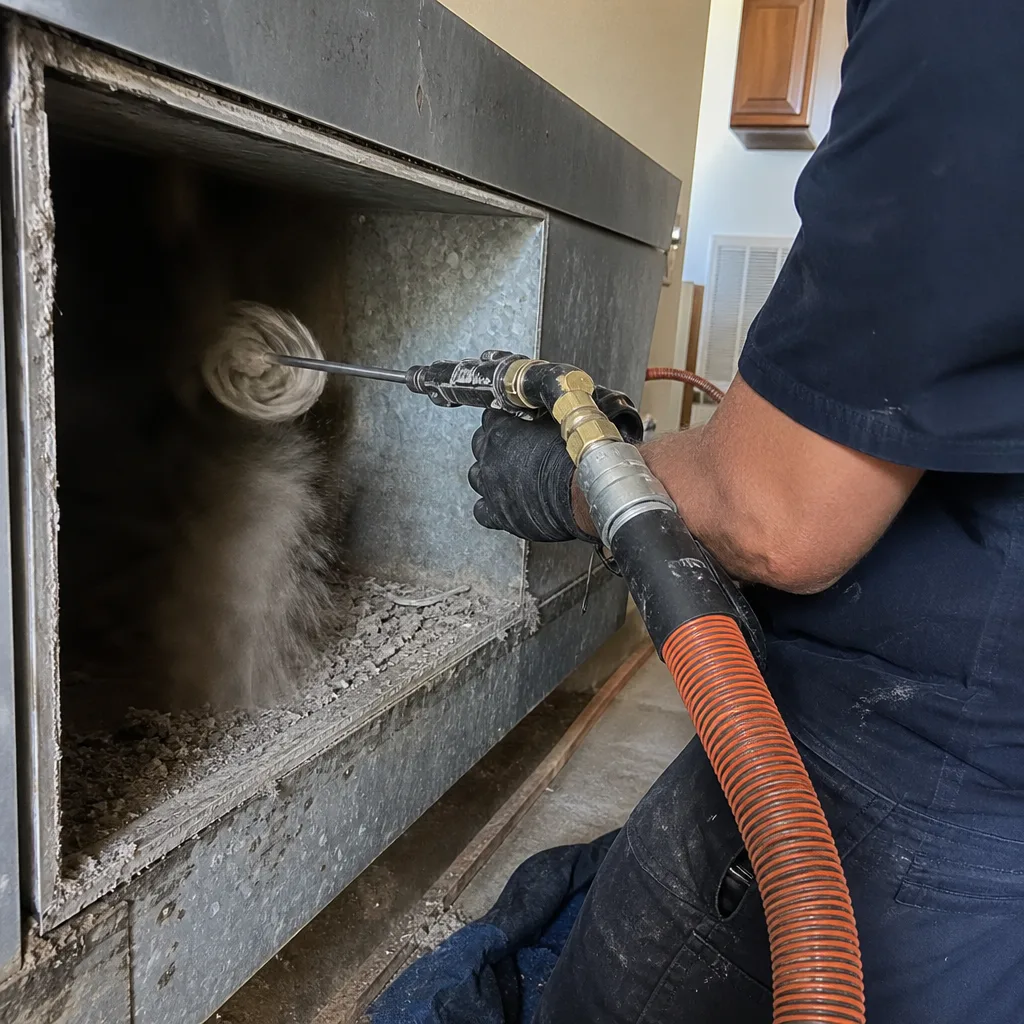
Understanding why legitimate pricing starts around $350 requires looking at what the money actually buys. These are not inflated margins. They are the fixed and variable costs of doing the work correctly.
Technician Time: 3 to 5 Hours
A thorough cleaning of a single-system home takes three to five hours for one technician, or two to three hours for a two-person crew. This includes:
- Protective floor and corner covering at every access point
- Register removal and manual cleaning (not just vacuuming around them)
- Agitation and negative-pressure extraction of each duct run
- Air handler cabinet access, blower inspection, and coil surface cleaning when reachable
- Reassembly of all access panels and register restoration
- Photo documentation of every run, before and after, uploaded to the job record
At prevailing wage rates for trained, background-checked technicians in the Houston metro area, labor alone consumes $120 to $180 of the job cost. Technicians operating under the H.A.V.E.N. Standard, with verified credentials and ongoing equipment training, command rates above the casual labor market. Haven Standard Clause 3: Verified Crews requires background checks, uniform identification, and name verification before arrival. That structure has a cost. It also has a value that shows up in your home.
Equipment Amortization and Maintenance
Professional duct cleaning requires truck-mounted or portable HEPA-collection systems, rotary brush assemblies, and negative-pressure generators. A Rotobrush system with HEPA filtration, or comparable equipment from Nikro or Abatement Technologies, represents a capital investment of $8,000 to $15,000 per unit. These machines require filter replacement, brush head replacement, and compressor maintenance that runs $2,000 to $4,000 annually per crew.
The equipment must also be appropriate to the duct material. Fiberglass flex duct, common in Spring homes built between 2005 and 2015, requires softer brush heads and lower pressure settings than rigid metal duct. Using the wrong attachment can damage the duct liner or dislodge connections at plenum joints. The cost of maintaining multiple brush types and pressure configurations is part of the equipment overhead.
Consumables
Every job consumes materials that cannot be reused:
- HEPA filter cartridges: $25-$40 per job, depending on load
- Brush heads (various diameters and stiffness): $15-$30 per job
- Access panel covers or fabricated patches: $10-$25 when existing panels are missing or inadequate
- Protective floor coverings, corner guards, and sanitation supplies: $15-$25
- Photo documentation upload and cloud storage per job record: $5-$10
These consumables total $70 to $130 per job. A contractor charging $199 is either absorbing unsustainable losses or, more commonly, omitting steps from the scope.
Administrative and Documentation Costs
The photo record that CleanRun delivers on every visit, included as a standard deliverable, requires technician time during the job and administrative time afterward. Each before-and-after pair must be matched to the correct duct run, uploaded to the customer portal, and linked to the written scope. This adds 20 to 30 minutes of labor per job that does not exist for contractors who skip documentation.
Similarly, the written price under Haven Standard Clause 1 requires a structured estimate format, printed or digitally signed, before work begins. The administrative infrastructure to generate, track, and store these records has a cost that coupon operators avoid entirely.
The Per-Vent Pricing Trap
One of the most effective mechanisms for obscuring true cost is the per-vent or per-register pricing model. The pitch sounds transparent: “$25 per vent, so you only pay for what you need.” The reality is structural deception.
Consider a typical Spring home in the Windrose or Lakes of Cypress Forest area: 12 supply registers, 3 return registers, plus the air handler, supply plenum, return plenum, and trunk lines. At $25 per register, the quoted price is $375. But this scope typically excludes:
- Trunk line cleaning (the largest surfaces where debris accumulates)
- Plenum cleaning (where the heaviest buildup occurs)
- Air handler cabinet access
- Photo documentation
- Written scope or guarantee
The homeowner believes they’ve purchased a complete cleaning. The contractor knows they’ve sold register vacuuming with a brush demonstration. When the technician arrives and “discovers” that the trunk lines need attention, the upsell begins: typically $150 to $300 additional for “main line cleaning,” sometimes framed as an urgent health concern.
By contrast, a flat-rate quote of $425 that explicitly includes all registers, both plenums, all trunk lines, the air handler, and documented photo evidence covers more actual work at a lower final price. The per-vent model appears cheaper because it is smaller. It is not the same service reduced in price; it is a different service with a similar name.
At CleanRun, we do not use per-vent pricing. Haven Standard Clause 1 requires a written flat rate per system, with the full scope defined before work starts. The homeowner knows the total cost before the truck leaves our facility. The technician has no incentive to discover additional problems after arrival.
Legitimate Add-Ons vs. Manufactured Upsells
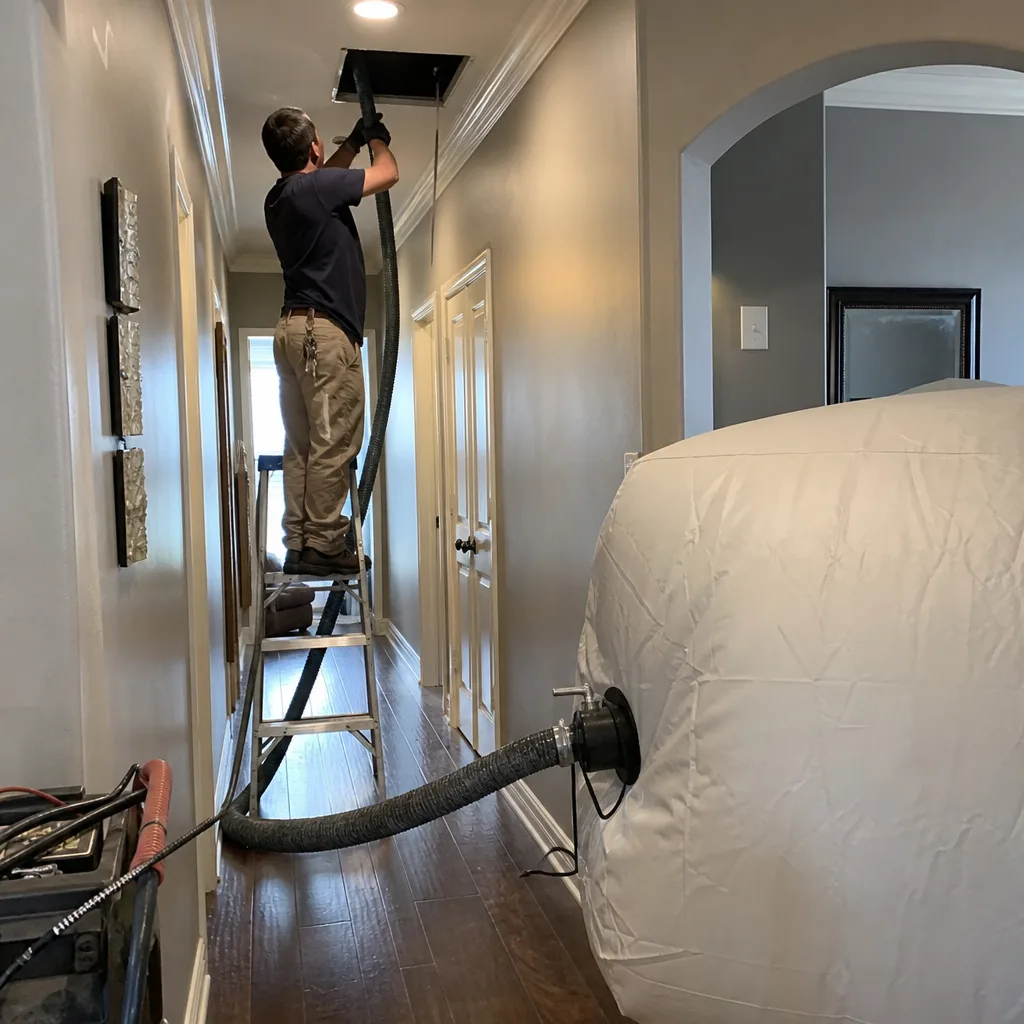
Some additional services carry real costs and are sometimes necessary. Others are fabricated on-site to inflate invoices. Distinguishing them requires understanding what justifies the expense.
Sanitizer Application: $50-$100
EPA-registered sanitizers applied to duct interiors can reduce microbial loads, but they are only warranted when there is confirmed biological growth, not routine dust accumulation. At CleanRun, we apply sanitizer only when the photo record shows visible mold or when a homeowner provides lab confirmation of elevated fungal levels. The application requires additional technician time, product cost, and post-application drying period. We do not sell sanitizer as a default add-on. Haven Standard Clause 5: Scope Integrity prohibits recommending services without documented justification.
Duct Sealing: $800-$2,500
Significant duct leakage, typically measured at 20% or more of system airflow, justifies sealing work. In Spring, where attic temperatures exceed 130°F in July, leaking supply ducts waste substantial cooling energy. Two methods dominate:
- Aeroseal: An aerosolized sealant injected under pressure that finds and plugs leaks from the inside. Effective for widespread micro-leaks, typically $1,500-$2,500 for a single system.
- Mastic application: A brush-applied paste sealant used at accessible joints and connections. Appropriate for targeted repairs, typically $800-$1,500 depending on accessibility.
Legitimate duct sealing requires a pre-sealing leakage measurement, typically with a duct blaster or pressure pan test, and a post-sealing verification. Any quote for sealing without measurement is speculative. We provide a Free Second Opinion on any written estimate that includes sealing, comparing our measured results against the competitor’s proposal.
Access Panel Fabrication: $75-$150
Some air handlers, particularly older units in Spring homes built before 2000, lack adequate service openings. Creating a proper access panel, with reinforced edges and removable cover, allows future maintenance and is required by many Air Duct Cleaning Permits, Codes & Inspections in TX: What You Need to Know for thorough cleaning. This is a legitimate charge when necessary, but it should be identified during the initial inspection, not discovered after work begins.
Manufactured Upsells to Reject
The FTC and NADCA complaint databases document consistent patterns:
- “Mold” photos that show dust shadows: Dark areas in fiberglass duct liner are often misrepresented as mold to justify $500-$1,200 in “remediation.” Actual mold requires laboratory confirmation; visual identification by a cleaning technician is unreliable.
- UV lamp installation without humidity measurement: UV-C lamps can inhibit microbial growth on coil surfaces, but only when humidity levels support that growth. Installation without a humidity reading, typically $300-$800, is speculative selling.
- “Emergency” coil cleaning: The evaporator coil should be inspected and surface-cleaned as part of standard scope. Presenting this as a separate discovery is a scope manipulation.
The Three-Line Written Estimate Every Contractor Should Provide
A legitimate estimate in Spring should fit on three lines, with no ambiguity. Anything more complex is designed to confuse; anything less is incomplete.
- Line 1: Full system cleaning with defined scope. Example: “Complete cleaning of one HVAC system: all supply registers (12), all return registers (3), supply plenum, return plenum, trunk lines, accessible branch runs, and air handler cabinet including blower assembly. Includes photo documentation of every run, before and after.”
- Line 2: Any add-ons with separate justification. Example: “Duct sealing with mastic at accessible joints, per measured leakage of 24% - $1,100.” Each add-on must include the specific reason it is recommended, not a generic health claim.
- Line 3: Total with tax. Example: “Total: $425 + tax = $460.13.” This figure must not change after the technician enters the home. If additional conditions are discovered, the homeowner must approve a revised written estimate before work continues.
At CleanRun, this format is mandatory under Haven Standard Clause 1. We have used it on all 52,000+ homes served since 2013. The written price is photographed and stored with the job record, so there is no dispute about what was agreed.
Any estimate that changes after the technician is in your home is not an estimate. It is a starting bid. The homeowner should stop the work and request a revised written scope, or request that the technician leave. A legitimate contractor will not resist this request.
Red Flags: How the $79 Coupon Becomes $1,400
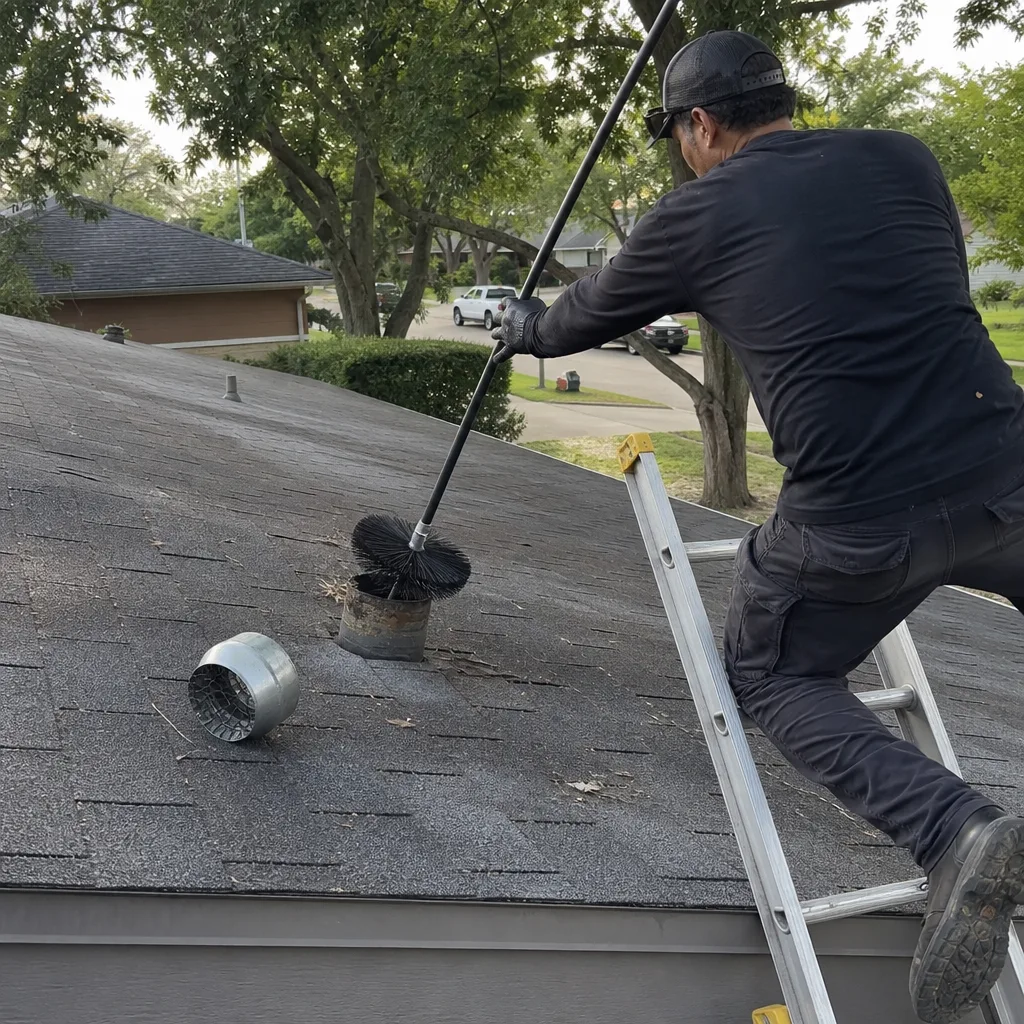
The mathematics of the coupon model are not mysterious. They are designed. Understanding the progression helps homeowners recognize it before booking.
Step 1: The bait. A $79 or $99 price is advertised for “whole house duct cleaning.” The fine print, when present, limits scope to “vent cleaning” or “unlimited vents” with no mention of trunk lines, plenums, or air handler. The price does not cover fuel to Spring from the contractor’s dispatch point, let alone technician wages for three hours.
Step 2: The arrival. The technician, often an independent contractor paid on commission rather than hourly wage, has a financial incentive to identify additional services. The truck carries inventory of UV lamps, sanitizers, and sealants that must be sold to make the route profitable.
Step 3: The inspection. Using a borescope or camera, the technician shows the homeowner dark areas in the ductwork, identifying them as “mold” or “bacteria colonies.” The homeowner, understandably concerned, is presented with an urgent health narrative. No laboratory confirmation is offered. No humidity reading is taken.
Step 4: The escalation. The recommended services typically include: sanitizer application ($200-$400), UV lamp installation ($300-$800), “deep” coil cleaning ($150-$300), and sometimes duct sealing ($500-$1,500). The original $79 coupon is now a $1,200-$1,800 invoice.
Step 5: The departure. The work performed may be minimal: a brief vacuum at registers, a spray application of unverified product, a UV lamp screwed to the duct wall without electrical inspection. No photo documentation is provided. No written guarantee is offered. The homeowner has no evidence of what was actually done.
This pattern is sufficiently documented that the FTC has issued consumer alerts, and NADCA (the National Air Duct Cleaners Association) maintains a complaint database. The common element in every complaint is the absence of written scope and documentation before work began.
CleanRun’s response is structural, not merely ethical. Haven Standard Clause 1 eliminates the conditions that make the scam possible: no commission-based upselling, no variable pricing after arrival, no work without written agreement. The 365-Day Done Right Promise, backed in writing on every job, means the work remains accountable long after the truck leaves.
Choosing a Contractor in Spring
Spring’s market includes established HVAC companies that added duct cleaning as a sideline, national lead-generation services that dispatch unvetted contractors, and a small number of specialists who focus exclusively on ductwork. Evaluating them requires specific questions, not general impressions.
Ask for license verification. In Texas, the Air Conditioning and Refrigeration Contractors Advisory Board issues licenses for HVAC-related work. A legitimate contractor should provide a license number that can be verified online. CleanRun publishes its license number on every page, not buried in a footer.
Request equipment specifics. Professional-grade equipment from Rotobrush, Nikro, Abatement Technologies, or comparable manufacturers can be independently verified. Ask what machine will be used in your home and whether it includes HEPA collection. A shop vacuum with a long hose is not adequate equipment.
Demand the photo record in writing. The promise of “before and after photos” should be specified: how many runs, how delivered, how long retained. CleanRun’s Documented Photo Record on Every Visit, a practice held since our first job in 2013, photographs the inside of every duct run and delivers it as part of the standard job record.
Verify the guarantee structure. A “satisfaction guarantee” with no written terms is a marketing phrase. The 365-Day Done Right Promise specifies that if the work is not right, CleanRun makes it right, with the mechanism defined in writing. It is not subject to manager discretion or claim denial.
Check neighborhood familiarity. A contractor who knows Spring should reference specific conditions: the heavier pollen loads in April and May that affect return plenums, the drywall dust common in 2015-2022 construction, the particular duct configurations in Ponderosa Forest or Cypress Trails. Generic responses suggest a dispatch radius too wide for local expertise.
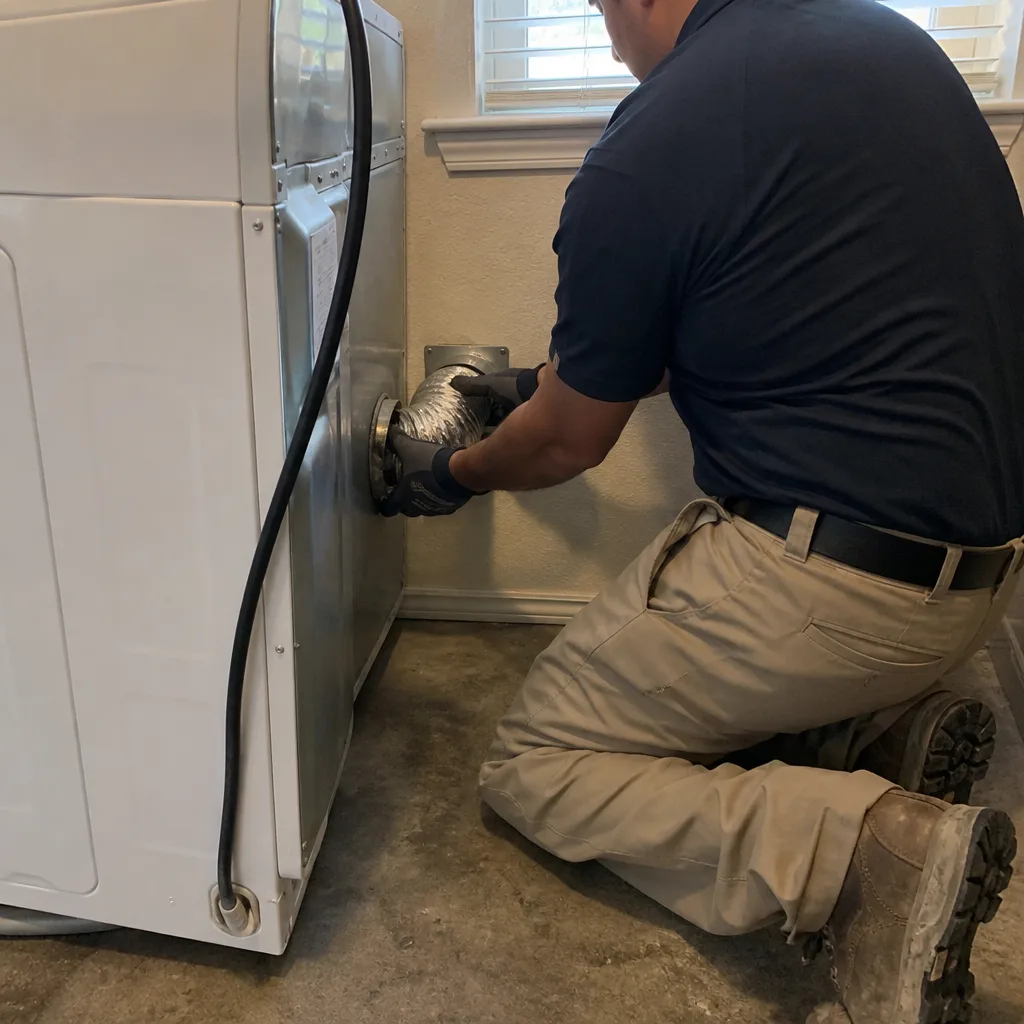
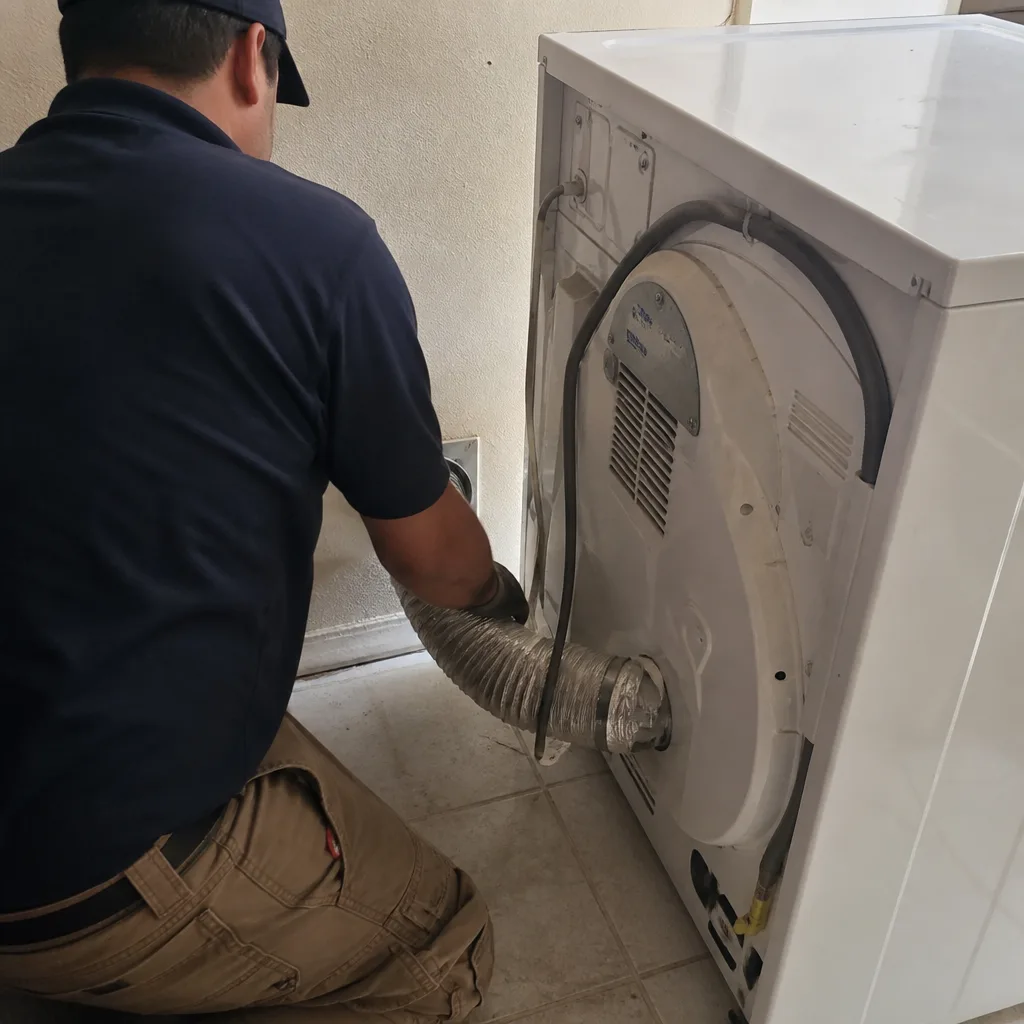
For dryer vent cleaning in Spring, which is often bundled with duct cleaning, similar standards apply. The service requires different equipment (rotary brushes with reverse-blowing capability, not duct cleaning tools) and carries distinct fire-safety implications. A contractor who treats dryer vent cleaning as an afterthought is not a specialist.
Common Mistakes to Avoid
- Booking based on coupon price without reading scope exclusions. The $79 special almost always excludes trunk lines, plenums, and air handler access. Read the fine print or request a written scope before scheduling.
- Accepting verbal estimates that “might change” after inspection. Any price that is not fixed in writing before work begins is designed to increase. This is not a standard practice; it is a specific business model.
- Assuming all contractors use similar equipment. A Rotobrush or Nikro HEPA system and a shop vacuum with a 25-foot hose produce different results at different costs. Equipment matters.
- Neglecting to verify photo documentation delivery. “We take photos” means nothing without specification of how many, of what, and in what format you receive them. Demand specifics.
- Ignoring Spring’s climate factors in timing. Scheduling immediately before or during peak pollen season (March-May) means the system will recirculate new particulate matter shortly after cleaning. Late fall or early winter often provides longer-lasting results.
- Failing to get a second opinion on high add-on quotes. Any estimate exceeding $800 beyond base cleaning deserves independent verification. CleanRun’s Free Second Opinion on Any Written Estimate exists for this purpose.
- Confusing duct cleaning with HVAC maintenance. Cleaning removes accumulated debris; it does not replace filter changes, coil maintenance, or refrigerant checks. For HVAC cleaning in Spring, confirm whether the scope includes mechanical components or is limited to ductwork.
When to Call a Professional
Schedule a professional inspection when you notice visible dust emission from registers, uneven airflow between rooms, or musty odors when the system cycles. After renovation work, particularly drywall sanding or flooring installation, debris accumulation in ductwork is nearly certain. Homes in Spring with pets, recent water intrusion, or occupants with respiratory sensitivity benefit from documented assessment even without obvious symptoms.
CleanRun Air Duct Cleaning Spring offers free estimates in Spring. Every estimate includes a written flat-rate price, the full scope defined, and no obligation to proceed. Call (346) 423-3631 to schedule. All calls are answered by a live person, and technicians are background-checked, uniformed, and identified by name before arrival.
Frequently Asked Questions
A complete cleaning for a typical 2,000-square-foot home with one system costs $350 to $550 in 2026. Two-story homes or those with multiple systems run higher. Call (346) 423-3631 for a written estimate specific to your home, estimates are free.
Low quotes typically reflect limited scope (register cleaning only, excluding trunk lines and plenums) or a loss-leader model designed to generate in-home upsells. A $79 coupon cannot cover three hours of technician time, HEPA equipment, and documentation. The difference is not negotiation skill; it is a different service entirely.
Require photo documentation of every duct run, before and after, delivered in a format you can retain. The absence of documentation is itself evidence that verification was not possible. At CleanRun, the Documented Photo Record is included on every visit as a standard deliverable, not an optional extra.
For most Spring homes, every three to five years is adequate under normal conditions. Homes with recent renovation, significant pet presence, or occupants with allergies may benefit from more frequent assessment. The correct interval depends on what the photo record shows, not a calendar alone.
Three lines: the full scope of cleaning with all components listed, any add-ons with specific justification, and the total price with tax. Any estimate that changes after the technician enters your home is not an estimate. Haven Standard Clause 1 requires this format on every CleanRun job.
Rarely, and only when the scope is genuinely limited to register cleaning with explicit exclusion of all other components. In practice, per-vent pricing is almost always used to obscure total cost and enable trunk-line upsells. A flat rate per system, with full scope defined, is more transparent and typically more economical for equivalent work.
The Bottom Line
Air duct cleaning in Spring costs what it costs because legitimate work requires time, equipment, materials, and documentation that cannot be compressed below a floor of roughly $300-$350. The $79 coupon is not a below-market price for the same service; it is a different service with a similar name, structured to generate revenue through in-home sales pressure. The homeowner’s protection is simple: a written scope, a fixed price agreed before work starts, and photo documentation that verifies what was done. These are not premium extras. They are the minimum standards for a service that affects the air you breathe.
CleanRun Air Duct Cleaning Spring has operated under these standards since 2013. Every one of 52,000+ homes served received a written price before work started and a documented photo record when the crew left. The 365-Day Done Right Promise applies to every job, in writing, with no manager approval required.
Written by Tomas Reyes, Owner at CleanRun Air Duct Cleaning Spring, serving Spring since 2013.