

Whole-system duct and dryer vent check with before-and-after photos - you see exactly what came out of your vents
That "$99 whole-house special" is a bait ad - the real number appears once they are in your hallway, or the "clean" is a shop-vac at the register. We photograph the inside of your ducts before and after instead.
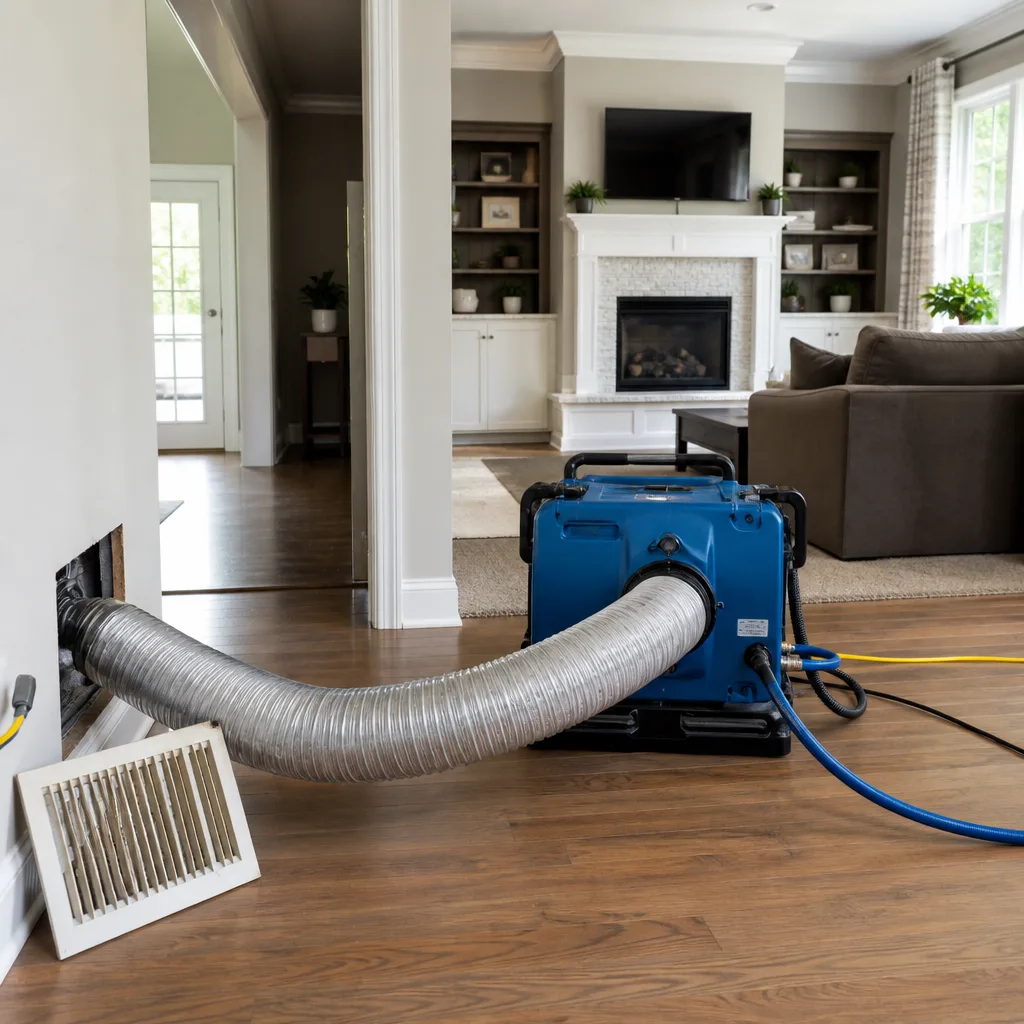
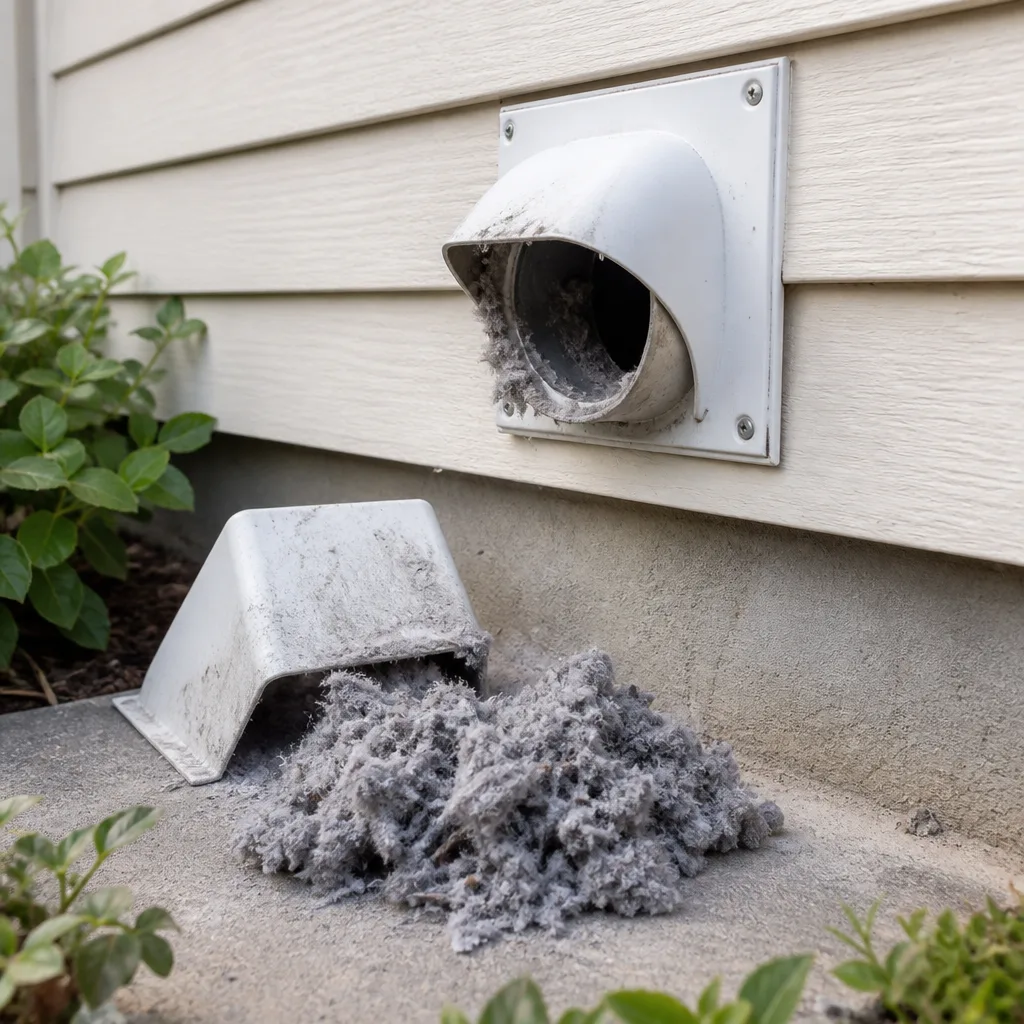
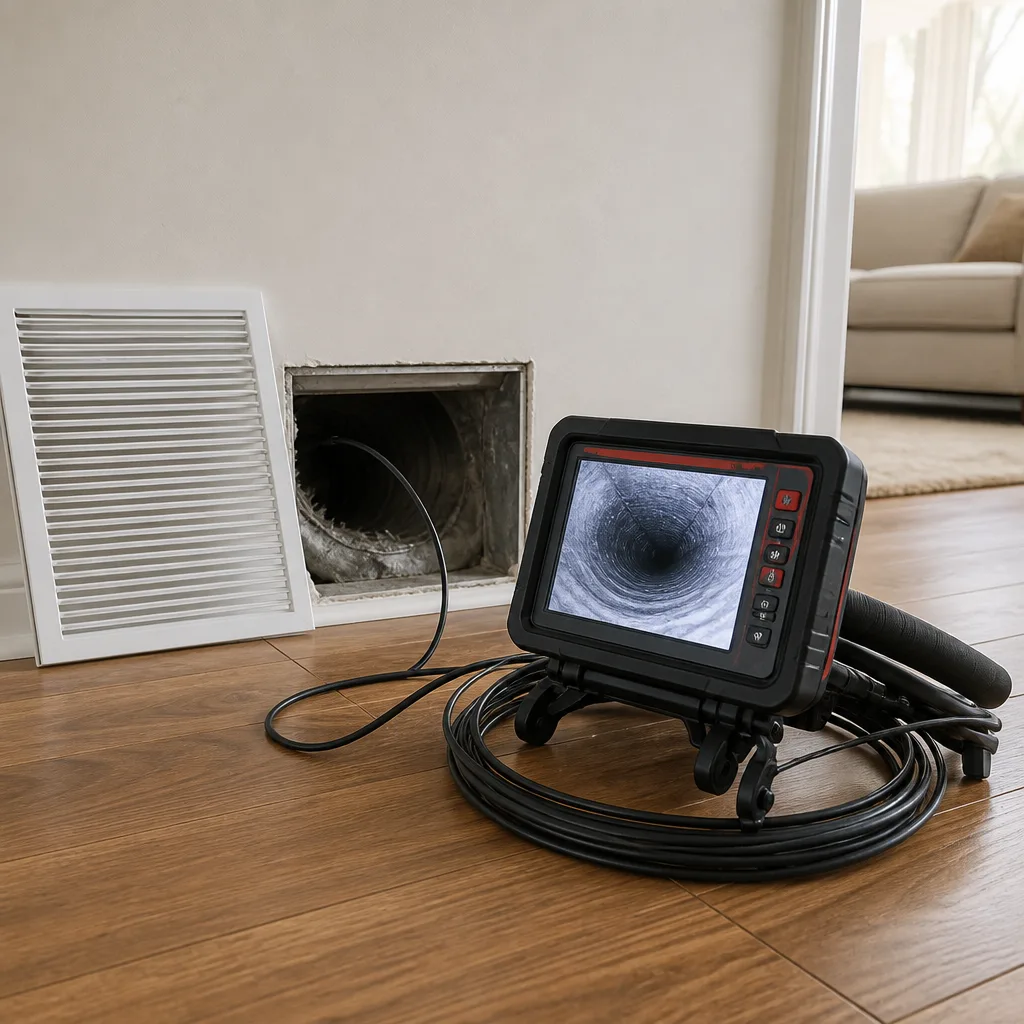
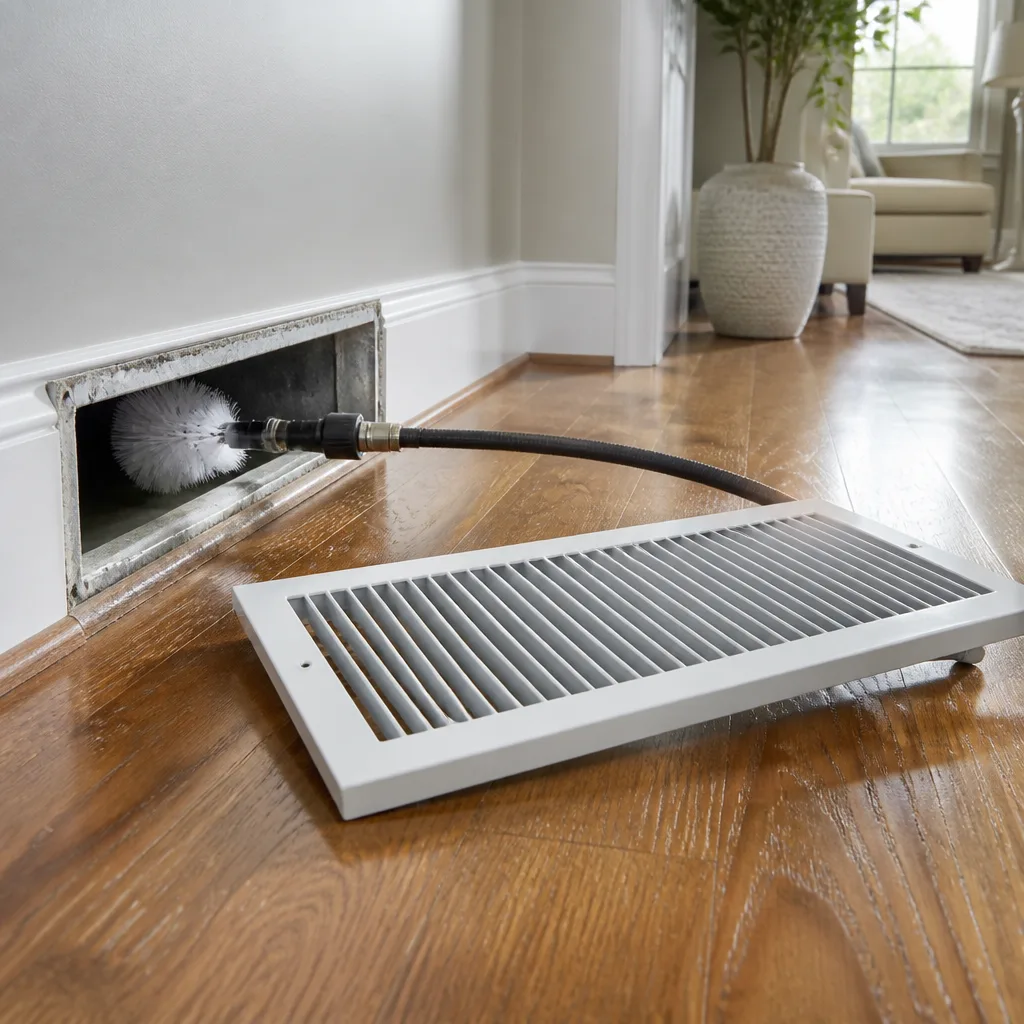
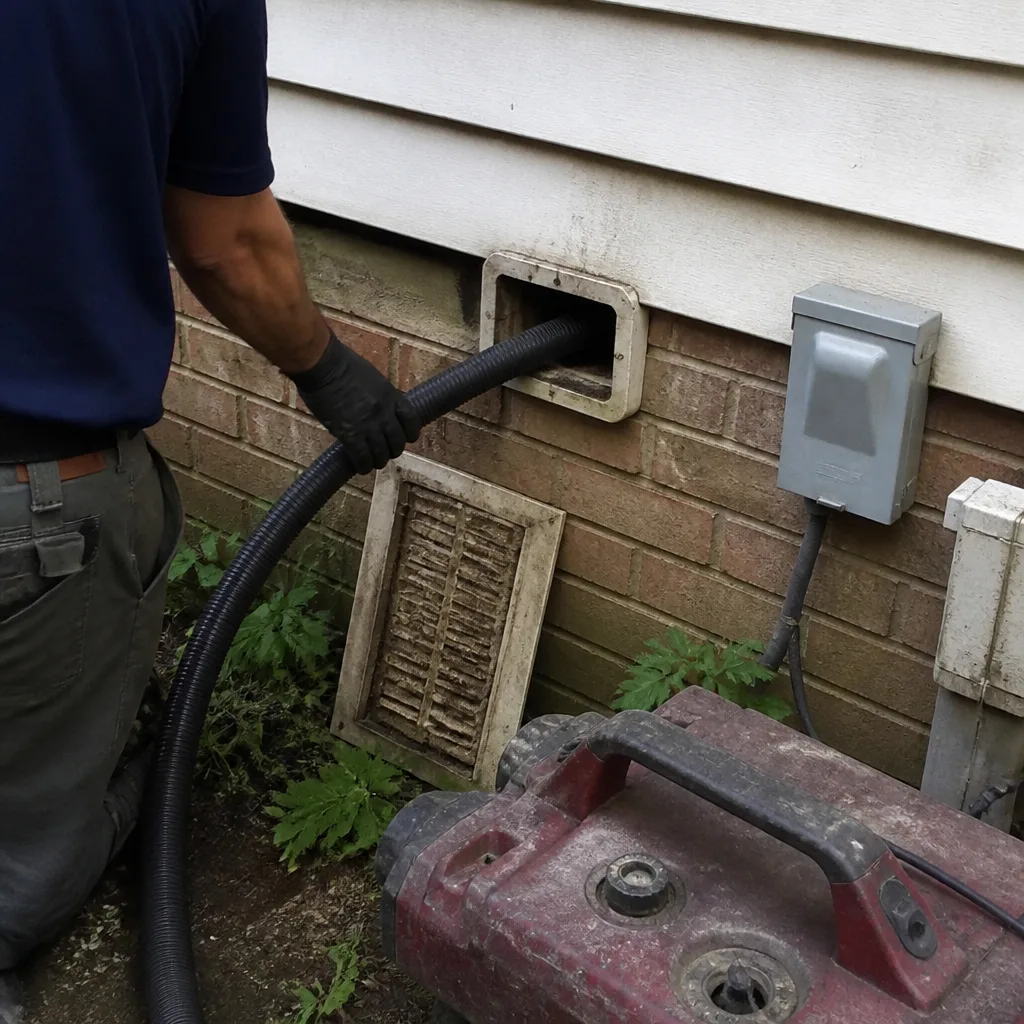 Before
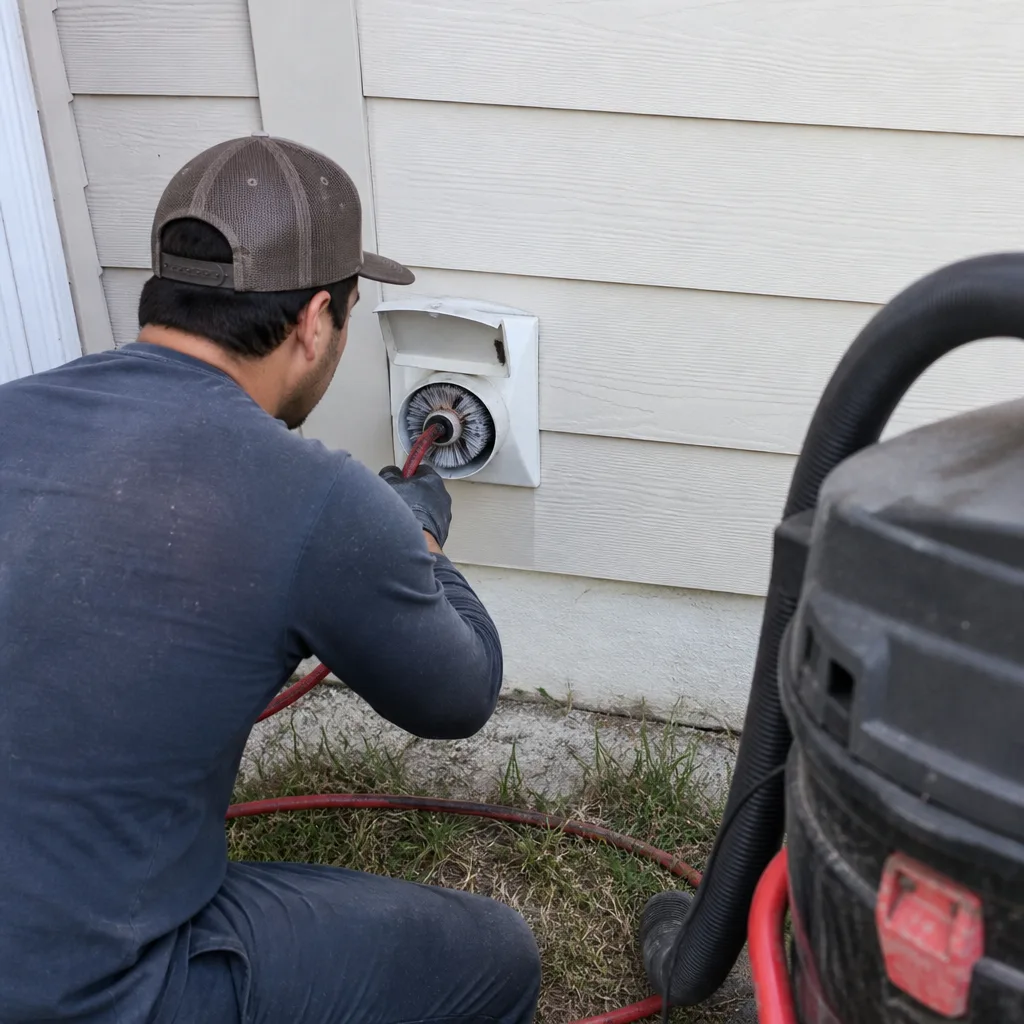 After
After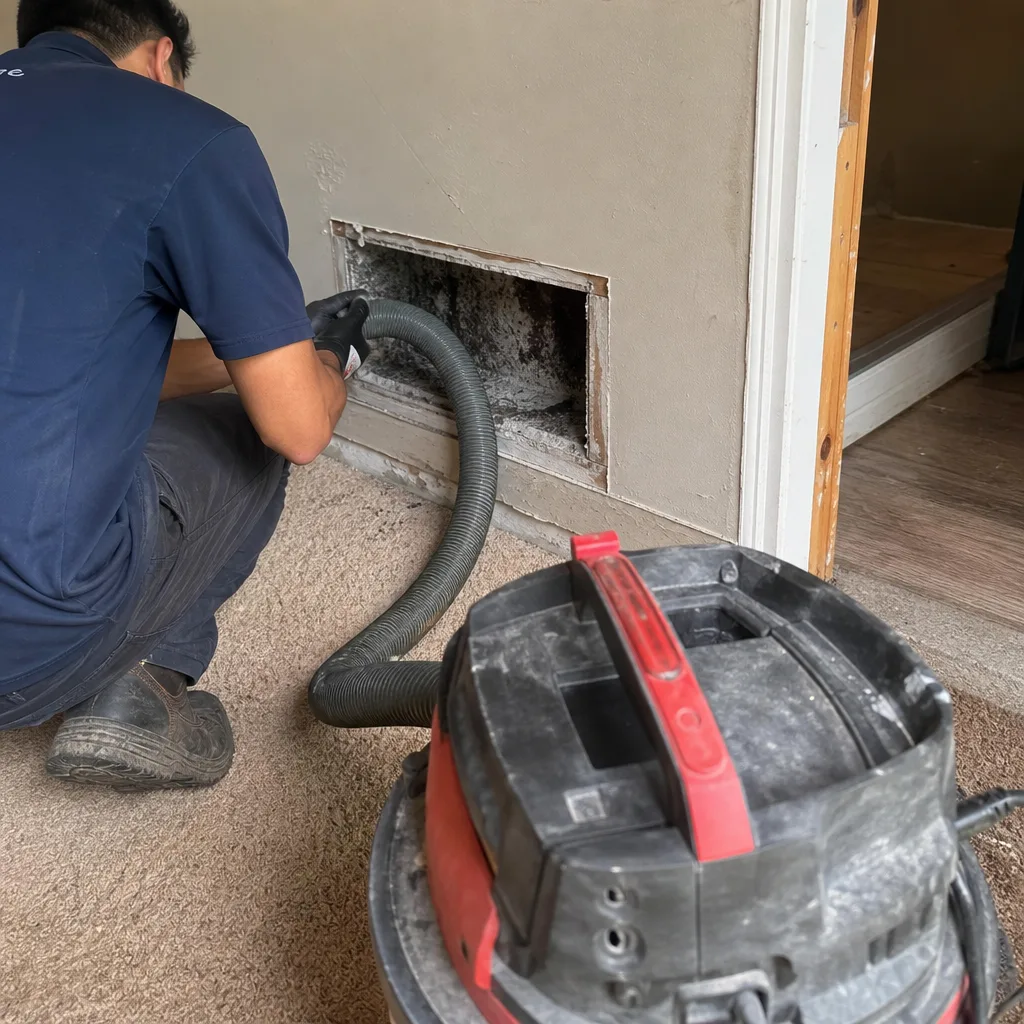 Before
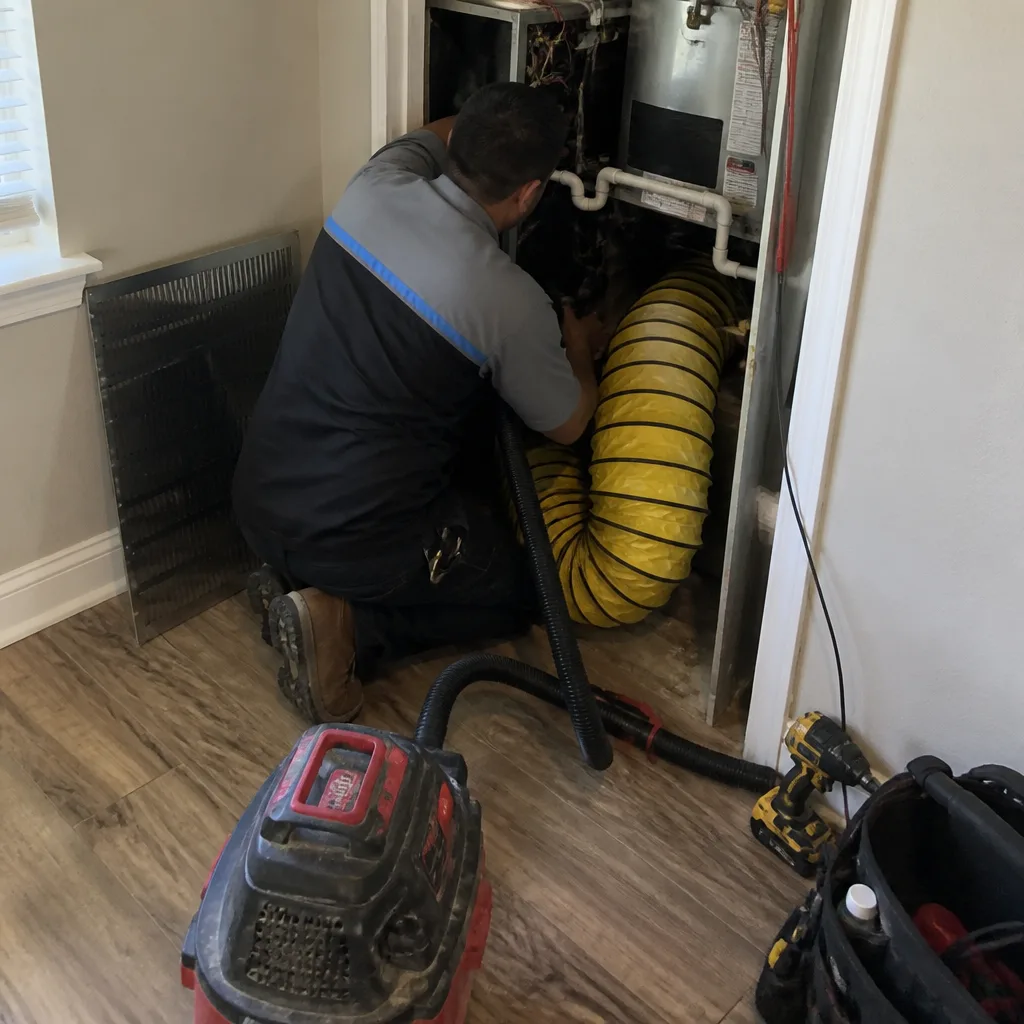 After
After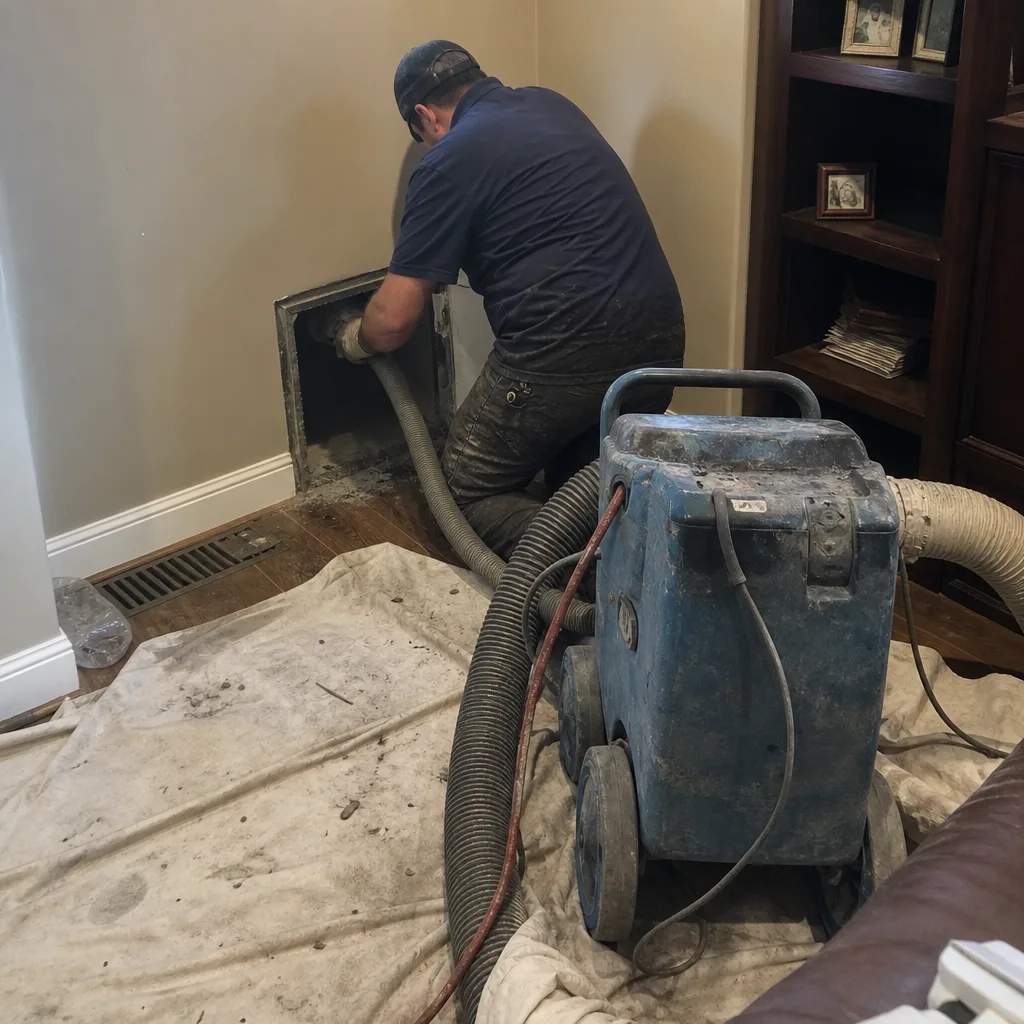 Before
 After
AfterHow Much Does Dryer Vent Cleaning Cost in Spring?
Dryer Vent Cleaning services in Spring, TX typically cost between $99 and $249 for a standard single-family home, with most jobs landing around $149 when the vent run is straightforward and accessible. If your duct work runs through an attic – which is extremely common in Spring’s newer subdivisions like Gleannloch Farms and Breckenridge Forest – or if the line hasn’t been cleaned in more than three years, expect to land toward the higher end of that range. At CleanRun, the written price is in your hand before any work starts, every time, no exceptions.
Dryer Vent Cleaning Cost Breakdown (2026)
Below are the line-item price ranges CleanRun uses in the Spring market. These are the actual numbers we put in writing before a single panel comes off – not teaser rates designed to climb once the technician is inside your home.
| Service Item | Typical Price Range (Spring, TX) | Notes |
|---|---|---|
| Standard dryer vent cleaning (up to 10 ft run) | $99 – $129 | Straight or near-straight exterior wall exit |
| Standard dryer vent cleaning (10 – 25 ft run) | $129 – $169 | Common in Spring townhomes and mid-2000s builds |
| Extended run with attic routing (25 – 45 ft) | $169 – $249 | Frequent in Harmony, Breckenridge Forest, and Gleannloch Farms builds |
| Bird nest or debris obstruction removal | $45 – $85 added to base | Spring’s wooded areas (Augusta Pines corridor) see this regularly |
| Exterior vent cap replacement (standard) | $35 – $65 | Includes parts and labor; louvered caps replaced with pest-resistant hoods |
| Flexible foil transition hose replacement | $25 – $45 | Old accordion-style foil hose behind dryer; a fire-code concern when crushed |
| Video inspection add-on (camera scope) | $0 – $35 | Included at no charge on most CleanRun jobs as part of the documented photo record |
| Full clean + reroute consultation | $249 – $399 | When existing routing violates code length limits; written scope provided before any work |
A few things drive that range. Vent length is the biggest single factor – a dryer venting straight through an exterior wall in a slab-on-grade ranch takes far less time than one routed across an attic to a soffit exit in a two-story Spring home built between 2005 and 2018. The number of elbows in the run matters too: each 90-degree turn adds resistance and accumulates lint faster, so a four-elbow attic run requires more equipment time than a single straight shot. Spring’s climate plays a role as well. The humidity here stays above 70% for a significant part of the year, and that moisture causes lint to clump and adhere to duct walls rather than blow through cleanly the way it might in a drier climate. We see this pattern consistently in homes near Spring Creek and in the Cypresswood area – lint that looks loose at the register is often packed tight at the first elbow.
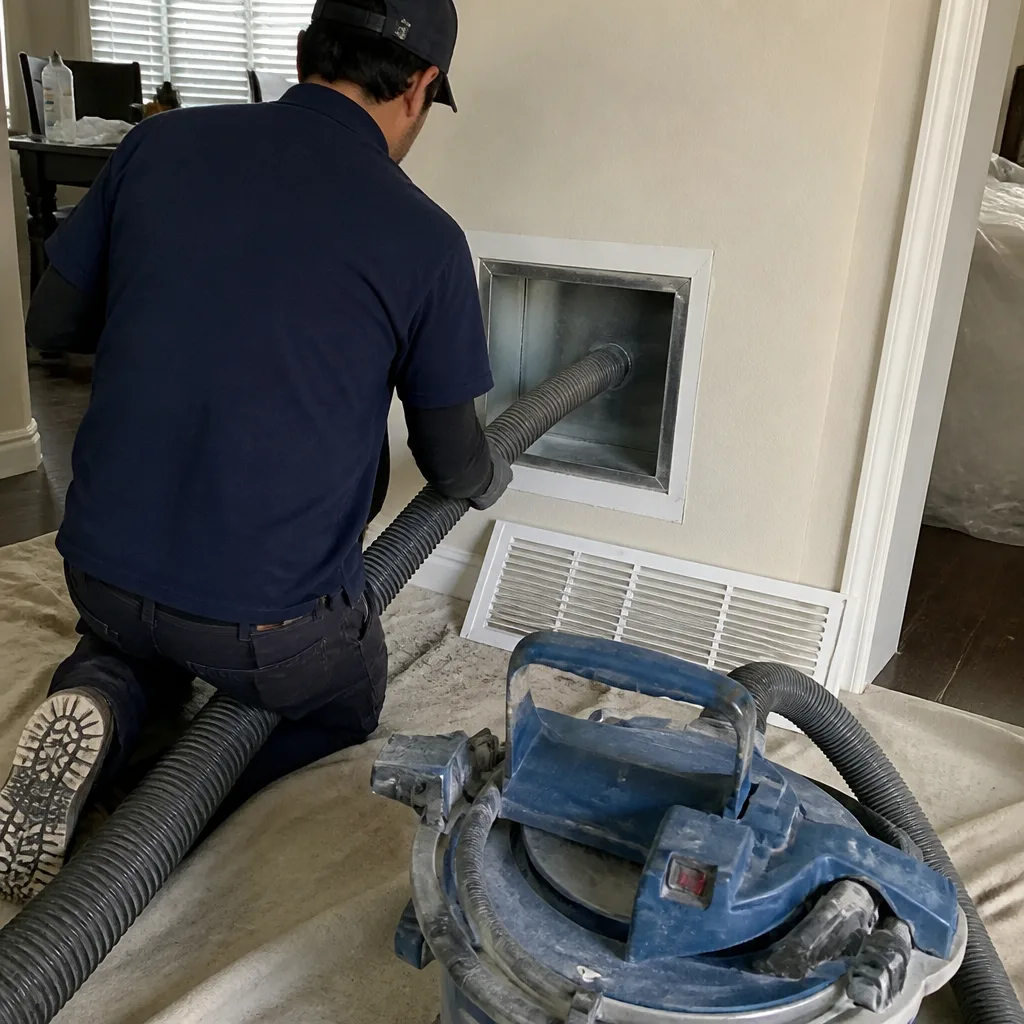
Finally, the tool being used determines whether lint actually leaves the duct or just gets redistributed. Rotary brush equipment from Rotobrush, paired with negative-pressure extraction (a high-velocity vacuum system that holds the duct under suction while the brush works), pulls debris out rather than pushing it deeper. A shop vac without rotary agitation – the method behind most $79 coupon services – mostly moves surface material around. The difference shows up clearly in before-and-after photos, which is exactly why CleanRun photographs every duct run at both stages as a standard deliverable on every job.
What Affects Dryer Vent Cleaning Pricing in Spring
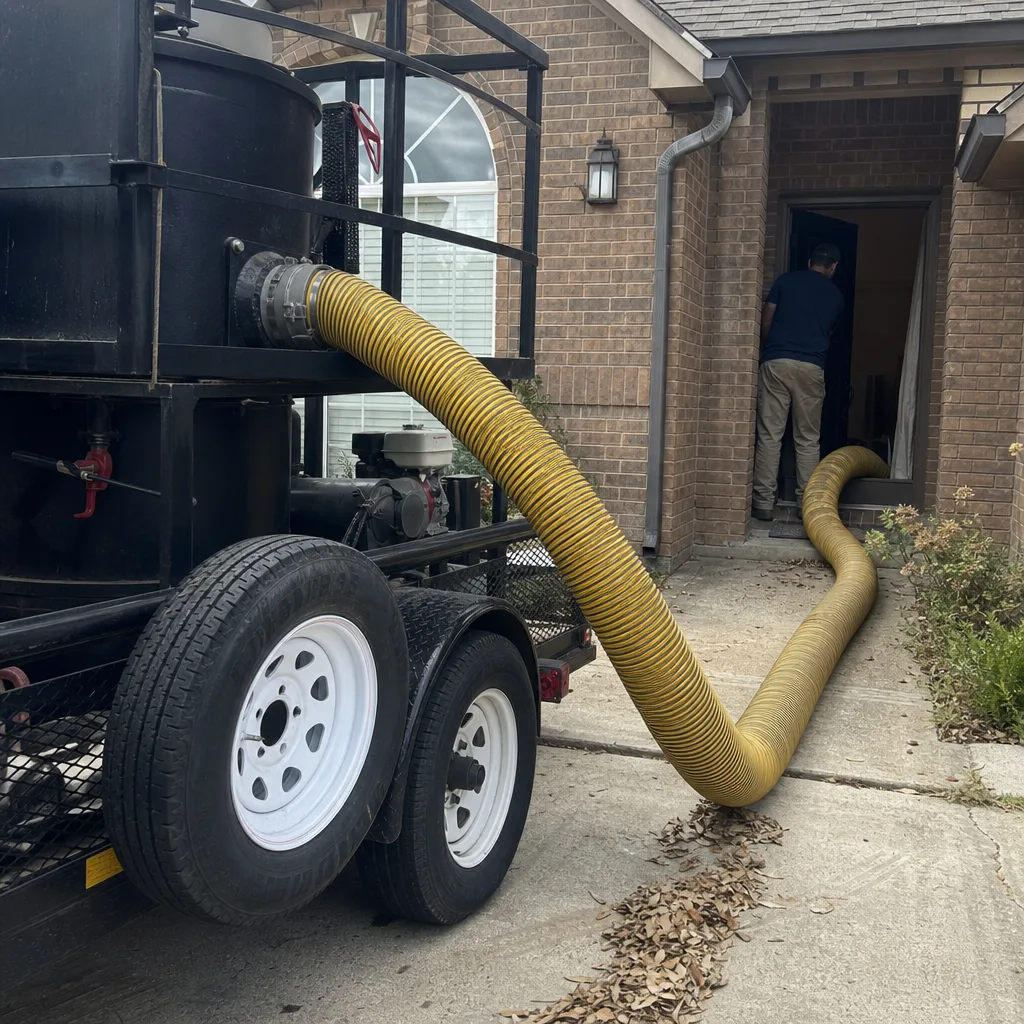
- Total duct run length: Spring’s newer planned communities – Gleannloch Farms, Harmony, and Breckenridge Forest – were built in the 2000s and 2010s with laundry rooms positioned deep inside floor plans, which means dryer vents often travel 30 to 45 feet before exiting the structure. That distance requires more setup time, more rotary brush sections, and longer extraction runs. Every additional 10 feet of duct adds measurably to the job time and cost.
- Number and angle of elbows: Each 90-degree elbow is code-equivalent to roughly 5 additional straight feet of duct resistance. A run with four elbows – not unusual in a two-story Spring home where the vent exits through a side wall rather than the soffit – accumulates lint at every bend. Cleaning those bends properly takes longer than a straight run of the same total length.
- Duct material: Rigid metal duct is the standard and the cleanest option. Semi-rigid aluminum works but collects more lint at seams. The old white vinyl or accordion-style foil hose that appears behind dryers in homes built before 2010 is a fire concern and a cleaning challenge – it’s harder to agitate properly, and in some cases replacement is the right call before cleaning even makes sense.
- Obstruction type: Lint buildup that hasn’t been addressed in several years is one thing. A bird nest at the exterior cap is another. Spring sits inside Harris County, and the wooded corridors along the Augusta Pines area and near Cypresswood Drive see a consistent pattern of birds – primarily starlings and house sparrows – nesting inside louvered vent covers between February and June. Removing that nest, clearing the compacted debris behind it, and installing a pest-resistant replacement cap adds time and a parts cost.
- Accessibility of the exterior termination: A vent cap on a ground-level exterior wall takes 30 seconds to reach. A cap on a second-story soffit or upper-wall location requires ladder work and more care. In Spring homes with brick exteriors, the cap position is often fixed at construction and can’t be easily moved, so the technician has to work from whatever access point exists.
- Time since last cleaning: The National Fire Protection Association recommends annual dryer vent cleaning. In Spring, TX, where humidity accelerates lint adhesion, homes that haven’t had the vent cleaned in three or more years – which is common in homes purchased between 2015 and 2022 where maintenance records weren’t transferred – will have significantly more compacted material. That’s more brush passes, more extraction time, and a higher final price. It’s also a higher fire-risk baseline.
BeforeAfter$79 Coupon Services vs. Documented Cleaning: What the Price Actually Tells You
Spring homeowners searching for dryer vent cleaning will find offers that start at $59 or $79. It’s worth understanding what that number typically buys before comparing it to a fully quoted job.
The $79 model exists in this market – and in Houston broadly – because the crew is dispatched fast, the visit is short, and the equipment is usually a high-powered shop vac pushed to the exterior cap or the dryer connection. That moves loose surface lint. It doesn’t agitate packed material at elbows, it doesn’t produce a before-and-after photo record, and it doesn’t come with a written guarantee that covers the work for any defined period. When the dryer is still running slow two weeks later, the company that quoted you $79 has no written record of what they found or what they did.
That’s the gap CleanRun was built to address. Every job comes with a written scope and price before work starts – that’s Haven Standard Clause 1, and it’s not a policy that gets waived when the job is small. The documented photo record of every duct run is a standard deliverable, not an upgrade. And the 365-Day Done Right Promise means that if the work isn’t right, CleanRun makes it right – in writing, not subject to manager approval. That’s the actual product. The price reflects it.
If you have a written estimate from another company, bring it. CleanRun puts its own number next to it, in writing, at no charge. That’s a free second opinion, and it’s available to any Spring homeowner who wants one.
How the Cleaning Actually Works – and Why the Method Matters to the Price
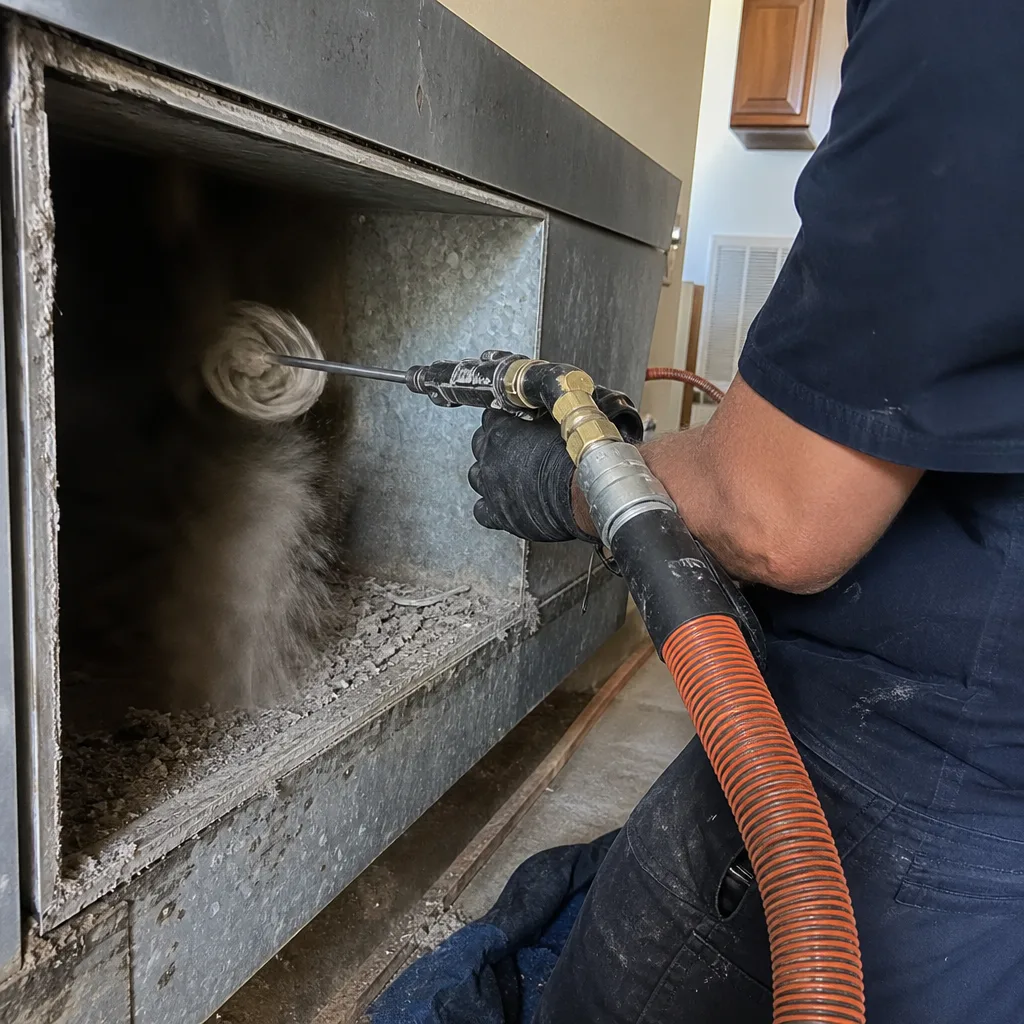
Understanding the process helps you evaluate any quote you receive, regardless of who does the work.
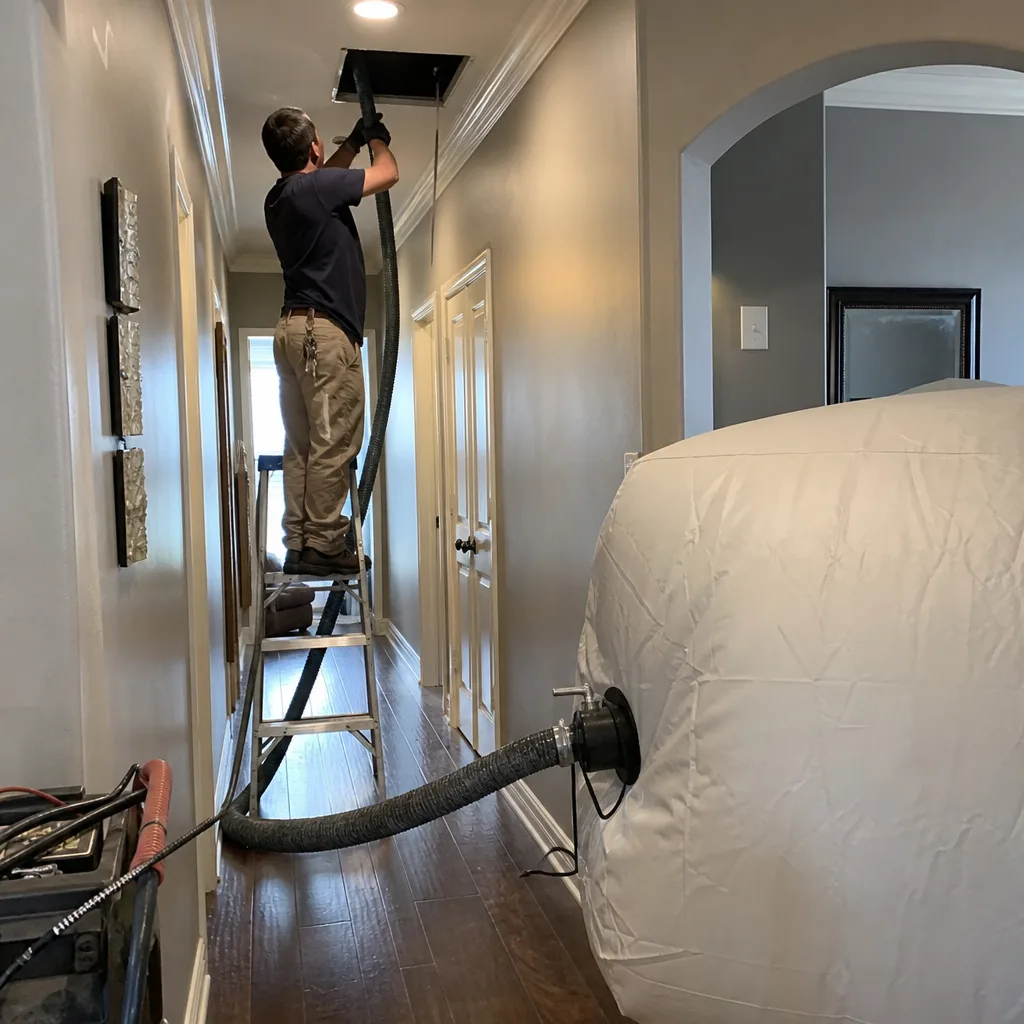
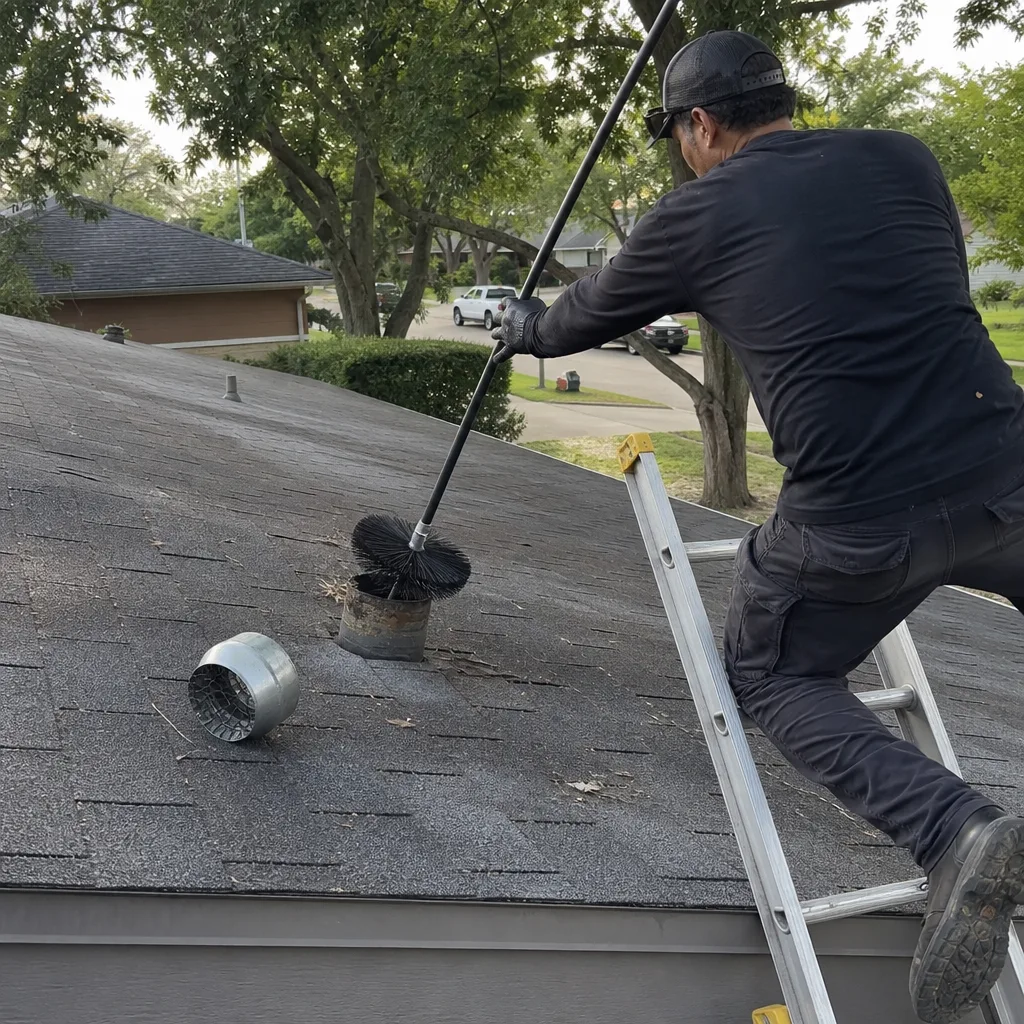
A proper Vent Cleaning starts at both ends – the interior connection behind the dryer and the exterior cap. The technician disconnects the transition hose (the section of duct between the dryer and the wall penetration), inspects it for damage or crushing, and scopes the duct run with a camera if the length or routing suggests a hidden obstruction.
Negative-pressure extraction means the duct is placed under suction before the rotary brush enters. The Rotobrush system CleanRun uses agitates lint from the duct walls while the vacuum system – using Nikro extraction equipment – holds the duct under continuous negative pressure so debris travels toward the collection point rather than being pushed further into the line. This matters especially on long attic runs where lint pushed in the wrong direction can compact at a low point and never fully clear.
Once the run is clear, the exterior cap is inspected and cleaned or replaced. The transition hose is checked against current code requirements – rigid metal or UL-listed semi-rigid is the standard; accordion-style vinyl or foil hose is not code-compliant in new construction and is a documented fire risk in existing homes. The before-and-after photos are taken inside the duct at multiple points and delivered to the customer as part of the job record.
That process takes between 45 minutes and two hours depending on run length and obstruction type. A $79 shop-vac visit takes 20 minutes. The time difference is the documentation and the actual extraction depth.
Spring, TX – Specific Patterns We See on Dryer Vent Jobs
Spring isn’t a uniform market. The age, construction style, and layout of homes varies enough across the area that pricing and common problems shift by neighborhood.
In Gleannloch Farms and Breckenridge Forest, we regularly find dryer vent runs that exit through the attic and terminate at a soffit or upper-wall cap. These runs are often 35 to 45 feet long with three or four elbows, and they accumulate lint faster than any other configuration we see in Spring. The attic environment – hot, humid, and poorly ventilated in summer – makes lint sticky. A homeowner who notices drying times getting longer in July or August is almost always dealing with a partially obstructed attic-routed vent.
In Cypresswood and older sections of Spring closer to FM 2920, homes built in the late 1980s and 1990s more often have dryers on exterior walls with short, direct runs – but those homes are also more likely to still have original louvered aluminum vent caps that are either stuck open or stuck closed, and flexible foil transition hose that was acceptable in 1995 but isn’t today. The cleaning is faster and cheaper, but the Dryer Vent Inspection sometimes turns up a cap or hose replacement that the homeowner didn’t expect.
Near the Augusta Pines corridor and the Spring Creek greenbelt, bird nesting is a real and recurring issue. We’ve found active nests in vent caps in February and compacted nesting material in runs that looked clear from the outside. A louvered cap with a damaged flap is an open invitation. Replacing it with a pest-resistant hooded cap – a $35 to $65 parts-and-labor line item – solves that problem permanently.
Spring sits entirely within Harris County, and while Texas doesn’t license dryer vent cleaning contractors the way some states do, local fire code does govern vent material, maximum run length (35 feet equivalent, adjusted for elbows under IRC M1502), and termination requirements. A compliant job produces documentation that the run meets those specs. A $79 visit usually doesn’t.
How to Save on Dryer Vent Cleaning in Spring
Practical ways to keep the cost reasonable without cutting corners on the work:
- Schedule annually, not reactively. A dryer vent cleaned on a regular schedule stays at the base price. A vent that hasn’t been touched in four years costs more because there’s simply more material to remove and more passes required. Annual cleaning in Spring – where humidity makes lint adhesion worse than in drier climates – keeps each visit short and straightforward.
- Bundle with air duct cleaning. If you’re already scheduling a full home air system cleaning, adding dryer vent service during the same visit saves a truck-roll charge and is usually discounted as a combined service. Ask when you call for the written quote.
- Get the written quote first, always. This sounds obvious, but it directly prevents the most common complaint in this category: a low teaser price that climbs once the technician is in your home. CleanRun publishes its price in writing before any work starts – Haven Standard Clause 1 – so there’s no gap between the number you saw online and the number on the invoice.
- Replace the exterior cap proactively. If your cap is the original louvered style from when the home was built and it’s more than eight years old, replacing it now (a modest line item) prevents a bird nest or a failed flap from turning a routine cleaning into a more involved job next year.
- Use the free second opinion. If you have a written quote from another company, call CleanRun at (346) 423-3631 and ask for a second opinion. CleanRun puts its number next to theirs, in writing, at no charge. If the other quote is better, you’ll know that for certain. If CleanRun’s is better, you’ll have documentation to show why.
FAQs – Dryer Vent Cleaning Cost in Spring, TX
How much does dryer vent cleaning cost in Spring, TX?
Dryer vent cleaning in Spring, TX runs between $99 and $249 for most single-family homes, with the average job landing around $149. Shorter, straight runs on slab-on-grade homes land at the lower end. Longer attic-routed runs in newer Spring subdivisions – Gleannloch Farms, Harmony, Breckenridge Forest – land toward $200 to $249. Obstruction removal and cap replacement are add-on line items quoted in writing before any work starts. Call (346) 423-3631 for a written quote with a specific number – estimates are free and no work begins until you’ve seen the price in writing.
How often should a dryer vent be cleaned in Spring, TX?
Once per year is the standard recommendation from the NFPA, and in Spring, TX that interval is worth taking seriously. Harris County’s humidity – regularly above 70% from April through October – causes lint to clump and stick to duct walls faster than it would in a drier climate. Homes with long attic-routed runs, households that do more than six loads per week, or anyone who has never had the vent cleaned since buying the home should treat annual cleaning as the baseline, not an upgrade. Signs you may need it sooner: drying cycles taking more than 45 minutes, the dryer running hot to the touch on the exterior, or a burning smell during operation.
Is dryer vent cleaning worth it in Spring?
Yes – and the fire data is the clearest reason. The U.S. Fire Administration attributes roughly 2,900 home dryer fires per year to clogged vents, with lint identified as the leading fuel source. A $149 cleaning is a direct cost offset against that risk and against the energy cost of a dryer that runs 50% longer than it should because airflow is restricted. In Spring specifically, where attic-routed vents and high humidity accelerate lint adhesion, skipping annual cleaning carries measurable consequences. The energy savings alone – on a gas or electric dryer working harder than it needs to – often recover a meaningful portion of the cleaning cost within a few months.
Why is my dryer vent cleaning quote higher than I expected?
The two most common reasons for a higher-than-expected quote in Spring are duct run length and obstruction type. If your laundry room is in the interior of a two-story home and the vent exits through the attic, the run could be 35 to 45 feet with three or four elbows – that’s a meaningfully longer job than a wall-exit run of 8 to 12 feet. The second factor is condition: a vent that hasn’t been cleaned in several years requires more passes and more extraction time than one maintained annually. Any quote from CleanRun will break down exactly what’s driving the number, in writing, before work starts. If the quote feels high, ask for the itemized scope – or bring it to us for a free second opinion at no charge.
Can I clean my dryer vent myself to save money?
For very short, straight runs – 8 feet or less with a direct exterior wall exit – a consumer-grade brush kit can clear loose surface lint. For anything longer, or any run with elbows, the consumer brush typically can’t reach or agitate the packed material at bends, and without negative-pressure extraction, dislodged lint can settle further into the duct rather than exiting it. Attic-routed runs in Spring’s newer builds are essentially impossible to clean effectively without rotary brush equipment and proper suction. A DIY attempt on a 40-foot attic run can move the obstruction to a less accessible point, which makes the subsequent professional cleaning more involved and more expensive. For those cases, the $149 professional cleaning is the more practical option by a clear margin. Call (346) 423-3631 if you’re unsure what type of run you have – CleanRun can tell you before any commitment is made.
Does CleanRun serve my neighborhood in Spring?
CleanRun serves all of Spring, TX, including Gleannloch Farms, Breckenridge Forest, Harmony, Cypresswood, Augusta Pines, Windrose, and the broader Spring area within Harris and Montgomery counties. If you’re looking for Dryer Vent Cleaning in Spring, the full service details – including what’s included on every visit and how the 365-Day Done Right Promise applies – are on that page. For a written quote specific to your address, call (346) 423-3631.
Key Takeaways
- Dryer vent cleaning in Spring, TX costs $99 to $249 for most homes, averaging around $149 for a standard job.
- Attic-routed vents – common in Gleannloch Farms, Harmony, and Breckenridge Forest – are the primary reason costs reach the higher end of that range.
- Spring’s high humidity accelerates lint adhesion, making annual cleaning a practical minimum rather than an optional interval.
- Bird nesting at exterior caps is a documented pattern near Augusta Pines and the Spring Creek corridor; pest-resistant cap replacement is a $35-$65 preventive line item.
- Rotary brush equipment with negative-pressure extraction (Rotobrush + Nikro) is the professional standard. Shop-vac-only visits move surface lint; they don’t clear packed elbows.
- Every CleanRun job includes a written price before work starts, a documented photo record of every duct run, and the 365-Day Done Right Promise – in writing.
- Free second opinions on any written estimate are available at no charge – call (346) 423-3631.
Ready for a Written Quote on Dryer Vent Cleaning in Spring?
CleanRun has served Spring-area homeowners since 2013 – more than 52,000 jobs, every one with a written price before work started and a documented photo record when the crew left. If your dryer is taking longer than it should, or if you can’t remember the last time the vent was cleaned, the right next step is a free estimate with a real number attached to it.
Call (346) 423-3631 – a live person answers every call – and you’ll have a written quote in hand before any decision is required. No work starts without your approval of the written price. That’s Haven Standard Clause 1, and it applies to every job, including this one.
Written by Tomas Reyes, Owner at CleanRun Air Duct Cleaning Spring, serving Spring, TX since 2013. Pricing reflects the Spring, TX market as of 2026. CleanRun offers free estimates on all dryer vent cleaning services – call (346) 423-3631 for a written quote specific to your home.
What Our Customers Say
"The dryer vent was almost completely blocked with lint. They showed me the photograph and I understood immediately why the dryer had been running twice."
- Lucia M."Flat price agreed up front, no per-vent add-ons at the end. That was the whole reason I did not call the coupon company."
- Suzanne B."They found a disconnected duct in the crawl space that had been dumping conditioned air under the house for years. Photographed it, quoted the repair, fixed it."
- Devon A.